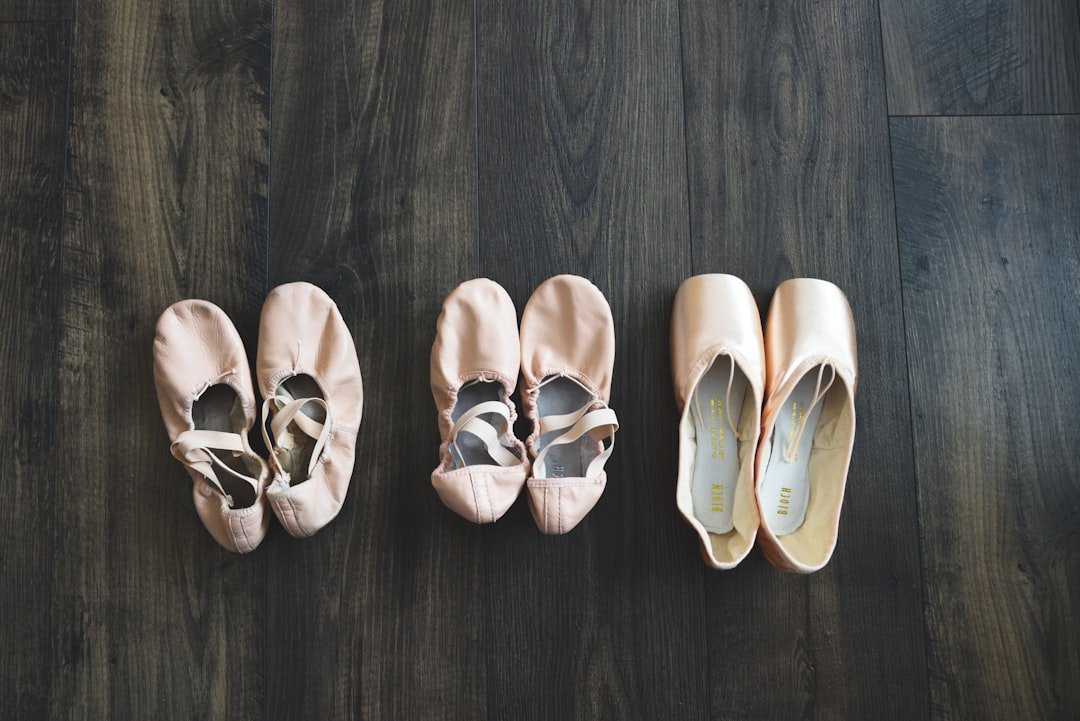
This choice is more important than most beginners realize. The sole type affects how your foot develops, how your technique looks, and what feedback your teacher can give you. Getting it wrong doesn’t ruin your dancing, but getting it right accelerates your learning.
What’s the Difference?
Full sole: A single piece of suede runs the entire length of the shoe from heel to toe. More resistance to flexing, more support for the arch.
Split sole: The suede sole is divided into two sections — one under the ball of the foot, one under the heel — with a flexible fabric section in the arch. Much more flexible, allows the full arch to articulate and be visible.
Full Sole: For Beginners and Developing Feet
Full sole shoes are the traditional choice for beginners for several good reasons:
- Resistance builds strength: Pointing and flexing against the resistance of the full sole develops the intrinsic foot muscles faster than a split sole that “gives” immediately
- Better teacher feedback: The stiffness of the full sole makes poor foot position more visible — your teacher can see immediately when you’re sickling or winging
- More forgiving fit: The structure of a full sole shoe is more consistent on different foot types
Most ballet teachers recommend full sole for the first 6–18 months of training, regardless of age.
Split Sole: For Developed Technique
Once foot strength is established, split sole shoes have real advantages:
- Dramatic arch visibility: The arch pops visually in a split sole — important for performance aesthetics and for seeing your own foot line clearly
- Greater flexibility: Allegro and jump combinations feel more responsive in a split sole
- Lighter weight: Less material means slightly less weight, which matters over a 90-minute class
What Most Teachers Actually Recommend
There’s variation by school, country, and teaching method, but the most common recommendation:
- Children (beginners): Full sole for the first 2–3 years
- Adult beginners: Full sole for the first year, split sole when foot strength is visibly established
- Intermediate students: Either — often personal preference at this stage
- Advanced/professional: Split sole is standard, though some teachers continue to prefer full sole for certain exercises
Popular Shoes in Each Category
Full sole:
- Bloch Dansoft S0205L (leather, full sole)
- Capezio Daisy (canvas, full sole — children’s)
Split sole:
- Bloch Performa (canvas split sole — the most popular split sole ballet shoe globally)
- Capezio Canvas Juliet (split sole, wide-width option)
- Sansha Star (leather split sole)
Simple answer: If you’re a beginner or your teacher hasn’t discussed transitioning — full sole. If you have a year or more of training and your teacher approves — split sole. When in doubt, ask your teacher, not the dance store.