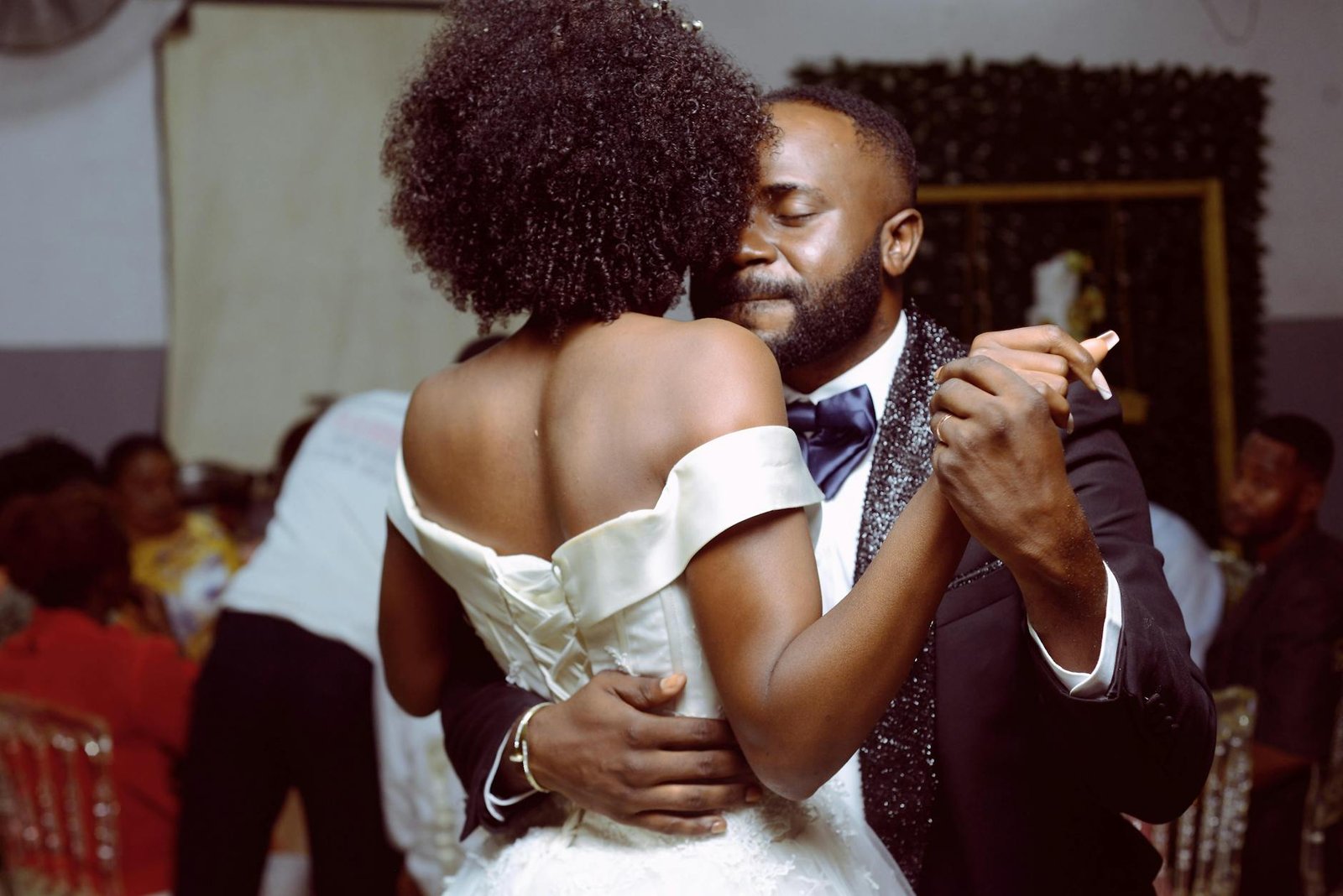
Wedding receptions are one of the few situations where most adults in Western culture are expected to dance — and most of them feel unprepared. The goal isn’t to impress anyone. It’s to be present, move to the music, and have fun. That’s achievable for anyone.
The Foundation: Finding the Beat
Before anything else, you need to hear the beat. In most popular music, the bass drum (kick drum) hits on beats 1 and 3, and the snare drum hits on beats 2 and 4. The beat is the steady pulse — not the melody.
Practice: put on a pop or R&B song and tap your foot to the beat. Just the steady pulse. Once your foot is locked in, add a slight bounce through your knees. Congratulations — you’re doing the first step of social dancing.
The Two Moves That Cover 90% of Wedding Situations
1. The Two-Step (Groove)
Step your right foot to the right (count 1), bring your left foot in to meet it (count 2), step your right foot to the right again (count 3), bring your left foot in (count 4). Then reverse — step left, together, left, together. Add a bounce through your knees and some arm movement and this is socially completely acceptable dancing for nearly every pop, R&B, or soul song.
2. The Rock Step
Step forward on your right foot (count 1), shift weight back to your left (count 2), rock back onto your right (count 3), bring left foot in (count 4). This simple forward-back rock with a natural hip motion reads as relaxed, musical, and confident. It’s the default move of experienced social dancers because it works for everything.
Partner Dancing for the First Dance or Slow Songs
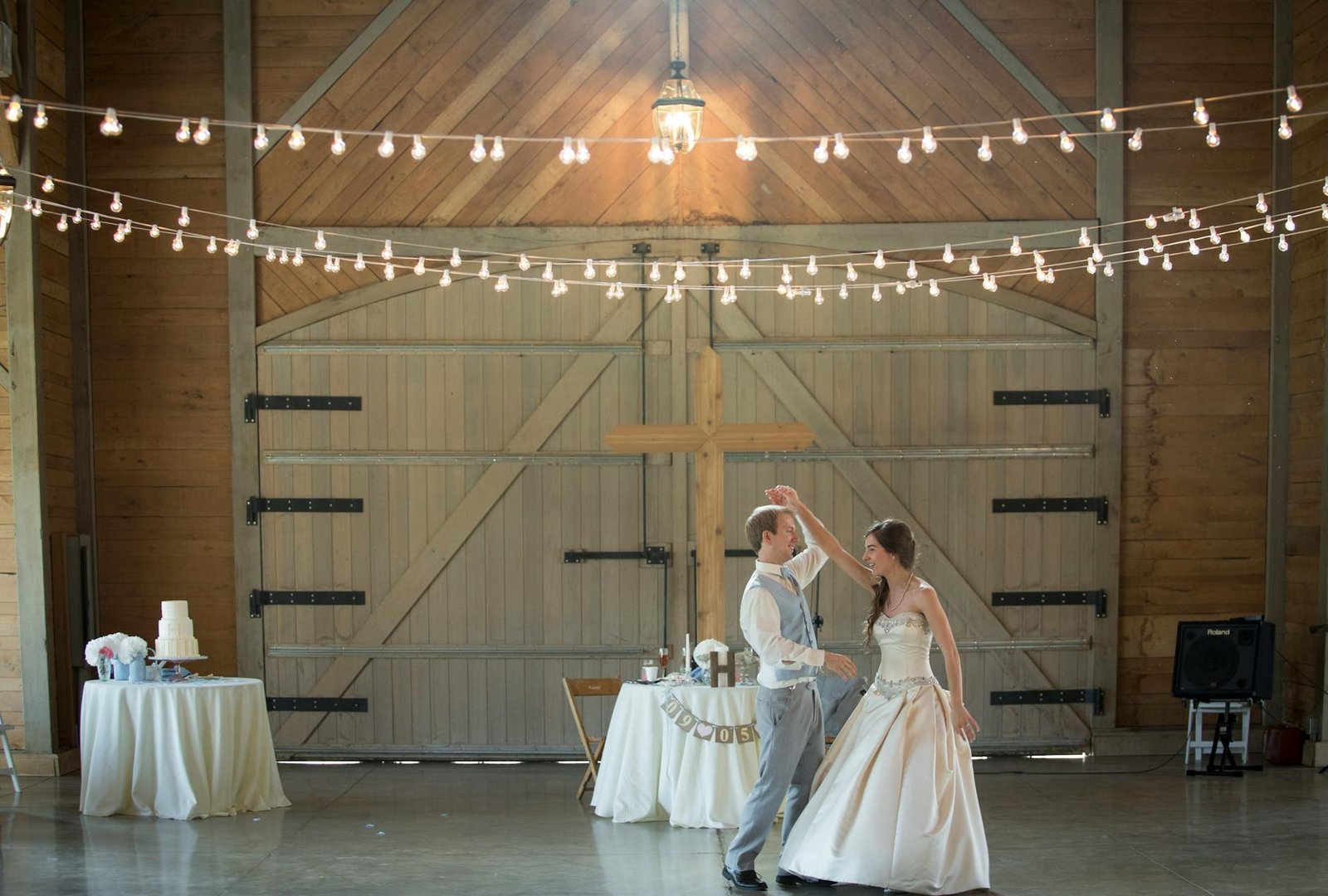
For a first dance or slow romantic song, close-hold partner dancing is expected. Here’s the minimum you need:
- Position: Face each other, the leader’s right hand on the follower’s shoulder blade (not the waist), the follower’s left hand on the leader’s shoulder. Joined outside hands at shoulder height.
- Basic slow dance: A gentle side-to-side sway or a simple step-together in a box pattern. Moving in a slow rotation to the left is optional but elevates even the simplest step.
- Connection: Keep a comfortable distance and listen through your connected hands. The leader gently guides direction with gentle frame pressure — not pushing or pulling.
Arm Movement: The Detail That Makes the Difference
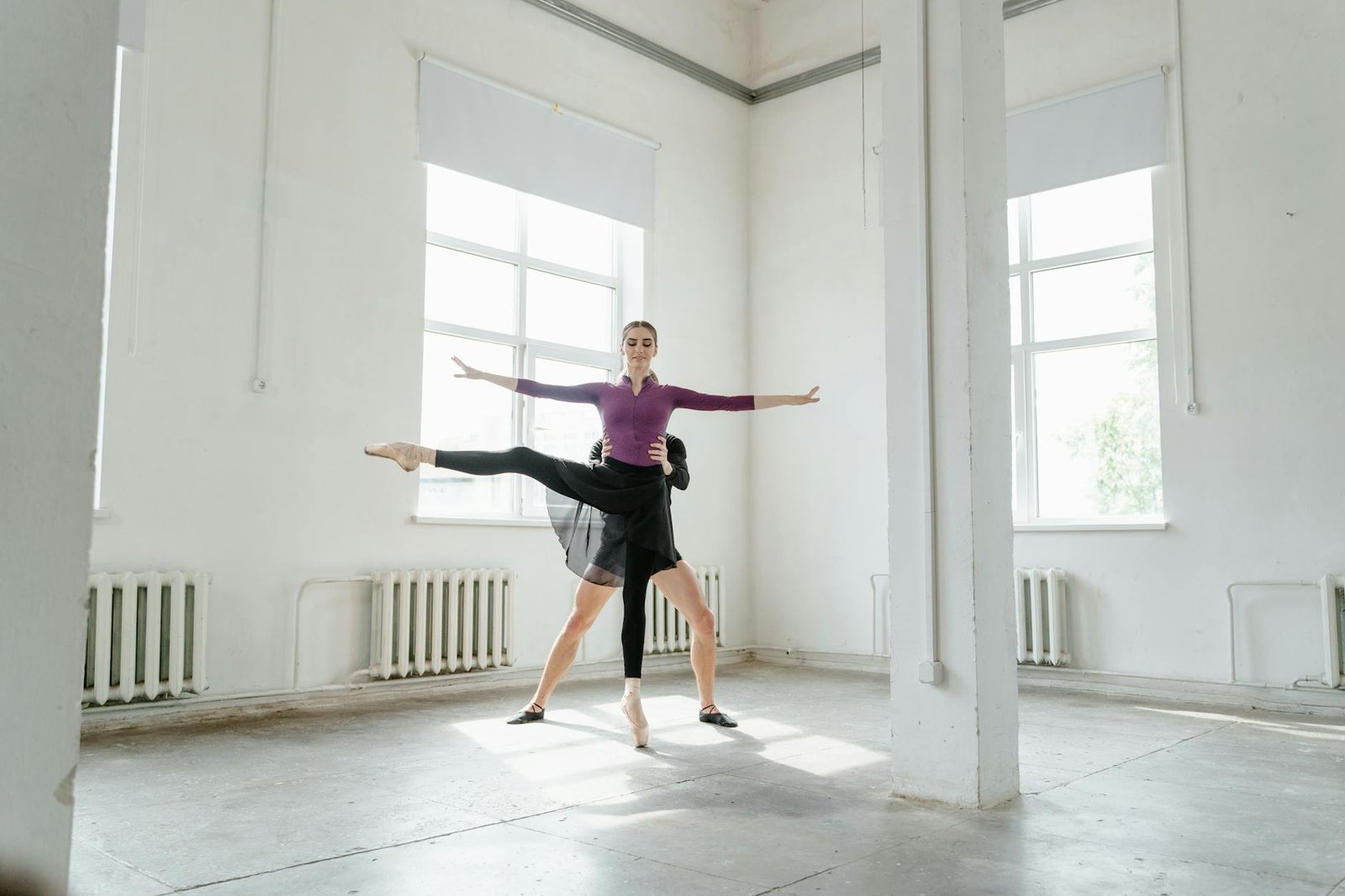
Dancers who look natural have arms that move with the body rather than hanging stiffly or flailing. For solo dancing:
- Let your arms swing naturally with your movement — the opposite arm comes forward as the same-side foot steps
- Bent elbows look better than completely straight arms
- Hands can be loosely closed, open, or held at waist height — avoid either pinning them to your sides or going “jazz hands”
What to Do on Fast Songs
For high-energy pop, EDM, or upbeat songs:
- Your two-step and rock step both work here — just increase the energy
- Feel free to move around the floor in a small circle rather than staying in place
- If a chorus is particularly energetic, double the movement energy for 8–16 counts and then settle back
- Dancing with other people is easier than dancing alone — face someone and mirror their energy
The Confidence Trick
People who look like good dancers almost always look like they’re enjoying themselves, regardless of their technical level. The reverse is also true — technically capable dancers who look self-conscious look like bad dancers.
Make eye contact, smile at your partner or the people near you, and commit to the movement even when it’s simple. Enjoyment is visible and contagious.
If you have a first dance coming up: One or two 1-hour lessons with a ballroom teacher 2–3 weeks before the wedding will transform your confidence and the appearance of your first dance entirely. Even a single lesson covers more than most people realize.