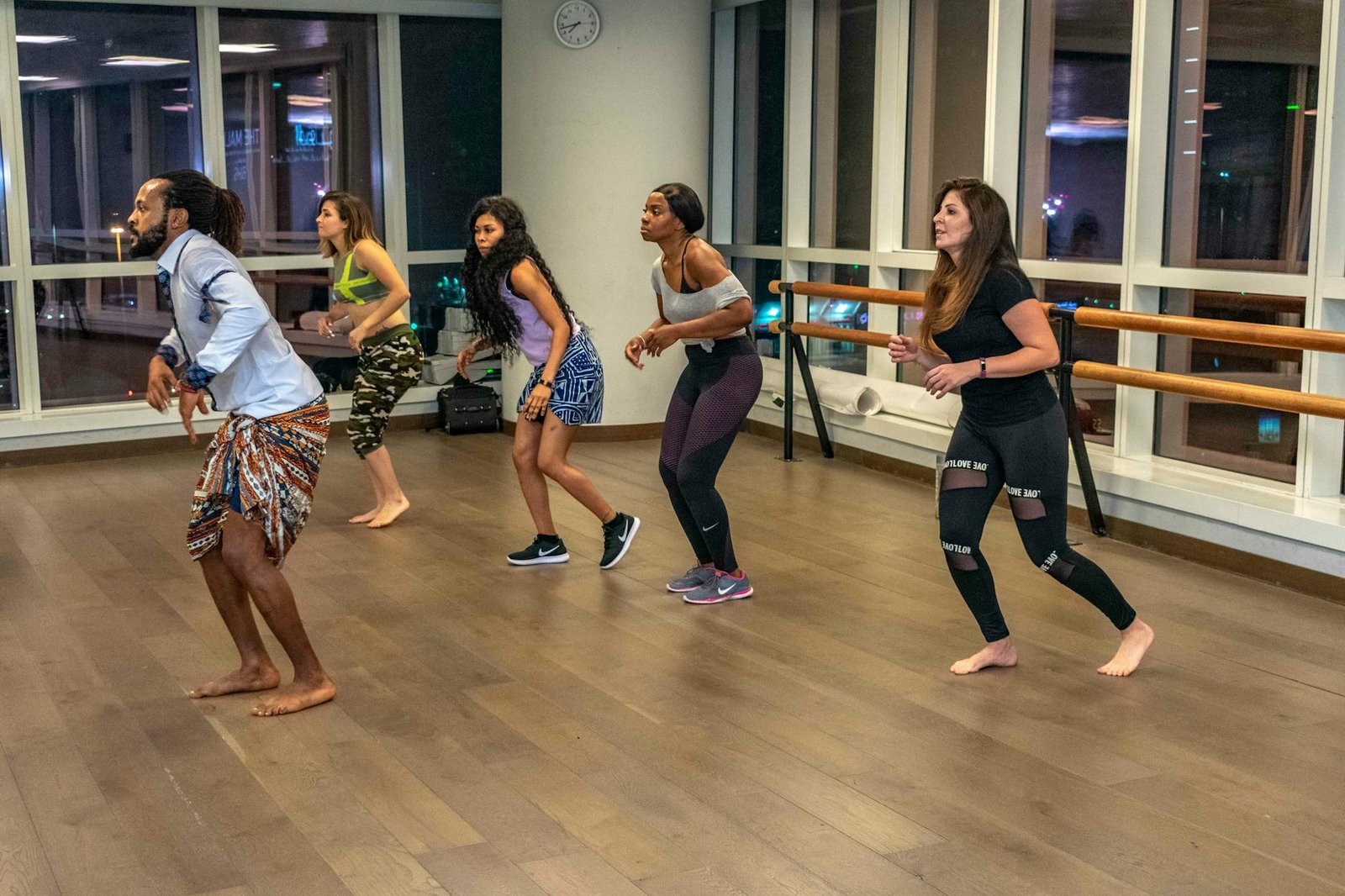
Finding a dance class sounds simple — search online, pick the nearest one, show up. But the wrong class (wrong level, wrong style, poor instruction quality) is more likely to make you quit than the right class at a farther location. Here’s how to find the right fit.
Start With Style
The most common reason people leave dance classes is that they didn’t enjoy the style. Before searching for locations, decide what kind of dancing you actually want to do:
- Partner dancing (social): Ballroom, Latin (salsa, bachata), swing, tango
- Classical technique: Ballet, pointe, contemporary
- Street/performance: Hip-hop, jazz, commercial dance, K-pop
- Cultural/traditional: Flamenco, Irish, folk dances, belly dance
- Performance art: Modern, contemporary, physical theatre
- Fitness hybrid: Zumba, dance cardio, barre fitness (note: these are fitness classes, not dance training)
Where to Search
- Google Maps: “Dance studio [city]” or “[style] dance class [city]”
- Yelp: Filter by style and read reviews specifically for beginner experiences
- Mindbody/ClassPass: Good for finding drop-in options across multiple studios
- Facebook groups: Local dance communities often share recommendations and host social events — search “[city] dance” or “[style] dancers [city]”
- Community centers and recreation departments: Often the most affordable option, particularly for adult beginners in popular styles
- University continuing education programs: Evening and weekend courses often at significantly lower cost than private studios
What to Look for in a Studio
Level Clarity
Good studios clearly label classes by level — Beginner, Beginner/Intermediate, Intermediate, Advanced. Be wary of studios that only list a style without a level. “Ballet Tuesday Evenings” tells you nothing about who that class is for.
Adult Beginner Classes Specifically
Classes labeled “adult beginner” are specifically designed for people starting from scratch. These are different from children’s beginner classes (different expectations, different social environment) and from adult classes that include all levels mixed.
Teacher Credentials
For classical styles (ballet, flamenco, tap), ask about the teacher’s training background. For social styles (salsa, bachata), competition history and social dance experience matter more than academic credentials. For hip-hop and street styles, authentic cultural connection and professional experience are the relevant markers.
Trial Classes
Most studios offer a free or discounted trial class. Take it. A single class tells you more about the studio’s environment, teacher quality, and fit with your goals than any website or review.
Questions to Ask Before Signing Up
- What is the class size? (Under 15 for technique classes is ideal)
- How long has the teacher been teaching adults at this level?
- Is there a curriculum or does the class vary week to week?
- What’s the commitment structure — can I drop in, or is it a session enrollment?
- What do students wear to class?
Red Flags to Watch For
- Classes mixing absolute beginners with people who have years of experience (no level separation)
- Teachers who can’t clearly explain technique — who only demonstrate rather than explain what the body is doing and why
- High-pressure sales tactics to buy long-term contracts before you’ve taken a class
- No visible curriculum or progression — every class is a new combination with no building on what came before
Best approach: Take trial classes at 2–3 studios offering the style you want before committing to a session. The difference in quality and atmosphere between good and mediocre dance instruction is striking — and worth the extra effort to find the right fit from the start.