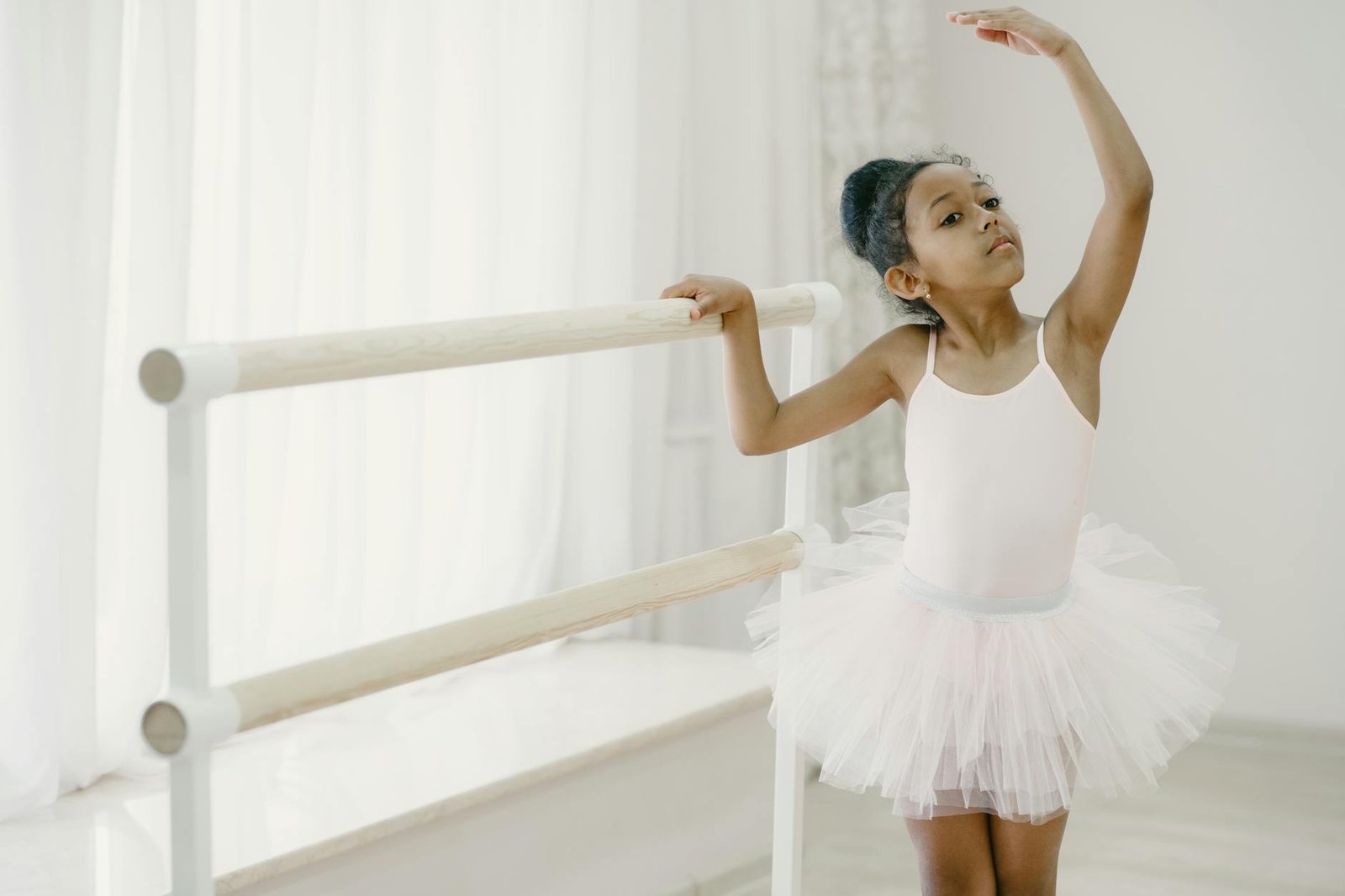
Online dance for children comes with different requirements than adult dance learning — attention spans are shorter, the need for play is higher, and the technical demands need to match developmental stage. Here’s what works, by age.
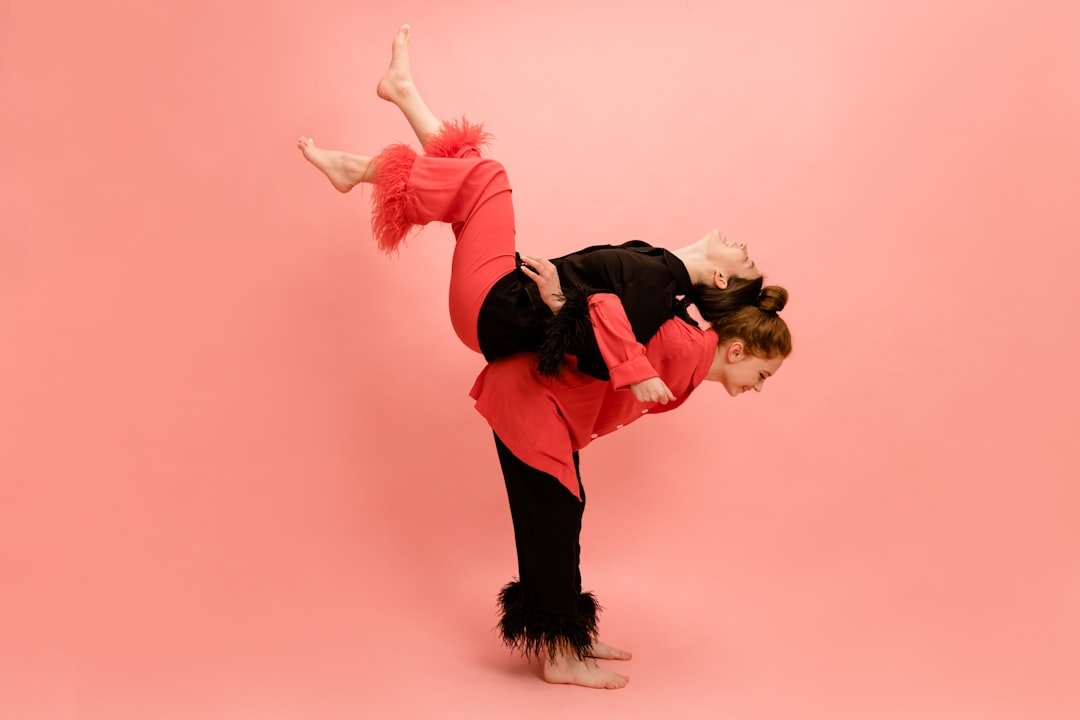
Ages 3–5: Movement Exploration, Not Technique
Young children aren’t ready for structured technique but are ready for joyful movement exploration. The goal at this age is developing body awareness, coordination, and a love of moving to music — not correct plié technique.
Best resources:
- Cosmic Kids Yoga (YouTube): Not specifically dance, but uses movement storytelling that works beautifully for this age
- The Kiboomers (YouTube): Dance songs and creative movement designed for early childhood
- Parent-led kitchen disco: Put on music, move around, follow the child’s lead. This is genuinely developmentally appropriate and more effective than structured lessons at this age.
Ages 6–9: Beginning Technique + Fun
Children in this range can follow structured classes of 30–45 minutes with breaks. Ballet, jazz, and hip-hop all work well at this age. The key is finding instruction that balances actual technique with enough fun to keep engagement.
Best resources:
- CLI Studios Kids (CLI Studios has age-specific content)
- Leap! Dance Education (YouTube): Child-focused ballet and jazz tutorials at an appropriate pace
- 1MILLION Dance Studio (YouTube): Simple K-pop routines that 7–9 year olds can engage with enthusiastically
Ages 10–13: Real Technique, Real Progression
Preteens can handle the same platform recommendations as adult beginners, with some caveats about community and content:
- Steezy Studio works very well for hip-hop and K-pop at this age
- Kathryn Morgan’s YouTube ballet content is appropriate and well-paced for this age
- CLI Studios has content specifically suitable for this range
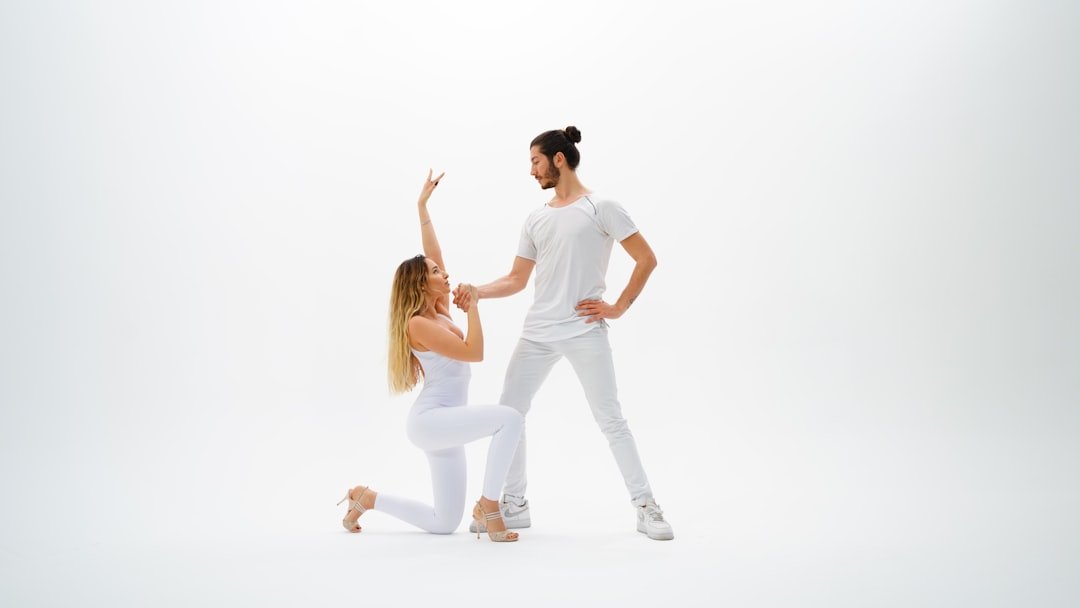
Ages 14+: Adult Learning Applies
Teenagers can use any of the adult platform recommendations. The same CLI Studios / Steezy / YouTube guidance applies, with style choices based on their interests.
Making Online Dance Work for Kids at Home
- Schedule it: Kids respond to routine. A regular “dance time” is more effective than spontaneous attempts
- Clear the space together: Making the physical space part of the ritual creates buy-in
- Watch first, then try: Children benefit from seeing the full thing before attempting — unlike adults who often prefer to attempt immediately
- Don’t correct constantly: Unless safety is involved, let children dance imperfectly and discover corrections through doing. Over-correction kills enthusiasm.
- End on success: Find a moment in each session where the child did something well and name it before the session ends
When to Transition to In-Person Classes
Online dance is a supplement or a starting point for children — not a permanent replacement for in-person instruction. By around age 8–10, children who are serious about dance benefit significantly from in-person classes where a teacher can correct alignment in real time and where the social aspect of dance (performing for peers, working in groups) develops naturally.