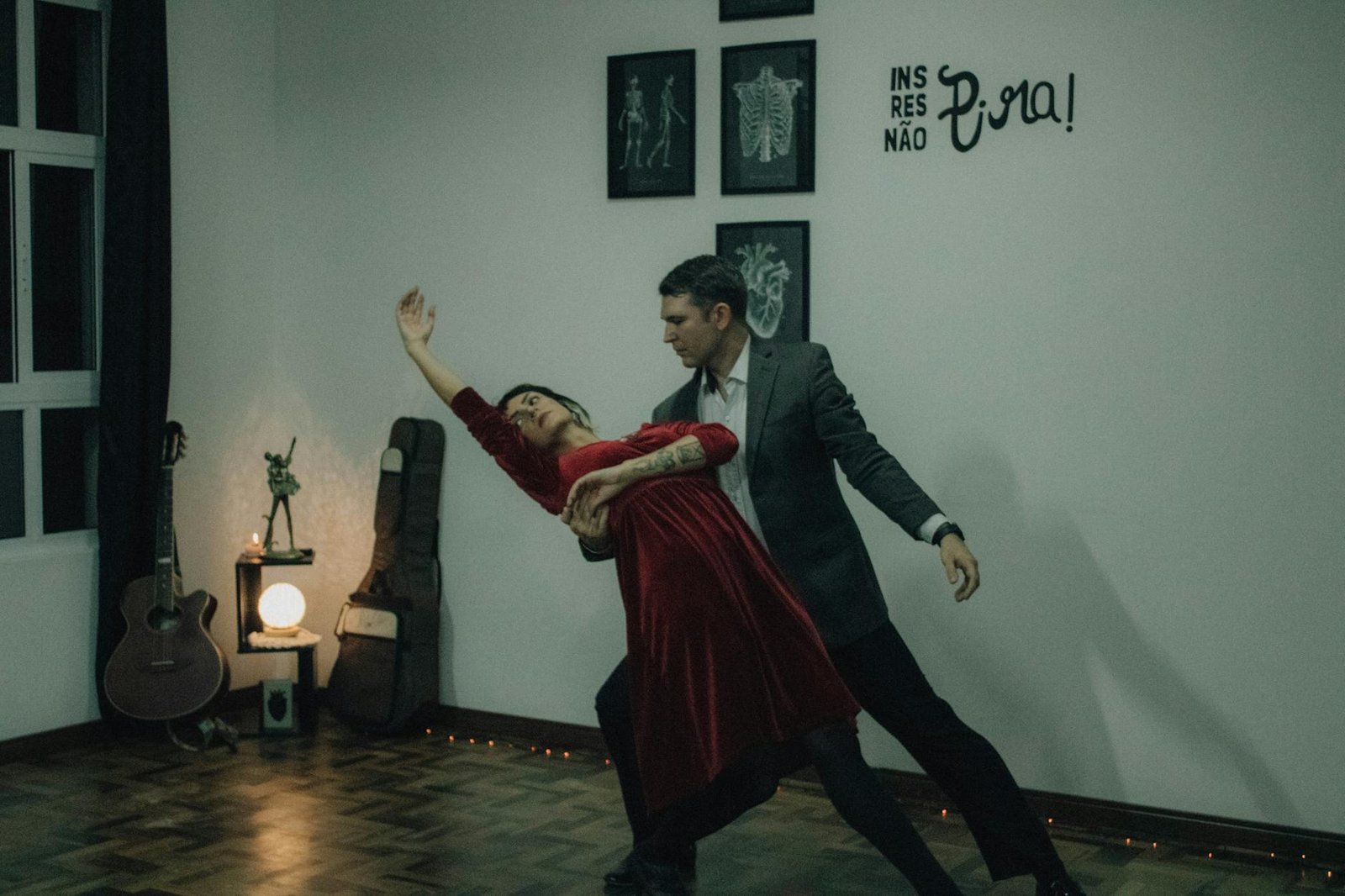
Salsa’s reputation as a partner dance makes beginners assume you can’t learn it alone — but solo salsa training is not only possible, it’s how most dancers build the footwork and timing foundations before they ever take a social dance partner’s hand.
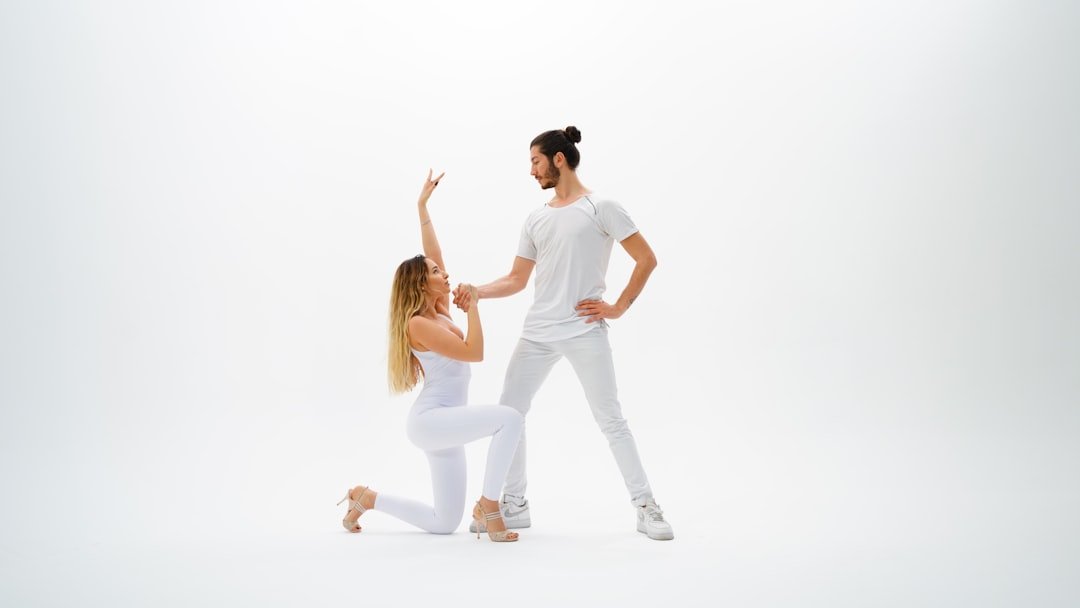
What You Can Learn Online (and What You Still Need In Person)
Learnable online: Timing, footwork patterns, arm styling, body movement, shines (solo footwork), basic turn patterns when practiced with a practice partner or pillow.
Better learned in person: Leading and following (connection), partner-specific turn timing, reading your partner, and the social dance environment of a milonga or club.
The practical path: learn solo salsa online until the basic patterns are automatic, then attend a social salsa night or in-person beginner class to apply them with a real partner.
Best Free Option: Salsa Kings (YouTube)
The Salsa Kings channel is among the most structured free salsa resources available. They cover both On1 (LA style) and On2 (New York style) timing, teach footwork patterns clearly from multiple angles, and include a reasonable amount of beginner content alongside intermediate partner work. Start with their timing tutorial (understanding the 1-2-3 break) before anything else.
Best For On2 (New York Style): Ismael Otero
For dancers who want to learn mambo-based New York salsa (On2 timing), Ismael Otero’s channel and curriculum is the most respected online resource. The NY style is more complex rhythmically but is the standard in New York City and many East Coast social dance scenes.
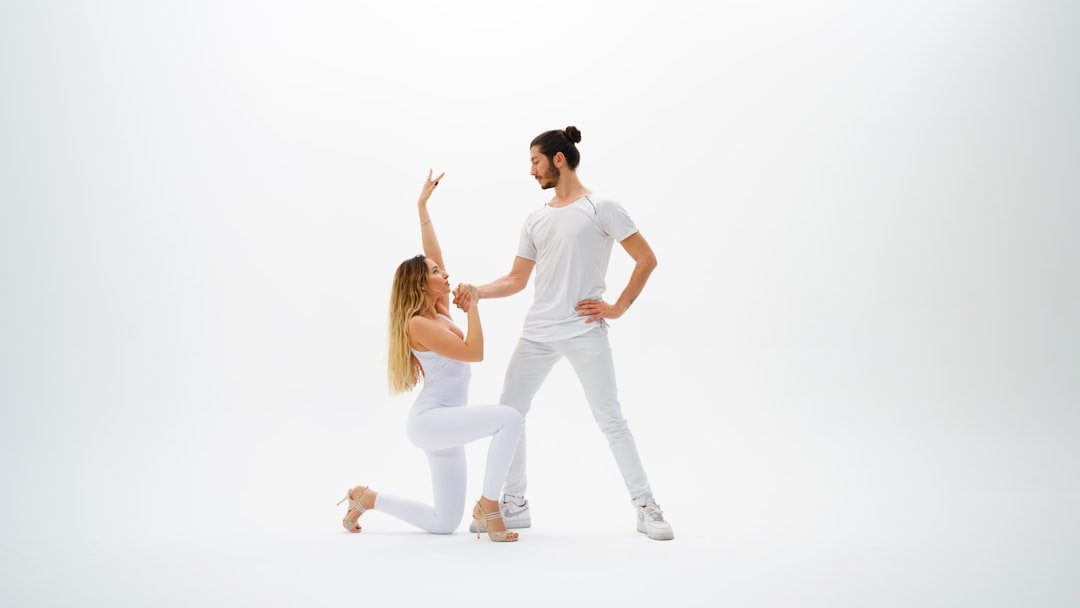
Best Paid Platform: MamboCity (Online)
A dedicated Latin dance platform with structured beginner-to-intermediate salsa curriculum, live group classes, and a private lesson option. Particularly strong for beginners who want progression rather than isolated tutorial videos.
Price: ~$25/month
The Most Important Thing: Learn the Timing First
More beginner salsa dancers stall because of timing confusion than any other reason. Salsa is counted on an 8-beat cycle, but the break step (the weight transfer that defines the style) falls on count 1 in LA style or count 2 in NY style. This is not intuitive from listening to salsa music alone.
Before learning any footwork pattern, spend 5–10 minutes per day for one week just counting 1-2-3-hold-5-6-7-hold while listening to salsa music. Tap your foot on each count. Feel the break on 1 (or 2). Build this internal clock before adding footwork.
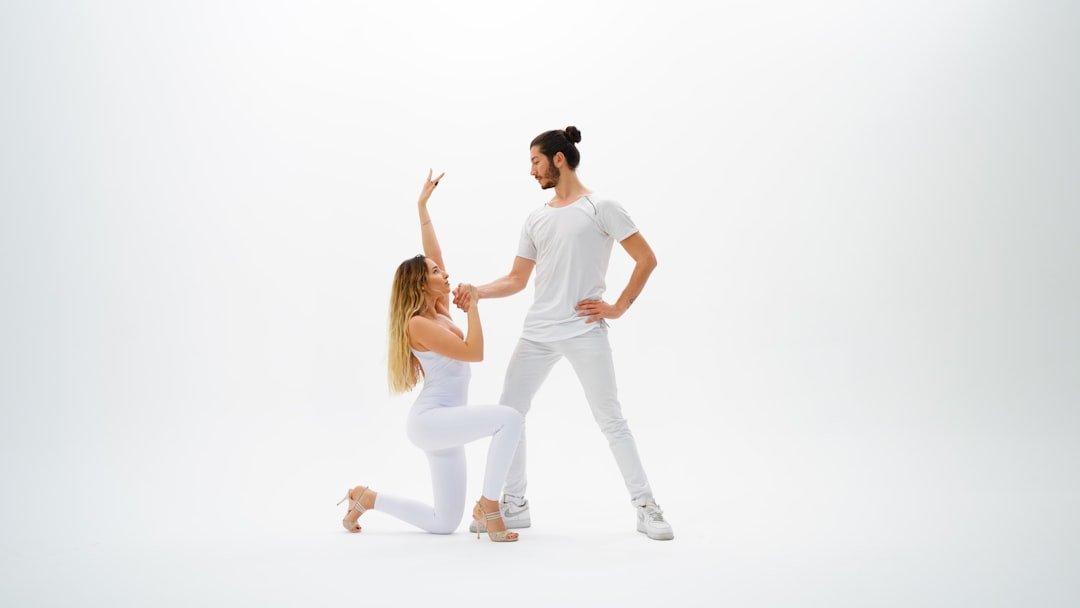
Basic Patterns to Learn in Order
- Forward-back basic step (solo, counts the timing)
- Side-to-side basic step
- Cross-body lead (the fundamental connection move with a partner)
- Right turn for the follower
- Cumbia step (transitional move used constantly in social dancing)
These five elements, done correctly, cover the majority of beginner social salsa dancing. Learn them thoroughly before adding complexity.