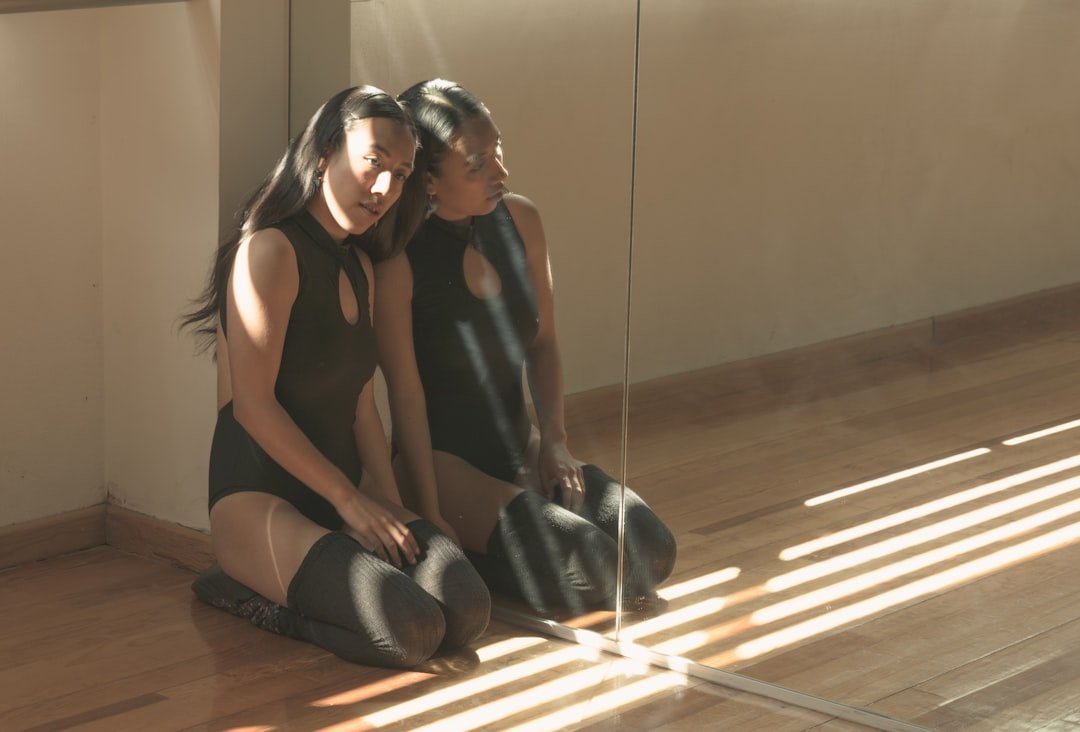
A home dance studio doesn’t need to be a dedicated room with professional flooring and a custom sound system — though it can be. What it needs to be is a space where you can practice effectively, consistently, and safely. This guide covers every option at every budget, from a cleared corner to a dedicated practice room.
Assess What You Have
Before buying anything, inventory your current situation:
- How much floor space is available? (Minimum for solo work: 6’x6′. Ideal: 10’x12′ or larger)
- What is the current floor surface? (Hardwood, laminate, tile, or carpet changes your approach)
- Is the space permanent or do you need to share it with other functions?
- What is your realistic budget?
- What style(s) are you training in?
Priority 1: The Floor
The most important element and the first place to invest. The floor affects every aspect of your practice.
Best Option: Portable Marley Vinyl Roll
Rosco Adagio or Stagestep Marley in a 5’x9′ or larger section laid over your existing floor. Provides professional-grade dance surface for ballet, jazz, contemporary, and general training. Rolls up and stores when not in use — ideal for shared spaces.
Cost: $150–$250
Budget Option: EVA Foam Tiles
Interlocking tiles for floor protection and cushioning. Not ideal for ballet turns but suitable for hip-hop, floor work, and conditioning exercises.
Cost: ~$80–$120 for 10’x10′
Permanent Option: Vinyl Plank Over Subfloor
For a dedicated room: vinyl plank flooring over a foam or spring subfloor, then Marley on top. Creates a proper sprung dance floor. Professional results at DIY cost.
Cost: $500–$1,200 depending on room size
Priority 2: The Mirror
Your visual feedback system. You cannot effectively self-correct without seeing yourself.
- Budget: IKEA HOVET leaning mirror (~$180) — secure to wall with furniture strap
- Mid-range: Two IKEA HOVET mirrors side by side (~$360) — wider coverage
- Best: Acrylic safety mirror panels mounted to wall (~$100–$150 per panel) — professional quality, shatter-safe
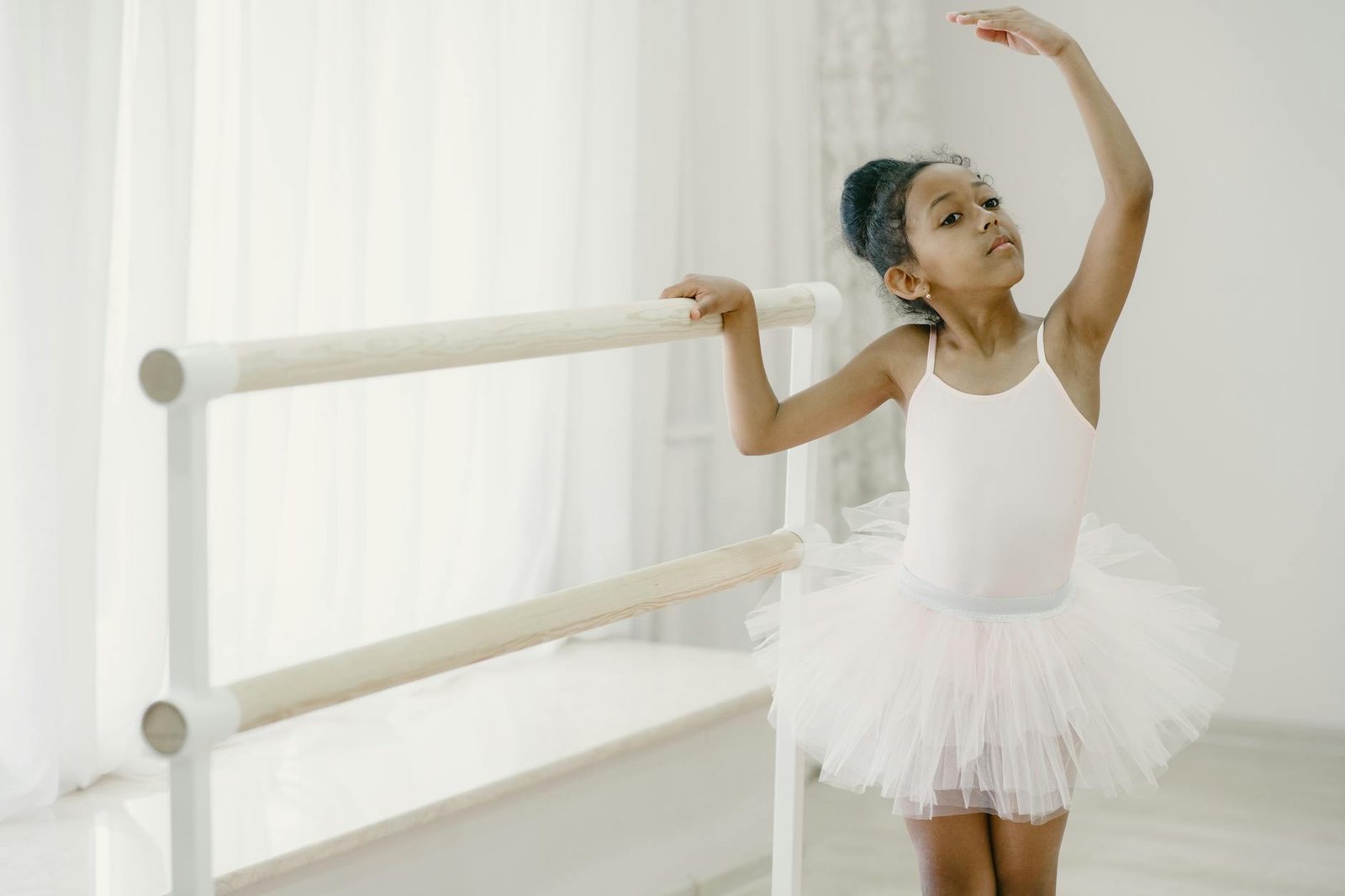
Priority 3: The Barre
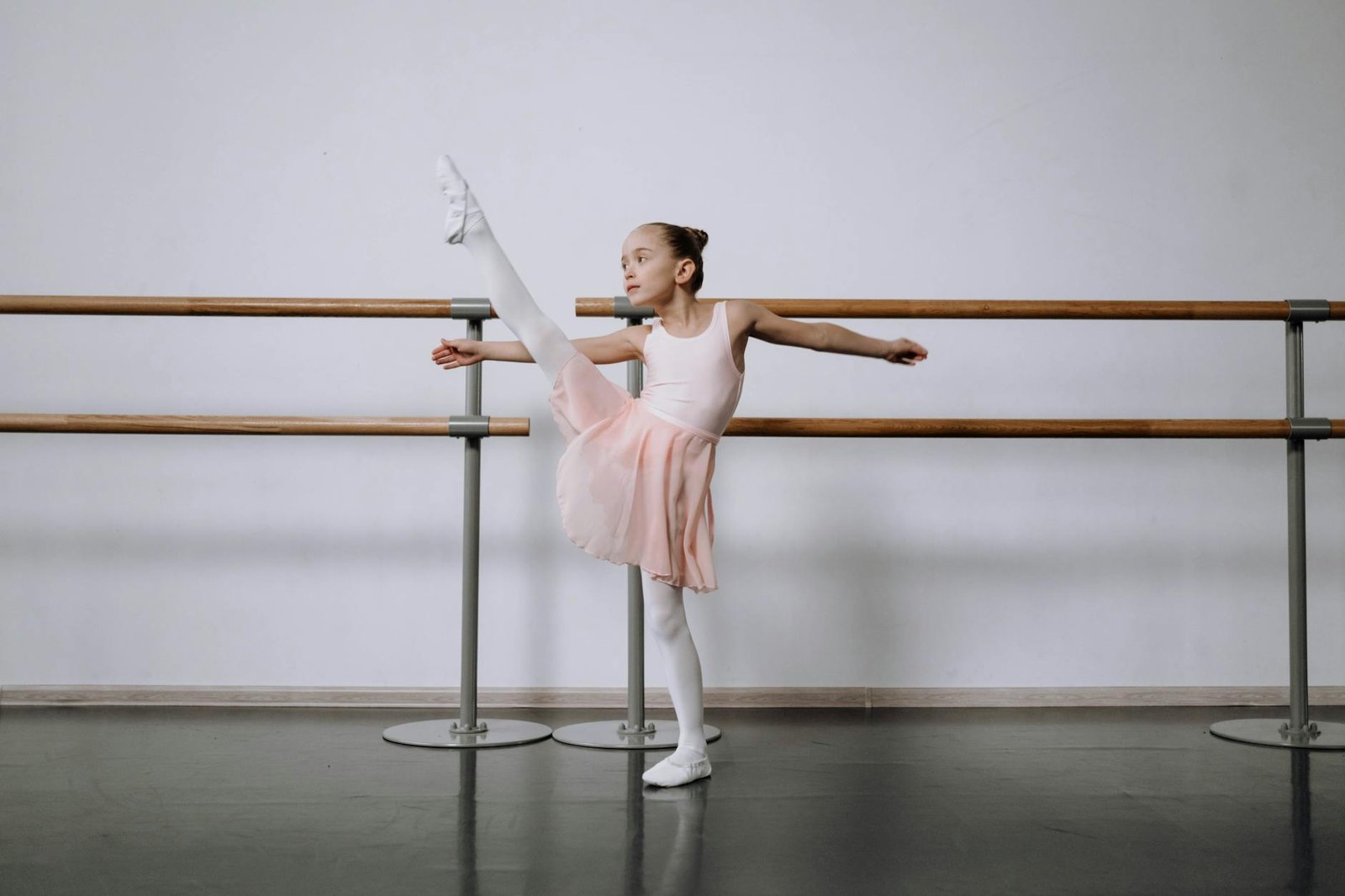
Essential for ballet and conditioning work. Optional but useful for other styles.
- Freestanding (renters/shared space): Vita Vibe adjustable barre (~$120–$150)
- Wall-mounted (dedicated room): Professional wall mount (~$60–$90 + installation)
Priority 4: Sound
Practice to music rather than silence. The difference in motivation and musicality is significant.
- Portable speaker: JBL Charge 5 or UE Wonderboom (~$100–$150) — loud enough for a practice room, Bluetooth wireless
- Fixed speaker system: For a dedicated room, a modest stereo system (~$200–$400) improves the experience significantly with better bass response for percussive styles
Priority 5: Lighting
Good lighting is underappreciated. You need to clearly see your body — shadows from overhead lights pointing downward obscure the line of your legs. Aim for:
- Overhead lighting supplemented by a front-facing light source
- Daylight-balanced bulbs (5000K) show alignment detail better than warm white
- Avoid placing windows directly behind you — the backlight makes your reflection dark
Budget Build-Outs
Starter Studio (~$300–$400)
- Portable Marley roll 5’x9′ ($160)
- ProSource freestanding barre ($70)
- IKEA NISSEDAL mirror ($85)
Mid-Range Studio (~$700–$900)
- Rosco Adagio Marley 6’x12′ ($250)
- Vita Vibe double-rail barre ($180)
- IKEA HOVET leaning mirror ($185)
- JBL Charge 5 speaker ($130)
Dedicated Dance Room (~$1,500–$2,500)
- Full-room Marley flooring 12’x14′ ($500–$700)
- Wall-mounted double barre ($150)
- Full wall acrylic mirror panels ($400–$600)
- Bluetooth speaker + basic stereo ($200)
- Conditioning equipment (bands, roller, mat) ($80)
The One Thing You Can’t Build At Home
Community. A home studio supports your training between classes and between rehearsals — it doesn’t replace the experience of dancing with other people, receiving a live teacher’s corrections, or performing. Build your home practice space alongside, not instead of, classes and social dance.