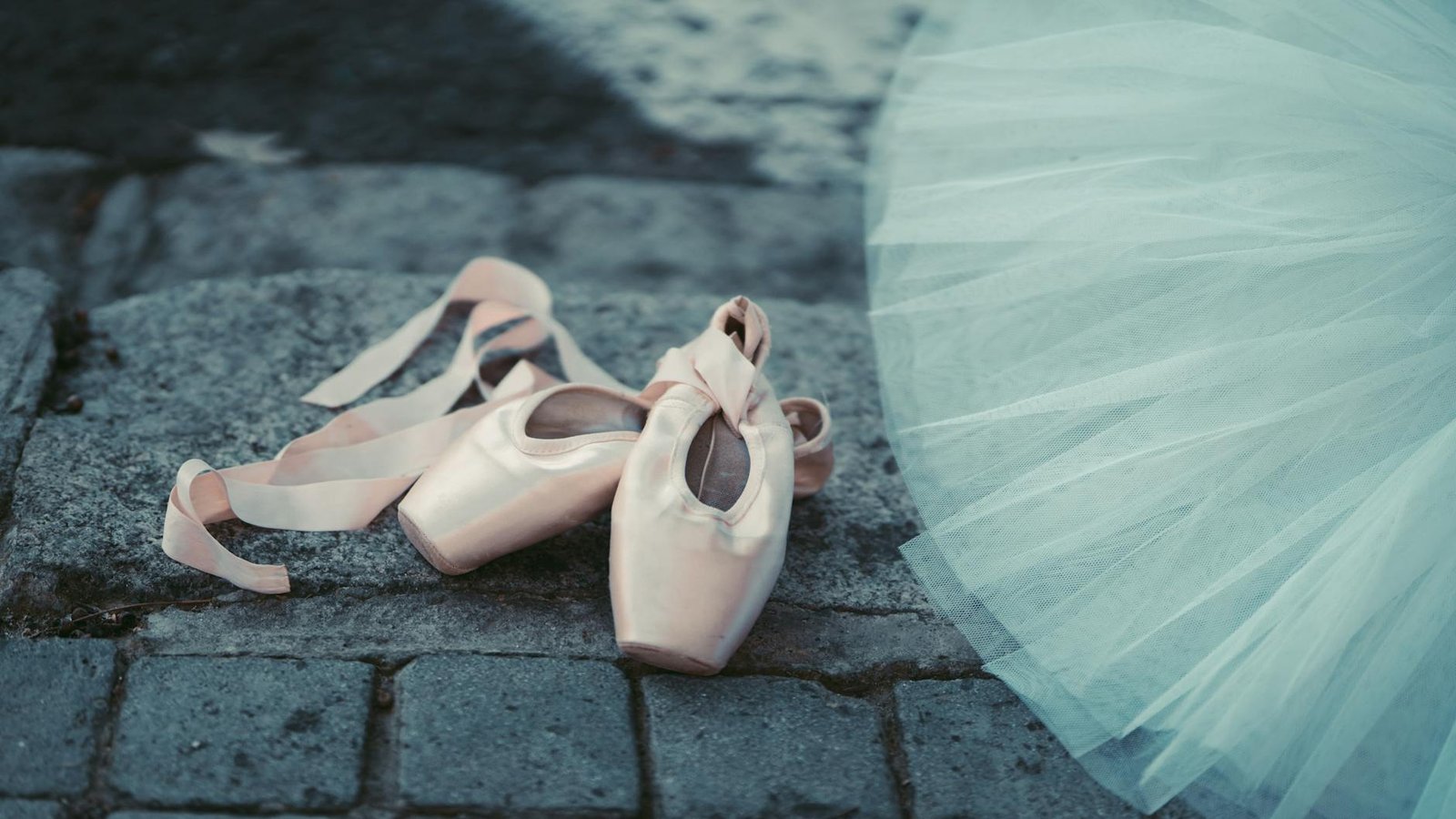
No piece of dance equipment generates more questions, confusion, and potential for injury than pointe shoes. Unlike most dance gear, pointe shoes require professional fitting — this is not optional, and the stakes are real. A poorly fitted pointe shoe can damage developing feet permanently.
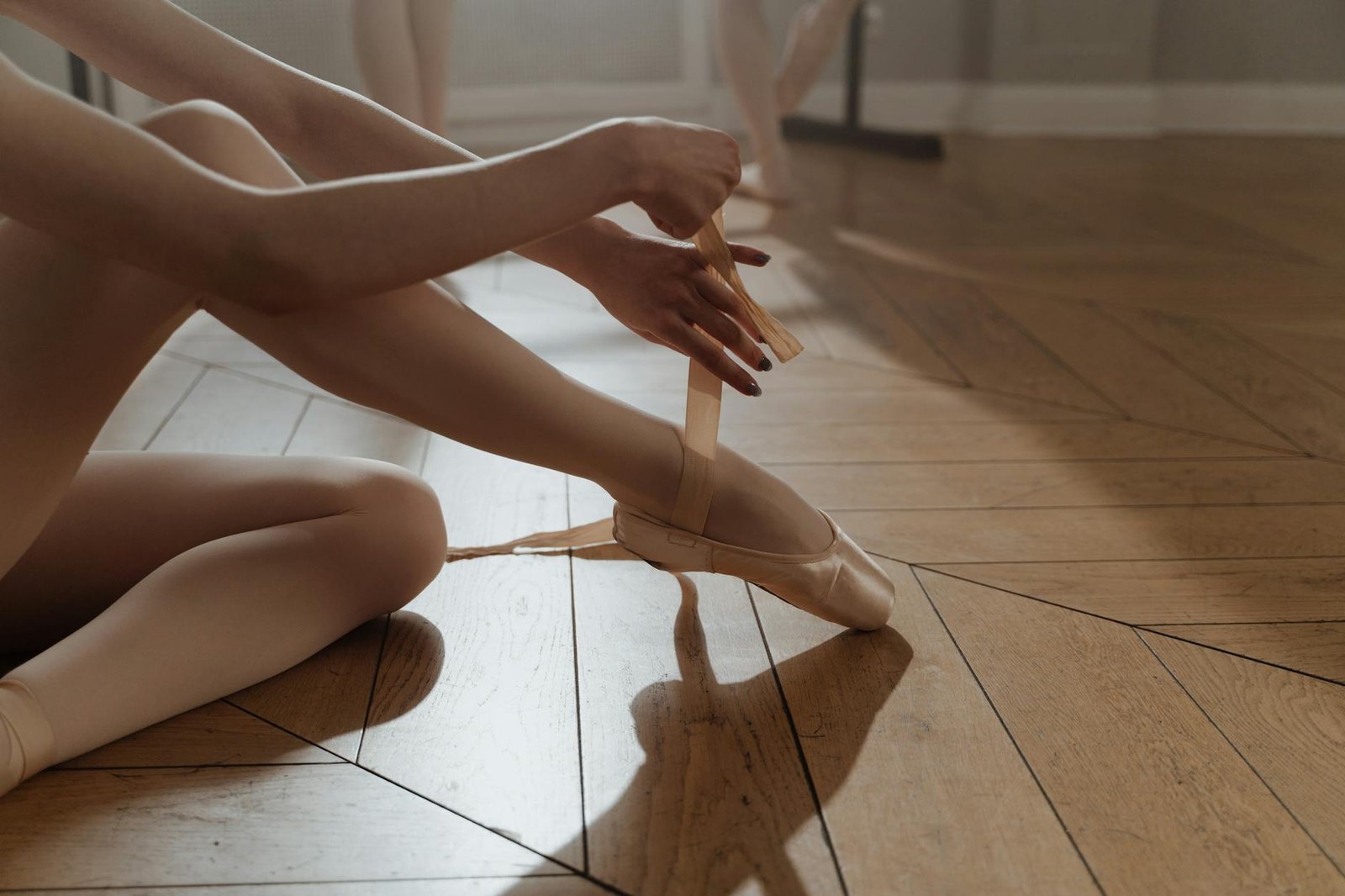
Are You Ready for Pointe Work?
Before buying pointe shoes, a qualified teacher must confirm you’re ready. The general requirements are:
- At minimum 2–3 years of consistent ballet training with proper technique
- Strong core and leg muscles (assessed by your teacher, not self-determined)
- Proper foot and ankle strength — visible in relevé and demi-pointe work
- Skeleton maturity — most teachers won’t approve students younger than 10–11 for this reason
- Your teacher’s explicit approval — this is non-negotiable
If you’re an adult beginning ballet and dreaming of pointe work, know that adults need even more pre-pointe conditioning before the shoe is appropriate — but it is achievable with time and proper training.
Why You Must Get Fitted in a Dance Store
Pointe shoes come in different shapes (lasts) designed for different foot types — Egyptian feet (long big toe), Greek feet (second toe longest), square feet (toes roughly even). No shoe works for all foot types. Additionally, the box width, shank strength, and vamp height all affect whether the shoe supports your foot correctly or creates injury risk.
A certified pointe shoe fitter spends 30–60 minutes with you, has you demi-pointe and rise in multiple styles, and fits both feet. This session is often free at dance specialty stores. Use it.
Top Beginner Pointe Shoe Brands
Bloch European Balance
One of the most popular beginner pointe shoes for standard to wide feet. The pre-arched shank provides support while foot muscles develop, and the wide platform gives stability for a dancer new to being en pointe. Good choice for square to slightly wide toe shapes.
Price: ~$70–$90
Capezio Aria
A softer-shanked option suitable for students with naturally strong feet and higher arches. The tapered box is better for Greek or Egyptian foot shapes. More responsive than the European Balance but requires more foot strength.
Price: ~$65–$85
Gaynor Minden Classic
Gaynor Minden uses synthetic materials rather than traditional paste and burlap, which gives them a different “feel” — longer lasting than traditional shoes and available in highly customizable configurations. Many professional dancers use them; they’re appropriate for beginners when properly fitted.
Price: ~$100–$130
What to Expect From Your First Pair
- They will hurt at first — breaking in pointe shoes is a real process. Expect discomfort in the first few sessions as the shoes soften and conform to your feet
- They don’t last long — beginner pointe shoes typically last 12–20 hours of dancing. Professional dancers go through a pair per performance
- Ribbons and elastics don’t come sewn in — your teacher will show you where and how to sew them (the placement varies by foot shape)
- You’ll need padding — gel toe pads, lambswool, or paper toe spacers all have their advocates. Your fitter will advise based on your foot shape
The only correct first step: Ask your ballet teacher if you’re ready. If they say yes, book a fitting at a certified dance shoe store. Don’t buy pointe shoes online without this process — it’s genuinely dangerous for developing feet.