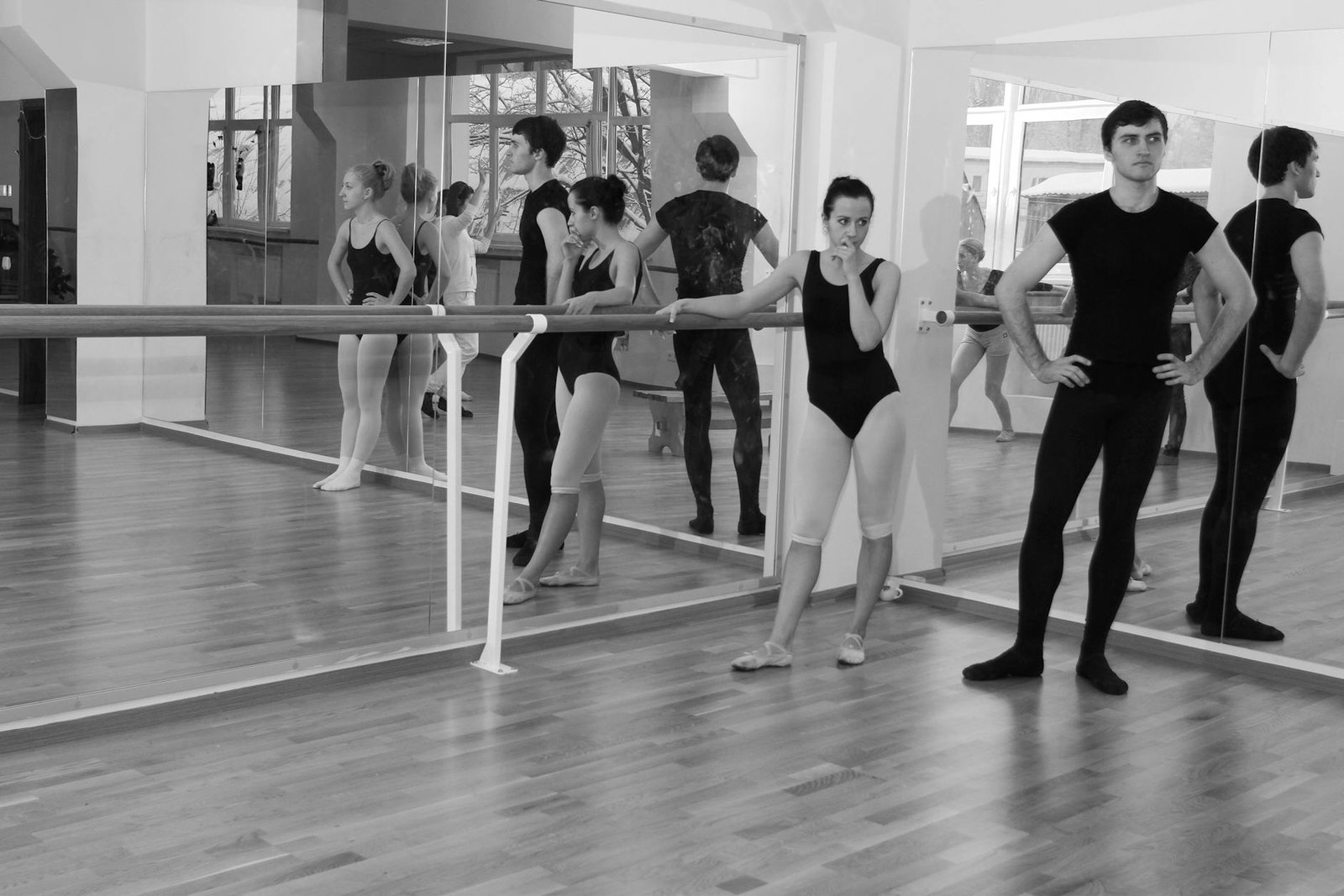
A dedicated home dance space transforms your practice. No commute, no waiting for studio time, no self-consciousness about drilling that one combination thirty times. Whether you have a spare bedroom or just a cleared corner of your living room, the right equipment makes the difference between frustrated practice and focused progress.
This guide breaks down everything worth buying for a home dance setup — starting with what you actually need and ending with what’s nice to have once you’re serious.
The Non-Negotiables: What Every Home Dancer Needs
1. A Proper Dance Floor Surface
This is the most important investment and the one people most often skip. Regular hardwood or laminate flooring is too slippery for certain moves and too sticky for others. Carpet is a twisted ankle waiting to happen. You need a dance-specific surface.
Marley Vinyl Dance Floor (Best Option)
Marley is the industry-standard vinyl flooring used in professional dance studios worldwide. It provides the exact right amount of grip for turns, jumps, and footwork across ballet, jazz, contemporary, and hip-hop.
- Portable Marley Roll (~$150–$300 for a 4’x8′ section): Rolls out on top of any existing floor, can be taped down and rolled back up. Ideal for renters or those who share the space.
- Full Room Installation (~$400–$800 for a 10’x10′ space): Permanent or semi-permanent installation using Marley tiles or sheet vinyl. Best for dedicated rooms.
Recommended brands: Rosco Adagio, Stagestep, and American Floor. All three are used in professional studios.
Budget Alternative: Foam/EVA Interlocking Tiles
For ~$60–$100, you can cover a 10’x10′ area with interlocking foam tiles. They’re not ideal for turns (the texture grabs) but they cushion jumps well and protect your joints if you’re doing floor work. Better than nothing but not a long-term solution for serious training.
2. A Ballet Barre
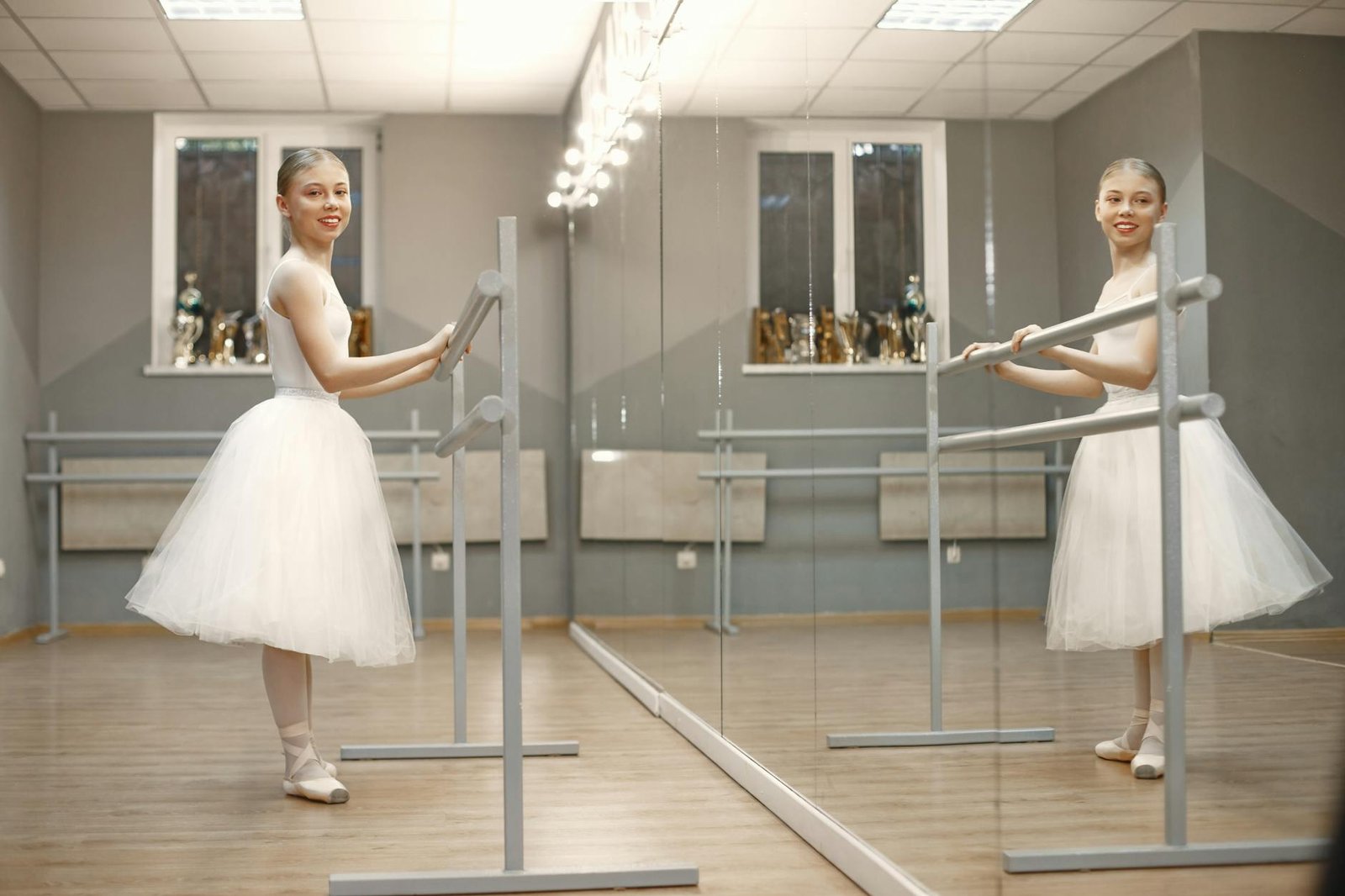
Even if you’re not a ballet dancer, a barre is useful for balance work, stretching, and conditioning exercises. It’s the most universally useful piece of dance equipment after the floor.
Freestanding Portable Ballet Barre (~$60–$150)
The practical choice for most home setups. A freestanding barre clamps together, adjusts in height, and can be folded and stored when not in use. It won’t feel as solid as a wall-mounted barre, but it does the job for practice.
Top picks:
- Vita Vibe Freestanding Barre (~$120): The best balance of price and stability. Aluminum construction, height-adjustable, holds steady during relevés and stretching.
- ProSource Fit Adjustable Barre (~$65): Good budget option. Slightly less stable but solid for lighter use.
Wall-Mounted Ballet Barre (~$40–$100 + installation)
More stable and professional-feeling than freestanding options. Requires drilling into a stud wall. If you have a dedicated room and can install it, this is the better long-term choice.
3. A Full-Length Mirror
You cannot develop good technique without being able to see yourself. This isn’t vanity — it’s a feedback loop that every teacher uses, and self-correcting at home requires it.
Options by Budget:
- IKEA HOVET full-length mirror (~$180): 77″ tall, simple frame, can be wall-mounted or leaned. A realistic option for most home setups.
- Acrylic Safety Mirrors (~$100–$200 per panel): Lightweight, shatter-proof panels designed for dance studios. Can be tiled together to cover a whole wall. Best long-term investment for a dedicated space.
- Basic door mirror (~$20–$40): Not ideal — too small to see your full body — but useful if budget is very tight
The Next Level: Upgrades That Make a Real Difference
Portable Dance Floor Subfloor (Spring Floor)
If you’re doing significant jumping or pointe work, your joints will thank you for a sprung or cushioned subfloor layer under your Marley. Companies like Rosco and Stagestep sell portable spring floor systems for $500–$1,500 that go between your Marley and the base floor. This isn’t necessary for beginners, but if you’re doing ballet or jump-heavy training long-term, it’s a meaningful investment in your joint health.
Sound System
Dancing to music from your phone speaker is technically possible but it kills the atmosphere and makes musicality work harder than it needs to be. A decent Bluetooth speaker in the $80–$150 range (JBL Charge 5, Ultimate Ears Wonderboom) makes the experience significantly better.
Resistance Bands and Small Props
A set of resistance bands ($15–$30) is genuinely useful for dance conditioning — ankle strengthening, hip flexor work, and turnout exercises all use them. Theraband is the industry standard brand used in dance medicine clinics.

What You Don’t Need (Save Your Money)
- Expensive “dance fitness” equipment — most of it is marketing, not useful for actual dance training
- A ballet “box” without a real floor — a barre on carpet or slippery laminate is worse than no barre
- Portable sprung floors from unknown brands — cheap spring floors can actually create inconsistent footing and be more dangerous than a flat Marley
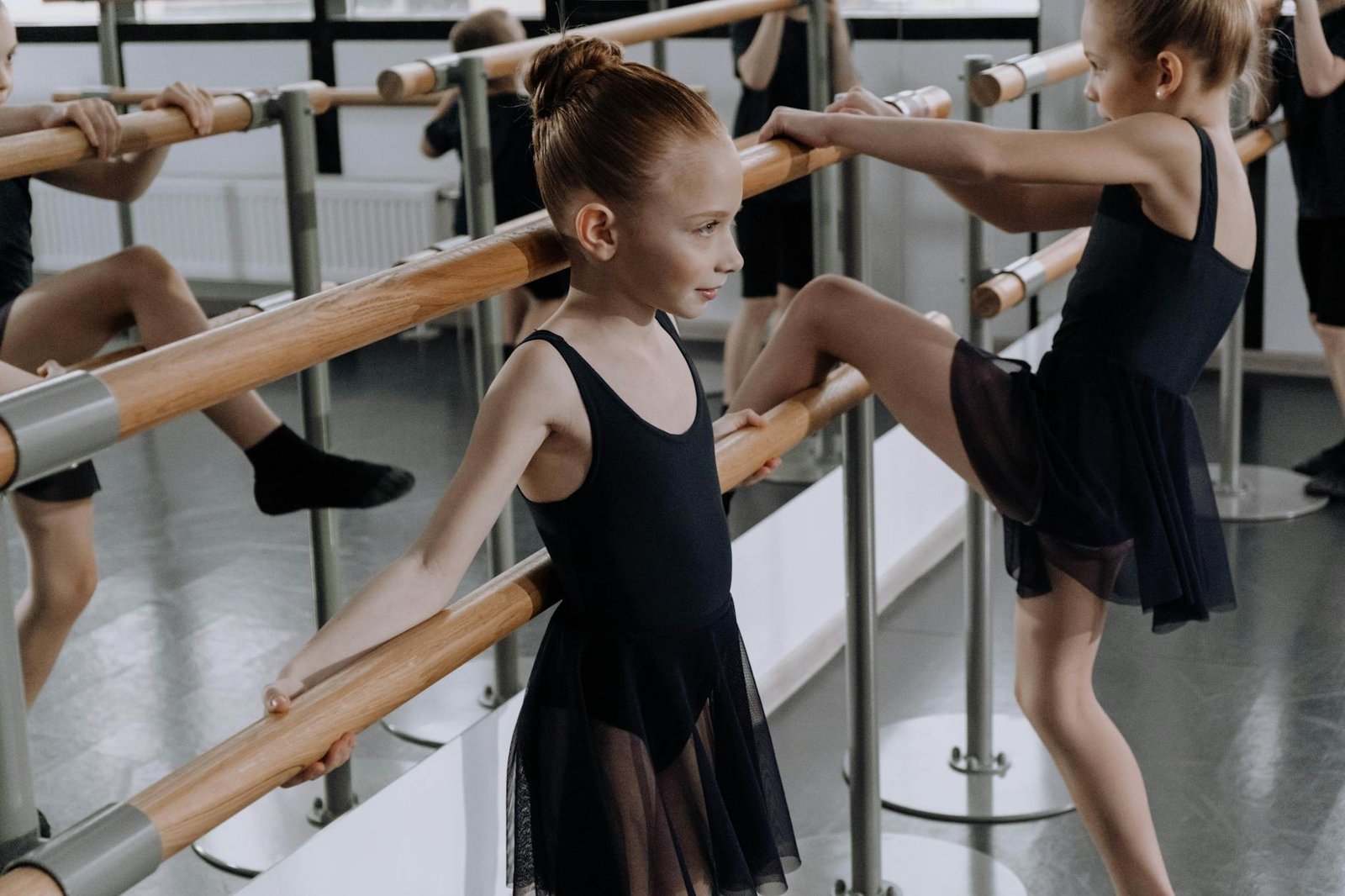
Sample Home Studio Setups by Budget
Budget Setup (~$150–$250)
- ProSource Fit Barre ($65)
- Portable Marley roll, 4’x8′ section ($150)
- Door mirror ($25)
Mid-Range Setup (~$400–$600)
- Vita Vibe Freestanding Barre ($120)
- Rosco Adagio Marley, 6’x12′ ($280)
- IKEA HOVET mirror ($180)
- JBL Bluetooth speaker ($100)
Serious Studio Setup (~$1,000–$1,500)
- Wall-mounted barre with professional installation ($150)
- Full-room Marley flooring, 10’x12′ ($500)
- Acrylic wall mirrors, full panel (~$400)
- Quality sound system ($150)
- Resistance band set + conditioning props ($50)
Start with the floor. If you can only do one thing, buy a portable Marley section. Everything else can wait — but dancing on the wrong surface will hold back your progress and risk your joints from day one.