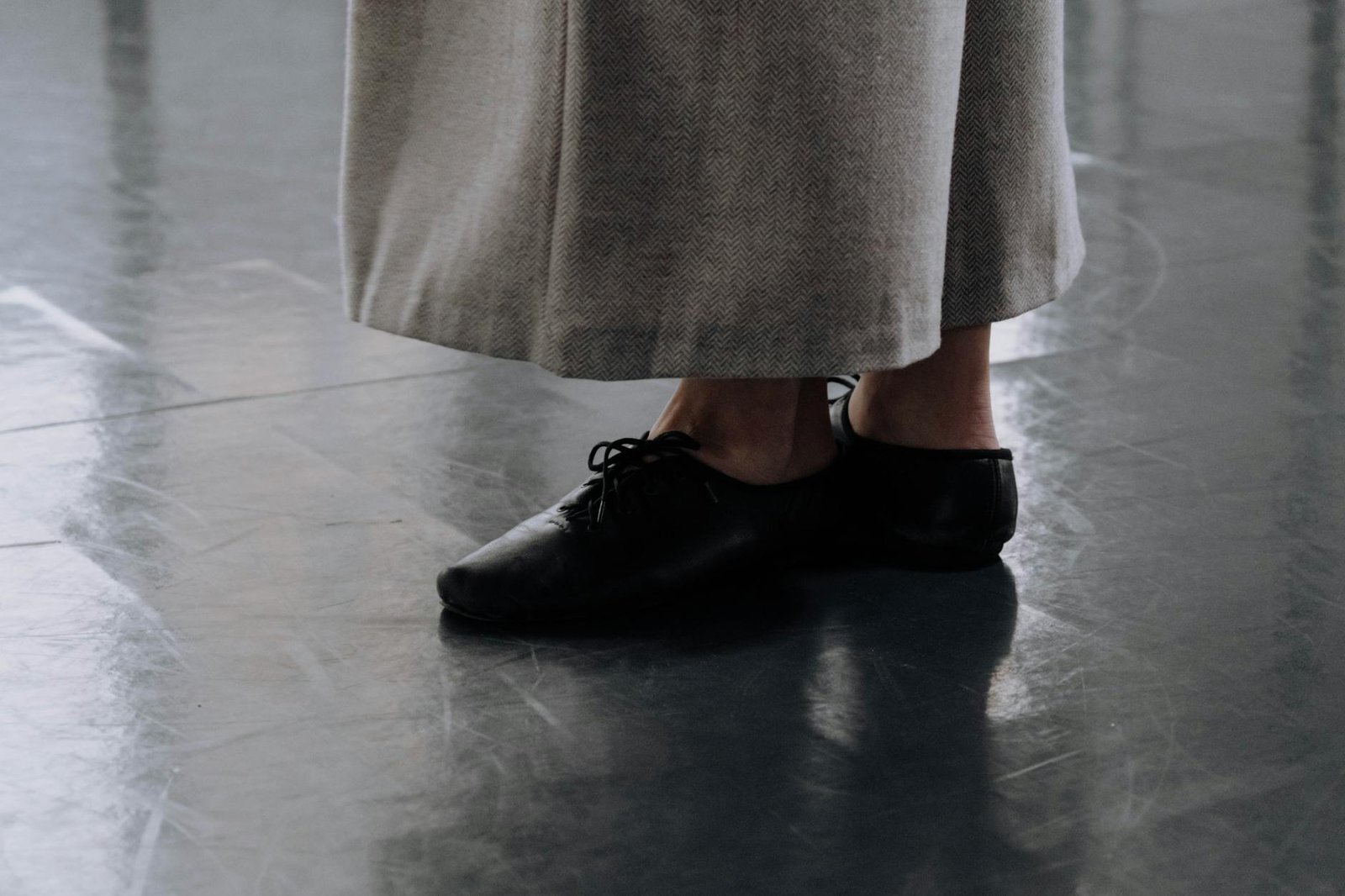
The right dance shoes are not an optional accessory — they’re functional tools that directly affect how you learn, how your technique develops, and whether you sustain injuries. This comprehensive guide covers every dance style‘s footwear requirements, how to shop by foot type, and how to maintain your investment.
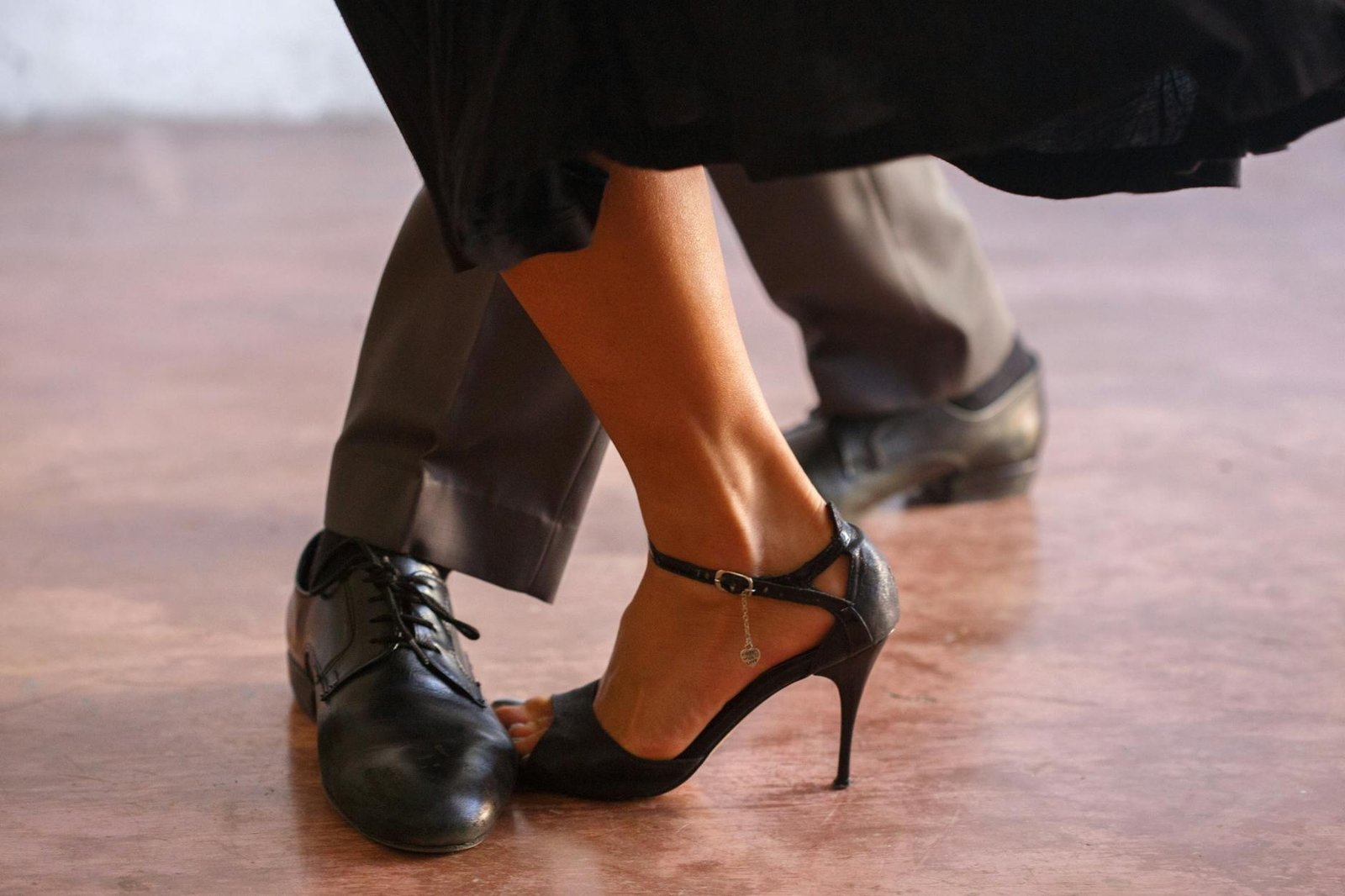
Why Dance Shoes Are Different From Regular Shoes
Dance shoes are engineered for specific movement patterns that regular footwear actively works against:
- Suede soles provide controlled glide on dance floors — enough slip for turns, enough grip for footwork
- Flexible construction allows the full arch to articulate, point, and flex in ways rigid soles prevent
- Precise fit enables the technique signals (feeling the floor, precise weight placement) that technique development requires
- Style-specific construction supports the particular demands of each dance form
Ballet Shoes
Canvas vs Leather
Canvas: lighter, more breathable, machine washable, shows the arch line clearly. Leather: more durable, molds to the foot over time, better structure for beginners. Most teachers recommend leather full-sole for beginners, canvas split-sole for advancing students.
Split Sole vs Full Sole
Full sole: more resistance, better for building foot strength, recommended for beginners. Split sole: more flexible, dramatic arch line, better for established technique.
Top Picks
- Beginners: Bloch Dansoft S0205L (leather, full sole) ~$30
- Advancing students: Bloch Performa (canvas, split sole) ~$22
- Wide feet: Capezio Juliet 2037W ~$25
Tap Shoes
Tap shoes need a hard, resonant sole that transmits the tap sound clearly. The quality of the tap itself (aluminum vs steel, adjustability) affects the sound significantly.
- Best adult beginner: Capezio K360 Oxford (~$65)
- Best budget: Bloch Respect (~$45)
- Best for kids: Capezio Jr. Tyette (~$35)
Jazz Shoes
Jazz shoes combine the suede sole of ballet footwear with the look of a sneaker or Oxford shoe. The split sole allows full foot articulation for jazz, musical theatre, and hip-hop technique work.
- Best overall: Capezio DS11 Dansneaker (~$55)
- Best classic: Capezio Rockit Oxford (~$60)
Ballroom and Latin Dance Shoes
Ballroom shoes are designed by style: Standard/Smooth shoes have lower, more stable flared heels; Latin shoes have higher stiletto-style heels for hip movement and footwork. Women’s Latin heels range from 1.5–3 inches; men’s Latin shoes have a modest 1-inch heel.
- Women’s beginner Latin: Very Fine VFLS Tango (~$45)
- Women’s standard: Freed of London Practice (~$90)
- Mid-range competition: Supadance 1016 (~$140)
Hip-Hop Dance Shoes
Hip-hop uses street sneakers rather than purpose-built dance shoes. The key: flat sole, multi-directional support, and a court shoe profile. Not running shoes.
- Best purpose-built: Capezio DS11 Dansneaker (~$55)
- Best classic sneaker: Nike Air Force 1 Low (~$110)
- Best for breaking: Adidas Forum Low (~$100)
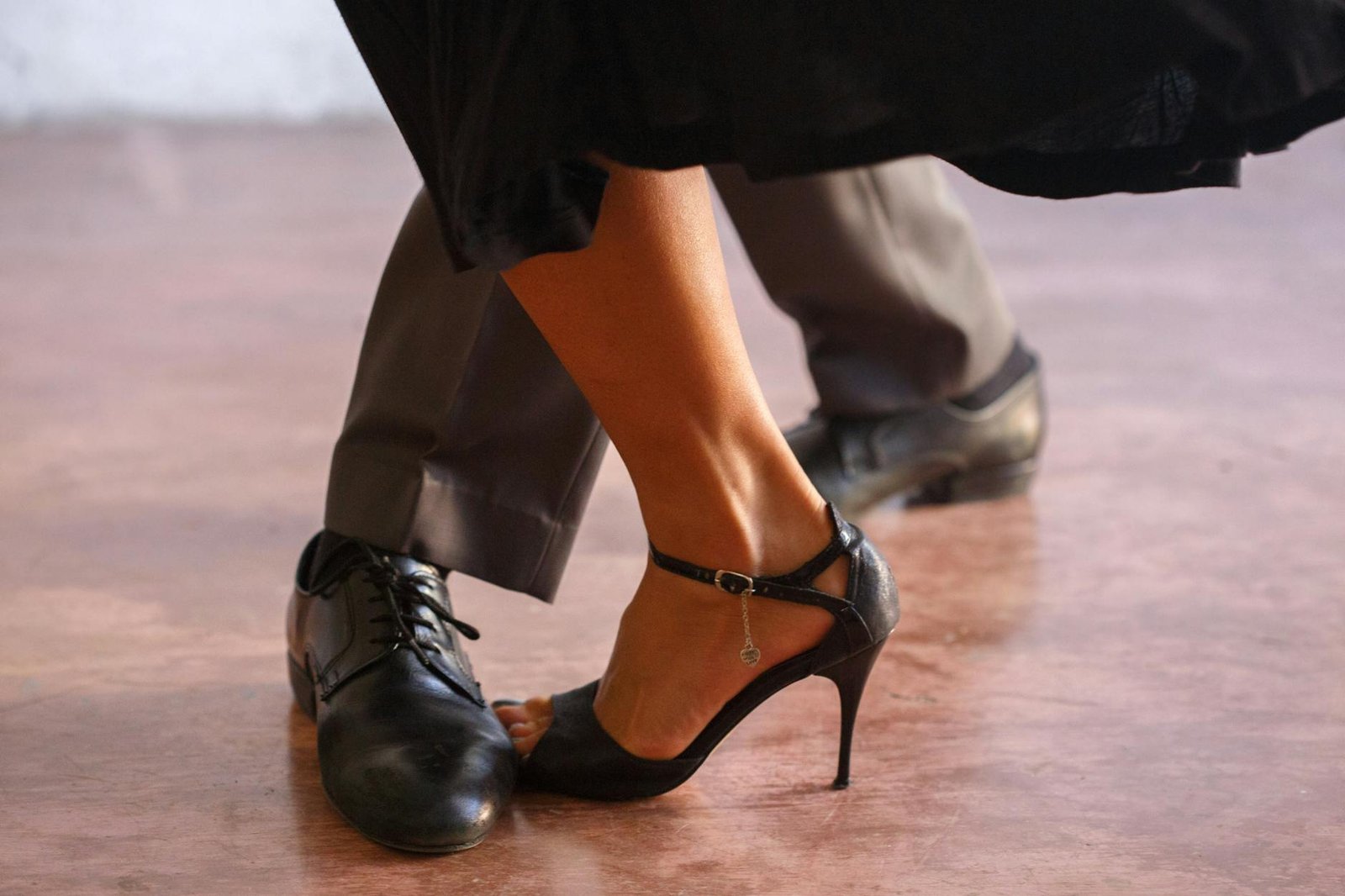
Contemporary / Modern Dance Footwear
Contemporary dance is typically done barefoot or in foot thongs — half-sole covers that protect the ball of the foot during turns while leaving the heel free for floor work.
- Best foot thong: Sansha Pro 1C (~$18)
Pointe Shoes
Require professional fitting. Never purchase online without a specialist fitting. Major brands include Bloch European Balance, Capezio Aria, and Gaynor Minden. Price range: $70–$130. Must be fitted by a certified specialist based on foot shape, box width, and shank strength.
Choosing by Foot Type
| Foot Type | Best Features | Brands to Consider |
|---|---|---|
| Wide feet | W-width designation, canvas | Capezio (W widths), Very Fine (W widths) |
| Narrow feet | N-width, leather that molds | Sansha, Bloch narrow widths |
| High arch | Thin upper, slim profile | Sansha Pro 1C, Capezio Aria |
| Flat feet | Full sole for support, arch insert compatibility | Bloch Dansoft + arch cookie |
| Standard | Any standard width option | Bloch Dansoft, Capezio standard |
Sizing Guide for Dance Shoes
- Ballet shoes: Order a half size down from street shoes (they should fit snugly)
- Tap shoes: Order true to street shoe size (structured heel requires accurate fit)
- Jazz shoes: Order a half size down
- Ballroom shoes: Order true size and allow for slight stretch in the upper
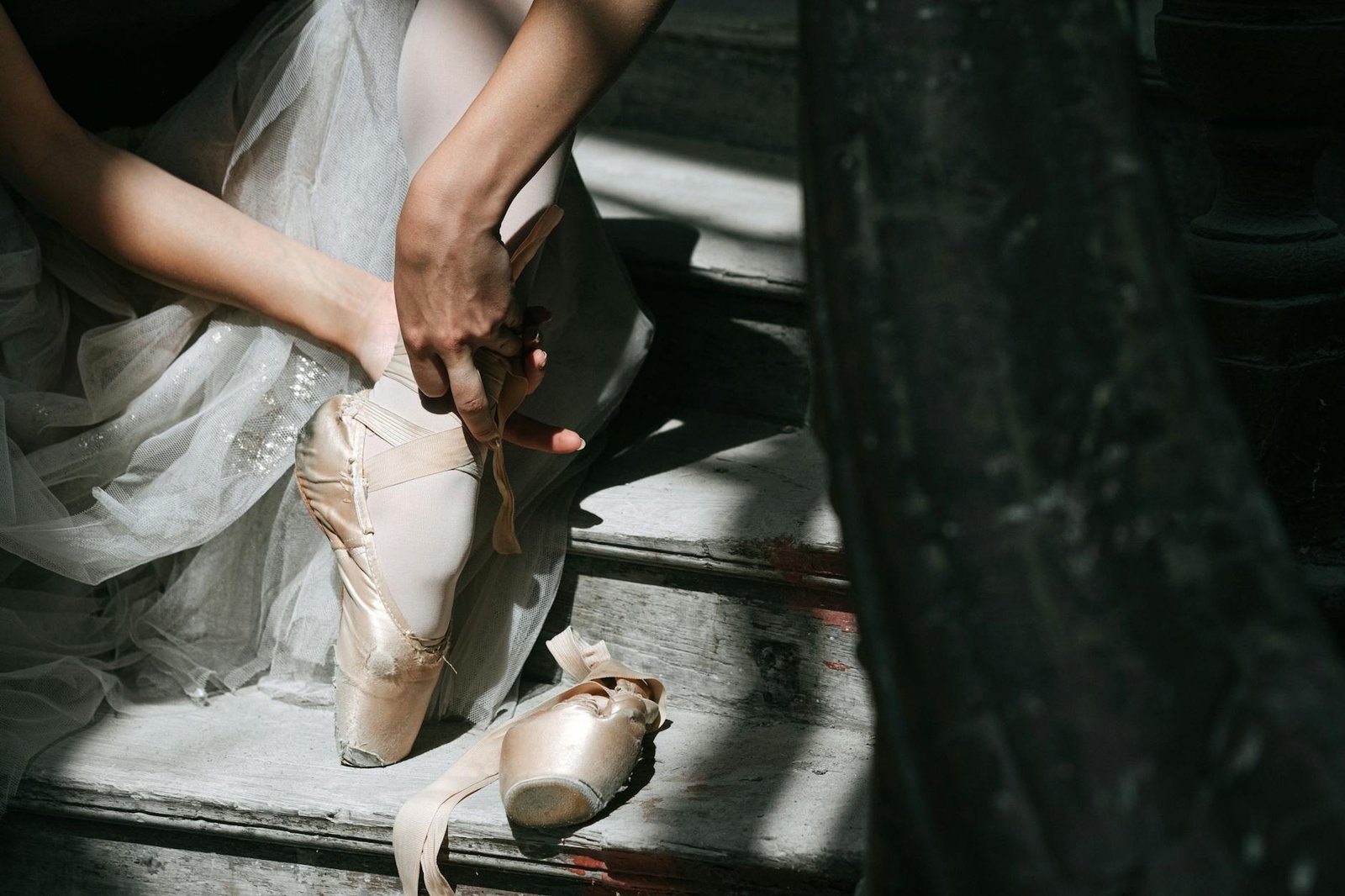
Care Guide by Material
- Canvas: Machine wash cold, gentle cycle, air dry. Brush suede sole with wire brush monthly.
- Leather: Wipe with damp cloth after each class. Condition monthly. Never submerge.
- Satin: Spot clean only. Store in a dust bag.
- All suede soles: Brush with wire suede brush every 2–3 classes. Never wet the suede sole.
The core rule: Wear dance shoes only for dancing. One walk on concrete or gravel ruins a suede sole and begins surface breakdown on any dance shoe. Keep street shoes and dance shoes completely separate.