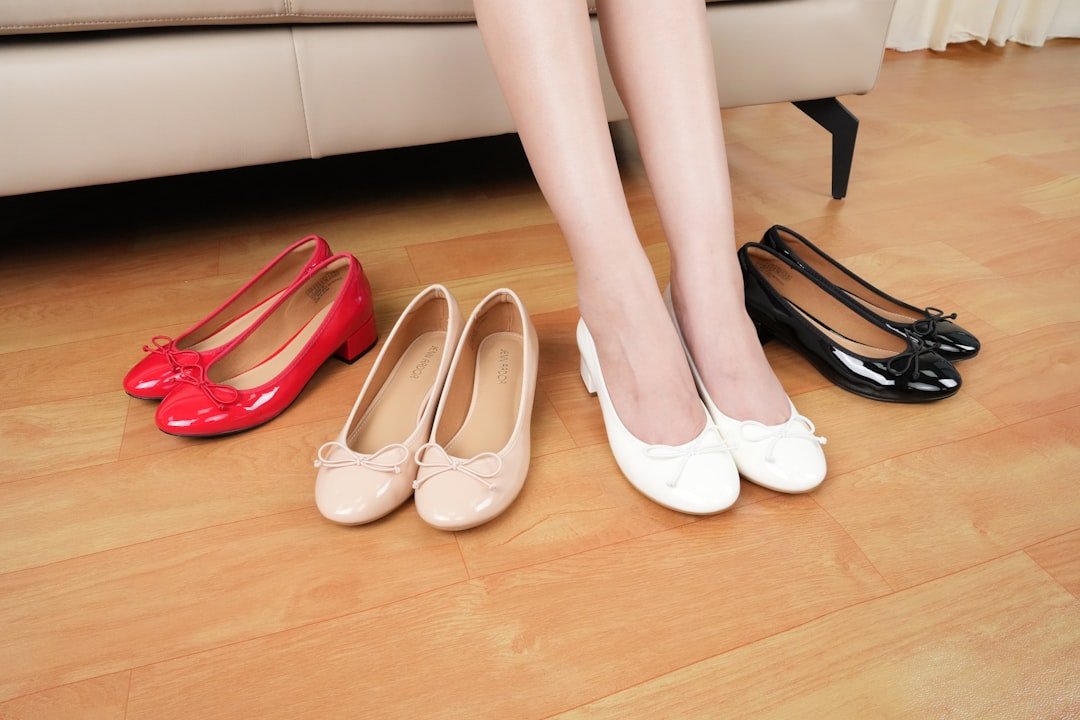
Flat feet — medically called pes planus — affect roughly 20–30% of the population, and many excellent dancers have them. The foot’s lack of a natural arch doesn’t disqualify you from dance, but it does require attention to shoe choice, conditioning, and technique to avoid overuse injuries.
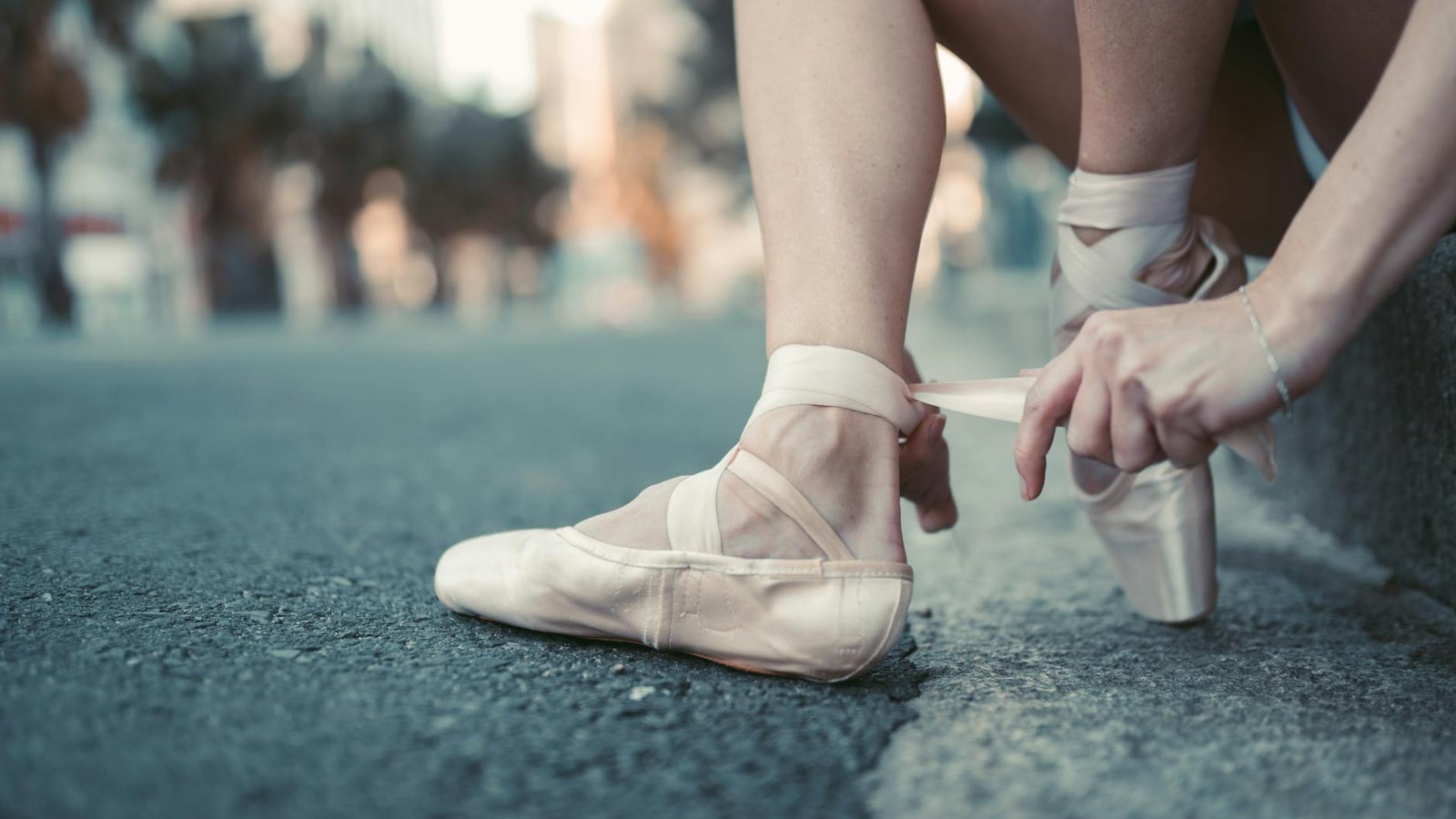
How Flat Feet Affect Dance
The arch acts as a spring that absorbs shock during jumping and cushions the impact of footwork. Without it, force travels more directly into the ankle, shin, and knee. Flat-footed dancers are at higher risk of:
- Shin splints (medial tibial stress syndrome)
- Plantar fasciitis
- Ankle pronation (rolling inward) that affects turnout and alignment
- Knee tracking issues from altered lower limb alignment
Proper shoes and conditioning largely manage these risks.
Best Ballet Shoes for Flat Feet
Full Sole with Arch Cookie
A full-sole ballet shoe paired with an arch support insert (called an “arch cookie” in dance) is the standard recommendation for flat-footed ballet students. The arch cookie sits inside the shoe under the midfoot and provides passive support during barre work and center combinations.
Look for: Bloch Dansoft full sole + Pillows for Pointes Ouch Pouch Junior (arch support) or a custom orthotic shaped to fit ballet flats.
Bloch Sonata Full Sole
The Sonata has slightly more arch structure built into the sole than most ballet flats — not a full arch support, but more than the standard flat construction. A good option for mild-to-moderate flat feet.
Price: ~$35–$45
Best Jazz and Hip-Hop Shoes for Flat Feet
Jazz shoes typically offer more arch support than ballet flats because the sole is more structured. The Capezio DS11 Dansneaker has a solid split sole with more arch support than most jazz shoes and is an excellent choice for flat-footed jazz dancers.
For hip-hop, cross-training sneakers with built-in arch support (New Balance Fresh Foam, Brooks Adrenaline) work better than court shoes for flat-footed dancers.
Arch Conditioning Exercises for Flat-Footed Dancers
Shoe support alone isn’t enough — building the arch muscles reduces long-term injury risk significantly:
- Towel scrunches: Spread a small towel on the floor and scrunch it with your toes for 30 seconds, 3 sets per foot daily
- Marble pickups: Pick up marbles with your toes and place them in a cup — builds intrinsic foot muscle strength
- Calf raises on a step: Lower heel below step level, then rise to full relevé — strengthens the muscles that support the arch indirectly
- Short foot exercise: While seated, try to “shorten” the foot by pulling the ball of the foot toward the heel without curling the toes. Activates deep arch muscles
When to Consider Custom Orthotics
If you’re experiencing consistent pain or injury despite proper shoes and conditioning, a sports podiatrist or physical therapist specializing in dance medicine can fit custom orthotics shaped to fit inside dance shoes. This is more effective than over-the-counter inserts and worth the investment for serious dancers.
Key point: Flat feet don’t end dance careers — Mikhail Baryshnikov reportedly had flat feet. The right combination of shoes, arch support inserts, and conditioning exercises allows flat-footed dancers to train at high levels with minimal injury risk.