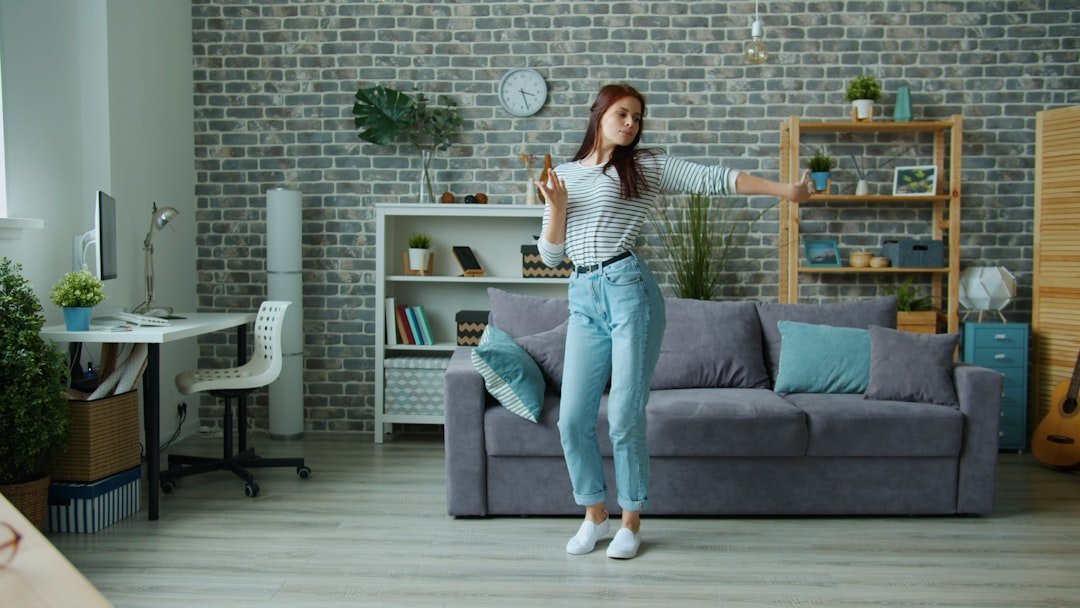
Hip-hop is one of the most accessible dance styles to begin at home — no barre, no special floor, and a wealth of free content online. But “accessible” doesn’t mean the same as “easy to learn correctly.” Without structure, most beginners pick up habits that limit them later.
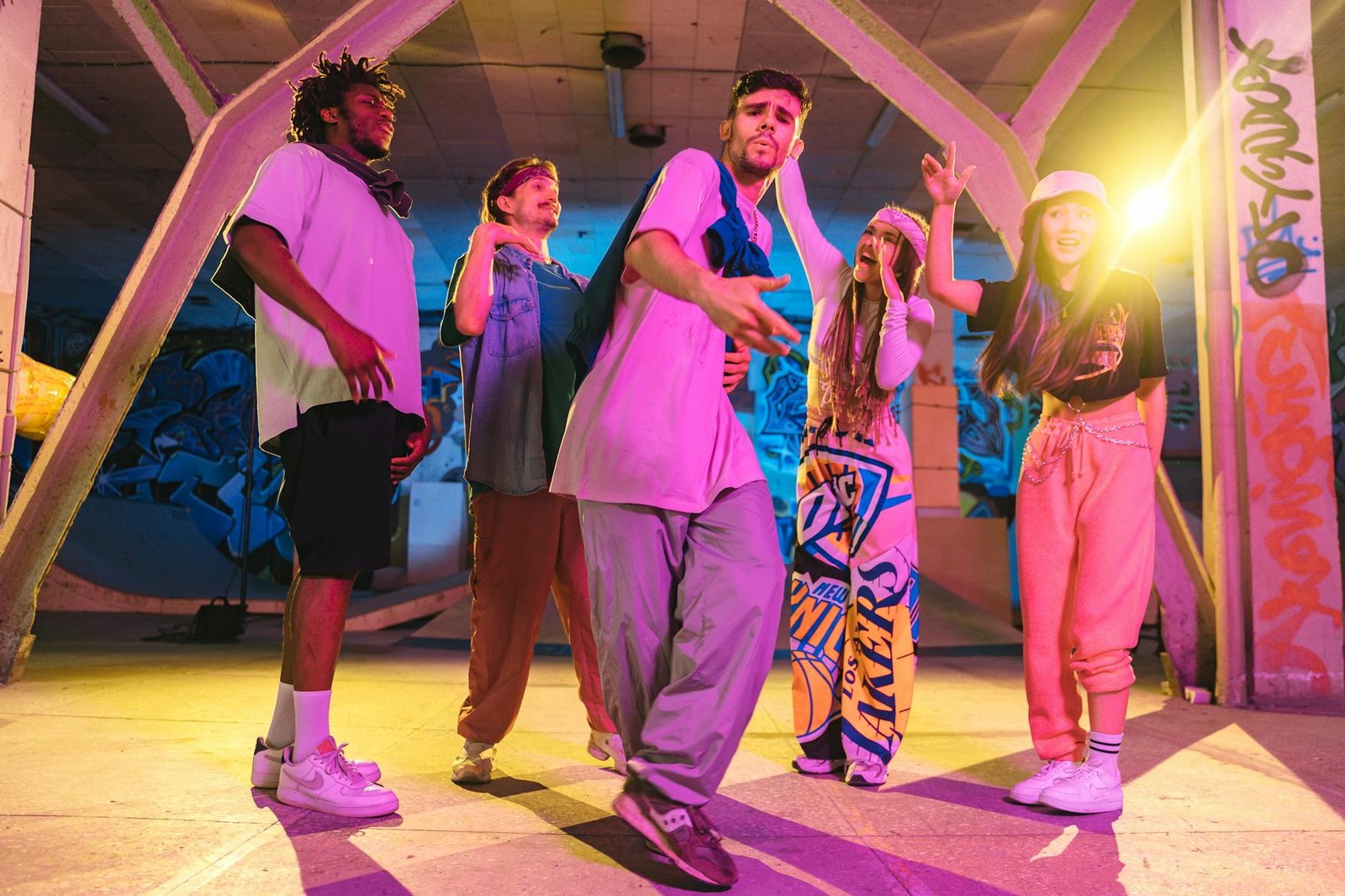
Step 1: Learn the Foundation Styles First
Hip-hop isn’t one style — it’s a family of styles. Before learning choreography routines, understand the roots:
- Popping: Isolating muscle groups to create the appearance of “popping” through the body. The foundation for most robotic and animation-style moves.
- Locking: Quick, sharp movements that “lock” into freeze positions. Developed by Don Campbell in the 1970s.
- Breaking (B-boying/B-girling): The original hip-hop dance — footwork, power moves, freezes, and top rock.
- New style (street jazz hip-hop): The style most commonly seen in music videos and competition shows. Combines hip-hop movement with jazz technique.
Pick one to start. Most beginners do best starting with new style or popping because the fundamentals are most clearly defined and the resources are best.
Step 2: Build a Practice Space
- At least 6 feet of clearance in front of you and 4 feet to each side
- A surface that isn’t plush carpet (you can’t pivot on carpet)
- A way to see yourself — a mirror, or record yourself on your phone
- A screen you can pause and rewind (not just watch)
Step 3: Use the Right Resources
Free (YouTube)
- 1MILLION Dance Studio (Korea): The world’s most-watched hip-hop dance channel. Korean choreographers breaking down full routines step by step, often with slow-motion sections.
- WilldaBeast Adams: One of the most respected hip-hop choreographers in the US. His tutorial content is challenging but builds real technique.
- GH5 Dance Company: Great for new-style hip-hop fundamentals broken down slowly.
Paid (Worth It)
- Steezy Studio ($20/month): Structured beginner-to-advanced curriculum with slow-motion playback. The best investment for serious home learners.
- CLI Studios ($30/month): More diverse style range if you want to expand beyond hip-hop.
Step 4: Learn This Order of Fundamentals
- The bounce: A slight, continuous knee bend and release. Every hip-hop style lives inside the bounce.
- Chest isolations: Moving the chest forward, back, and side without moving the shoulders. The basis of most upper body work.
- The groove: Combine bounce and chest movement into a continuous, musical flow. This is what separates dancers from people who know moves.
- The two-step: The most universal social/hip-hop footwork pattern. Step-touch on the beat.
- The running man: A classic foundational footwork pattern that builds coordination and rhythm.
- Learn 2–3 full routines slowly: Applying fundamentals to choreography is where learning accelerates.
The Most Common Beginner Mistake
Watching instead of practicing. Hip-hop tutorials on YouTube are extremely watchable — you can spend an hour watching amazing dancers without practicing for a single minute. Set a rule: for every 5 minutes you watch, practice for 20.
Also: record yourself. It’s uncomfortable but your phone camera reveals what your mirror misses. Most beginners are surprised how different their dancing looks on video versus how it felt during the routine.
How Long Until You Look Good?
With 30-minute practice sessions 4–5 times per week:
- 2–4 weeks: Basic groove, two-step, and one simple routine
- 2–3 months: Foundation moves, 3–4 routines learned, beginning to develop personal style
- 6–12 months: Noticeable skill level — you’ll look like you can dance to most people
Progress plateaus are normal. If you feel stuck, take one in-person workshop with a live teacher. Even a single session of real-time feedback typically unblocks months of stagnation.