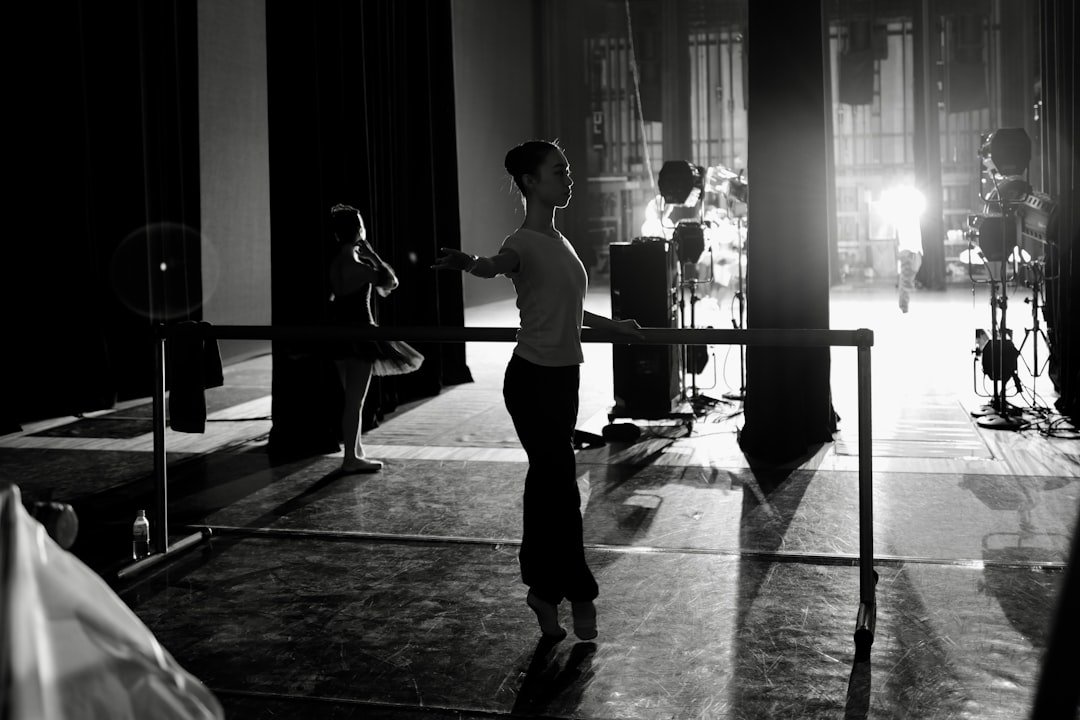
Every combination in ballet — from the simplest barre exercise to the most complex grand allegro — begins and ends in one of the five positions. They’re not just a warm-up formality. Correct positions teach the muscular engagement and alignment that makes all ballet technique possible.
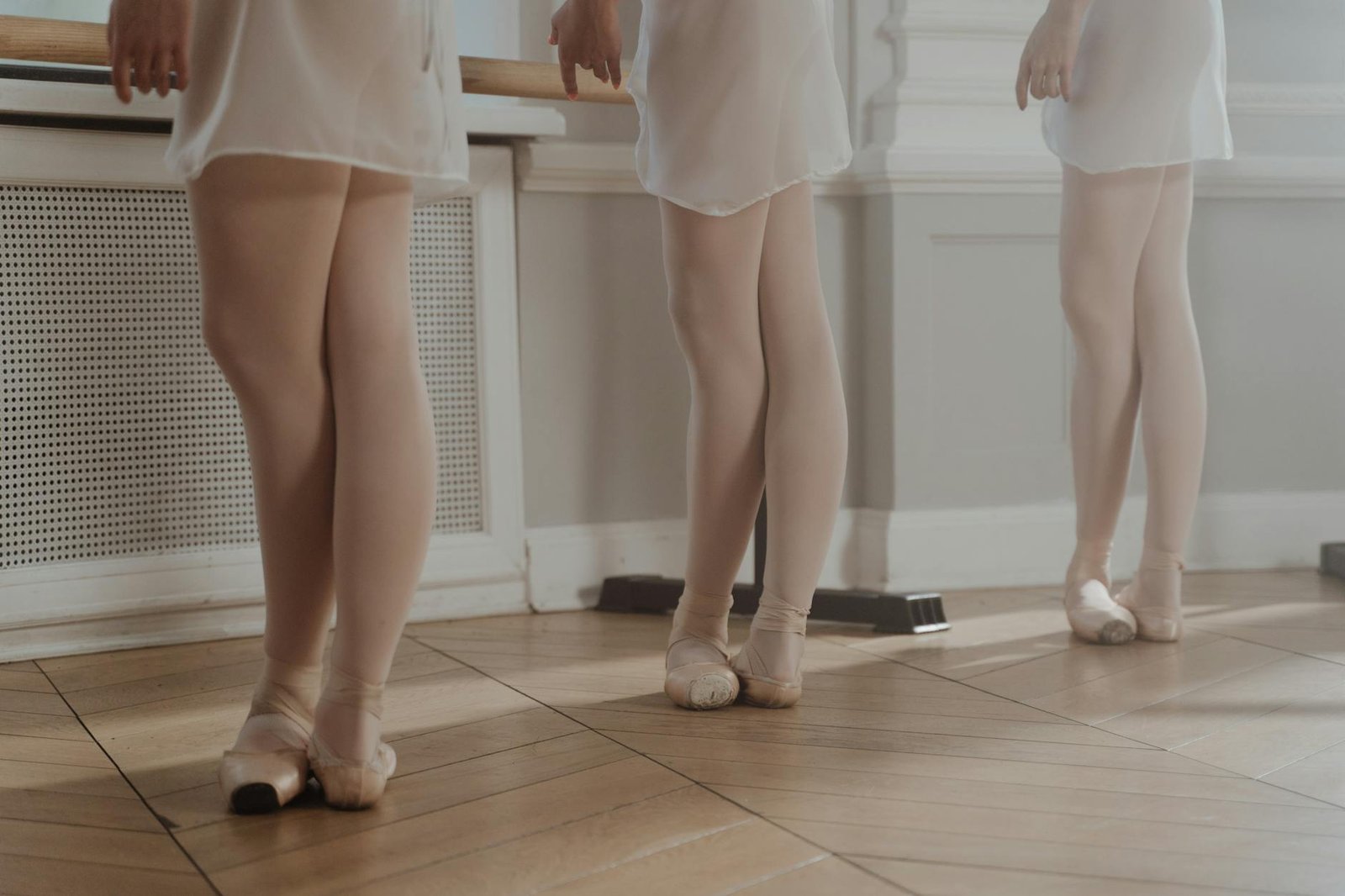
Before You Begin: Understanding Turnout
All five positions require “turnout” — the rotation of the legs outward from the hip joint. For beginners, a common mistake is forcing feet into a wider turnout than the hips can actually support, creating the rotation through the knee or ankle instead. This risks injury and creates poor alignment.
The rule: Your turnout should come entirely from the hip socket. Stand naturally, then rotate outward from the hip as far as you can without your knee twisting or your arch collapsing. That is your working turnout — not the 180° you see in professional dancers after years of training.
First Position (1st)
Feet: Heels together, toes turned outward to form a V-shape (or as close as your turnout allows). Weight evenly distributed across the full foot.
Arms: Both arms form a rounded circle in front of the body at about hip height. Elbows are soft and rounded, not dropped or lifted. This arm position is called en bas (low) or bras bas.
Used for: Starting position for most barre exercises, foundation for pliés, relevés, and simple jumps.
Common mistake: Heels gripping together so tightly that the weight rolls to the outside of the foot. Keep the weight centered.
Second Position (2nd)
Feet: Feet turned out with approximately one foot of space between the heels (roughly the length of one of your own feet).
Arms: Both arms extend to the sides at shoulder height, slightly in front of the body (not directly to the side), with elbows and wrists gently rounded downward.
Used for: Grand plié, second position tendus, and as an “open” passing position in combinations.
Common mistake: Arms straight out like a T, or shoulders lifting toward the ears. Keep the shoulder blades down and arms softly curved.
Third Position (3rd)
Feet: One foot placed in front of the other, with the heel of the front foot touching the middle of the back foot. Both feet turned out.
Arms: One arm curved in front at mid-height (en avant), one arm out to the side in second position.
Used for: Less common in contemporary training, but used as a stepping stone between second and fifth. Appears in beginning level exercises.
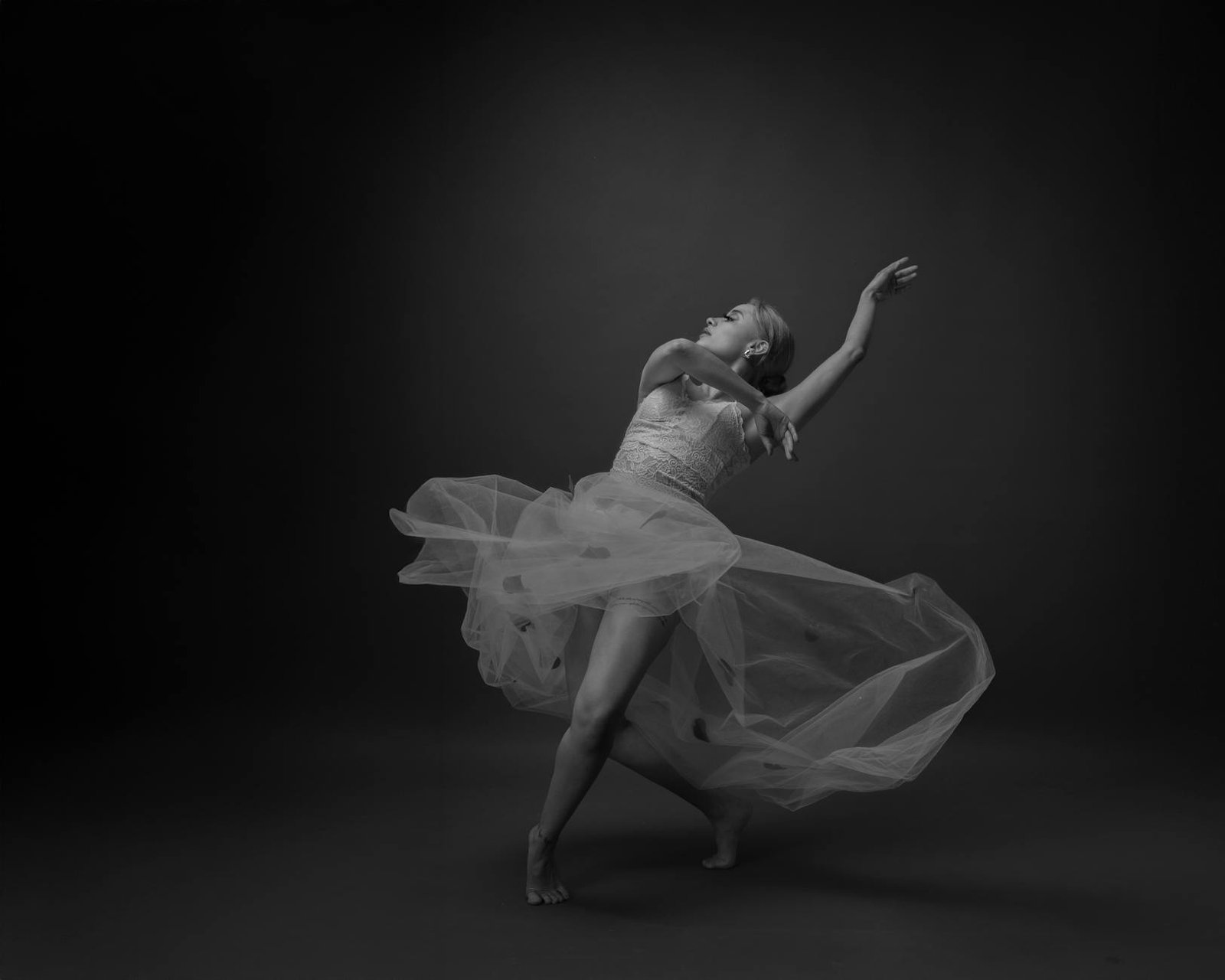
Fourth Position (4th)
Feet: One foot about 12 inches in front of the other, with both feet turned out. The heel of the front foot is roughly aligned with the toes of the back foot (open fourth) or directly in front (closed fourth).
Arms: One arm curved in front (en avant) at chest height, one arm in second position. Or both arms overhead in fifth position, or various combinations.
Used for: Preparation position for pirouettes, tendu exercises, pas de bourrée landings. One of the most used positions in practice.
Common mistake: Hips squaring forward while the feet try to maintain turnout, causing one hip to push out. Keep both hips level and square to the front.
Fifth Position (5th)
Feet: Feet placed directly in front of each other, heel of front foot touching the toe joint of the back foot, both turned out fully.
Arms: Both arms curved overhead in a rounded oval shape, slightly in front of the head so you can see both hands in your peripheral vision.
Used for: Starting and ending position for almost all classical ballet combinations. The most formally demanding position because it requires significant turnout.
Common mistake: For beginners, forcing fifth position before the turnout is ready causes the knees to twist forward. It’s better to work in a modified fifth (where the front heel meets roughly the middle of the back foot) than to force full fifth incorrectly.
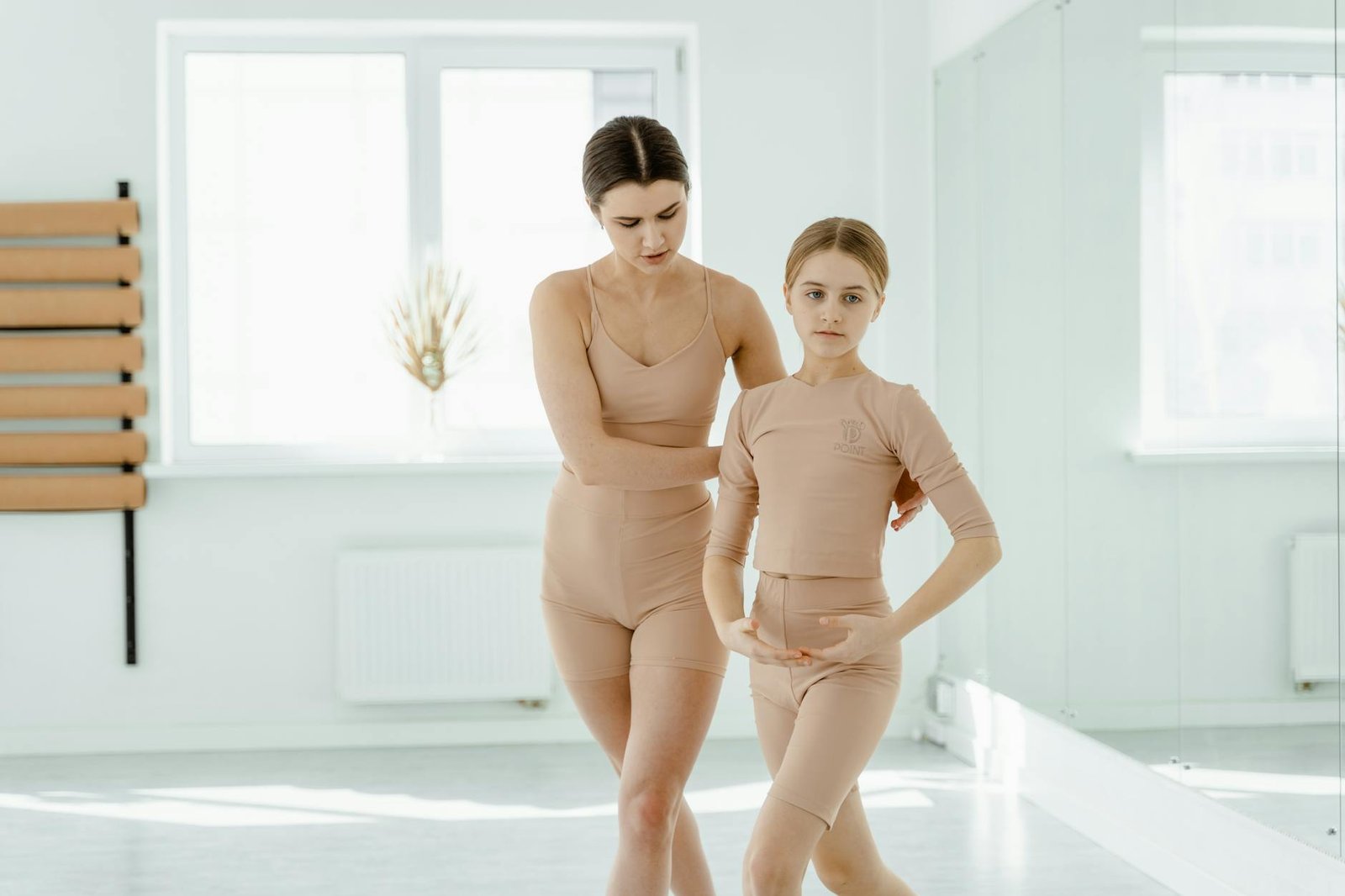
The Arm Positions: A Quick Reference
- Bras bas / en bas: Both arms low, curved in front
- First (en avant): Both arms curved forward at mid-height
- Second: Both arms extended to the sides
- Third: One arm first, one arm second
- Fourth: One arm first, one arm fifth (overhead)
- Fifth (en haut): Both arms curved overhead
Practice suggestion: Spend 5 minutes at the start of every practice slowly moving through all five foot positions at the barre. Add the corresponding arm positions when the feet are secure. Correct positions practiced slowly are more valuable than combinations practiced quickly with sloppy fundamentals.