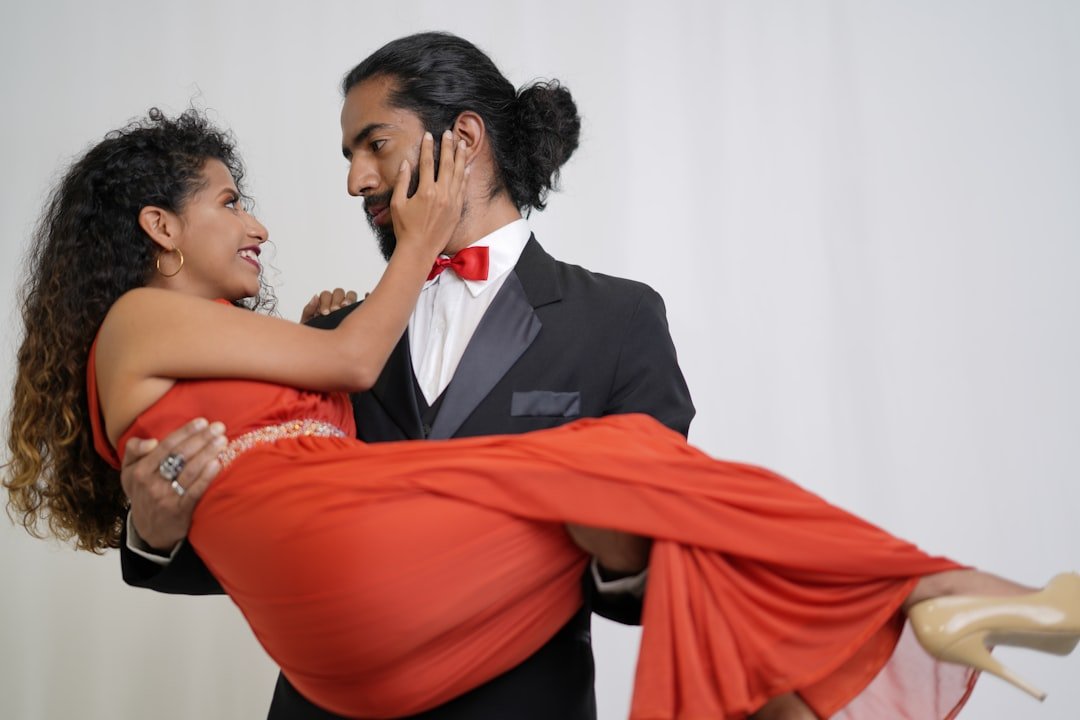
If you’ve been to a Latin dance event, you’ve probably seen people switch between two distinct styles on the same dance floor — sometimes to the same DJ. Salsa and bachata are often taught together and confused by outsiders, but to dancers they’re as different as tango and waltz.
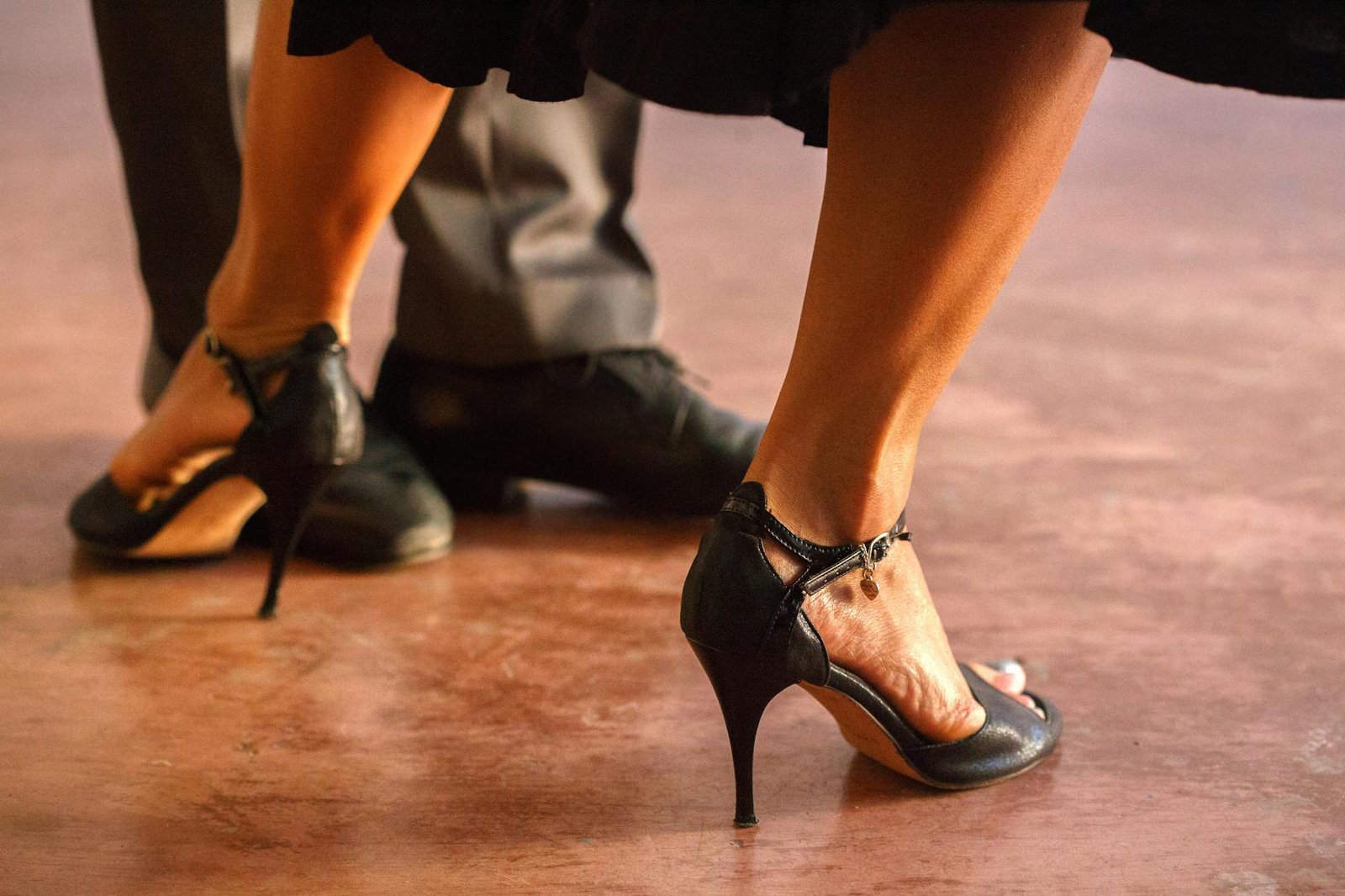
Origins: Where They Come From
Salsa developed in New York City in the 1960s–70s, primarily in Puerto Rican and Cuban immigrant communities. It synthesizes Cuban son, mambo, Puerto Rican bomba, and jazz into a high-energy, improvisational partner dance. The name “salsa” (Spanish for “sauce”) reflects this mix.
Bachata comes from the Dominican Republic, where it was considered “low class” music for much of the 20th century — played in bars and brothels, dismissed by the middle class. It’s only in the last 20–30 years that bachata has gained international recognition and evolved from its country-guitar origins into the urban style popular today.
The Music: How to Tell Them Apart
Salsa music is rhythmically complex, driven by percussion (congas, timbales, bongos, cowbell), piano, brass, and vocals. It’s busy, layered, and fast-paced. The rhythm pattern most dancers count is: 1-2-3, (pause), 5-6-7, (pause) on an 8-count phrase.
Bachata music is simpler and more melodic. Traditional bachata uses guitar, bass, bongos, and maracas, with a clear guitar picking pattern you can hear immediately. Modern bachata (sensual bachata) adds electronic elements. The rhythm is counted in 4: 1-2-3-tap, 5-6-7-tap, with a characteristic hip accent on the “tap.”
Quick test: If you can hear a guitar picking pattern and the music makes you want to sway slowly and romantically, it’s probably bachata. If it’s fast, percussive, and makes you want to move your feet quickly, it’s probably salsa.
The Dance: How They Feel Different
| Feature | Salsa | Bachata |
|---|---|---|
| Tempo | Fast (160–220 BPM) | Slower (104–130 BPM) |
| Hold | Open and closed, lots of turn patterns | Closer hold, more body contact |
| Footwork | Quick side-to-side steps, lots of turns | Side-to-side with hip tap, fewer turns |
| Hip movement | Present but secondary to footwork | Central — the hip accent defines the style |
| Mood | Playful, energetic, flirtatious | Romantic, sensual, emotional |
| Difficulty for beginners | Harder — faster tempo and complex timing | Easier — slower and more intuitive timing |
Which Should You Learn First?
Most dance teachers recommend starting with bachata for one simple reason: the tempo is slower, giving beginners more time to think about their steps, their partner, and their body position. The 1-2-3-tap pattern is more intuitive than salsa’s syncopated timing.
However, if you’re specifically interested in salsa — the faster energy, the specific song selection, or the community — there’s no reason not to start directly with salsa. The technical demands are higher, but beginners who are motivated by the music learn faster.
Different Styles Within Each Dance
Salsa styles:
- Cuban salsa (Casino): circular movement, African influence
- New York salsa (On 2): breaks on the 2nd beat, linear pattern
- LA style salsa (On 1): linear, highly choreographed, common in competitions
Bachata styles:
- Dominican bachata: original style, upright posture, footwork-focused
- Sensual bachata: closer hold, body waves, more partner connection — the most popular international style
- Bachata fusion: blends bachata with contemporary, zouk, or tango elements
Bottom line: Learn both — they’re taught together in most Latin dance schools and complement each other. Start with bachata to build confidence in partner dancing, then add salsa when the hip accent and timing feel natural.