Contemporary dance is one of the most frequently misused terms in dance. It’s used to describe everything from lyrical competition routines to avant-garde performance art to anything that isn’t clearly ballet or hip-hop. Understanding what it actually is changes how you train and what you learn.
What Contemporary Dance Actually Is
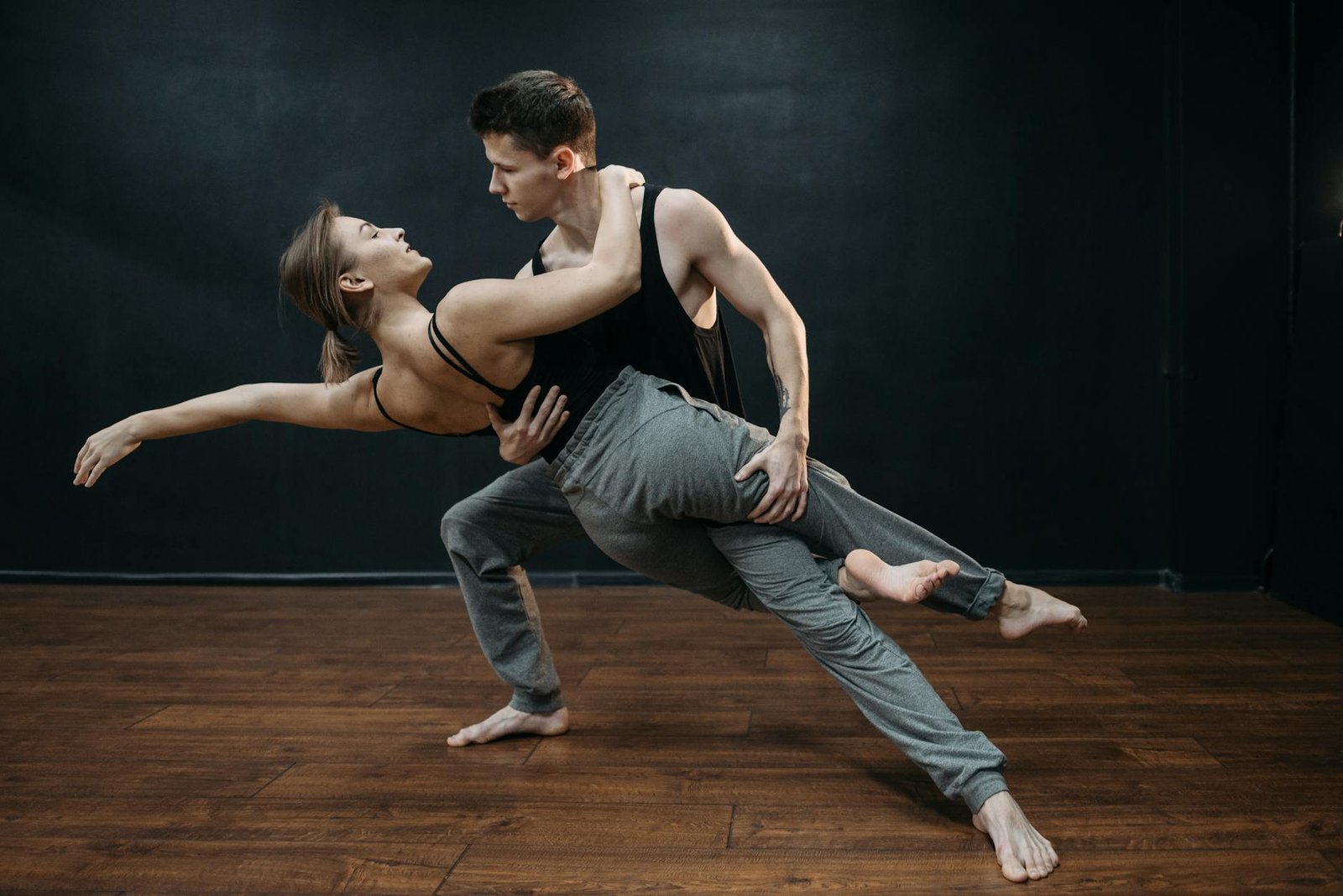
Contemporary dance is a style of concert dance that emerged in the mid-to-late 20th century as a synthesis and evolution of earlier dance forms — primarily modern dance, postmodern dance, and classical ballet. Unlike ballet, it doesn’t follow a fixed codified technique. Unlike hip-hop, it’s rooted in a Western concert performance tradition.
Contemporary dance is characterized by:
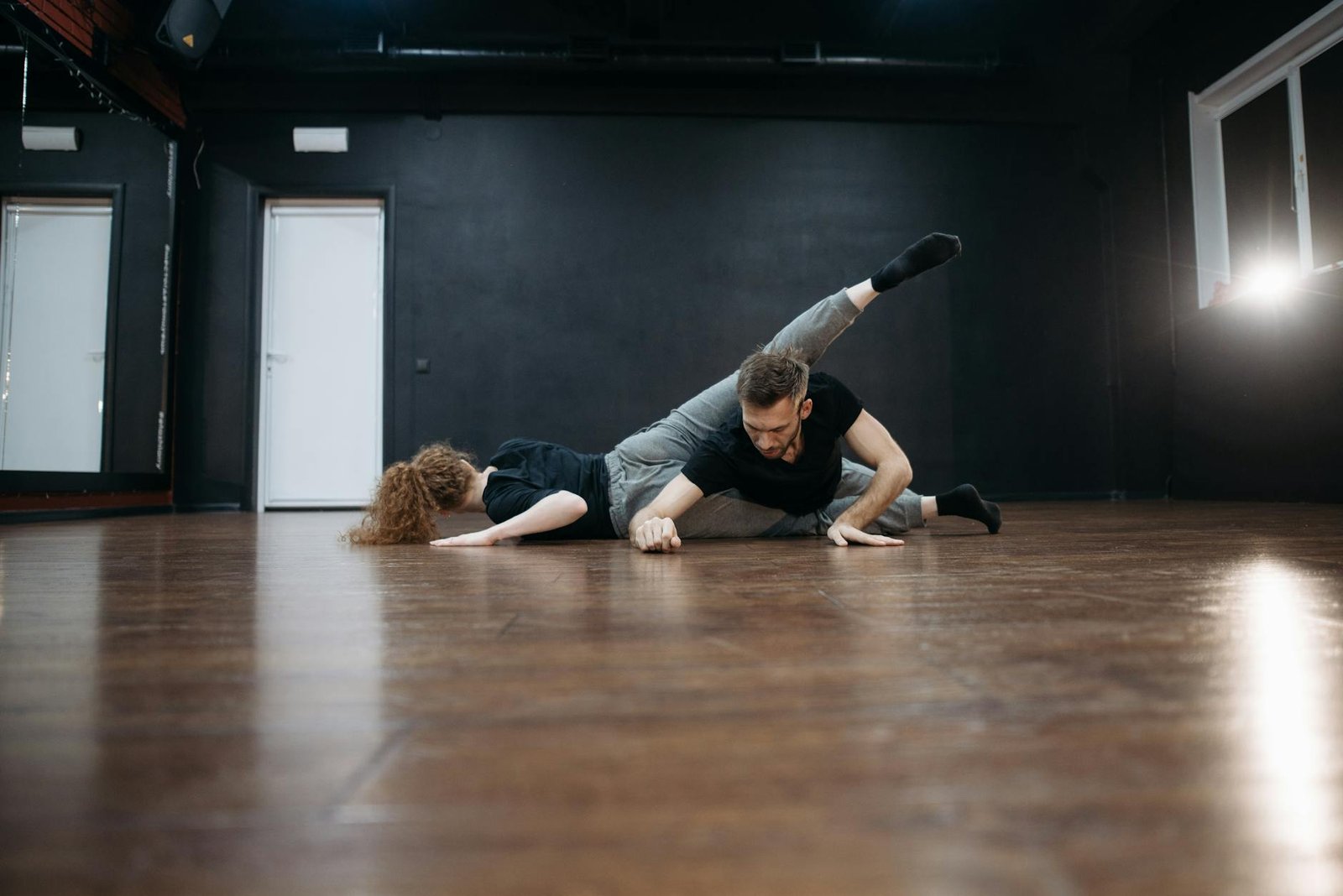
- Use of gravity and the floor: Unlike ballet’s upward aesthetic, contemporary dance embraces falling, rolling, and floor work as central movement vocabulary
- Contract and release: Drawing from Martha Graham’s modern dance technique, the torso contracts and releases rather than maintaining the upright ballet carriage
- Improvisation: Many contemporary classes include structured improvisation as both a teaching tool and an art form
- Pedestrian movement: Ordinary movements (walking, running, sitting) can be dance material
- Collaboration: Contemporary choreography often develops through collaboration with performers rather than being imposed top-down
Contemporary Dance vs Modern Dance: The Difference
This confuses people because the terms overlap historically:
- Modern dance (early 20th century) was a deliberate break from ballet — Isadora Duncan, Martha Graham, Doris Humphrey, José Limón were key figures. It established specific techniques that are now codified and taught.
- Contemporary dance (1960s–present) builds on and reacts to modern dance, incorporating elements from ballet, global dance forms, and performance art. It’s less codified and more eclectic.
In practice, many dance schools use “contemporary” to mean any modern or contemporary-influenced style. For training purposes, the label matters less than the actual technique being taught.
Key Techniques That Feed Contemporary Dance
- Graham technique: Contraction and release, spiral through the spine, floor work
- Limon technique: Suspension and fall, the weight of the body as a tool
- Release technique: Using the body’s natural weight and gravity rather than muscular tension
- Contact improvisation: Partner work based on shared weight and touch
- Gaga: Developed by Israeli choreographer Ohad Naharin. A movement language focused on sensation and physical listening
What a Beginner Contemporary Class Looks Like
Expect most contemporary classes to include:
- Floor warm-up — rolling the spine, working through the floor with weight
- Traveling sequences — moving through space combining jumps, turns, and floor transitions
- Technique work — isolations, contractions, falls, partnering basics
- Phrase work — learning and repeating a movement phrase, then being asked to vary it
- Improvisation — structured prompts to develop personal movement vocabulary
What to Wear and Bring
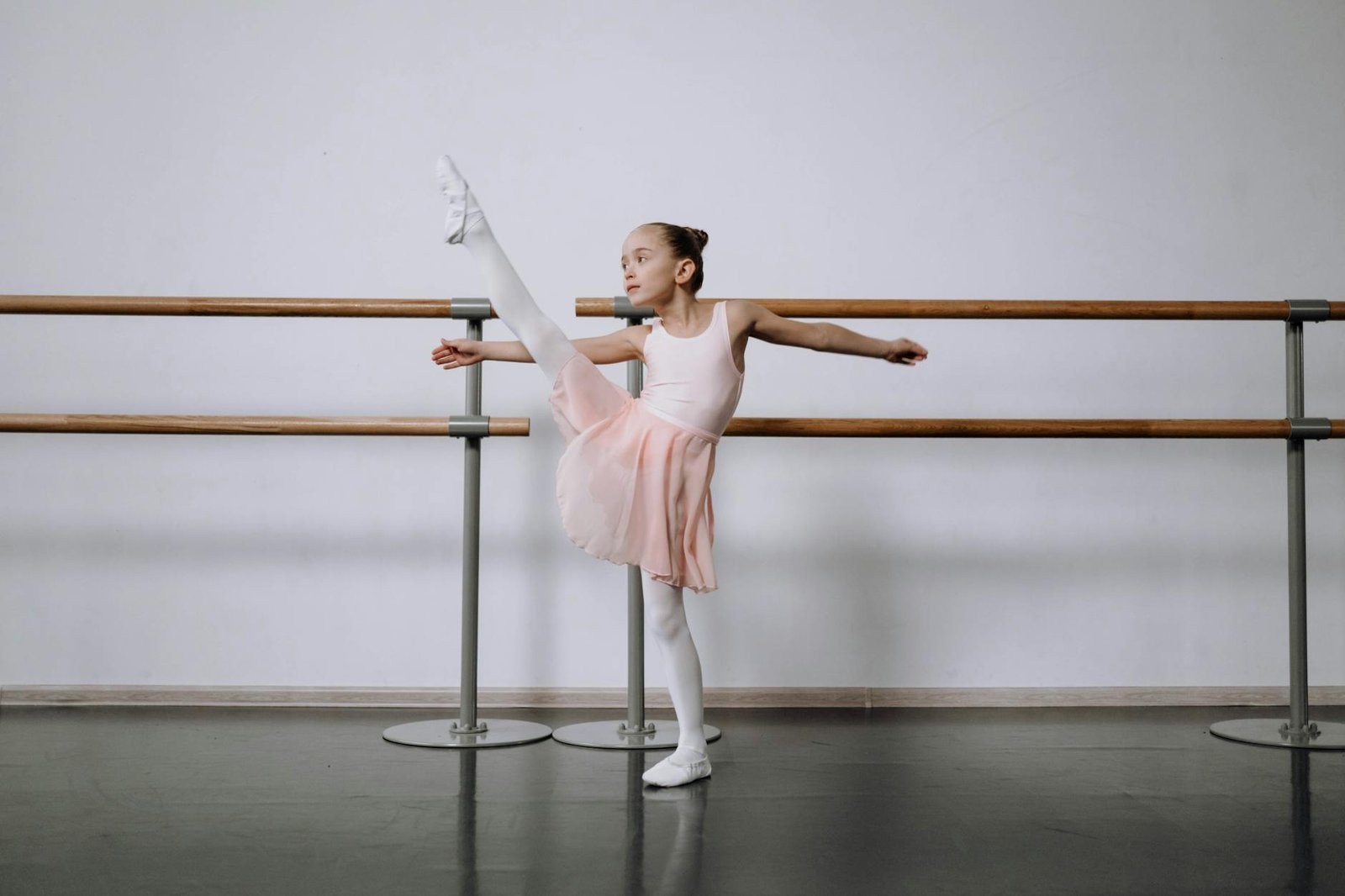
Contemporary is almost always done barefoot or in thin foot thongs (Sansha Pro 1C). Wear fitted, stretchy clothing — no loose fabric that hides the body’s line. Knee pads are useful for beginners doing floor work.
Where to start: Look for an “Introduction to Contemporary” or “Contemporary Foundations” class at your local dance school. If none exists, a beginner modern dance class will cover the same foundational material.