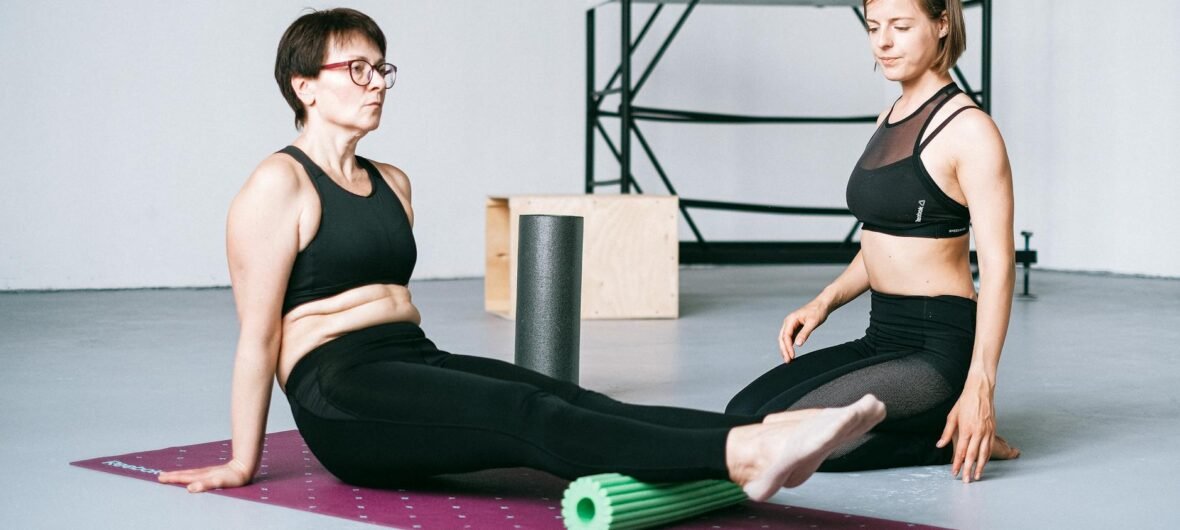
Why Recovery Is Just as Important as Your Dance Training
If you spend hours in the studio perfecting your pirouettes, working on hip-hop footwork, or grinding through contemporary choreography, you already know that feeling — that deep, satisfying ache that sets in after an intense session. But here’s what a lot of dancers, especially beginners and intermediate movers, tend to overlook: recovery isn’t optional — it’s part of your training.
Skipping proper recovery doesn’t just leave you sore the next day. Over time, it can lead to stress fractures, tendonitis, muscle imbalances, and burnout. The good news? Investing in the right recovery tools for dancers after intense training can dramatically speed up how quickly your body bounces back — so you can show up to your next class feeling strong, flexible, and ready to move.
Let’s break down the best recovery tools and strategies that actually work, without breaking the bank.
1. Foam Rollers — Your Best Friend for Sore Muscles
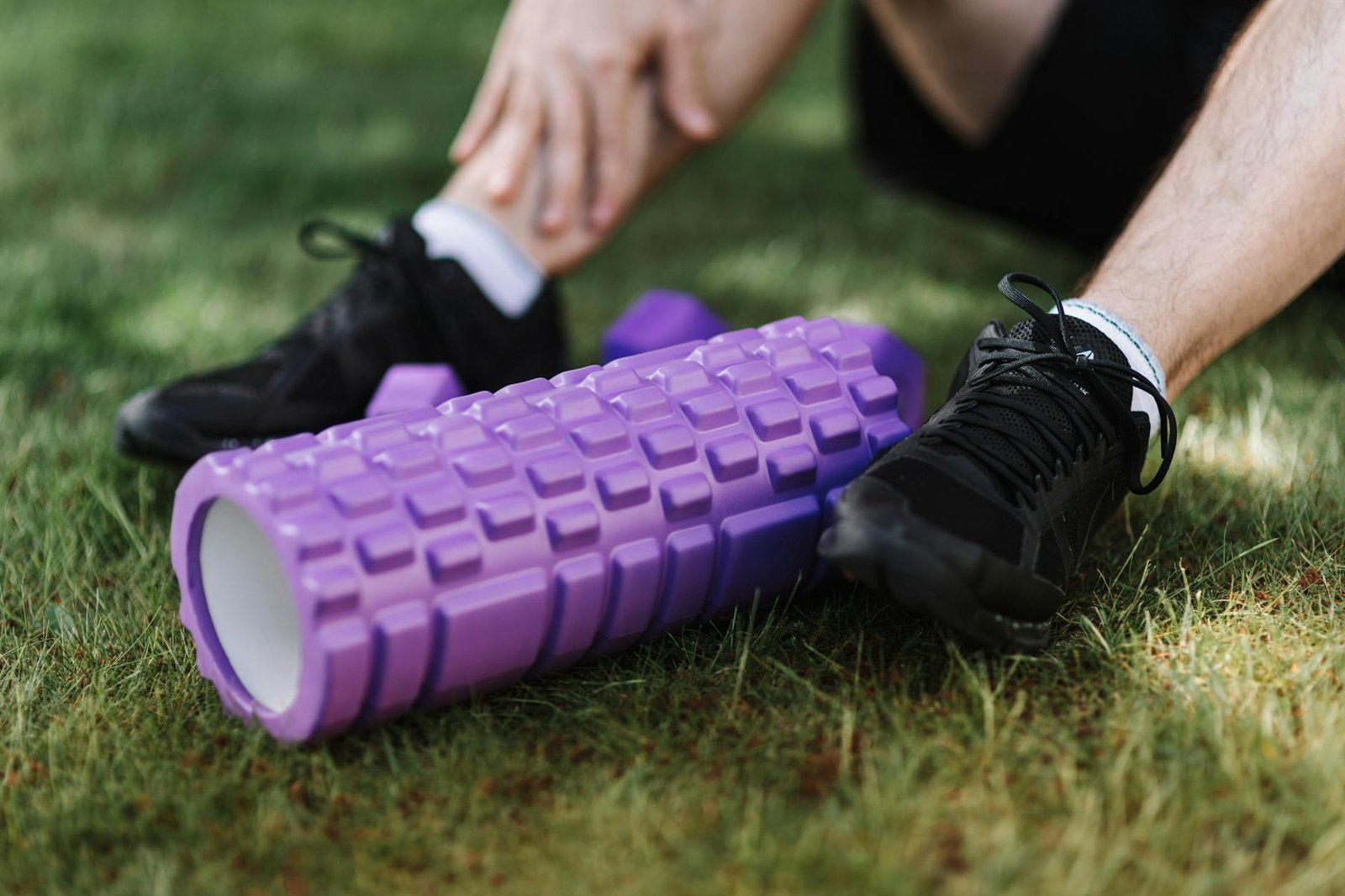
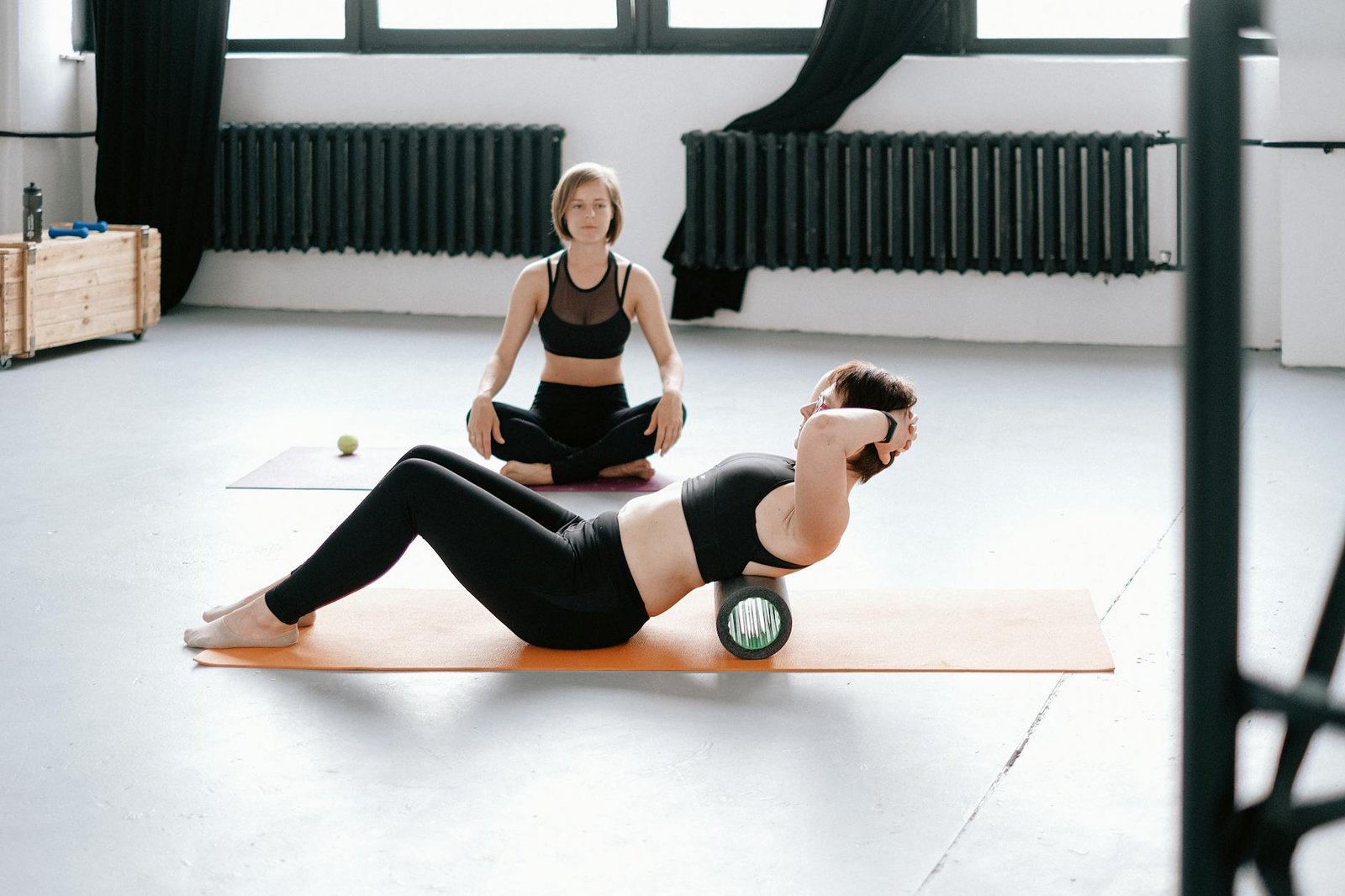
If you only invest in one recovery tool, make it a foam roller. Self-myofascial release (the fancy term for rolling out your muscles) helps break up tension, improve circulation, and increase range of motion — all critical for dancers.
Spend just 10–15 minutes rolling out after class and you’ll notice a massive difference in how your muscles feel the next morning. Focus on:
- IT band and outer thighs — notoriously tight in dancers who do a lot of lateral movement
- Calves and shins — especially if you’re dancing en pointe or in heels
- Upper back and thoracic spine — great for posture and reducing tension from arm work
For beginners, the TriggerPoint GRID Foam Roller (available on Amazon) is a fan favourite — it’s firm enough to be effective but not so intense that it feels like punishment. If you want something a little gentler to start, go for a standard EVA foam roller, which is softer and more forgiving on sensitive muscles.
2. Massage Guns — Deep Tissue Relief in Minutes
Massage guns have completely changed the recovery game, and they’re no longer just for elite athletes. These percussive therapy devices deliver rapid pulses deep into muscle tissue, helping flush out lactic acid and reduce delayed onset muscle soreness (DOMS) faster than foam rolling alone.
For dancers, a massage gun is especially useful on:
- Hamstrings and hip flexors after intense stretching sessions
- Feet and plantar fascia after hours of footwork
- Shoulders and neck after contemporary or acrobatic styles
The Theragun Mini is a compact, affordable option that’s easy to toss in your dance bag. For a more budget-friendly pick, the Renpho Massage Gun on Amazon offers solid performance at a fraction of the price. Start on a lower setting and work up — your muscles will thank you.
3. Resistance Bands — Stretching and Strengthening on the Go
Resistance bands are incredibly versatile recovery tools that pull double duty: they help you actively stretch tight muscles and gently strengthen supporting muscle groups to prevent future injury. Unlike static stretching, using a band adds gentle tension that helps improve flexibility more safely and sustainably.
Post-training, try these band-assisted stretches:
- Lying hamstring stretch — loop the band around your foot and gently pull your leg toward you
- Hip flexor release — anchor the band low and step into a lunge for a supported stretch
- Ankle strengthening circles — great for ballet and contemporary dancers prone to sprains
The Fit Simplify Resistance Loop Band Set is one of the best-reviewed sets on Amazon — it comes in multiple resistance levels so you can progress over time. Keep a set in your bag so you have no excuse not to stretch after class.
4. Epsom Salt Baths — Old-School But Incredibly Effective
Don’t underestimate the power of a good soak. Epsom salts are rich in magnesium sulfate, a mineral that plays a key role in muscle function and relaxation. Soaking for 20 minutes in a warm (not scalding) Epsom salt bath helps:
- Reduce muscle inflammation and cramping
- Ease joint stiffness
- Calm your nervous system after a high-energy class
- Improve sleep quality — which is when most of your actual recovery happens
Use about 2 cups of Epsom salt per standard bath. The Dr Teal’s Pure Epsom Salt Soaking Solution is a popular and affordable choice on Amazon, and many dancers swear by the lavender-scented version for its added relaxation benefits. Make this a weekly ritual after your hardest training days.
5. Compression Gear — Support Your Muscles While You Recover
Compression socks, sleeves, and leggings aren’t just trendy gym wear — they serve a real physiological purpose. By applying gentle pressure to your limbs, compression gear helps improve blood flow, reduce swelling, and speed up the removal of metabolic waste from tired muscles.
For dancers, the most useful compression pieces include:
- Compression socks — ideal after long rehearsals to reduce calf and ankle swelling
- Knee sleeves — supportive for dancers recovering from minor knee strain
- Compression leggings — great to wear in the hours after a tough session
Brands like CEP, 2XU, and Sockwell offer dancer-friendly compression options at various price points. Even a basic compression sock from Amazon can make a noticeable difference — look for options rated at 15–20 mmHg for everyday recovery use.
6. Ice Packs and Heat Therapy — Knowing When to Use Which
One of the most common recovery mistakes dancers make is reaching for heat when they should be using ice — or vice versa. Here’s the simple rule:
- Ice (cold therapy) — use within the first 24–48 hours of a new injury or acute inflammation. It reduces swelling and numbs sharp pain. Apply for 15–20 minutes at a time.
- Heat therapy — better for chronic muscle tightness, stiffness, or soreness that’s more than 48 hours old. Heat increases circulation and loosens tight tissue.
The Chattanooga ColPaC Reusable Ice Pack is a durable option loved by physical therapists, while a simple microwavable heat wrap (like the Sunbeam Heating Pad) is perfect for pre-class warm-ups or easing tightness the night after training. Having both on hand is a smart move for any serious dancer.
7. Sleep and Nutrition — The Recovery Tools You Can’t Buy
No foam roller or massage gun can compensate for poor sleep and bad nutrition. These two factors are the foundation of all recovery, and they’re completely free.
Sleep
Aim for 7–9 hours per night, especially on heavy training days. During deep sleep, your body releases growth hormone, repairs damaged muscle fibers, and consolidates motor patterns — meaning your brain is literally practicing what you learned in class while you sleep. A consistent sleep schedule matters more than most dancers realize.
Nutrition
After an intense session, your body needs two things urgently: protein to repair muscles and carbohydrates to replenish glycogen stores. Try to eat a balanced meal or snack within 30–60 minutes of finishing your class. Think Greek yogurt with fruit, a chicken and rice bowl, or a protein smoothie with banana. Staying well-hydrated throughout the day — not just during class — also plays a huge role in how quickly your muscles recover.
Start Recovering Smarter Today
You put in the hard work on the dance floor — now give your body the care it deserves off it. The best recovery tools for dancers after intense training don’t have to be expensive or complicated. Start with a foam roller and resistance bands, add an Epsom salt soak to your weekly routine, and prioritize sleep and good nutrition above everything else. Build from there as your needs grow.
Your body is your instrument. Treat it well, and it will carry you further than you ever imagined on that dance floor.
Ready to level up your recovery routine? Browse the products mentioned above on Amazon, bookmark this guide, and share it with a dance friend who’s always showing up to class still sore from the last one. Your future self — the one moving pain-free and dancing stronger than ever — will thank you. 💃🕺