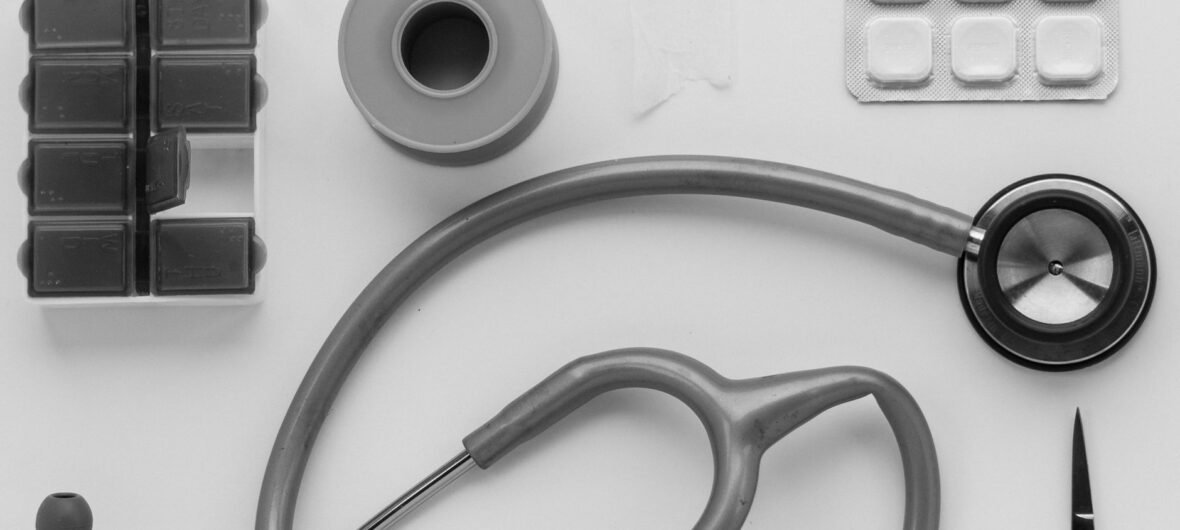
The dancer’s feet — subjected to the cumulative loading of years of training, the specific pressure of ballet slippers and pointe shoes, the repetitive impact of jump landings, and the friction of contact with studio floors in bare feet or thin footwear — require a level of specific maintenance and care that most athletic disciplines do not demand. The specific foot problems that affect dancers are well-documented in the dance medicine literature: blisters (the most universal experience, caused by friction between the foot skin and the shoe or floor surface at specific anatomical locations); subungual hematomas (blood blister beneath the toenail from the repeated pressure of pointe shoes on the nail bed); calluses (the thickened skin that forms at chronic pressure and friction locations as a protective response); and more serious skin conditions that develop when basic foot hygiene and blister management are inadequate. The dancer’s relationship to foot pain is complex and culturally specific within the dance community: there is a longstanding tradition in professional ballet of tolerating foot pain and managing it functionally rather than seeking to eliminate it, partly because some amount of foot toughening (callus formation) is genuinely protective and adaptive, and partly because the culture of the professional ballet world has historically pathologized seeking help for pain that was considered normal. More modern dance medicine perspectives recognize that while some callus formation is adaptive and protective, untreated blisters, infected pressure sores, and improperly managed nail bed injuries are not — they represent conditions that, left untreated, worsen and can significantly interrupt training and performance. A well-stocked dance foot care kit provides the tools for preventing and managing the most common minor foot conditions without requiring professional intervention, while also recognizing when a condition requires more care than a kit can provide.
This guide reviews seven of the best dance foot care and blister management products for dancers, evaluating specific function, quality, and dance-specific utility.
Quick Comparison: Best Dance Blister Care Kit and Foot Care Essentials for Dancers (2026)
| Product | Category | Rating | Best For | Price |
|---|---|---|---|---|
| Dance Foot Care Kit Complete Blister Kit Dancer Foot Care Set | Best Overall | ⭐ 4.8/5 | Dancers who want a complete foot care kit with all essential blister prevention and treatment components | Check Price |
| Hydrocolloid Blister Bandage Dance Blister Dressing Healing Patch | Best Blister Treatment | ⭐ 4.7/5 | Dancers who need the most effective blister treatment for rapid healing | Check Price |
| Dance Athletic Tape Zinc Oxide Tape Dancer Foot Tape Sports Tape | Best Athletic Tape | ⭐ 4.7/5 | Dancers who need durable athletic tape for blister prevention and foot protection | Check Price |
| Dancer Anti-Blister Balm Stick Friction Prevention Roll-On Body Glide | Best Anti-Blister Balm | ⭐ 4.6/5 | Dancers who want a friction-reducing balm to prevent blister formation before class | Check Price |
| Moleskin Dance Padding Sheet Roll Blister Prevention Dancer Foam Padding | Best Moleskin | ⭐ 4.5/5 | Dancers who want the traditional moleskin padding for targeted blister prevention | Check Price |
| Nail Scissors Nail File Toenail Trimmer Dancers Foot Grooming Set | Best Nail Care | ⭐ 4.5/5 | Ballet students who need precise toenail care tools for pointe shoe work | Check Price |
| Budget Dance Foot Care Essentials Affordable Blister Kit Dancer | Best Budget | ⭐ 4.0/5 | Beginning dancers who need an affordable foot care starting kit | Check Price |
Detailed Reviews
1. Dance Foot Care Kit Complete Blister Kit Dancer Foot Care Set
Best for: Dancers who want a complete foot care kit with all essential blister prevention and treatment components | ⭐ 4.8/5

Complete dance foot care kits — containing the range of blister prevention and treatment products that dancers need across the training week — provide the most convenient and cost-effective approach to assembling the essential foot care components. Quality complete kits include: blister prevention moleskin or gel padding, medical-grade athletic tape, a blister treatment product (hydrocolloid dressings or equivalent), a nail care implement, and a topical antiseptic. Having all components in a single organized kit means the right product is available at the right moment rather than requiring a search through multiple bags.
Pros
- ✓ All essential foot care components in a single organized kit
- ✓ Convenience of a complete solution avoids the problem of using the wrong substitute when the specific product is not available
- ✓ Cost-effective compared to purchasing each component separately from individual retail packaging
Cons
- ✗ The specific quality of individual components in a kit may vary — verify that each item meets the quality needed for its specific function
- ✗ Kit sizes are fixed — some dancers may need more of certain items than the kit provides, requiring separate restocking of those specific components
2. Hydrocolloid Blister Bandage Dance Blister Dressing Healing Patch
Best for: Dancers who need the most effective blister treatment for rapid healing | ⭐ 4.7/5
Hydrocolloid blister dressings — the gel-filled wound dressings that provide a moist, protected healing environment for an open or fluid-filled blister — are among the most effective products for accelerating blister healing while allowing continued activity. The hydrocolloid gel forms a cushioning barrier between the raw blister base and the shoe’s friction surface, allowing the dancer to continue training with reduced pain while the blister heals.
Pros
- ✓ Moist healing environment accelerates healing compared to air-exposed blisters
- ✓ Protective cushioning barrier between raw blister and shoe reduces pain during activity
- ✓ Stays in position under the mechanical demands of dance training longer than standard bandages
Cons
- ✗ Hydrocolloid dressings are more expensive per unit than standard bandages — cost is justified by their superior healing and activity-continuation properties
- ✗ The dressing must be applied to a clean, dry blister site — application over wet or dirty skin reduces adhesion significantly
3. Dance Athletic Tape Zinc Oxide Tape Dancer Foot Tape Sports Tape
Best for: Dancers who need durable athletic tape for blister prevention and foot protection | ⭐ 4.7/5
Zinc oxide athletic tape — the rigid, strong tape used by athletic trainers and dancers for blister prevention, joint support, and skin protection — is one of the most useful single tools in a dancer’s foot care kit. The tape is applied to the specific at-risk skin areas before putting on shoes, creating a protective barrier that reduces the friction that causes blisters. Properly applied tape can prevent blisters in the same location for days or weeks of consecutive training.
Pros
- ✓ Applied before class, prevents blister formation at specific at-risk locations
- ✓ More durable than moleskin or gel pads for continuous use through vigorous class activity
- ✓ Can be cut to precisely the right shape for any specific anatomical location
Cons
- ✗ Rigid tape in the incorrect tension can create pressure problems rather than preventing them — application technique must be learned
- ✗ The adhesive in zinc oxide tape can cause skin irritation with prolonged continuous application — allow the skin to breathe regularly rather than taping continuously without breaks
4. Dancer Anti-Blister Balm Stick Friction Prevention Roll-On Body Glide
Best for: Dancers who want a friction-reducing balm to prevent blister formation before class | ⭐ 4.6/5
Anti-friction balms and body glide sticks — applied to the skin surface at friction-prone locations before putting on shoes — reduce the friction coefficient between the skin and the shoe’s inner surface, preventing the mechanical friction that causes blister formation. Quality dance anti-friction balms are formulated for skin use, stay on the skin surface without migrating, and maintain their effectiveness through the perspiration of a full class.
Pros
- ✓ Applied directly to the skin before class, reduces friction before blisters can form
- ✓ Non-greasy formulation does not make the foot slippery inside the shoe or affect the shoe’s grip
- ✓ Easy roll-on or stick application allows precise placement at the specific friction-prone location
Cons
- ✗ Must be reapplied after showering or washing — single application does not provide multi-day protection
- ✗ Less effective for severe high-friction locations where tape provides more durable protection
5. Moleskin Dance Padding Sheet Roll Blister Prevention Dancer Foam Padding
Best for: Dancers who want the traditional moleskin padding for targeted blister prevention | ⭐ 4.5/5
Moleskin padding — the traditional foam-backed adhesive padding that has been used in dance for generations — provides a soft, cushioning barrier applied directly to the at-risk skin area before putting on shoes. The moleskin’s slight compressibility reduces the pressure and friction at the specific location it covers. Available in rolls or sheets that can be cut to any shape needed for any specific anatomical location.
Pros
- ✓ Cut to any shape for precisely targeted coverage of any specific blister-prone location
- ✓ Soft foam provides gentle cushioning alongside the friction barrier
- ✓ Traditional, proven approach with decades of use in professional dance
Cons
- ✗ Moleskin compresses and loses its cushioning function during use, typically lasting one class period before needing replacement
- ✗ The adhesive can be difficult to remove from some skin types, particularly if worn for extended periods — remove carefully and allow the skin to recover between applications
6. Nail Scissors Nail File Toenail Trimmer Dancers Foot Grooming Set
Best for: Ballet students who need precise toenail care tools for pointe shoe work | ⭐ 4.5/5
Precise nail scissors and nail files for dancers — particularly important for pointe shoe students where incorrect toenail length or irregular nail edges can cause significant discomfort and nail bed injury during en pointe work — provide the specific tools for the nail maintenance that dance, and particularly ballet, requires. Nails should be kept short (at or slightly below the tip of the toe) with smooth edges (no sharp corners that can dig into adjacent toes).
Pros
- ✓ Precise scissors allow the controlled nail trimming that prevents the sharp corners that dig into adjacent toes in pointe shoes
- ✓ Fine nail file allows smoothing of nail edges that scissors leave slightly rough
- ✓ Correct nail length and smooth edges significantly reduce toe-to-toe friction injury in pointe shoes
Cons
- ✗ Nail scissors require care during use — always cut in good light and cut conservatively (less is more; regrowth is faster than healing from cutting too short)
- ✗ The specific nail length appropriate for different shoe types varies — pointe shoe nail length is different from the optimal length for tap or jazz shoes
7. Budget Dance Foot Care Essentials Affordable Blister Kit Dancer
Best for: Beginning dancers who need an affordable foot care starting kit | ⭐ 4.0/5
Budget foot care starter kits for dancers at accessible price points provide the basic blister bandages, moleskin, and basic tape for initial foot care management. The quality of individual components may be less than professional alternatives — the hydrocolloid dressings may be thinner and less effective, and the tape adhesion may be less durable — but adequate for beginning dancers establishing a foot care practice.
Pros
- ✓ Accessible price for initial foot care kit assembly
- ✓ Basic components for beginning blister management
- ✓ Available from general pharmacy retailers without specialized dance supply store access
Cons
- ✗ Component quality less than professional alternatives — less durable adhesion and less effective healing environment
- ✗ May require more frequent replacement of individual items than professional alternatives
Buying Guide: What to Look for
Building an effective dance foot care kit requires understanding which conditions each product addresses:
- Prevention versus Treatment: The most important principle in dance foot care is that prevention is dramatically more effective and less disruptive than treatment. A blister that is prevented does not interrupt training; a blister that requires treatment creates pain during class, risks infection if not properly managed, and typically requires several days to a week to heal adequately. Prevention tools (applied before class): anti-friction balm reduces friction before blisters can form; athletic tape protects specific high-risk areas; moleskin cushions and protects locations with chronic pressure; proper taping technique for known problem areas. Treatment tools (used after blister formation): hydrocolloid dressings for open or roofed blisters; antiseptic for any open skin; nail care tools for nail-related problems. Invest in both but use prevention tools first — the goal is a healthy foot that does not require extensive treatment.
- Specific Blister Locations for Different Dance Forms: Different dance forms create blisters at specific and predictable anatomical locations. Ballet slippers: friction blisters on the ball of the foot and toe tips from the relevé and pointe position; the canvas or leather upper of the slipper creates friction on the back of the heel in new slippers. Pointe shoes: the toe tips (particularly the big and second toe tips that bear most of the weight en pointe); the inside of the ankle from the ribbon’s pressure point; any location where the specific shoe does not fit correctly to the specific foot. Jazz shoes: the ball of the foot from pivoting; the heel from new shoe break-in. Tap shoes: the ball of the foot from extended stepping patterns; sometimes the back of the heel from the tap shoe’s rigid heel. Character shoes: the back of the heel from the shoe’s stiff upper and heel cup. Identifying which specific locations are at risk for the specific dancer in the specific footwear allows targeted prevention application before blisters form.
- When to Seek Professional Help: While minor blisters and superficial friction injuries can be managed effectively with a well-stocked foot care kit, specific conditions require professional medical or podiatric assessment. Seek professional help: when a blister is surrounded by significantly inflamed skin that extends beyond the blister edge (potential infection); when a blister recurs in exactly the same location despite prevention efforts (may indicate a structural fit problem with the footwear that requires professional assessment); when a subungual hematoma (blood beneath the toenail) is expanding rapidly or causing severe pain (may require drainage by a healthcare provider); when a skin condition develops that does not respond to basic hygiene and blister care (fungal infections, warts, and other skin conditions require specific medical treatment); and when any foot condition is creating significant pain that alters the dancer’s technique (limping, compensating positions that protect the painful area create secondary injury risk).
- Foot Hygiene as Injury Prevention: The foundation of dance foot care is basic hygiene that prevents the skin breakdown and infection that more extensive foot problems build on. Daily hygiene: wash the feet thoroughly daily, including between the toes where the warm, moist environment promotes fungal growth; dry the feet completely, particularly between the toes, before putting on shoes; allow the feet to air out between classes by removing shoes during breaks. Footwear hygiene: allow dance shoes to air completely between uses — never store damp shoes in a sealed bag; use antimicrobial spray or cedar shoe inserts to reduce odor and bacterial accumulation. Nail hygiene: keep nails trimmed short and smooth; never pick or tear nails; keep the under-nail area clean. Skin hygiene: inspect the feet regularly for any developing blisters, skin changes, or nail problems; address small problems before they become large ones.
Frequently Asked Questions
Should I pop a blister from dancing?
Whether to drain a blister is a specific clinical decision that depends on the blister’s size, location, and the dancer’s activity requirements. The case for leaving the blister intact: the blister’s roof is the best sterile barrier over the raw, vulnerable skin beneath — removing this natural barrier increases infection risk and typically delays healing. The case for draining under specific circumstances: a large, extremely painful blister that is significantly impeding movement, or a blister in a location that will inevitably rupture during the next class session, may warrant careful drainage with a sterile needle to release the fluid under controlled conditions rather than allowing it to rupture in a non-sterile class environment. If draining: use a sterile needle (a single-use syringe needle from a pharmacy, or a needle sterilized in alcohol flame); pierce the blister at its edge (not the center) with one small hole; allow the fluid to drain completely; leave the blister roof intact; apply an antiseptic; and cover with a hydrocolloid dressing. Never drain a blister with non-sterile instruments; never tear the blister roof away.
What tape should ballet dancers use on their feet?
Several tape types serve different foot care functions for ballet dancers. Zinc oxide tape (athletic tape): the most durable and most protective tape for blister prevention; applied over the at-risk skin area before class; rigid and strong; adhesion is high. Paper tape (3M Micropore or similar): gentler on the skin than zinc oxide; suitable for post-blister protection of sensitive skin; less durable under vigorous activity. Kinesiology tape (KT Tape): primarily a neuromuscular tape rather than a blister protection tape; appropriate for joint support applications under guidance from a physiotherapist, not primarily for blister prevention. Moleskin: technically a padding rather than a tape, but functions as a combined cushioning and friction barrier. The most common professional ballet dancer’s approach: zinc oxide tape applied to specific at-risk locations before class for blister prevention, with hydrocolloid dressings applied over any existing blisters.
How do I treat a black toenail from dancing?
A black toenail (subungual hematoma — blood trapped beneath the nail from repeated pressure of the shoe on the nail bed) is a very common condition in ballet students who wear pointe shoes and in other dancers whose footwear creates repetitive nail pressure. Most subungual hematomas in dancers are not medically serious and resolve on their own as the old nail is pushed out by the new nail growing beneath it. The nail may completely detach — this is alarming but typically not dangerous as long as the nail bed beneath is protected. Management: keep the area clean; do not pull off a partially detached nail (the detachment should happen naturally, or be managed by a healthcare provider); cover the nail with a bandage to prevent it catching on the shoe interior; apply gentle protective padding over the nail area inside the pointe shoe to reduce continued pressure during the healing period. Seek professional attention: if the hematoma is very large, extremely painful, or if there is any sign of infection (expanding redness, warmth, discharge). Prevent recurrence: ensure the toenail is trimmed short and smooth before wearing the specific shoes that caused the problem.
How do dancers prevent foot problems?
Comprehensive foot problem prevention in dancers involves multiple simultaneous strategies. Footwear fit: the most critical single factor — dance shoes that fit correctly create far fewer foot problems than shoes that do not. For ballet slippers and pointe shoes specifically, professional fitting from a knowledgeable fitter is essential. Nail maintenance: keep nails trimmed short (at or just below the tip of the toe) with smooth, rounded edges that do not cut into adjacent toes. Toe padding for pointe work: appropriate toe pads protect the toe tips from direct shoe pressure — see the separate guide on pointe shoe toe pads for specific recommendations. Anti-friction protection: apply anti-friction balm or tape to specific at-risk locations before every class session where those locations have previously developed blisters. Hygiene: clean, dry feet and well-aired footwear prevent the skin breakdown and fungal growth that compound minor friction injuries into more serious conditions. Regular professional foot assessment: a dance medicine physiotherapist or sports podiatrist can identify developing problems (structural issues, beginning Achilles tendinopathy, plantar fascia tension) before they become injuries.
Is it normal for feet to hurt after dance class?
Some degree of foot fatigue and mild discomfort after intensive dance training is normal — particularly in the early phases of pointe work, during the break-in period of new shoes, and after particularly demanding classes with extensive jump and relevé work. Not normal (and requiring attention): sharp pain in specific locations that persists after class (potential stress fracture, nerve compression, or tendon injury); swelling that does not subside within 24 hours of rest; pain that significantly alters the dancer’s technique during class (creating compensatory movements to protect the painful area); numbness or tingling during or after class (potential nerve compression); and any foot pain that gets progressively worse over days or weeks despite rest. The distinction between normal training fatigue and injury-level pain is important and should be guided by a qualified dance medicine practitioner when uncertain — dancing through genuine injury rather than normal fatigue delays healing and increases the risk of more serious secondary injury.
Final Verdict
A complete dance foot care kit with high-quality hydrocolloid blister dressings, zinc oxide athletic tape, anti-friction balm, and moleskin padding — used consistently with a prevention-first approach that applies protection before blisters form rather than treating them after — is the most effective approach to dancer foot care. Prevention is dramatically more effective than treatment: apply tape and balm to known at-risk areas before every class session rather than waiting for blisters to form. Seek professional podiatric or dance medicine assessment for any foot condition that does not improve with basic care within one week, or any foot pain that is altering technique.