Why Dancers Need a Yoga Mat (It’s Not Just for Yogis)
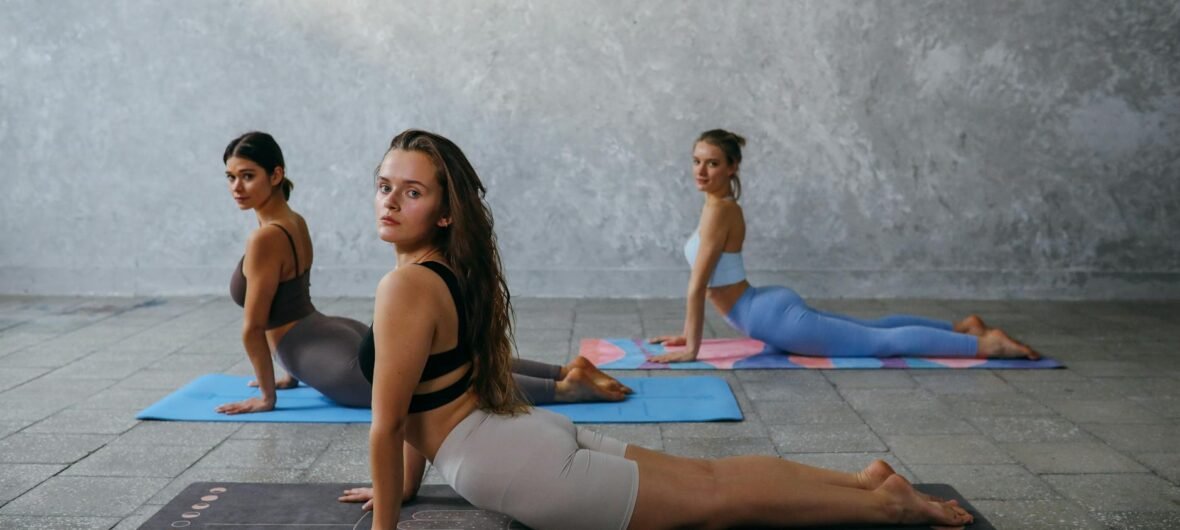
If you think yoga mats are only for people doing downward dogs in a studio, think again. As a dancer, your body goes through an incredible amount of stress during rehearsals, performances, and training. A quality yoga mat is one of the most underrated tools in a dancer’s kit — perfect for floor stretches, cool-down routines, conditioning work, and mindful breathwork after an intense session.
The right mat protects your joints, gives you a grippy, defined surface for floor work, and makes your cool-down feel like a treat rather than a chore. Whether you’re a ballet beginner, a hip-hop enthusiast, or somewhere in between, finding the best yoga mat for dancers practice and cool-down can genuinely transform how your body feels day to day.
What to Look for in a Yoga Mat as a Dancer
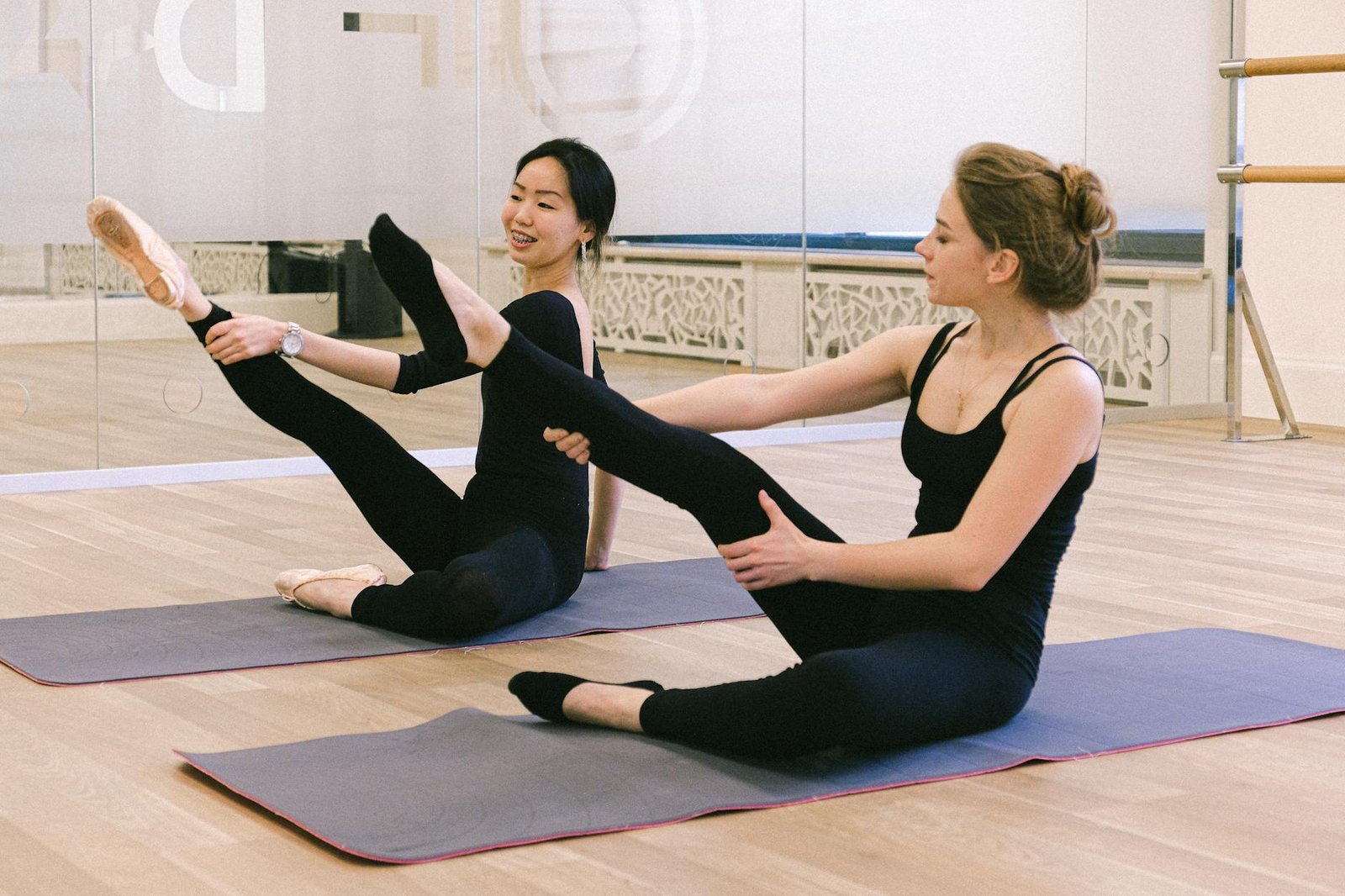
Not all yoga mats are created equal, and dancers have very specific needs that differ from a typical gym-goer. Here’s what to prioritize when shopping:
- Thickness: Dancers often need a balance between cushioning and stability. A mat that’s too thick (over 6mm) can feel spongy and unstable during balance work. A 4mm to 5mm mat is usually the sweet spot.
- Grip: You don’t want to be sliding around during a seated stretch or a core exercise. Look for mats with a textured, non-slip surface — especially important if you tend to sweat.
- Size: Standard mats are 68 inches long, but if you’re tall or love to sprawl out during cool-down stretches, opt for an extra-long 72–74 inch mat.
- Material: Natural rubber mats offer excellent grip and eco-friendliness. PVC mats are durable and easy to clean. TPE mats are a lightweight, budget-friendly middle ground.
- Portability: If you’re carrying your mat to a studio, a lighter mat (under 5 lbs) with a carrying strap makes life much easier.
Top Yoga Mat Picks for Dancers at Every Budget
Let’s get into the good stuff — specific mats worth your money. These recommendations cover different price points and dancer needs.
Best Overall: Lululemon The Reversible Mat 5mm
The Lululemon Reversible Mat is a fan favorite among dancers and movement artists for good reason. It has a grippy top layer and a smooth bottom that stays firmly planted on the floor. At 5mm, it cushions your spine and hips during cool-down without compromising stability for balance exercises. It comes in gorgeous colors, which — let’s be honest — matters when you’re motivated by aesthetics. It’s a splurge at around $88, but it’s built to last years of heavy use.
Best Budget Pick: Gaiam Premium Print Yoga Mat
If you’re newer to dance or just starting to build your home practice toolkit, the Gaiam Premium Print Mat is a reliable, affordable option (usually $25–$35 on Amazon). It’s 6mm thick for extra cushioning — great for cool-downs on hard floors — and comes in dozens of fun patterns. Grip is decent for light to moderate sweating. It’s not the most durable mat long-term, but for beginners, it does the job beautifully.
Best for Heavy Sweaters: Manduka PRO Yoga Mat
For dancers who work up a serious sweat during conditioning or Pilates-style floor work, the Manduka PRO Mat is legendary. Its closed-cell surface prevents moisture from seeping in, making it easy to wipe clean and incredibly hygienic. It’s also a lifetime-guaranteed mat — yes, literally. At around $120–$140, it’s an investment, but serious dancers often say it’s the last mat they ever buy. It runs on the heavier side (7.5 lbs), so keep that in mind if you’re commuting with it.
Best Eco-Friendly Option: Liforme Original Yoga Mat
The Liforme Original Mat has a cult following and it’s easy to see why. Made from eco-friendly natural rubber with a biodegradable top layer, it has an almost sticky grip that is exceptional — even when wet. It also features alignment lines printed on the surface, which can be surprisingly useful for dancers working on symmetry and posture during stretching routines. Priced around $150, it’s premium, but the grip-to-cushion ratio is hard to beat.
How to Use Your Yoga Mat as Part of Your Dance Routine
Owning a great mat is one thing — knowing how to use it as a dancer is another. Here are some practical ways to incorporate your mat into your training:
- Pre-class warm-up: Use your mat for dynamic stretching, hip circles, and core activation before you hit the floor or barre.
- Post-class cool-down: This is where your mat really shines. Spend 10–15 minutes doing static stretches — hip flexor releases, hamstring stretches, spinal twists — to help your muscles recover faster.
- Active rest days: On days you’re not dancing, use your mat for yoga flows, Pilates, or foam rolling to maintain mobility and prevent injury.
- Floor choreography practice: For contemporary or hip-hop dancers, a mat gives you a defined, safe space to work on floor sequences without scraping your knees or elbows.
- Breathwork and mental reset: Dance is mentally demanding. Use five minutes on your mat for intentional breathing before a performance or audition to calm nerves and center yourself.
Mat Care Tips to Make It Last
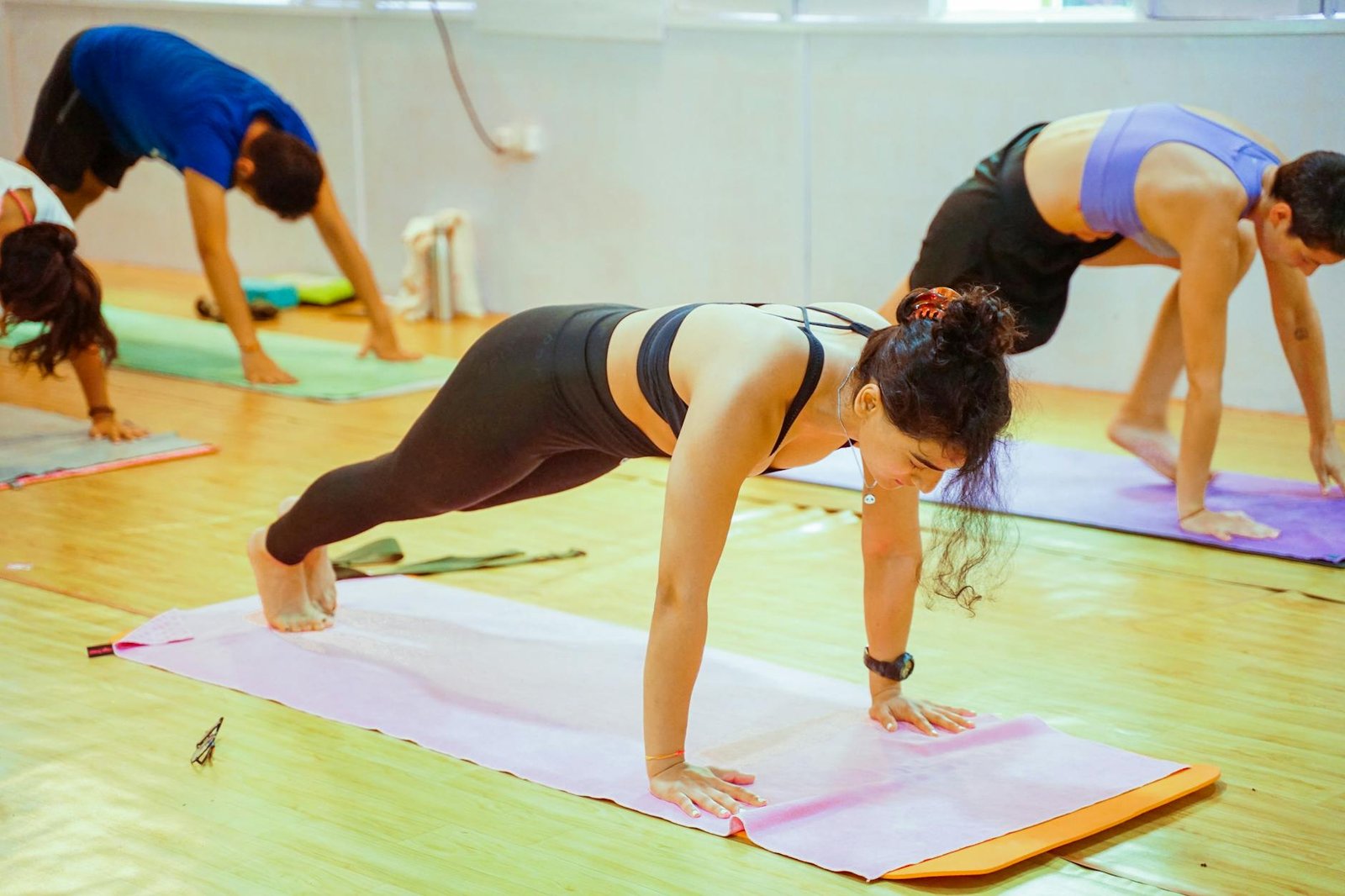
Dancers put their gear through a lot, so a little maintenance goes a long way. Keep your mat fresh and functional with these simple habits:
- Wipe it down after every session with a diluted tea tree oil spray or a mat-specific cleaner like Manduka Mat Wash.
- Air dry your mat completely before rolling it up — rolling a damp mat traps moisture and causes odor and breakdown over time.
- Avoid leaving your mat in direct sunlight for extended periods, as UV exposure degrades rubber and PVC materials.
- Roll your mat loosely rather than folding it to prevent crease lines from forming in the surface.
- Deep clean your mat once a month by gently scrubbing with mild soap and water, then rinsing and laying it flat to dry.
Accessories That Pair Perfectly With Your Dance Mat
Once you have your mat sorted, a few affordable add-ons can make your practice sessions even more effective:
- Yoga blocks: Great for modifying stretches if you’re working on flexibility. The Gaiam Yoga Block 2-Pack is a popular, budget-friendly option.
- Resistance bands: Use these on your mat for targeted leg and glute strengthening — essential for dancers looking to build power without bulk.
- Foam roller: Pair your cool-down mat session with a foam roller for deep myofascial release. The TriggerPoint GRID Foam Roller is a dancer community favorite.
- Mat bag or strap: A good carrying strap or bag like the Manduka Go Steady Mat Carrier keeps transport easy and your mat clean.
Final Thoughts: Invest in Your Body, Invest in the Right Mat
As a dancer, your body is your instrument — and it deserves proper care before, during, and after every session. Finding the best yoga mat for dancers practice and cool-down doesn’t have to be overwhelming. Start with your budget, think about where you’ll use it most, and prioritize grip and thickness above all else.
Whether you go with the wallet-friendly Gaiam Premium Mat for beginner practice or splurge on the ever-reliable Manduka PRO for years of serious training, any of the options above will serve your dancing body well. Your joints, muscles, and future self will thank you.
Ready to level up your dance training? Browse the mats linked above on Amazon, check current pricing, and pick the one that fits your life. Then roll it out, stretch deep, and give your body the recovery it works so hard to earn. 🩰