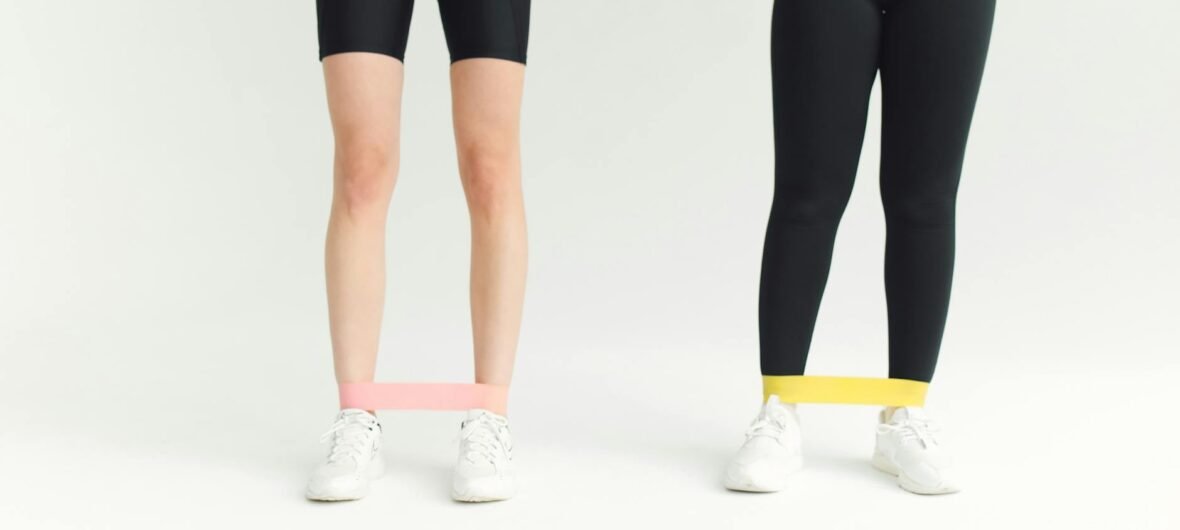
Why Resistance Bands Are a Game-Changer for Dancers
If you’ve ever watched a professional dancer glide effortlessly across the stage, you might assume they were simply born with that level of flexibility and control. The truth? Most of them have a dedicated warm-up routine — and resistance bands are often right at the center of it. The best resistance bands for dance flexibility and warm-up can help you increase your range of motion, activate the right muscle groups before class, and even speed up your recovery after an intense rehearsal.
Whether you’re a beginner just finding your footing in ballet or a contemporary dancer looking to deepen your splits, resistance bands are one of the most affordable, portable, and effective tools you can add to your dance bag. Let’s break down everything you need to know.
What to Look for When Choosing a Resistance Band for Dance
Not all resistance bands are created equal, and choosing the wrong one can actually limit your progress — or worse, lead to injury. Here’s what to keep in mind before you buy:
- Material: Fabric bands are gentler on the skin and don’t roll or snap during movement. Latex bands offer more stretch and are great for targeted flexibility work. For dance, many instructors recommend having both.
- Resistance level: Look for sets that include light, medium, and heavy resistance. Beginners typically start with light bands for flexibility stretches and work up to medium for strength conditioning.
- Length and width: Longer loop bands (around 12 inches) work well for ankle and foot exercises, while wider flat bands give you more surface area for hip and leg stretches.
- Durability: Read reviews carefully. Cheap bands snap unexpectedly, which is both frustrating and dangerous during a warm-up.
A well-trusted option is the TheraBand Resistance Band Set, which is widely used by physical therapists and dance studios alike. Their color-coded system makes it easy to progress through resistance levels as your flexibility improves.
Top Resistance Bands Recommended for Dancers
Here are some of the best resistance bands for dance flexibility and warm-up that consistently get five-star reviews from the dance community:
1. Perform Better Mini Bands
These flat loop bands are a staple in dance conditioning programs. They’re perfect for hip flexor activation, lateral leg raises, and ankle strengthening — all essential for dancers. The light resistance option is ideal for pre-class warm-ups, while the heavier options work well for building strength.
2. ProSource Fit Tube Resistance Bands
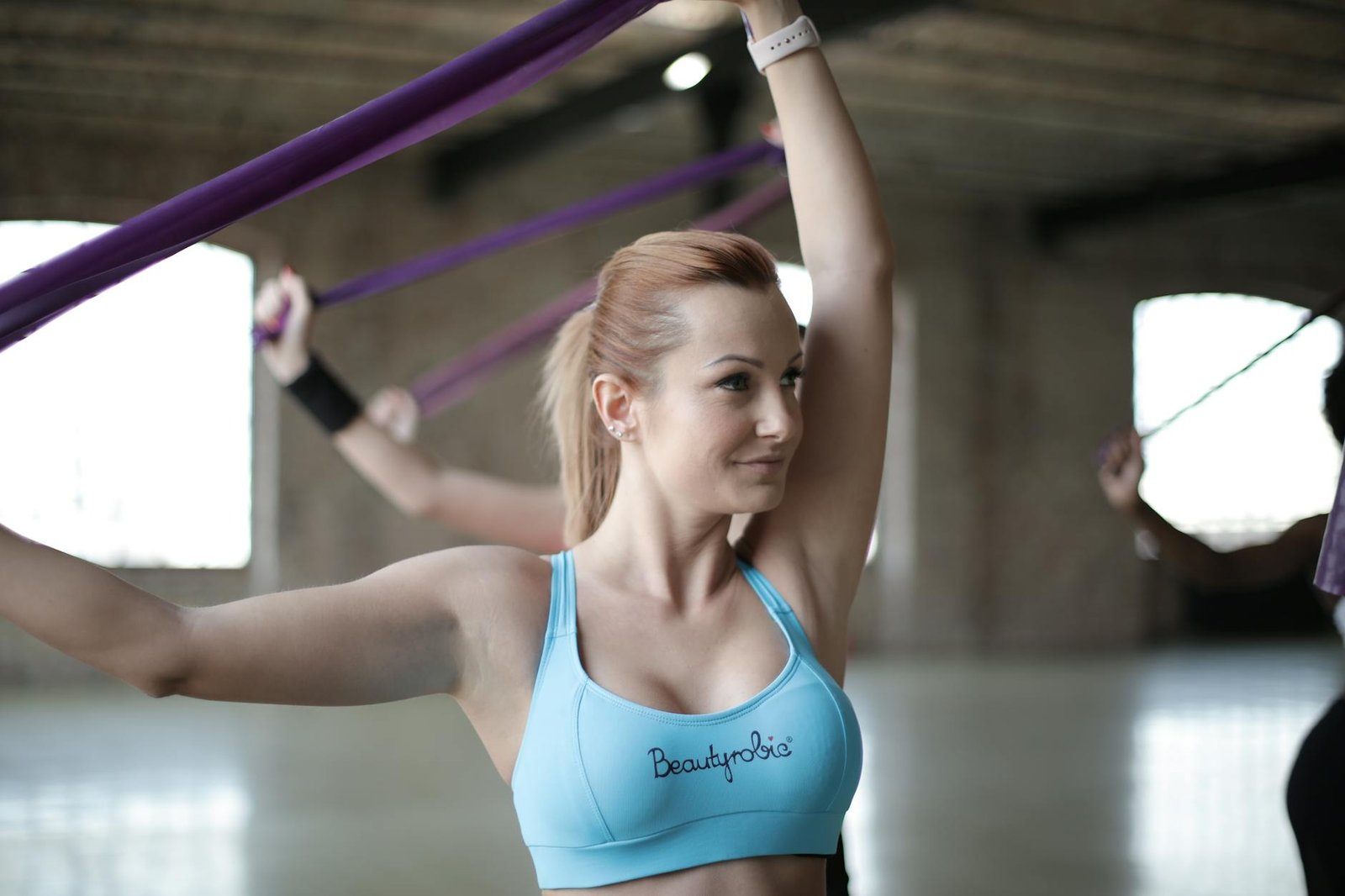
If you prefer a tube-style band with handles, ProSource is a fantastic choice. The handles make it easier to use for port de bras (arm work) and upper body warm-ups. They come in a set of five resistance levels, giving you plenty of room to grow.
3. Fit Simplify Resistance Loop Exercise Bands
A budget-friendly favorite that’s widely available on Amazon, Fit Simplify bands come in a set of five and include a handy carrying bag. They’re made of 100% natural latex, hold their shape well, and are a top pick for dancers working on hip flexibility and turnout strengthening.
4. Gaiam Restore Strength and Flexibility Kit
Specifically marketed toward yoga and flexibility training, the Gaiam kit translates beautifully into dance warm-up routines. The included guide makes it especially useful for beginners who aren’t sure where to start.
Best Resistance Band Exercises for Dance Warm-Up
Owning the right band is only half the battle — knowing how to use it effectively is where the magic happens. Here are some dancer-specific exercises to incorporate into your warm-up routine:
Pointed Foot Flexion and Extension
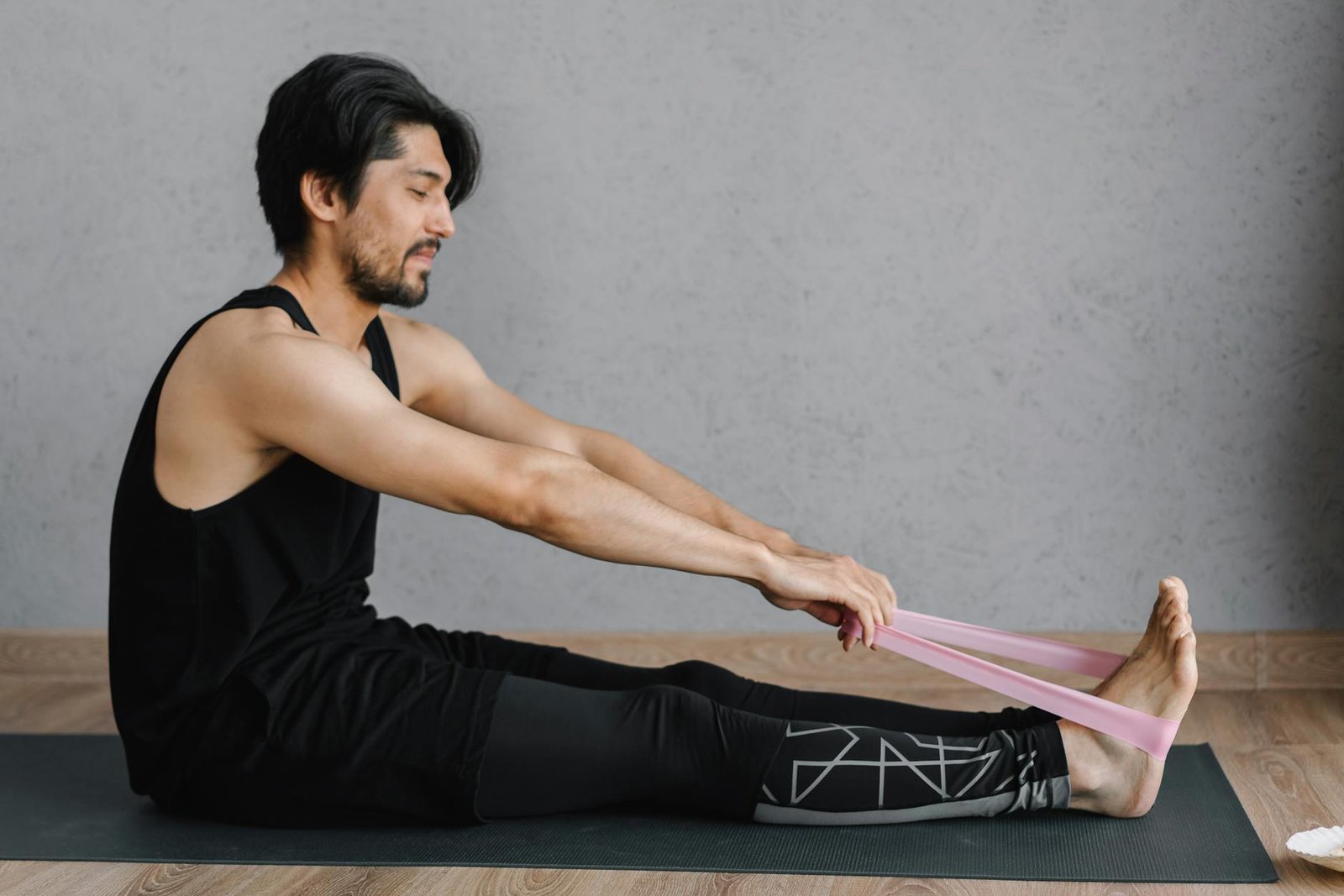
Loop a light resistance band around the ball of your foot while seated on the floor with your leg extended. Slowly point and flex your foot against the band’s resistance. This strengthens the intrinsic muscles of the foot and warms up the ankle joint — critical for pointe work and any style that requires articulated footwork.
Hip Flexor Activation
Place a mini loop band just above your knees and lie on your back. Slowly bring one knee toward your chest, then extend the leg to 45 degrees. Alternate sides. This targets the hip flexors and helps prepare your body for developés and high kicks.
Lateral Leg Raises for Turnout
Stand with a band looped around your ankles and hold onto a barre or wall for balance. Slowly raise one leg out to the side, keeping your hips square. This activates the hip abductors and external rotators — the muscles responsible for that beautiful turnout all dancers work so hard to develop.
Arabesque Resistance Pull
Attach one end of a tube band to a low anchor point and loop the other end around your working ankle. Stand facing the anchor and slowly extend your working leg behind you into an arabesque position. The band adds gentle resistance, building the glute and hamstring strength needed to sustain high arabesque lines.
How to Use Resistance Bands for Flexibility Gains
Resistance bands aren’t just for strengthening — they’re one of the most effective tools for improving flexibility when used correctly. The key is to use active stretching rather than passive stretching with the band.
Instead of simply pulling your leg up and holding it, actively engage the working muscles throughout the stretch. For example, when using a band to deepen your hamstring stretch while lying on your back, press your heel gently into the band as you hold the position. This technique, sometimes called proprioceptive neuromuscular facilitation (PNF) stretching, has been shown to produce faster flexibility gains than passive stretching alone.
A general guideline: hold each stretch for 30–60 seconds, repeat 2–3 times per side, and always stretch after your muscles are warm — never cold. Your post-class cool-down is actually the ideal time for deep flexibility work with a resistance band.
Building a Simple Daily Band Routine for Dancers
Consistency beats intensity every time when it comes to flexibility. Here’s a simple 10–15 minute routine you can do daily using a light resistance band:
- Ankle circles with resistance — 30 seconds each direction, each foot
- Seated hamstring stretch with band — 45 seconds each leg
- Hip flexor activation — 10 reps each side
- Lateral leg raises — 12 reps each side
- Standing arabesque pull — 10 reps each side
- Supine hip stretch with band — 45 seconds each leg
Do this routine in the morning before your first class or immediately before stepping into the studio. Within just a few weeks, most dancers notice a measurable improvement in their range of motion and a significant reduction in pre-class stiffness.
Common Mistakes Dancers Make With Resistance Bands
Even with the best resistance bands for dance flexibility and warm-up in hand, it’s easy to fall into a few common traps:
- Using too much resistance too soon: Heavier isn’t always better, especially for flexibility work. Start light and focus on technique.
- Bouncing during stretches: Ballistic stretching with a band can cause muscle tears. Move slowly and breathe through each stretch.
- Neglecting the upper body: Many dancers focus exclusively on legs and hips. Include shoulder rolls, arm extensions, and chest openers with a light band to prepare your whole body for movement.
- Skipping the warm-up before the warm-up: Even a five-minute walk or light jog before picking up your band will make your stretches safer and more effective.
Ready to Dance Freer and Move Better?
Adding resistance bands to your dance training is one of the simplest, most cost-effective upgrades you can make. Whether you’re working toward your first split, trying to strengthen your relevé, or simply wanting to warm up more effectively before class, the right band can genuinely transform the way your body feels and moves.
Start with a versatile set like the Fit Simplify Loop Bands or the TheraBand set, build the daily routine outlined above into your schedule, and be patient with your progress. Flexibility is earned over time — but with the right tools and consistent effort, it absolutely can be yours.
Ready to get started? Browse our recommended resistance bands on Amazon, bookmark this guide, and share it with a fellow dancer who’s ready to level up their flexibility game. Your future self — mid-grand battement — will thank you.