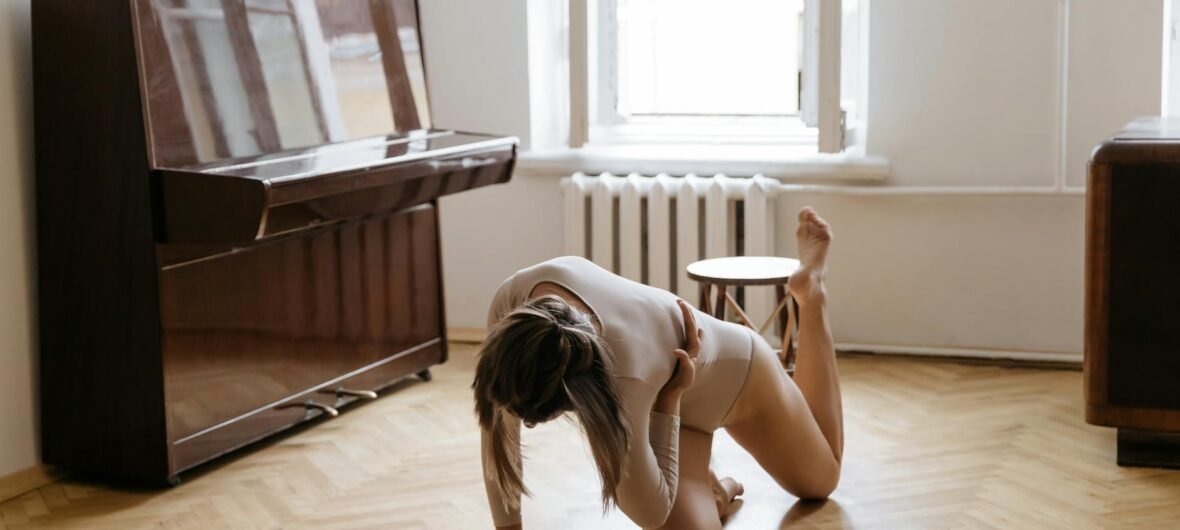
Why the Right Dance Floor Makes All the Difference
If you’ve been practicing pirouettes on hardwood or shuffling across carpet, you already know the struggle. Having the right surface under your feet isn’t just about comfort — it’s about safety, technique, and longevity of your dancing career. This dance flooring installation guide for home studios will walk you through everything you need to know, from picking the right material to laying it down like a pro.
Whether you’re setting up a small practice corner in your living room or converting an entire basement into a dedicated studio, the principles are the same. Let’s get your space dance-ready.
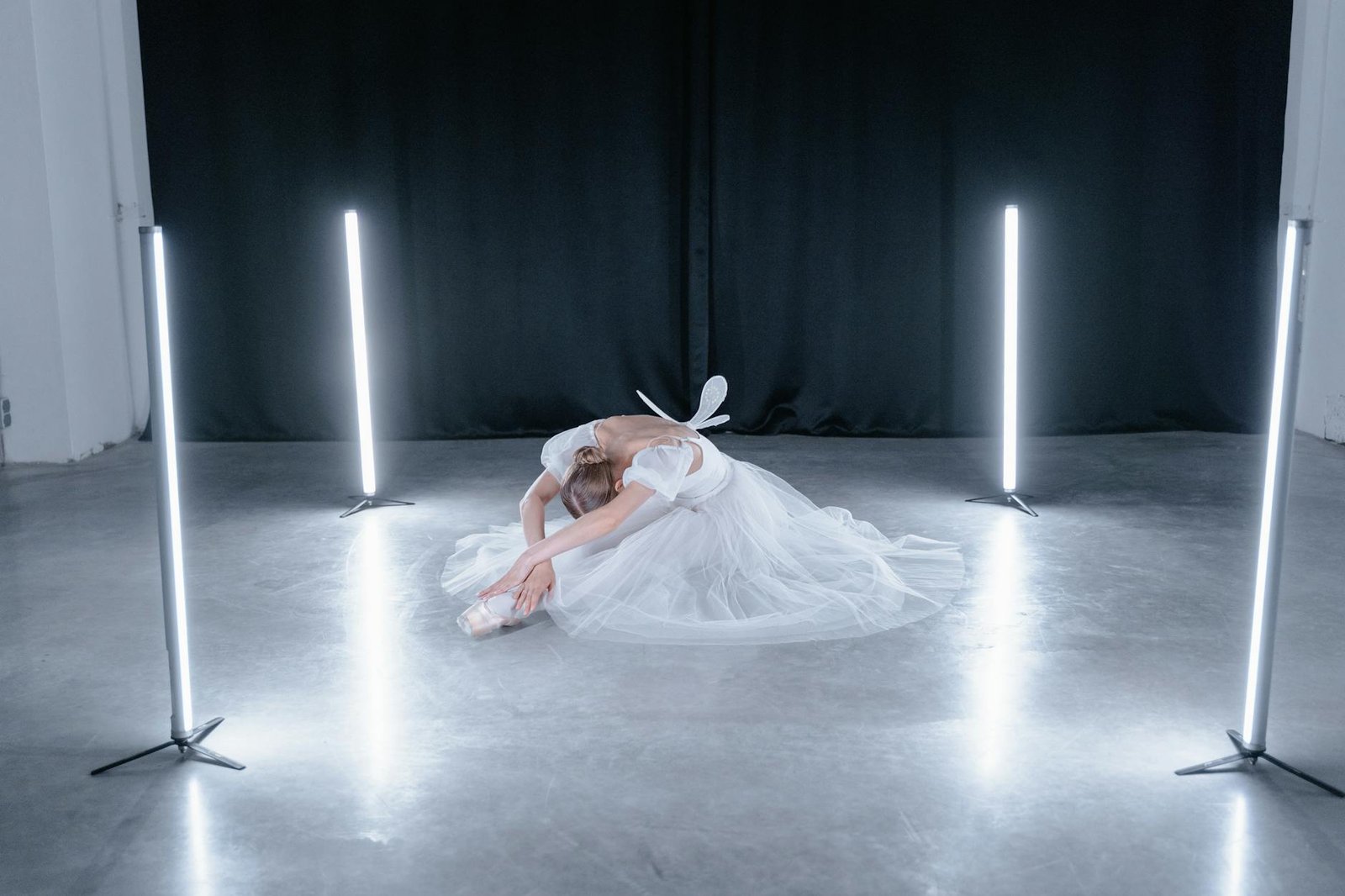
Understanding Your Dance Style First
Before you spend a single dollar on flooring, you need to match your floor choice to your dance style. Not all floors are created equal, and the wrong surface can cause serious injury or bad habits.
- Ballet and contemporary: You’ll want a sprung floor with a smooth, matte vinyl or marley surface. Grip should be moderate — enough to hold a relevé but not so sticky it catches your pointe shoes.
- Hip-hop and street styles: A firm, clean hardwood or laminate surface works beautifully. You need slip resistance without drag.
- Tap: Hardwood is king here. The resonance and click of a good tap is lost on vinyl or rubber. Look for solid maple or oak boards.
- Ballroom and Latin: Smooth hardwood or a specialized sprung floor with a low-friction finish gives you the glide you need for footwork-heavy styles.
- Yoga and barre fusion: Rubber or foam-backed vinyl tiles provide excellent cushioning for floor work and static holds.
Once you’ve identified your primary style, you can confidently move into the next phase: choosing your flooring type.
Choosing the Right Flooring Material
The market offers several solid options for home studio dance floors. Here’s a breakdown of the most popular choices:
Marley / Vinyl Roll Flooring
Marley flooring is the gold standard for ballet, contemporary, and jazz. It’s the same surface used in professional studios worldwide. Rosco Adagio and Stagestep Trax are two well-respected brands you’ll find available online. Marley rolls are typically 5 feet wide and come in various lengths, making them easy to cut to size. They’re portable, relatively affordable, and easy to clean.
Interlocking Foam or Rubber Tiles
If you want a quick, budget-friendly setup, interlocking tiles are your best friend. Products like BalanceFrom Puzzle Exercise Mat tiles (widely available on Amazon) snap together without adhesive and can be rolled up when not in use. They’re ideal for barre practice, stretching, and low-impact contemporary work, though they’re not recommended for serious pointe work or tap.
Hardwood Sprung Floors
A sprung floor has a layer of shock-absorbing material — typically foam, rubber, or a sleeper system — beneath the hardwood surface. This is the most professional and most expensive option, but it pays dividends in joint protection. Harlequin and SnapFloors both make modular sprung floor systems designed for home installation. If budget is a concern, you can build a DIY version using plywood sleepers and foam underlayment topped with hardwood planks.
Laminate Over Foam Underlayment
A solid middle-ground option: install a quality laminate floor over a dense foam underlayment for a semi-sprung feel. It won’t replicate a true sprung system, but it dramatically reduces impact compared to dancing on concrete. Look for a high-AC-rating laminate (AC4 or higher) that can handle repeated foot traffic.
Measuring and Preparing Your Space
Now for the hands-on part. Proper preparation is where most DIY installations succeed or fail.
- Measure your room precisely. Measure length and width, then multiply for total square footage. Add 10% extra to account for cuts and waste.
- Check your subfloor. Your subfloor needs to be clean, dry, and level. Any bumps or dips greater than 3/16 inch over 10 feet should be filled and sanded. Use a floor leveling compound like Henry 549 FloorPro for concrete subfloors.
- Address moisture. This is especially critical for basement installations. Use a moisture meter to test your concrete slab. If readings are high, apply a moisture barrier like Roberts 3095 Moisture Barrier before laying any flooring.
- Clear the room completely. Remove all furniture, baseboards (optional but gives a cleaner finish), and vacuum or sweep thoroughly.
Taking time here saves you headaches — and potential floor damage — down the line.
Step-by-Step Installation Tips
Installation steps vary by flooring type, but these tips apply universally to most home studio setups:
For Marley / Vinyl Rolls
- Allow the roll to acclimate in the room for at least 24 hours before unrolling.
- Unroll carefully and trim edges with a sharp utility knife and a straight edge.
- For a temporary setup, use double-sided carpet tape along the seams and perimeter. For a permanent install, use a pressure-sensitive adhesive recommended by the manufacturer.
- Smooth out air bubbles from the center outward using a floor roller.
For Interlocking Tiles
- Start from the center of the room and work outward so cuts are even on all sides.
- Use a rubber mallet to firmly click tiles together — gaps will cause trip hazards.
- Cut edge tiles with a sharp utility knife or jigsaw.
For Hardwood or Laminate
- Let planks acclimate in the room for 48–72 hours, still in packaging.
- Lay a foam or cork underlayment first for sound absorption and light cushioning.
- Start along the longest straight wall, leaving a 1/4-inch expansion gap at all edges.
- Stagger joints by at least 6 inches between rows for structural integrity.
- Use a pull bar and tapping block — never bang planks directly with a hammer.
Maintaining Your Home Dance Studio Floor
A well-maintained floor is a long-lasting floor. Here are the habits that professional studios swear by:
- Sweep or dry mop before every practice session. Grit and debris are the fastest way to scratch and degrade any dance surface.
- Use the right cleaner. For marley, diluted pH-neutral cleaners like Rosco Floor Cleaner are ideal. Avoid anything oil-based or wax-based — they create dangerous slip hazards.
- Never use street shoes on your dance floor. Designate your studio shoes for studio use only. This protects the surface and maintains consistent grip.
- Address spills immediately. Water sitting on hardwood, even for minutes, can cause warping and permanent damage.
- Re-tape seams on portable marley as needed, and check for lifting edges before each session to avoid trips and falls.
Budget Breakdown: What to Realistically Expect
Here’s a rough cost estimate for a 200-square-foot home studio to help you plan:
- Interlocking foam/rubber tiles: $150–$350 total — great starter option
- Marley vinyl roll (temporary): $200–$500 for material plus tape
- Laminate over foam underlayment: $400–$900 installed DIY
- Modular sprung hardwood system: $800–$2,500+ depending on brand and quality
- Custom sprung hardwood (professional install): $3,000–$8,000+
Start with what your budget allows. Many serious dancers begin with portable marley tiles and upgrade to a permanent sprung floor over time as their practice deepens — and that’s a perfectly smart approach.
You’re Ready to Build Your Dream Dance Space
Setting up your own home studio is one of the most rewarding investments you can make as a dancer. With the right flooring, you protect your joints, refine your technique, and create a space that genuinely inspires you to show up and move every single day.
Take it one step at a time: identify your dance style, choose your material, prepare your subfloor carefully, and install with patience. The floor you build today could be the one you train on for the next decade.
Ready to take the next step? Browse our recommended dance flooring products — including top-rated marley rolls, interlocking tiles, and sprung floor kits — all curated specifically for home studio dancers like you. Drop any questions you have in the comments below — we love helping dancers build their perfect space!