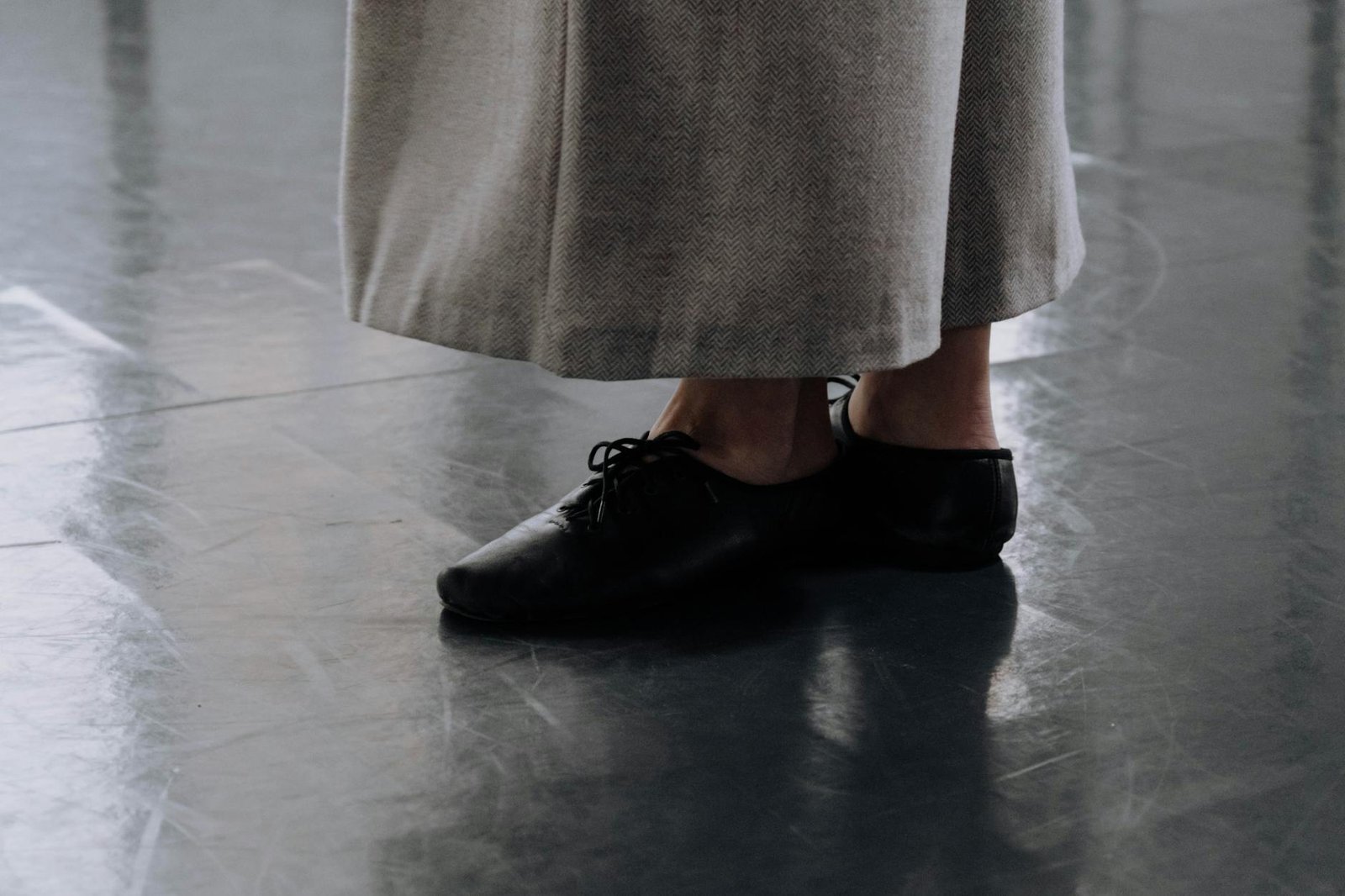
Tap dance is musical — every movement creates a sound, and the goal is to make that sound rhythmically precise and pleasing. Unlike many dance styles where technique is about how you look, tap is equally about what you hear. This shifts the focus in a way beginners find both freeing and challenging.
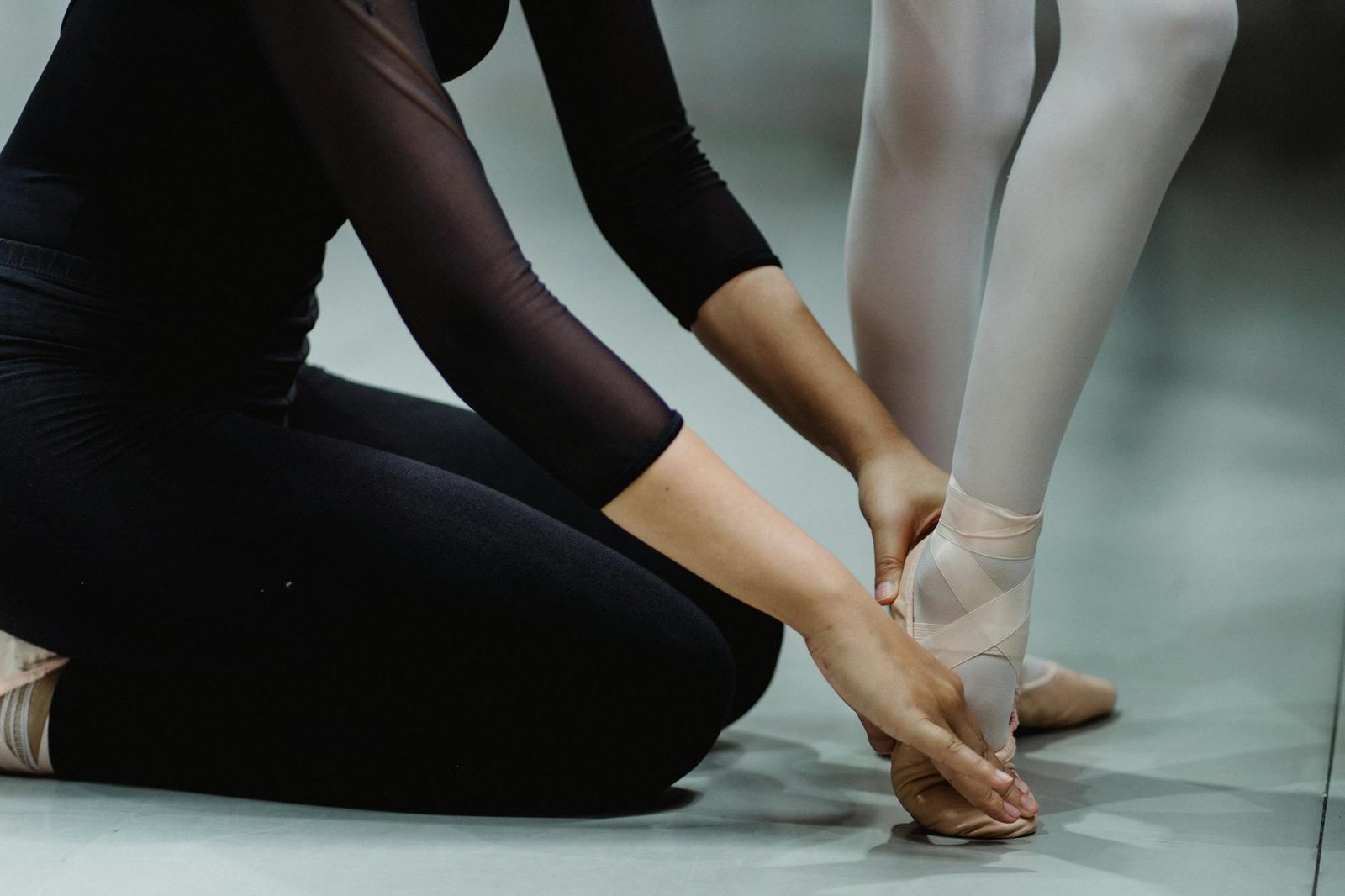
Understanding Tap Sounds Before Steps
Tap technique is built on distinct sounds made by different parts of the shoe:
- The toe tap: The small metal tap on the ball of the foot
- The heel tap: The metal tap on the heel
- The edge: Striking with the edge of the toe tap for a different tone
Good tap technique is about clarity — each sound distinct, rhythmically accurate, and produced with the right weight.
The 10 Foundational Tap Moves
1. Tap (Single)
Strike the floor with the toe tap of one foot, then lift. One sound. The building block of everything else.
2. Brush
Swing the working foot forward past the standing foot, striking the floor with the toe tap as the foot passes through. One sound, made on a swinging motion. The basis of shuffles, flaps, and most traveling steps.
3. Flap
A brush (forward swing striking the toe tap) followed immediately by a ball change — landing the weight on the ball of the foot. Two sounds. The workhorse of tap: flap-heel, traveling flaps, and complex rhythms all come from this.
4. Shuffle
Two brushes in quick succession — forward and back — without transferring weight. Two sounds. Practice this until it sounds like one smooth, continuous rhythm.
5. Ball Change
A weight transfer: step onto the ball of one foot (1 sound), then shift weight back to the other foot (1 sound). Two sounds, two beats. The connector step of tap dance, appearing in almost every combination.
6. Step
Transfer weight fully onto the ball of the foot. One sound. Sounds obvious, but executing a clean, weighted step that produces a single clear sound is a skill that takes practice.
7. Heel Drop
Rise to the ball of the foot, then drop the heel to the floor. One sound. Used to accent beats and create rhythmic variation.
8. Stamp
Strike the full foot to the floor with weight — both toe and heel landing together. One heavy sound. Used for accents and rhythm punctuation.
9. Stomp
Like a stamp but weight doesn’t transfer — the foot lifts immediately after striking. One accent sound without a weight shift.
10. Cramp Roll
Four sounds: right toe, right heel, left toe, left heel (or starting left). The first combination most beginners learn to execute as a group, and the basis for more complex roll rhythms.
How to Practice These at Home
- You need a hard floor — wood, tile, or concrete. Carpet absorbs sound and doesn’t give you feedback.
- Practice each move in isolation until it produces a clear, consistent sound, then combine them
- Use a metronome or backing track at a slow tempo (60–80 BPM) before speeding up
- Record audio of your practice — your ear catches inconsistencies your body doesn’t feel yet
The First Combination to Learn
Once you have flap, shuffle, ball change, and step: practice shuffle-ball-change, shuffle-ball-change continuously. This is the basis of most beginner tap combinations and the rhythm your feet will eventually do without thinking.
Reminder: Tap is music. If your sounds are unclear, slow down until they’re clear, then gradually increase speed. A precise slow tempo is more valuable than a sloppy fast one.
You might also like: