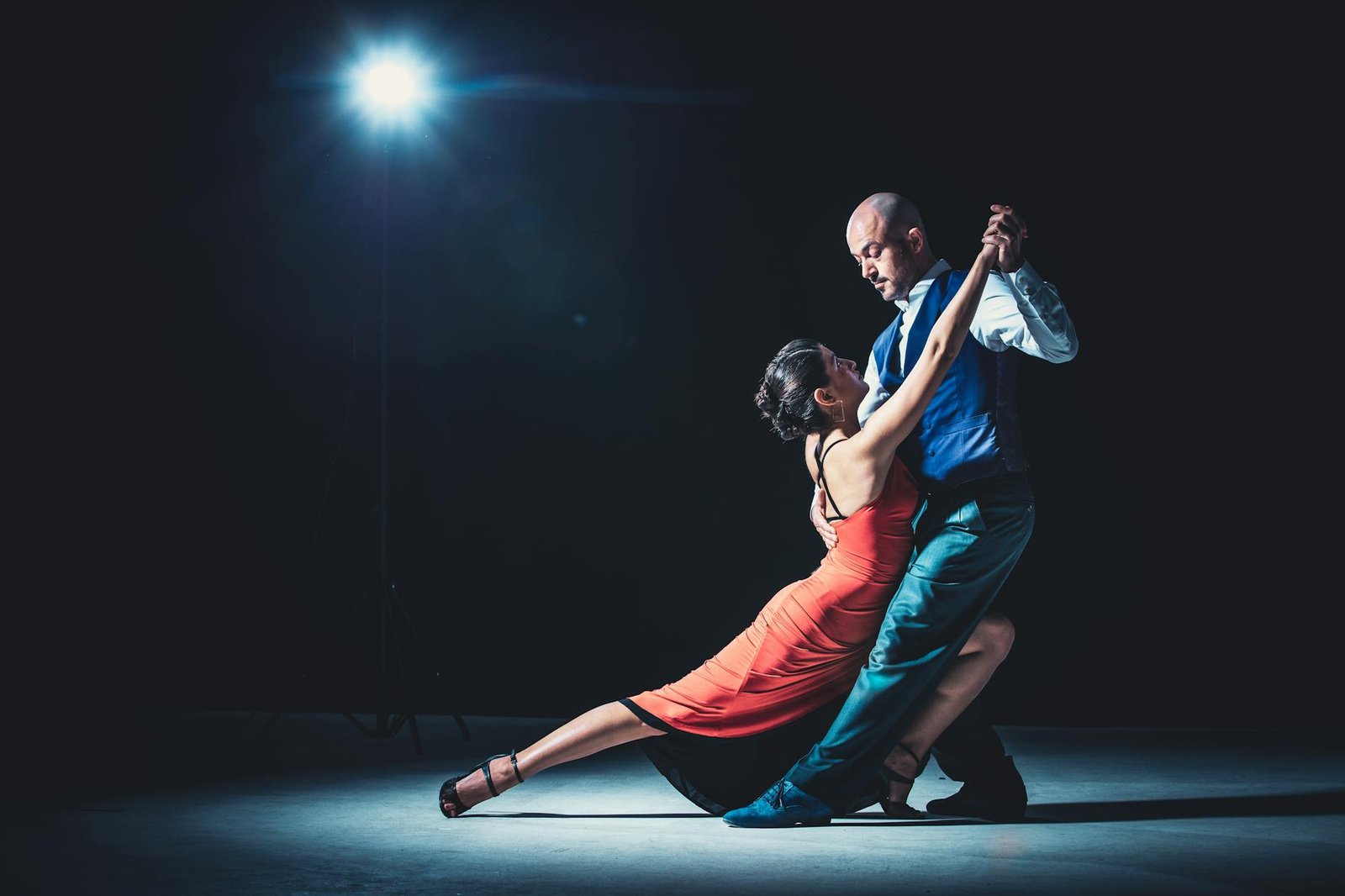
The waltz is built on three beats — ONE-two-three, ONE-two-three — and the basic box step traces a square (or box) shape on the floor. Once you can do the box step, you can dance waltz socially. Everything else is a variation on this foundation.
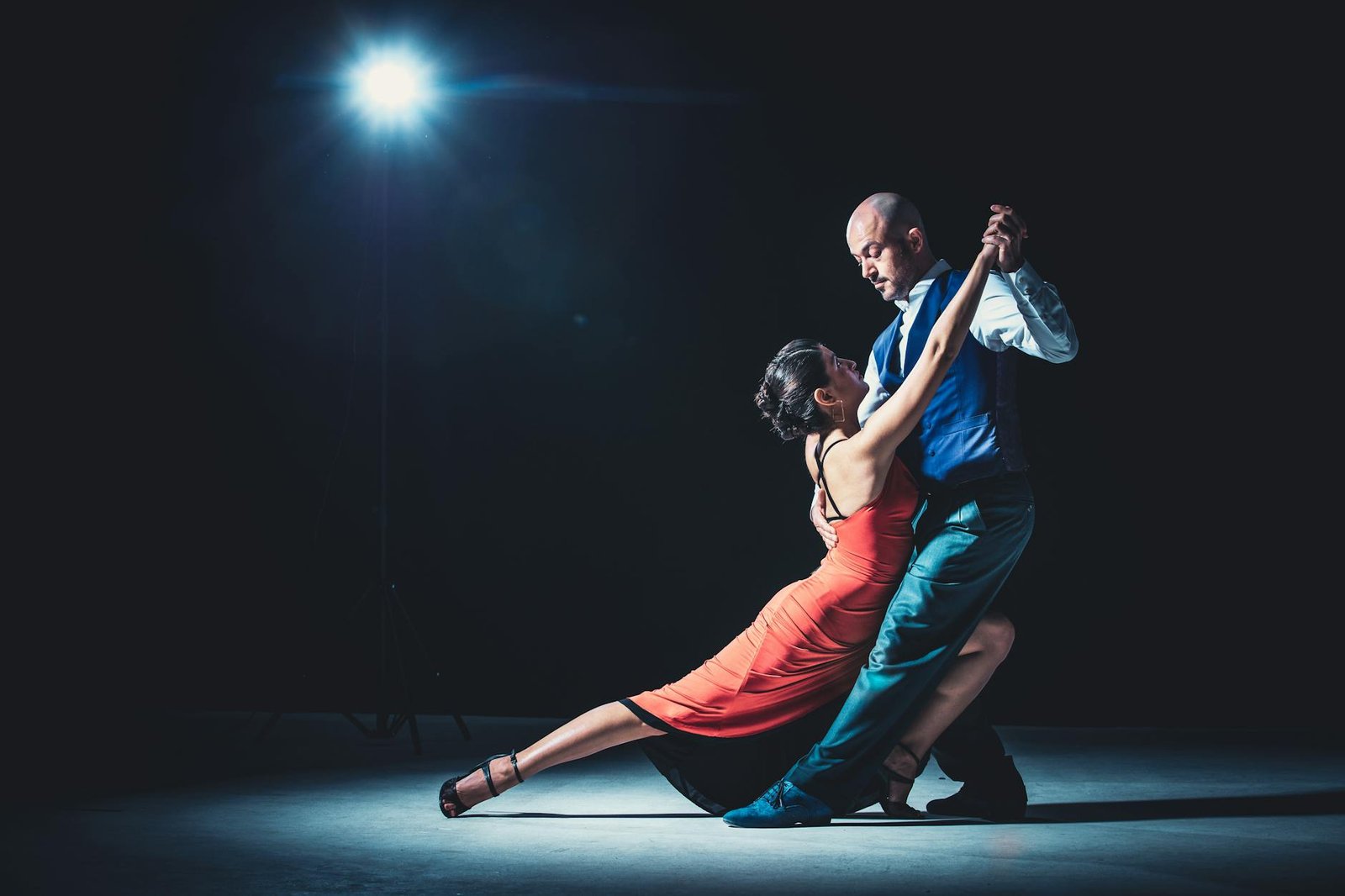
Understanding Waltz Timing
Waltz is in 3/4 time — three beats per measure. The first beat is always strongly accented in the music. When you hear a waltz, count along: ONE-two-three, ONE-two-three. Every step corresponds to one beat. The leader’s weight is on the ONE.
The Box Step for the Leader (Traditional Male Role)
First Half of the Box (Forward Half)
- Count 1: Step forward with your left foot. Weight transfers fully to the left foot.
- Count 2: Step to the right with your right foot, slightly forward.
- Count 3: Bring your left foot to meet the right foot (feet together). Rise to the balls of your feet as you close.
Second Half of the Box (Back Half)
- Count 1: Step backward with your right foot. Weight transfers fully to the right foot.
- Count 2: Step to the left with your left foot, slightly back.
- Count 3: Bring your right foot to meet the left foot (feet together). Rise and lower.
Together, these 6 steps trace a box: forward-right-close, back-left-close.
The Box Step for the Follower (Traditional Female Role)
The follower mirrors the leader — when the leader steps forward, the follower steps backward:
- Count 1: Step backward with right foot.
- Count 2: Step left with your left foot.
- Count 3: Close right foot to left. Rise and lower.
- Count 1: Step forward with left foot.
- Count 2: Step right with right foot.
- Count 3: Close left to right.
Rise and Fall: The Signature of Waltz
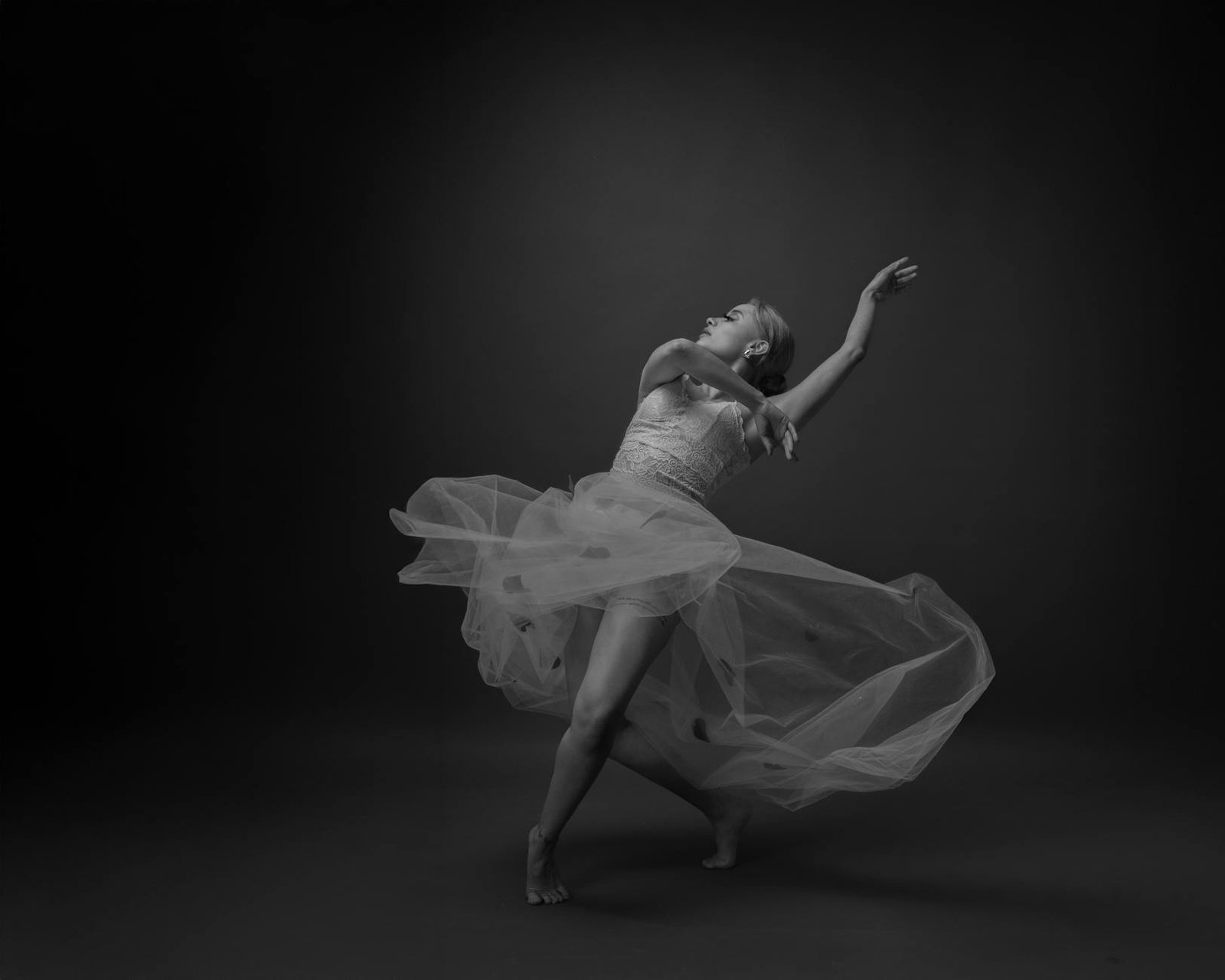
What distinguishes waltz from other box-step dances is the rise and fall through each measure:
- Count 1 (step): Low — slight knee bend as weight lands
- Count 2 (side step): Begin to rise — straighten the standing knee
- Count 3 (close): Full rise — on the balls of both feet at the moment of closing
- Transition to count 1: Lower through the foot — heel lowers, then knee bends to prepare for the next step
This rise and fall creates the flowing, undulating quality that makes waltz look like waltz. Without it, the dance looks mechanical.
Common Mistakes to Fix
- Staring at your feet: Look up and over your partner’s shoulder. Your feet will find their way.
- Stepping with a flat foot: On counts 2 and 3, step through the ball of the foot rather than placing the whole foot flat.
- Not completing the rise: Many beginners skip the rise because it feels unnatural. The rise is what makes waltz beautiful — don’t skip it.
- Rushing count 1: The first count is always strong and landed — don’t rush through it to get to count 2.
Adding Rotation to the Box Step
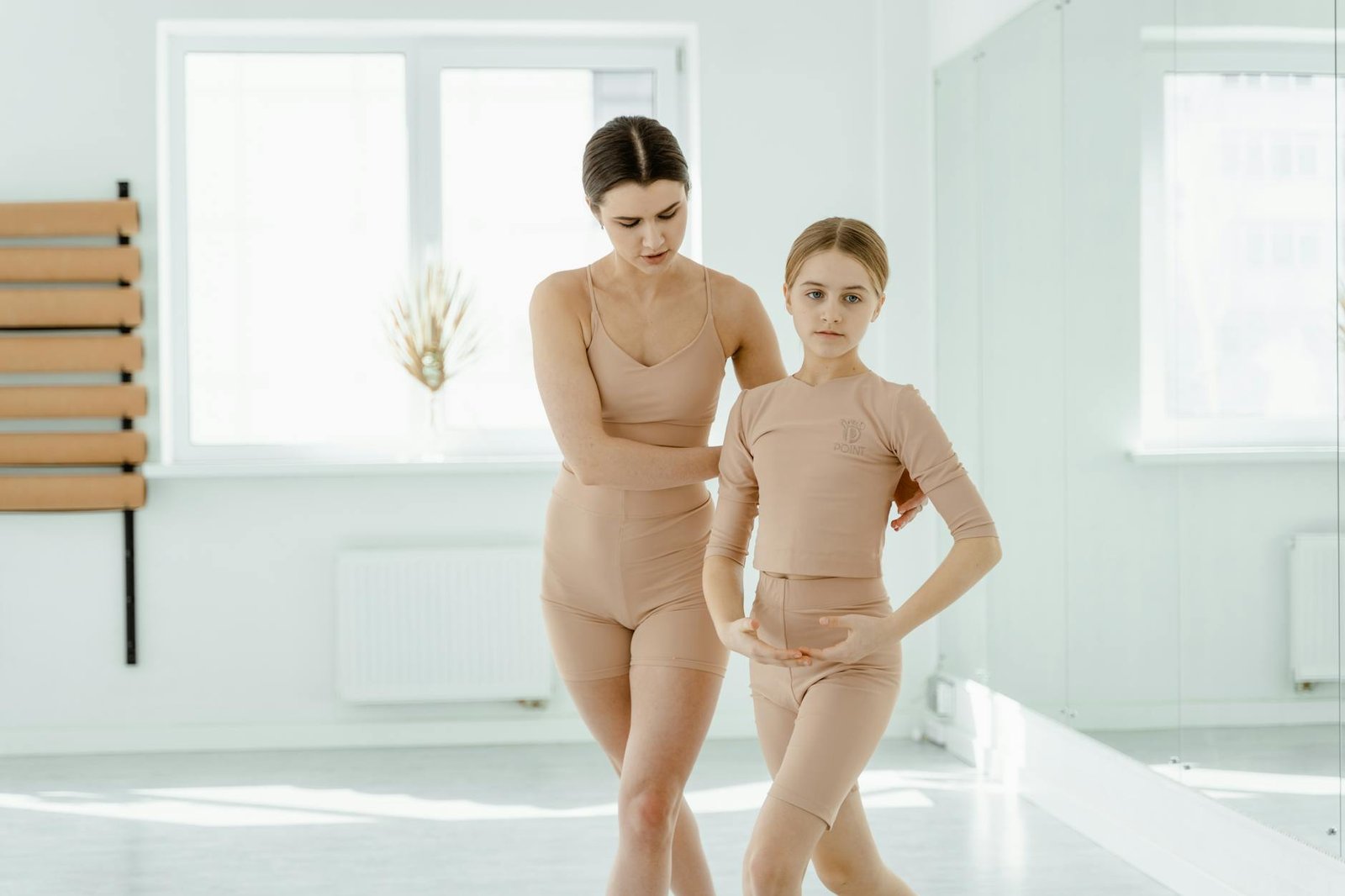
Once the basic box step feels natural, begin adding a quarter turn on each box. Rotate left (counterclockwise) through each full box. After four boxes, you’ll have turned a full circle. This is the beginning of the progressive waltz box turn and is how waltz fills the floor.
Practice tip: Before adding a partner, practice the footwork alone until the step pattern and rise-fall feel automatic. Adding a partner while still thinking about your own feet is twice as hard as doing it separately first.