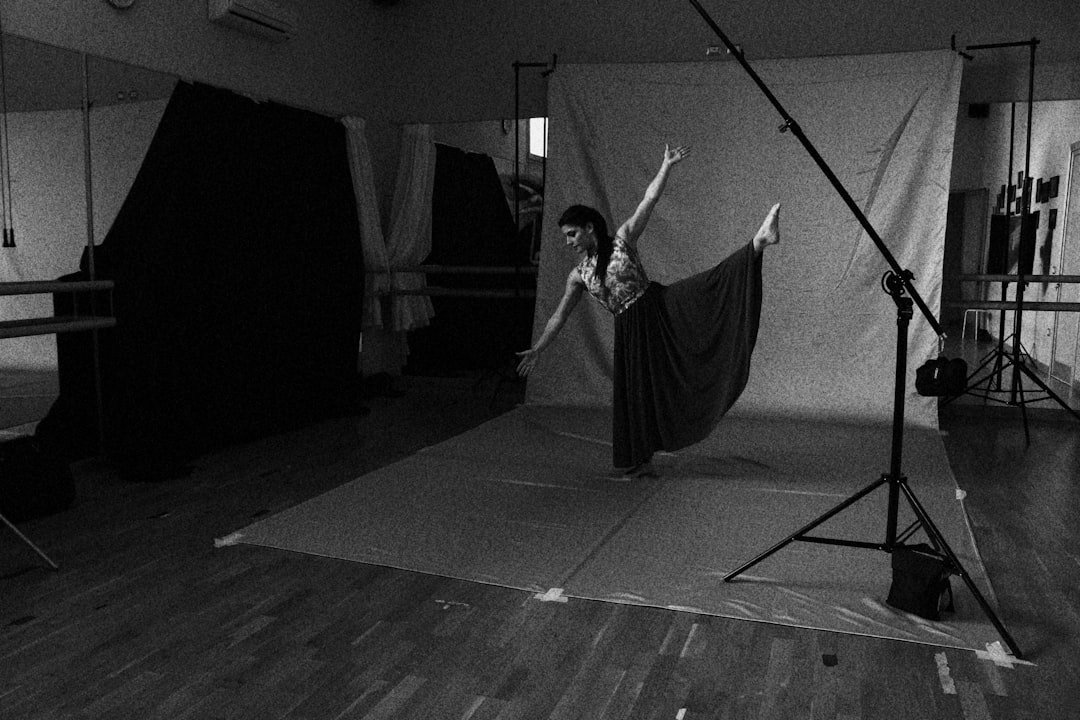
Jazz dance is one of the most versatile styles in the dance world — it shows up in Broadway shows, pop music videos, competition circuits, cheerleading, and fitness classes. Understanding what jazz dance actually is (and isn’t) helps you find the right class and build the right technique.
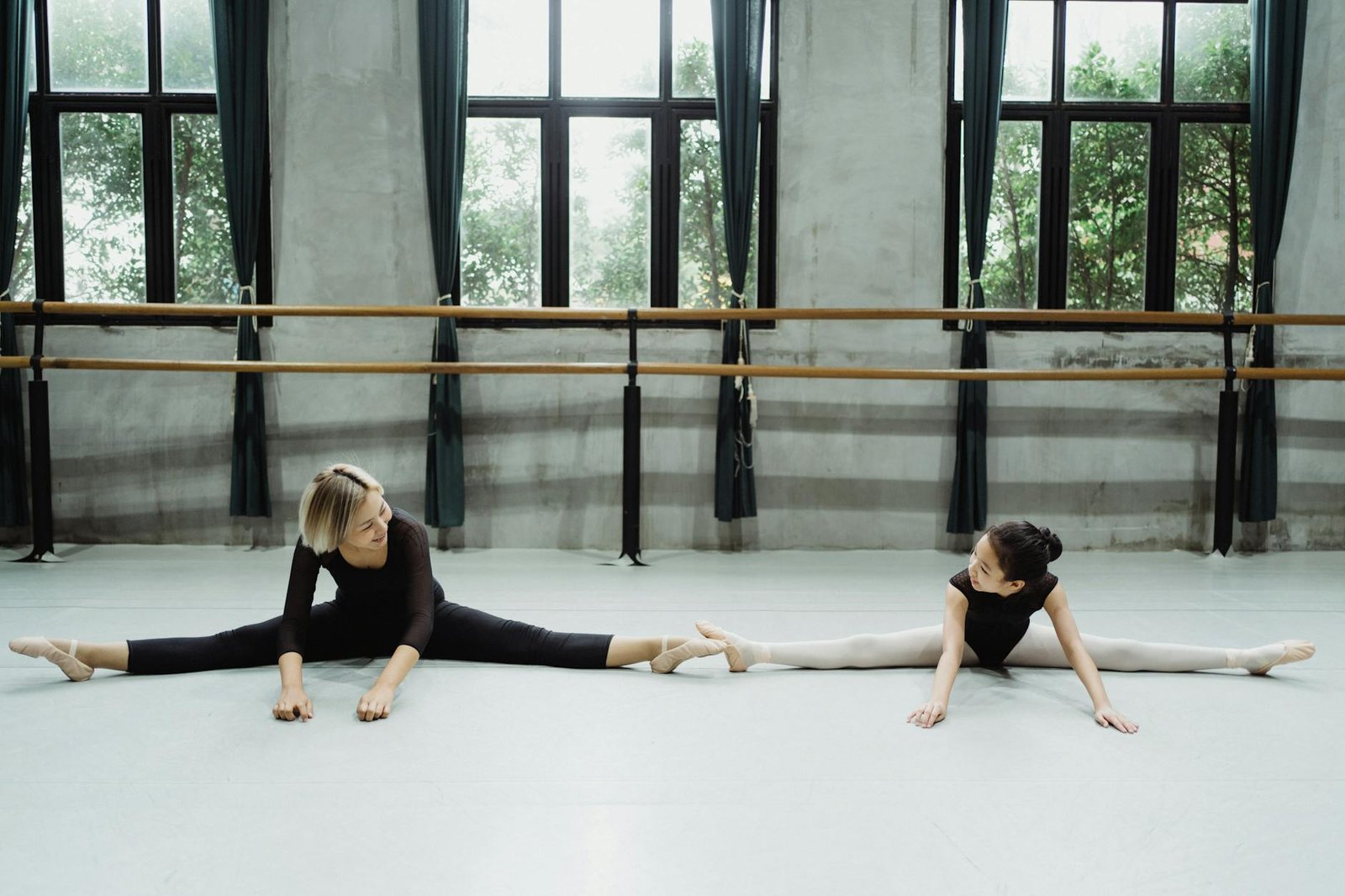
What Is Jazz Dance?
Jazz dance is an American dance style that developed in African American communities in the early 20th century, drawing from African rhythmic traditions, ballet technique, and the popular social dances of each era. It’s characterized by:
- Syncopated rhythm: Movement accents that fall off the beat, creating a “jazzy” musical relationship
- Parallel and turned-out positions: Unlike ballet’s constant turnout, jazz uses both turned-out and parallel foot and leg positions
- Isolations: Moving individual body parts independently — the chest, hips, and shoulders can move without the rest of the body
- Athletic performance: Big leaps, sharp turns, high kicks, and acrobatic elements
- Stylization: Jazz requires personality and performance quality — technique alone isn’t enough
A Brief History of Jazz Dance
Jazz dance’s roots are in African American social dances of the early 1900s — the Charleston, the Lindy Hop, the Cake Walk. Broadway choreographers including Jack Cole and Bob Fosse transformed these into stage forms. Fosse’s distinctive style (turned-in knees, bowler hats, jazz hands, hunched postures) remains one of the most recognizable aesthetics in theatre. Today’s commercial jazz dance incorporates elements of hip-hop and contemporary, creating the “lyrical jazz” and “contemporary jazz” subgenres common in competition dance.
What a Jazz Class Looks Like
- Warm-up: Typically begins on the floor — roll-downs, spinal articulations, hip circles, and isolation drills
- Barre or center warm-up: Pliés, tendus, and stretches to prepare the legs
- Across the floor combinations: Traveling sequences to practice turns, leaps, and footwork patterns
- Center technique: Jumps, turns (jazz pirouettes, pencil turns), and style combinations
- Choreography: A piece of choreography that applies everything from class
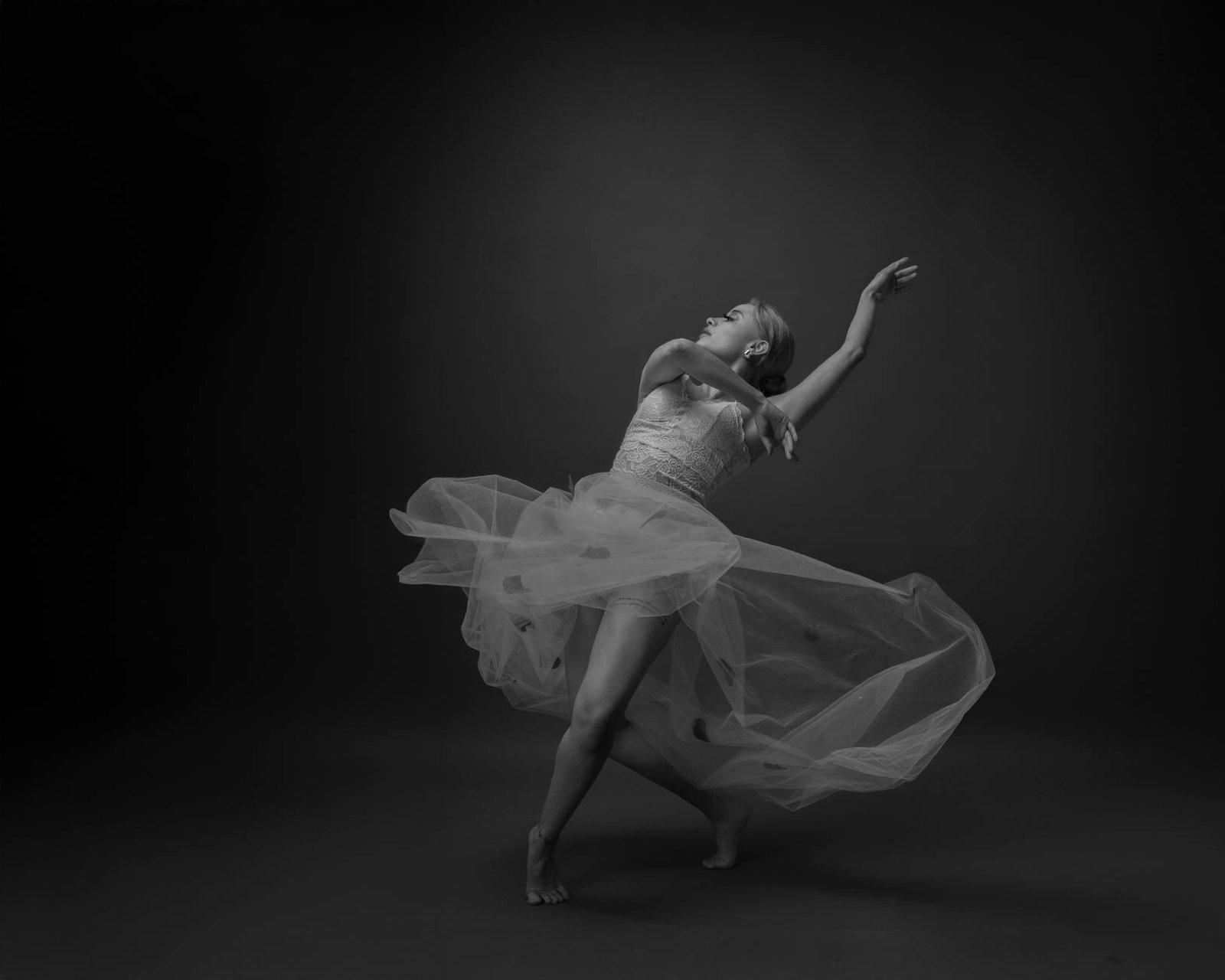
Core Jazz Technique for Beginners
- Jazz walk: A grounded, deliberate walk that arrives toe-ball-heel. Different from normal walking — it uses the whole foot consciously.
- Jazz square: A 4-step pattern crossing one foot in front, stepping back, stepping out, and stepping forward. The classic jazz footwork pattern.
- Chassé: Step-together-step traveling sideways. Used constantly in combinations and as a preparation for turns and jumps.
- Jazz pirouette: Turning from parallel fifth (both feet parallel rather than turned out), typically with a “prep” step. Easier for beginners than ballet pirouettes because the preparation is more natural.
- Contraction: Drawing the abdominals in and curving the spine — borrowed from modern dance, used frequently in contemporary jazz
Jazz Dance Styles to Know
- Broadway jazz: Theater-focused, storytelling through movement, influenced by Fosse, Gower Champion, Agnes de Mille
- Lyrical jazz: Emotional, flowing movement that interprets song lyrics. The most popular competition jazz style.
- Contemporary jazz: Fuses jazz technique with contemporary dance aesthetics — more floor work, less show-face
- Commercial/new-style: The jazz style used in pop music videos and TV — hip-hop influenced, current artist choreography
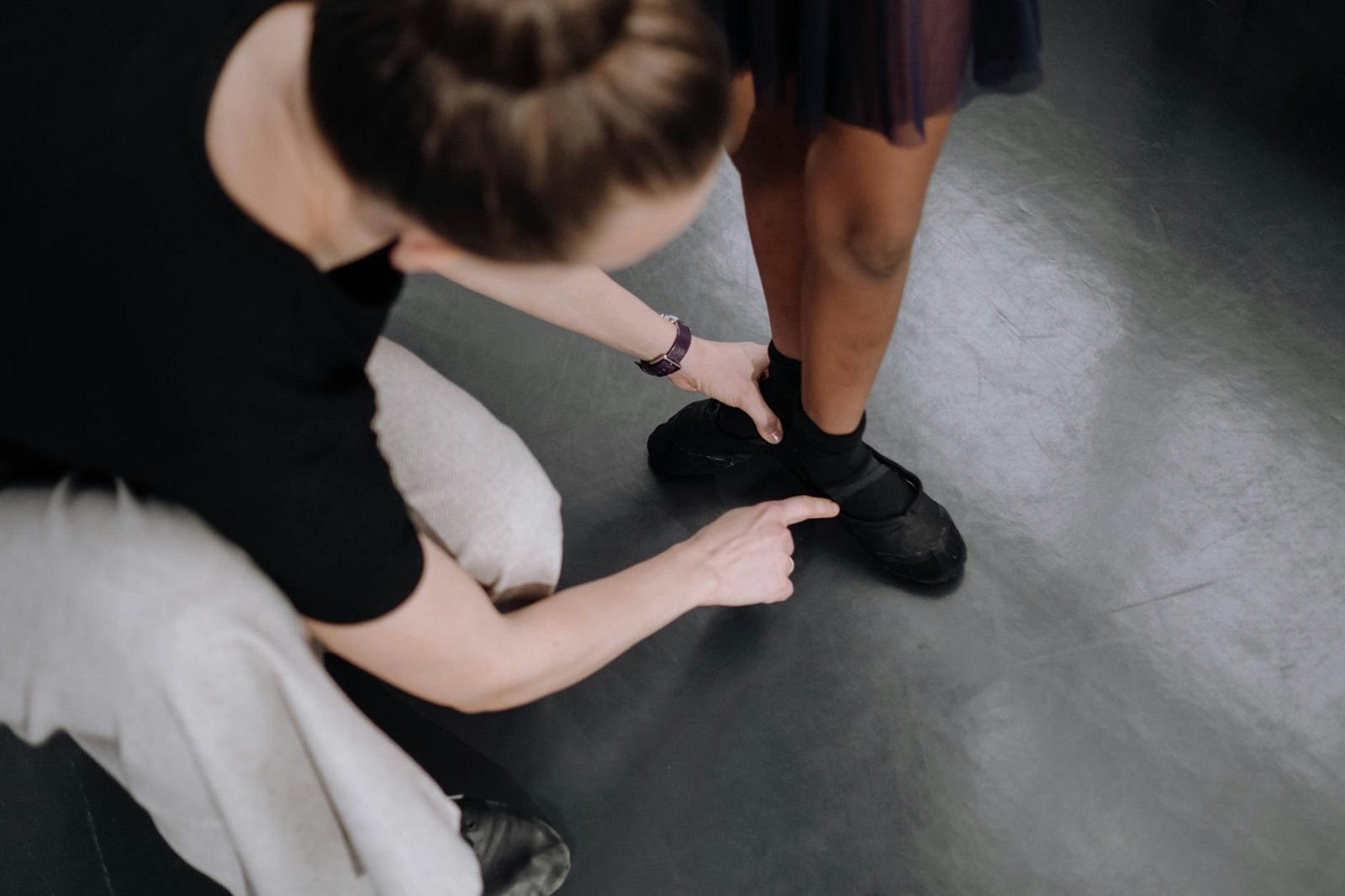
What to Wear to Jazz Class
Jazz class requires fitted clothes — leggings and a fitted top work perfectly. You’ll need jazz shoes (Capezio DS11 Dansneaker for cross-training style, or a classic Capezio Oxford jazz shoe for traditional technique). No loose clothing — teachers need to see your body’s alignment to give corrections.
Starting out: Look for a “Jazz Fundamentals” or “Adult Beginner Jazz” class. If your background is ballet, you’ll adapt quickly — many of the positions overlap. If you’re coming from hip-hop, you’ll need to adjust to the extended technique demands but will find the rhythm and performance aspects feel natural.