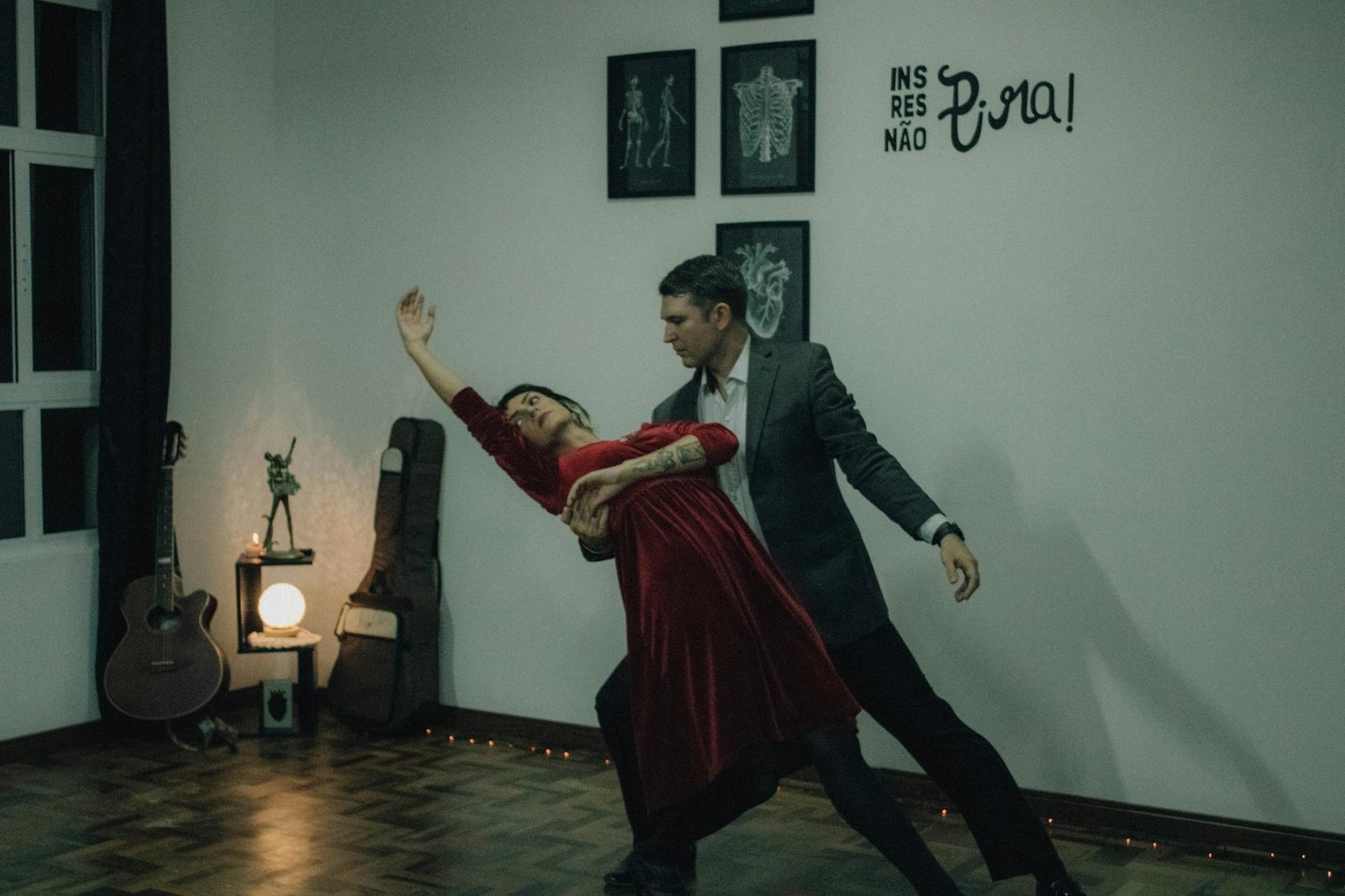
The floor is where dancing happens and where most home practice spaces fall short. Your apartment’s hardwood, laminate, or carpet is not designed for dance — it’s too slippery, too sticky, or too high-friction depending on the style. The right dance floor changes how everything feels.
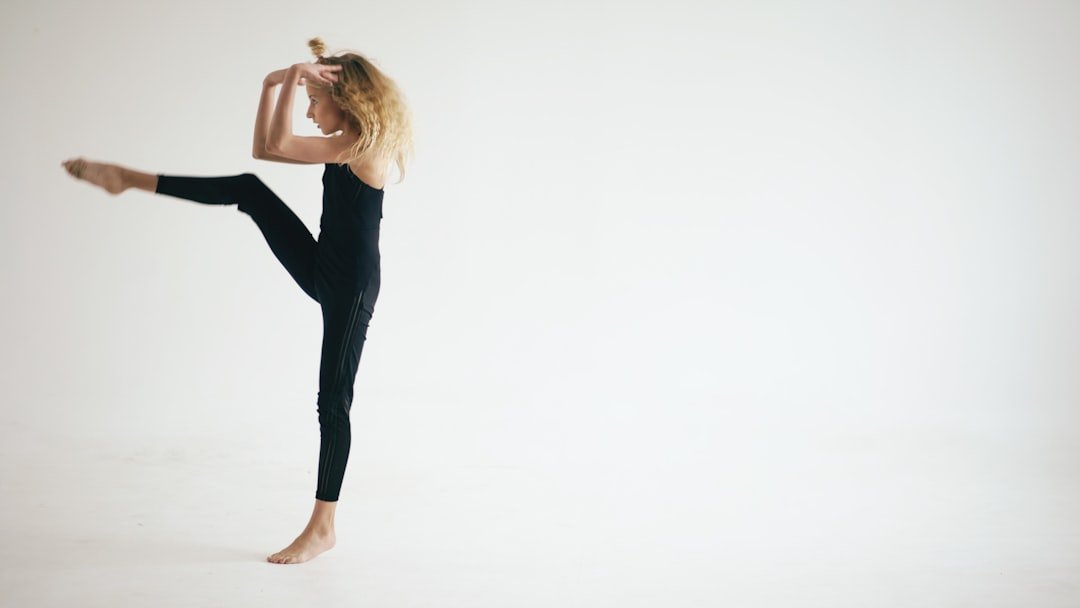
What Different Dance Styles Need From a Floor
- Ballet / Contemporary: A surface with controlled glide — not perfectly slippery, but allowing the foot to slide through tendus without friction burning the sole
- Jazz / Musical Theatre: Similar to ballet, with slightly more traction for quick direction changes
- Hip-hop / Street dance: More grip than ballet — the foot needs to lock and pivot rather than slide
- Ballroom / Latin: Very specific — smooth enough for slide steps but with the traction to prevent falls during quick weight transfers
- Tap: Hard surface for sound resonance — wood or tile. The floor affects the sound quality significantly
Best Overall: Rosco Adagio Marley Roll
Rosco Adagio is the industry standard — used in professional ballet companies, theatrical venues, and dance studios worldwide. The reason for its ubiquity: it provides the ideal balance of grip and glide for ballet, jazz, and contemporary, and its consistent surface improves turn quality noticeably over standard floors.
Sizes: Available in 5’x9′ rolls (sufficient for solo barre work) through full studio widths
Price: ~$150–$200 for a 5’x9′ section
Installation: Lay flat on any hard surface. Tape edges with dance floor tape (separate purchase) to prevent curling. For permanent installation, glue down using manufacturer-approved adhesive.
Best Alternative: Stagestep Marley Floor
Stagestep is Rosco’s main competitor in professional dance flooring. Slightly less widely specified but used in many Broadway productions and professional companies. The performance is comparable — if you find Stagestep at better pricing, it’s a legitimate alternative.
Price: ~$130–$180 for comparable sizes
Best for Budget: Interlocking EVA Foam Tiles
For a 10’x10′ practice area, interlocking foam tiles run ~$80–$120. These don’t provide the slide of Marley (too much friction for ballet turns) but cushion jumps well and create a safer floor for floor work and conditioning exercises. Appropriate for hip-hop, contemporary floor work, and conditioning-focused practices.
Price: ~$0.75–$1.50 per square foot
Best for Tap: Hardwood-Look Vinyl Plank
Tap requires a hard resonant surface. Vinyl plank flooring (LVP) laid over foam underlayment produces good tap sound at lower cost than hardwood and is more level-friendly than tile. Many tap dancers use a small section of LVP specifically for tap practice alongside a Marley section for other styles.
Price: ~$2–$4 per square foot
What to Lay the Dance Floor On
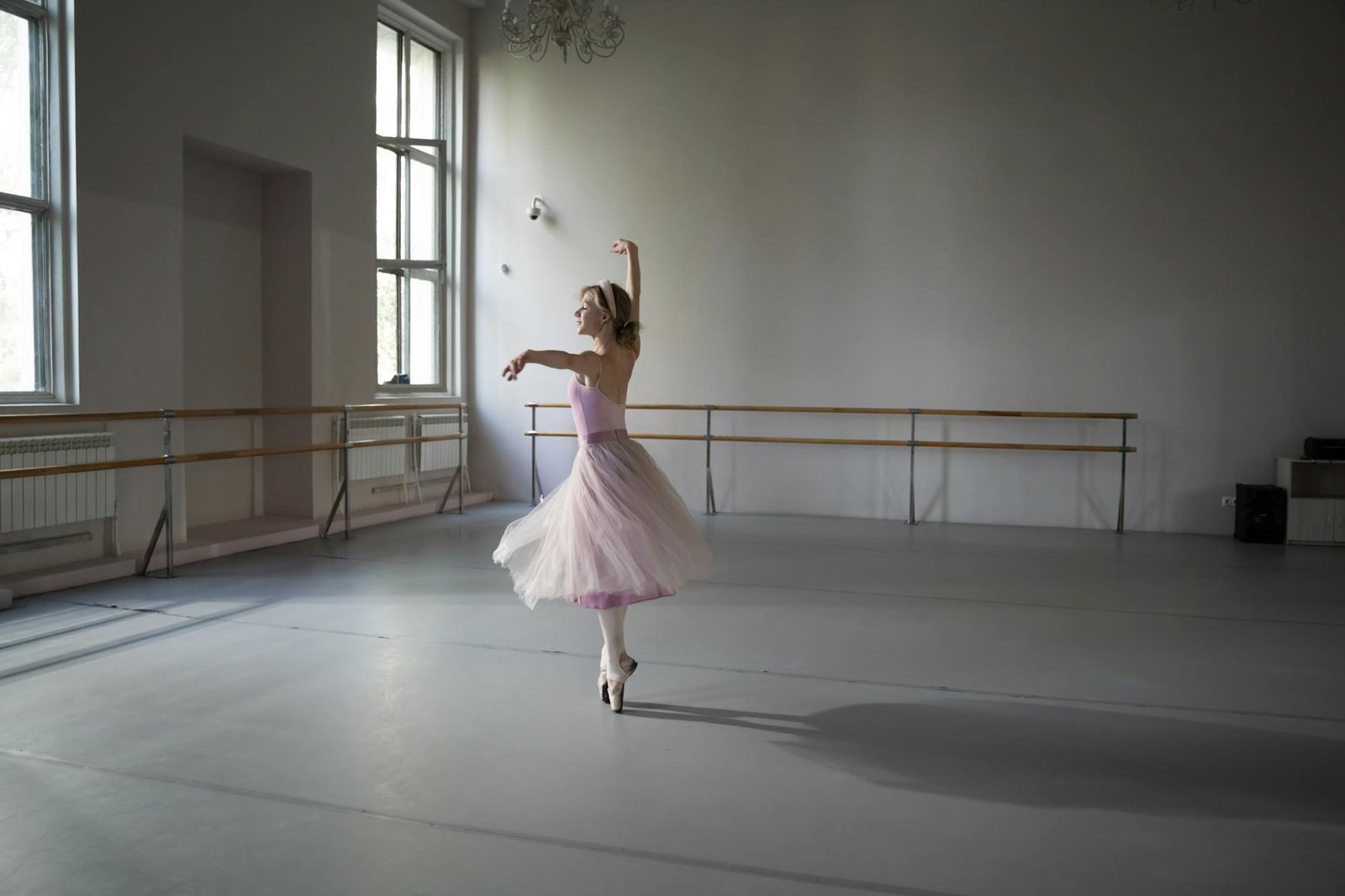
For a portable Marley roll, lay directly on any flat hard surface. For better results:
- A subfloor panel (like Greatmats or Rosco portable spring floors) under the Marley adds cushioning for jumping and significantly reduces impact on knees and ankles. Recommended for anyone doing significant jump or pointe work.
- Never lay Marley on carpet — it creates uneven surface and the Marley slides over carpet, creating a safety hazard
Starting recommendation: A 5’x9′ Rosco Adagio Marley roll covers solo practice and barre work. Upgrade to a larger section when your practice expands.