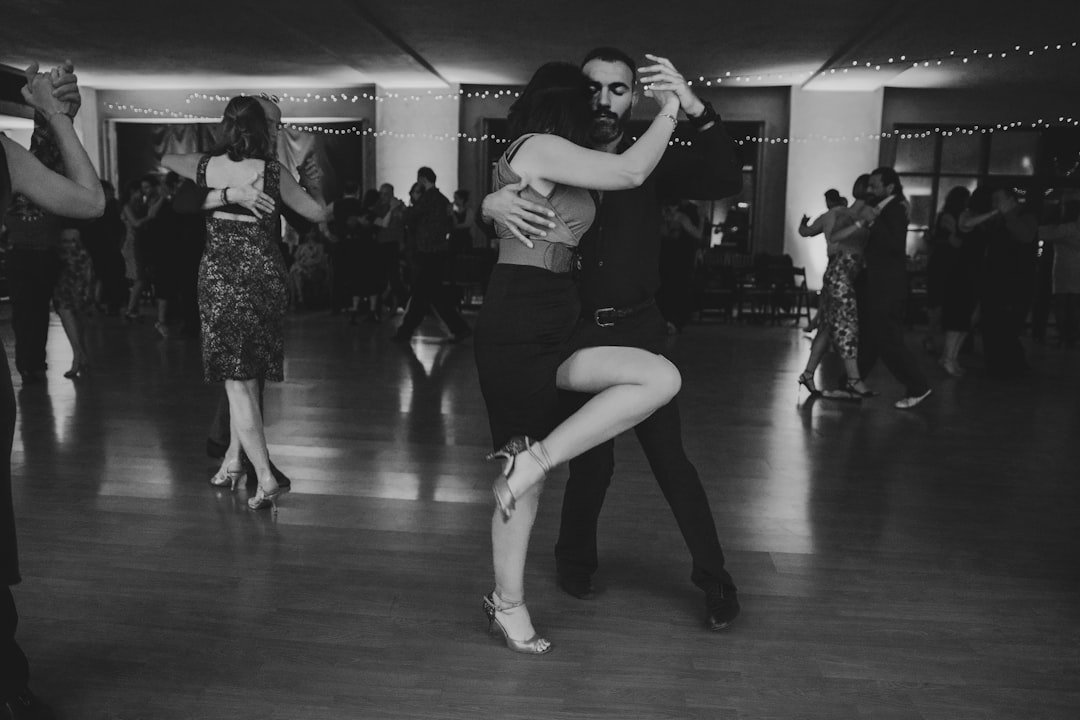
Ballroom dancing isn’t one style — it’s a family of ten distinct dances, each with its own music, rhythm, footwork, and character. Understanding the differences helps you choose the right dance to learn, find the right class, and appreciate what you’re watching at competitions.
This guide covers all ten dances recognized by the World Dance Council, split into their two main divisions: Standard (Smooth) and Latin.
Recommended Ballroom Dance Shoes
Best Overall
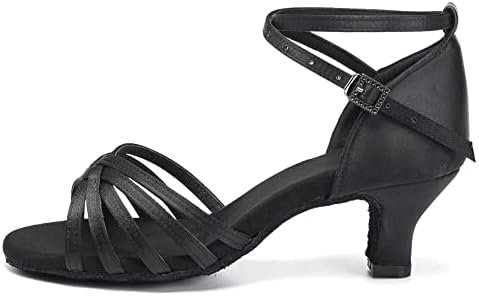
Ballroom Latin Dance Shoes for Women Salsa Tango Practice 2 Inch Heel
⭐ 4.8/5
Best Trusted Brand
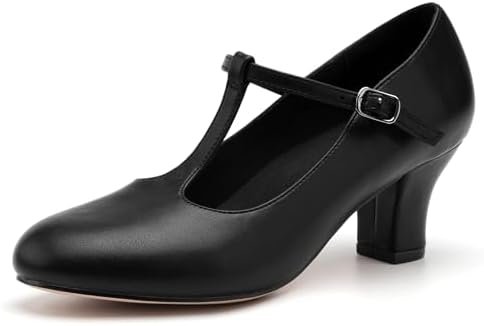
Stelle 2.5″ Character Shoes Women T-Strap Dance Heels for Ballroom Salsa
⭐ 4.5/5
Best for Practice
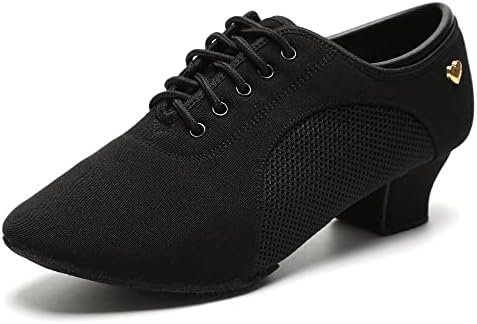
RoseMoli Women’s Lace-Up Ballroom Latin Salsa Dance Shoes
⭐ 4.5/5
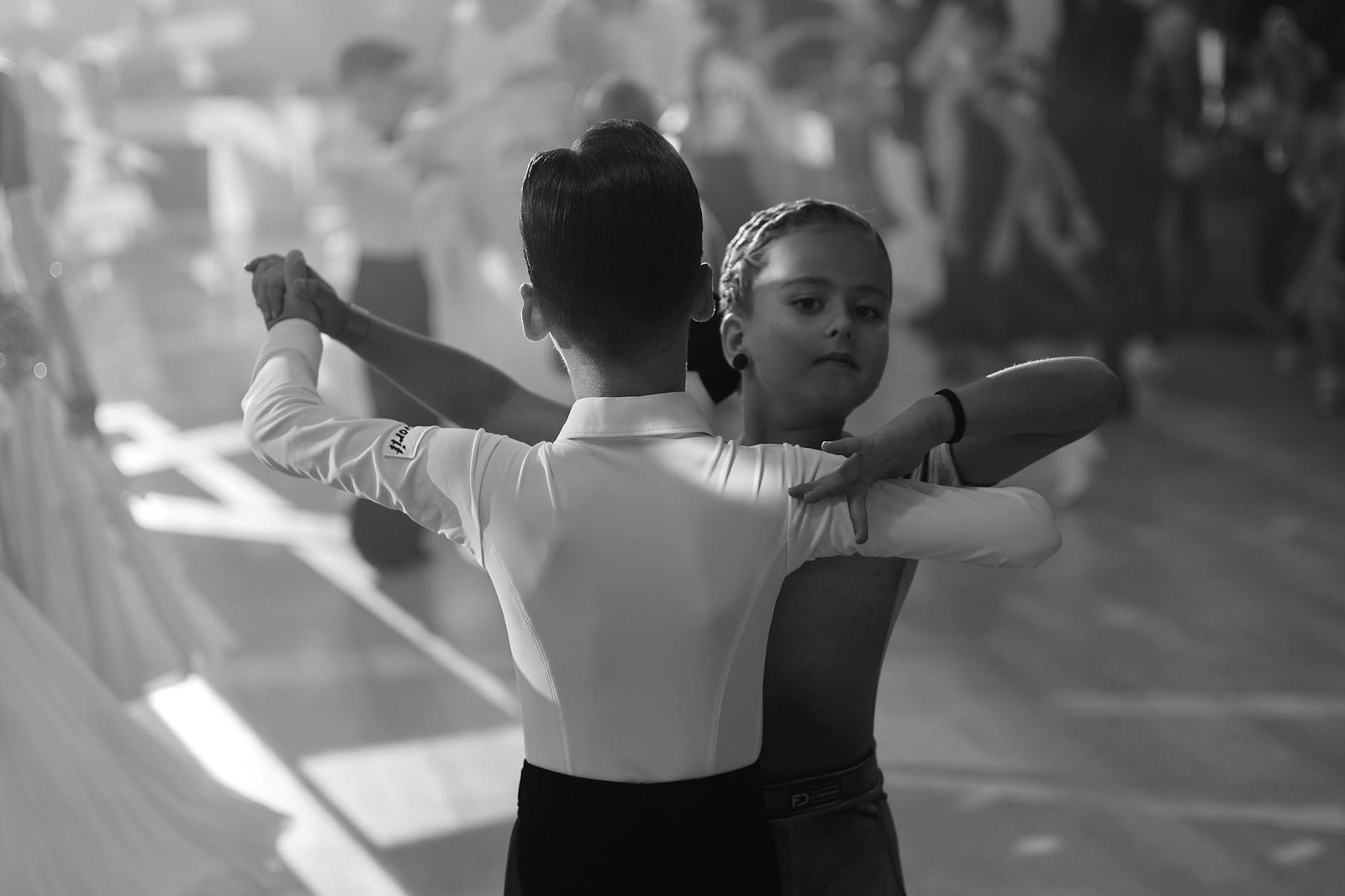
The Two Divisions of Ballroom Dance
Competitive ballroom dancing is divided into two categories:
- Standard (or Smooth in American style): Partners maintain closed hold — bodies close together, moving around the floor in the line of dance
- Latin (or Rhythm in American style): More open, expressive, hip-driven movement with frequent open holds and solo footwork
The 5 Standard Ballroom Dances
1. Waltz
The waltz is the first dance most beginners learn — elegant, sweeping, and danced in 3/4 time. The characteristic rise and fall (bending and straightening of the knees through each step) gives waltz its flowing, romantic quality.
Tempo: ~28–30 bars per minute | Origin: Austria/Germany | Character: Graceful, romantic, flowing
2. Tango
Ballroom tango is sharp, dramatic, and grounded — unlike Argentine tango, it never has the romantic close embrace. The footwork is stalking and precise, with quick head snaps that punctuate the music. Tango has no rise and fall; the knees stay slightly bent throughout.
Tempo: ~31–33 bars per minute | Origin: Argentina (via Europe) | Character: Dramatic, sharp, intense
3. Viennese Waltz
The original waltz — much faster than modern waltz, with continuous rotation around the room. It’s exhilarating to watch and terrifying to learn. Viennese waltz is dominated by natural (clockwise) and reverse (counter-clockwise) turns with very little other footwork.
Tempo: ~58–60 bars per minute | Character: Fast, dizzying, elegant
4. Foxtrot
Foxtrot is the smoothest, most sophisticated of the standard dances. Danced in 4/4 time with slow-slow-quick-quick timing, it looks effortless but requires excellent technique to execute properly. Think Fred Astaire.
Tempo: ~28–30 bars per minute | Origin: United States | Character: Smooth, sophisticated, musical
5. Quickstep
Quickstep is foxtrot on fast-forward — bouncy, energetic, and full of running steps, hops, and chassés. It’s the most athletic of the standard dances and deeply satisfying to watch when performed well.
Tempo: ~50–52 bars per minute | Character: Lively, bouncy, joyful
The 5 Latin Ballroom Dances
6. Cha-Cha
The cha-cha is where most Latin dancers begin. It has a playful, flirtatious character and a very clear rhythm — the cha-cha-cha pattern is easy to feel in the music even before you can identify it by name. Hip action is central to Latin dance and the cha-cha is a great place to start developing it.
Timing: 2-3-cha-cha-cha | Origin: Cuba | Character: Playful, flirtatious, energetic
7. Samba
Samba is the heartbeat of Brazilian carnival — full of bounce, joy, and fast hip and foot action. The characteristic samba bounce comes from a bent-knee pliê that absorbs and releases through every beat. It’s one of the most athletic Latin dances.
Tempo: ~50–52 bars per minute | Origin: Brazil | Character: Joyful, bouncy, festive
8. Rumba
Rumba is the slowest of the Latin dances — which makes it the hardest to perform well. Every movement is exposed. The music is sensual and the dance should tell a story of attraction and tension between partners. Cuban hip motion is most visible in rumba because there’s time to develop it fully.
Timing: 2-3-4-1 (count starts on 2) | Origin: Cuba | Character: Sensual, romantic, emotional
9. Paso Doble
Paso doble is Spanish drama in dance form — the man plays the matador, the woman his cape (or a flamenco dancer). It’s danced to march-like Spanish music, full of proud posture, stomps, and dramatic poses. It’s rarely social-danced but is spectacular in competition.
Origin: Spain/Southern France | Character: Proud, dramatic, theatrical
10. Jive
Jive is the Latin version of swing — fast, fun, and packed with kicks, flicks, and bouncy footwork. It’s typically the last dance at competitions because it’s the most exhausting. If you’ve ever watched American or British Strictly/DWTS finales, jive is the crowd-pleaser.
Tempo: ~42–44 bars per minute | Origin: United States (African American swing) | Character: Fun, energetic, cheeky
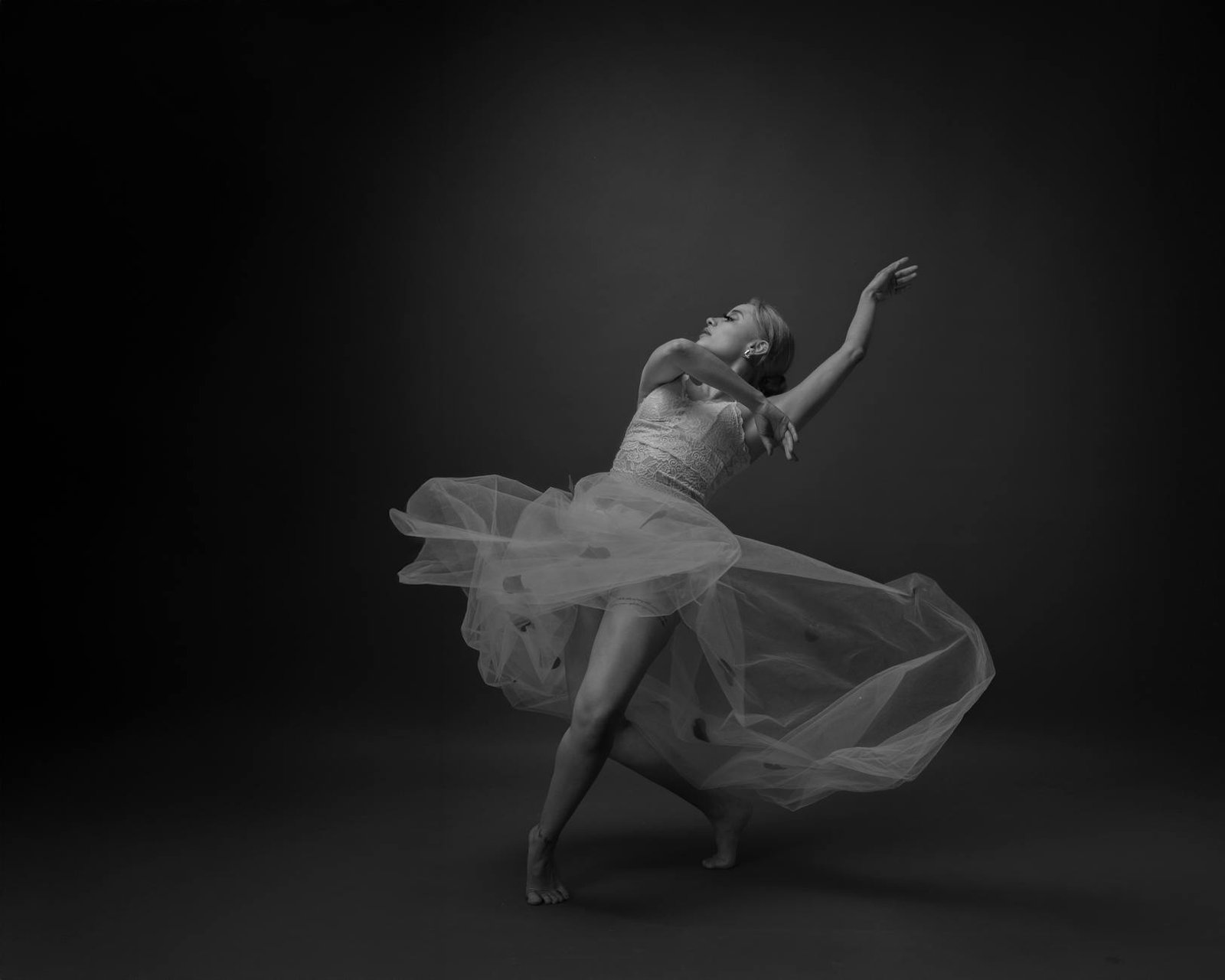
Which Ballroom Dance Should You Learn First?
This depends on your personality and your goals:
- Most beginner-friendly: Waltz (standard) or Cha-cha (Latin)
- Best for social dancing: Foxtrot or Rumba — these transfer most naturally to social ballroom situations
- Most impressive to watch: Quickstep or Jive
- Best if you love drama: Tango or Paso Doble
Most dance studios start adult beginners with waltz and cha-cha because they clearly illustrate the fundamental differences between standard and Latin technique, and both have music that’s easy to find and recognize.
Ballroom Dance vs. Social Dance vs. Argentine Tango
A quick clarification that confuses many beginners:
- Ballroom dance refers specifically to the ten dances above — they have standardized technique defined by international bodies
- Argentine tango is a completely separate dance with different technique — not the same as ballroom tango despite sharing the name
- Salsa is not a ballroom dance — it’s a social Latin dance taught at separate studios, though many ballroom dancers also learn salsa
Ready to start? Search for a local ballroom dance studio offering group beginner classes — most run 6–8 week beginner courses in waltz and cha-cha that are affordable and social. It’s one of the few activities that gets genuinely more fun the longer you practice.