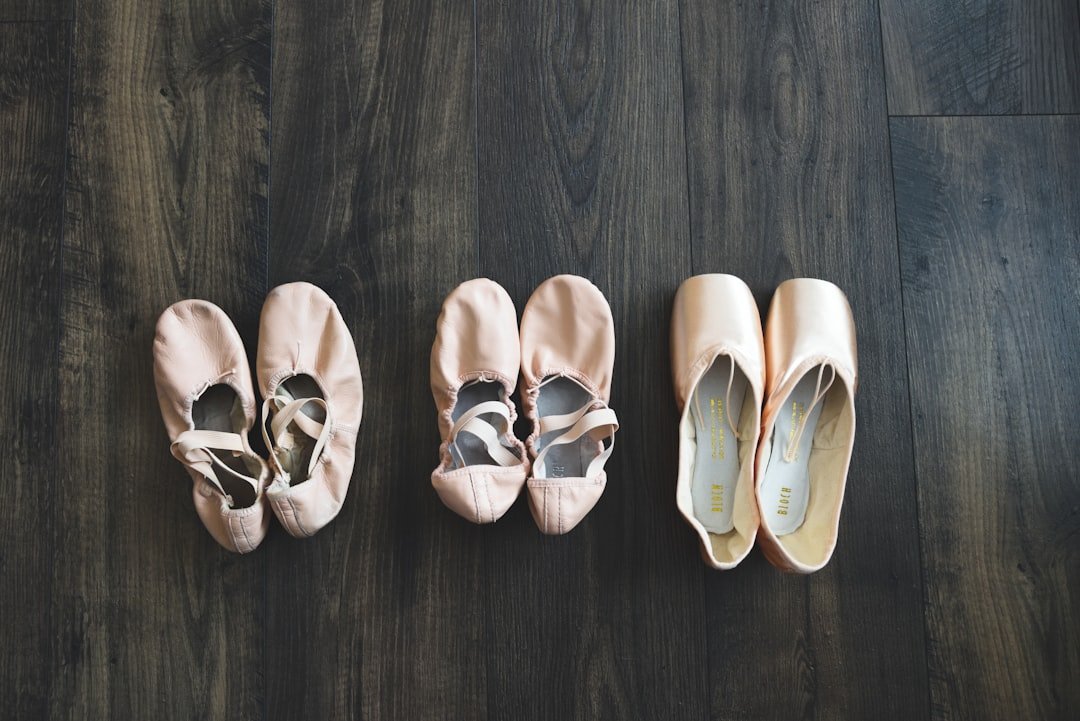
Walk into any dance store and you’ll face this choice immediately: canvas or leather? Both materials are used in professional ballet training, both come from top brands, and both can produce excellent results — but they feel completely different and suit different dancers.
The Key Differences at a Glance
| Feature | Canvas | Leather |
|---|---|---|
| Durability | Moderate (wears through faster) | High (lasts longer) |
| Breathability | Excellent | Moderate |
| Feel on foot | Lightweight, soft | Structured, molds over time |
| Washability | Machine washable | Spot clean only |
| Price | Lower ($18–$28) | Higher ($25–$40) |
| Break-in time | Minimal | Short to moderate |
| Foot line visibility | Very clear | Clear (slightly stiffer) |
When Canvas Wins
Choose canvas if you:
- Train 3+ times per week and sweat through shoes quickly
- Have wide feet — canvas stretches and conforms more generously
- Want the lightest possible shoe for jumps and allegro work
- Prefer a machine-washable option
- Are on a tight budget and don’t mind replacing more frequently
Canvas is the choice of many professional companies and serious students because of its light weight and the clarity of the foot’s line through the thin material.
When Leather Wins
Choose leather if you:
- Train once or twice a week and want shoes that last longer between replacements
- Have narrow or standard feet — leather’s structure holds better on slimmer feet
- Are a beginner who needs the shoe to provide more structure while developing foot strength
- Perform regularly — leather looks more polished and holds its shape better on stage
What Most Teachers Recommend
There’s no universal answer — different teachers and schools have strong preferences either way. However, the general pattern is:
- Recreational adult beginners: Leather Bloch Dansoft or Capezio Daisy — the structure helps while foot muscles are still developing
- Serious students training 4+ days/week: Canvas — better breathability, lighter weight, and the break-in is essentially instant
- Children: Canvas is typically easier to fit and more forgiving as feet grow quickly
The Split Sole Question
Both canvas and leather come in split sole and full sole versions — and this matters at least as much as material:
- Split sole: More flexible, shows the arch more dramatically. Better for intermediate and advanced dancers
- Full sole: More support and feedback for the foot — better for true beginners building foot strength
Most teachers recommend full sole for the first 6–12 months, then transitioning to split sole once foot strength is established.
Our recommendation: If you’re a beginner, start with a leather full-sole shoe (Bloch Dansoft). If you’re training frequently or already past the beginner stage, canvas split-sole (Bloch Performa or Capezio Canvas) is the choice of most working dancers.