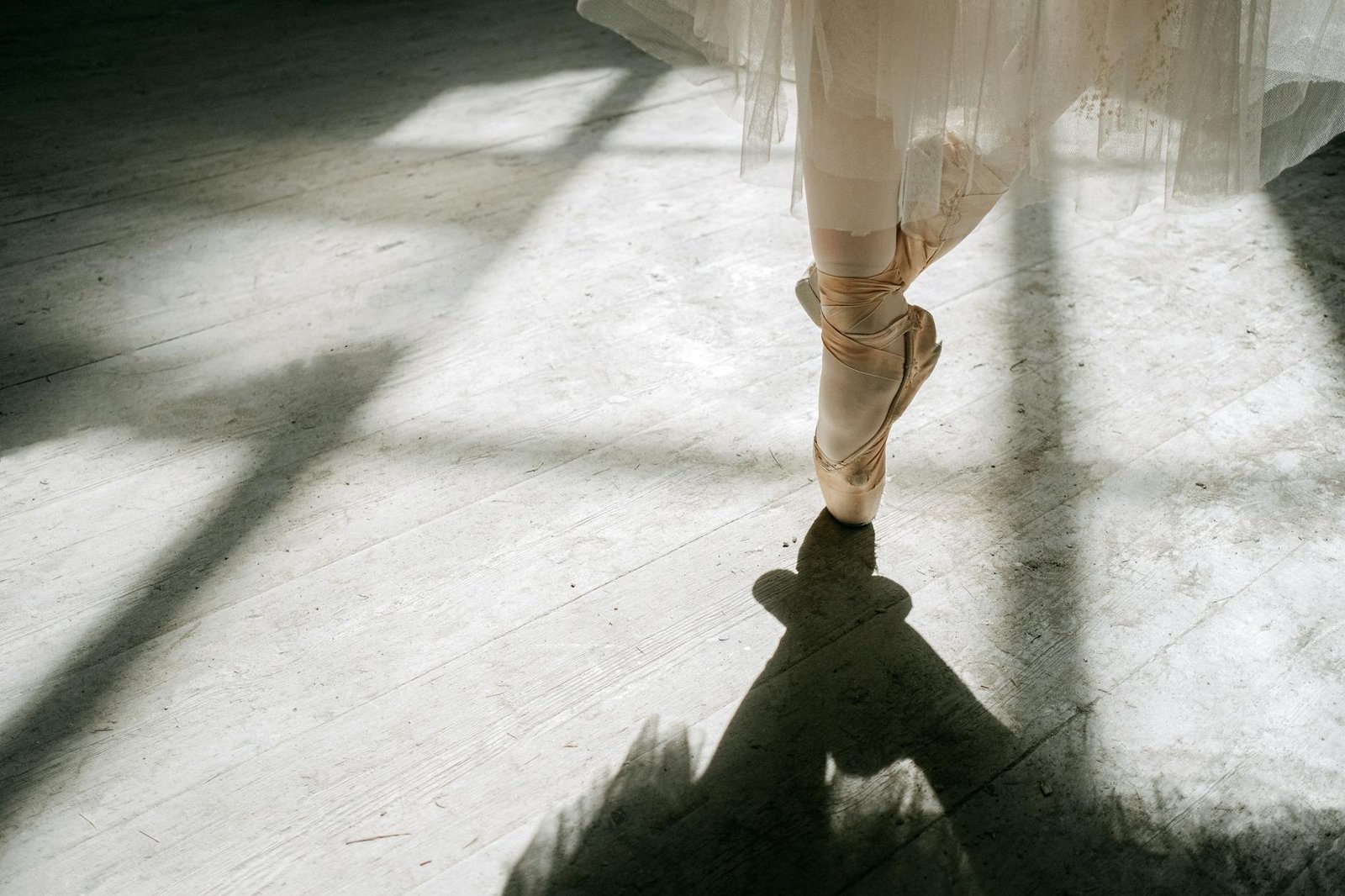
Turnout is where more ballet injuries begin than almost anywhere else — and most of them come from forcing a rotation the body isn’t ready for. Understanding what turnout actually is, where it comes from, and how to develop it correctly separates healthy, improving dancers from those who plateau or hurt themselves.
What Turnout Actually Is
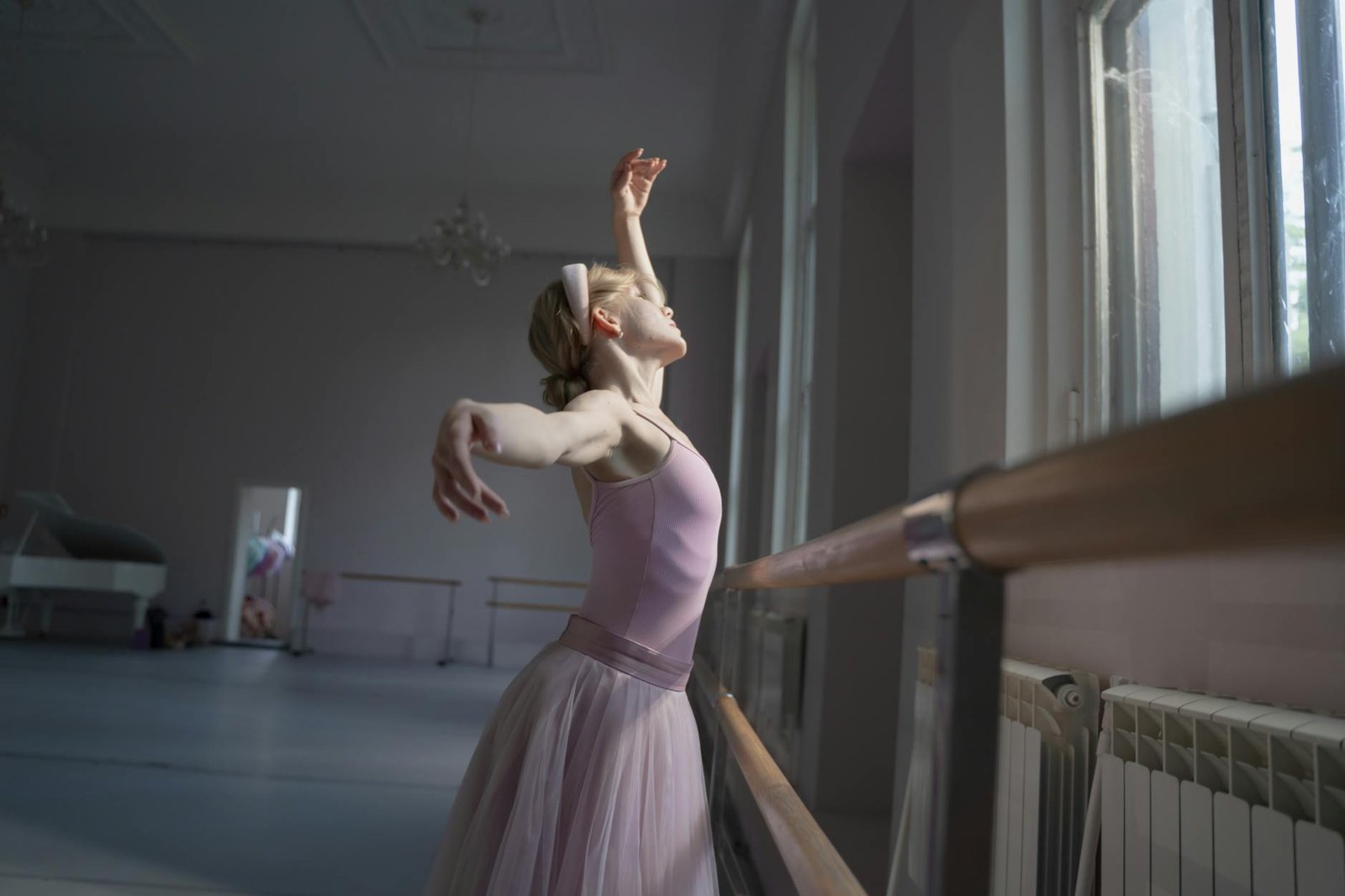
Turnout is the outward rotation of the entire leg from the hip socket — specifically, the femur (thigh bone) rotating externally within the acetabulum (hip socket). It is NOT a foot position, it is NOT a knee position, and it doesn’t come from the ankle.
When dancers turn their feet out by twisting at the knee or rolling the ankles inward, they create the appearance of turnout without the actual hip rotation. This approach damages the knee and ankle over time while providing no genuine rotation benefit.
How Much Turnout You Have Is Partly Structural
The shape of the hip socket and the angle at which the femoral head sits in it are largely determined by genetics and early skeletal development. Professional ballet companies look for dancers with naturally deep hip sockets that allow 90° or more of turnout from birth — and even professional dancers rarely achieve perfectly flat turnout.
This doesn’t mean turnout can’t be improved. But it means there’s a ceiling, and working within your natural range rather than against structural limits is both safer and more effective.
How to Find Your True Working Turnout
- Stand with feet hip-width apart, parallel
- Rotate both legs outward from the hip as far as you can without moving the knees or ankles
- Check: are your knees tracking over your toes? Is your arch collapsing? Is your knee twisting forward? If yes, your feet are out further than your hips can support.
- Pull the feet back slightly until the knees track correctly and the arches are supported. This is your working turnout.
Exercises to Develop Turnout
Frog Stretch
Lie face down with knees bent out to the sides, soles of the feet facing the ceiling. Hold the position for 60–90 seconds, allowing gravity to gently stretch the hip rotators. This is a passive stretch and should feel like a comfortable opening, not pain.
External Rotation Hip Strengthening
Resistance band around the ankles, standing with feet hip-width parallel. Maintaining an upright posture and still standing foot, externally rotate one leg outward (toes tracking the rotation, not just the foot turning). Return slowly. 15 repetitions each side. This builds the six external rotator muscles that produce turnout.
Butterfly Sit — Active Version
Seated butterfly position (soles together). Rather than pressing down passively, use your own hip external rotators to actively try to push the knees down. Hold 5 seconds, release. 15 repetitions. This is active turnout work rather than passive stretching.
Standing Turnout Hold
In first position, engage the turnout by externally rotating from the hip. Squeeze the rotators lightly and hold for 10 counts. Release. Repeat 10 times. This teaches the muscles what active turnout engagement feels like — useful for maintaining it during combinations.
What Teachers Mean by “Pulling Up the Turnout”
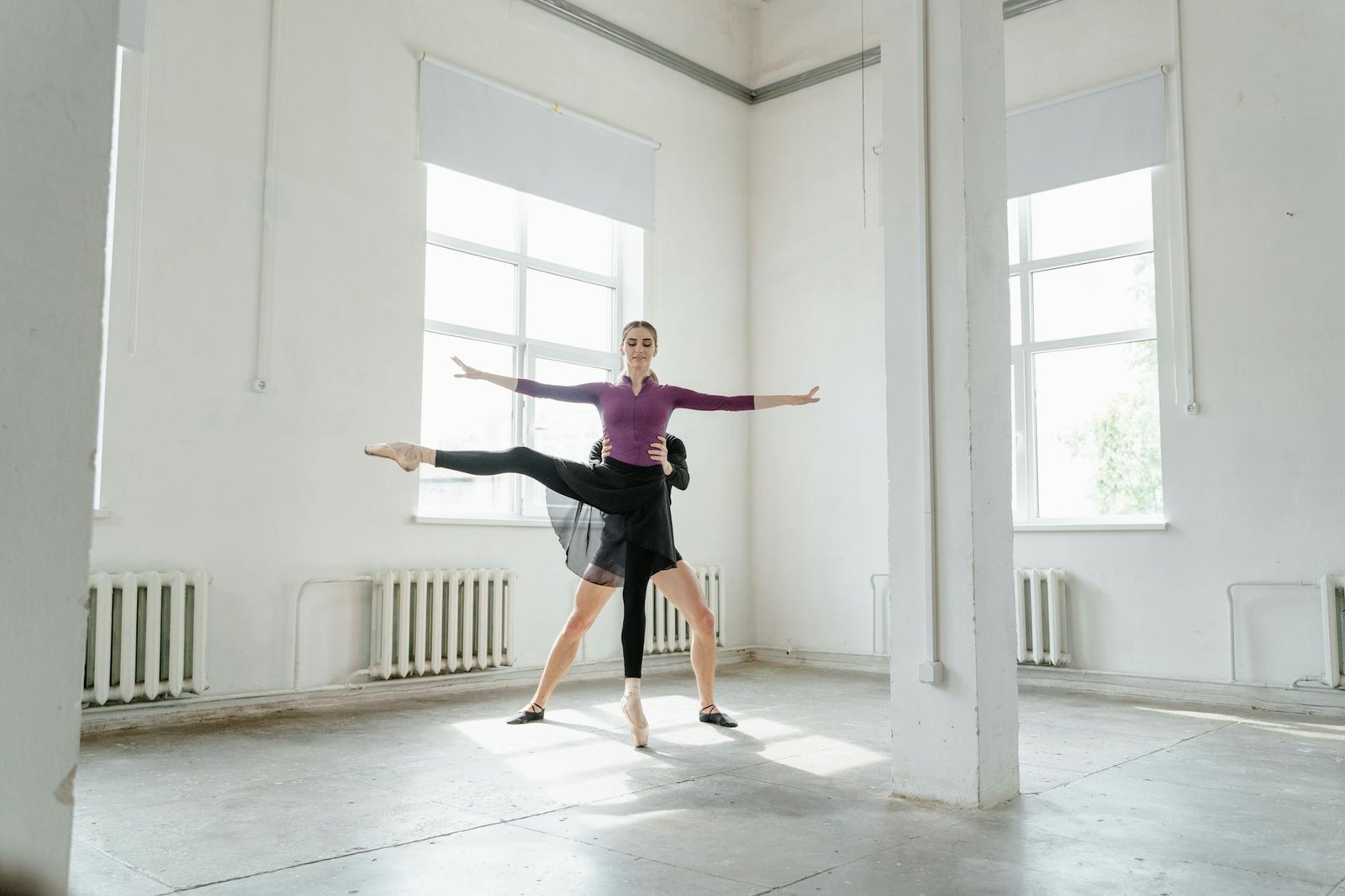
This cue refers to actively engaging the external rotators during dancing rather than passively standing in whatever position gravity creates. A turned-out position held by muscle engagement looks and functions completely differently from a turned-out position created by foot placement alone.
How Long Does Turnout Development Take?
With consistent targeted work (3–5 sessions per week of specific exercises):
- Noticeable improvement in active turnout: 3–6 months
- Structural flexibility improvements: 6–18 months of consistent work
Turnout is a long game. Gains are real but slow. Maintenance is required — turnout developed from training decreases quickly without continued work.