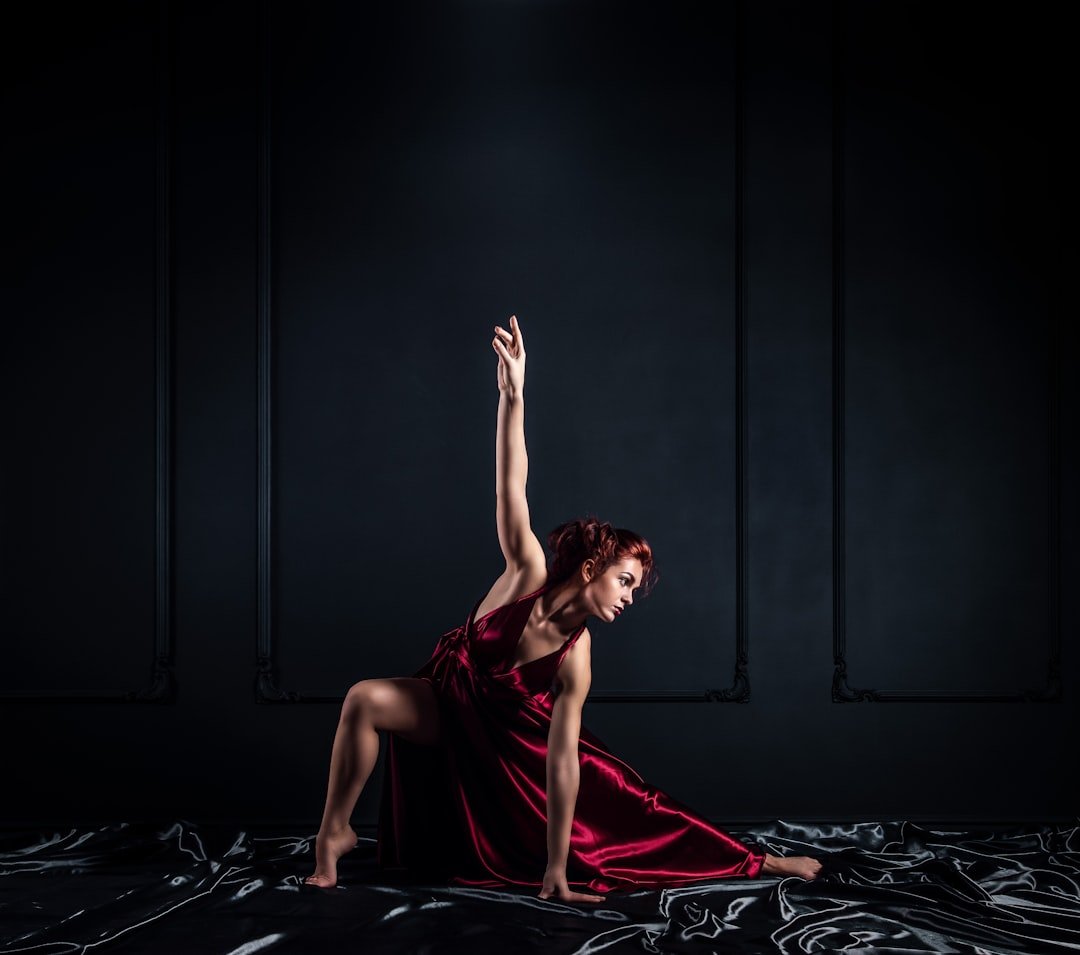
Flamenco is not just a dance style — it’s a cultural art form from Andalusia, Spain, with roots in the Romani, Moorish, and Spanish traditions of southern Spain. What most people know is a theatrical version; authentic flamenco is rawer, more improvised, and deeply connected to emotional expression.
What Flamenco Actually Is
Flamenco encompasses three interconnected arts:
- El baile (the dance): What most people know — the footwork (zapateado), arm movements (braceo), and expressive body language
- El cante (the song): The vocal tradition of flamenco, considered by many the soul of the art form
- El toque (the guitar): Flamenco guitar, a distinct technique from classical guitar with improvised dialogue between guitarist and dancer
In a complete flamenco performance, all three interact live. Even in studio classes, the music is central — you can’t learn flamenco correctly without understanding the rhythmic structure of the music.
Compás: The Rhythmic Foundation
Before any footwork, flamenco students must understand compás — the rhythmic cycle of each flamenco style (palo). Each palo (Soleá, Bulerías, Seguiriyas, Alegrías, etc.) has a distinct rhythmic pattern and emotional character.
The most common compás for beginners is Alegrías — a 12-beat cycle with a lively, joyful character. You’ll clap and feel the rhythm before ever adding footwork.
Core Technique Elements
Braceo (Arm and Hand Movements)
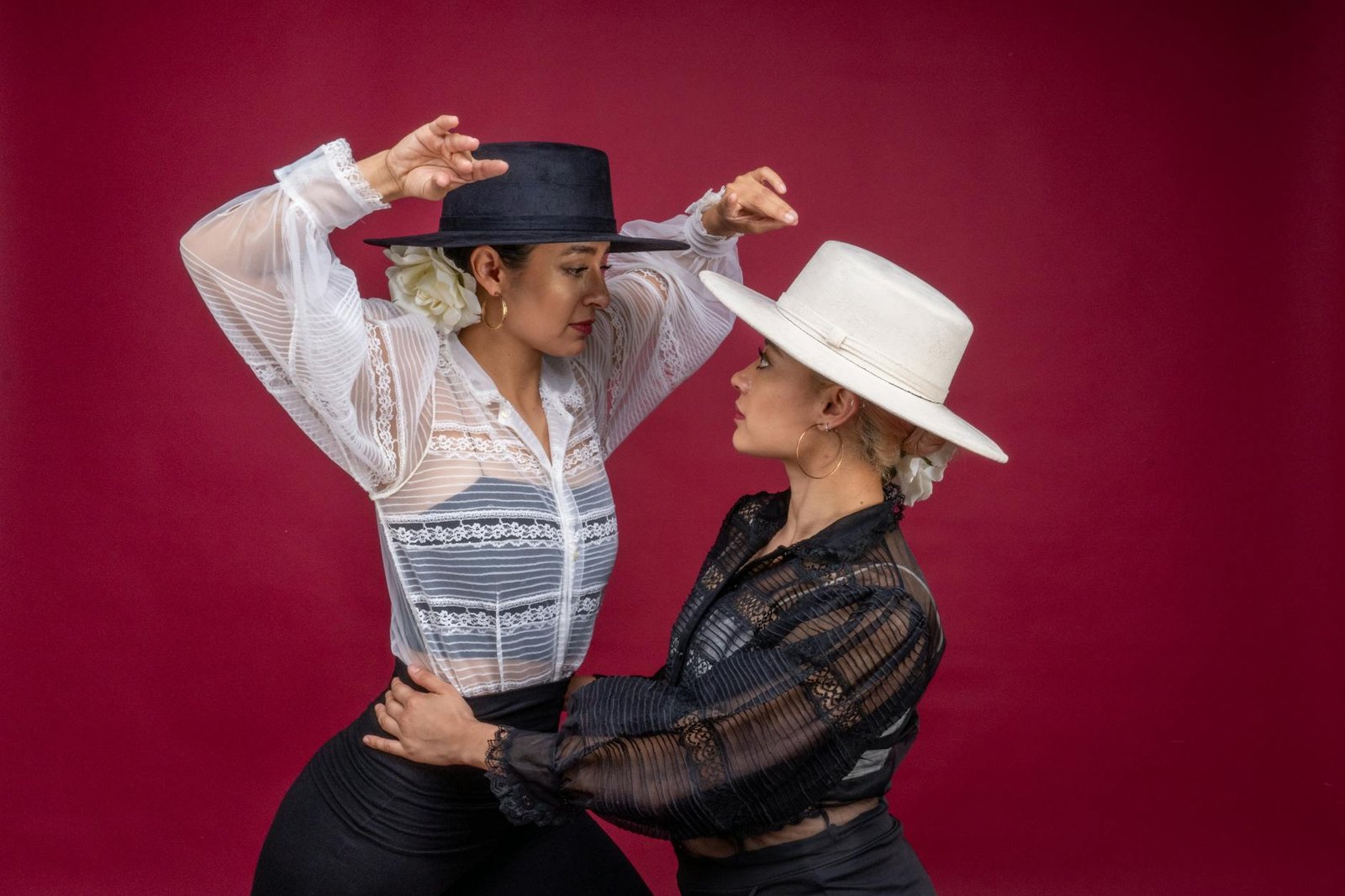
The arms in flamenco move from the shoulder, through the elbow, through the wrist, through the fingers. The characteristic “flower hands” — fingers unfurling one by one from a fist — is called floreos. Most flamenco classes spend significant time on arm positioning before touching footwork.
Zapateado (Footwork)
The rhythmic footwork of flamenco. The feet create percussion using:
- Golpe: Strike of the heel with full weight
- Tacón: Strike of the heel with full weight (usually more forceful)
- Planta: Strike of the ball of the foot
- Punta: Strike of the tip of the toe
Combined, these four sounds create complex rhythmic patterns. A single flamenco zapateado passage can be as musically sophisticated as a drumming solo.
Posture and Carriage
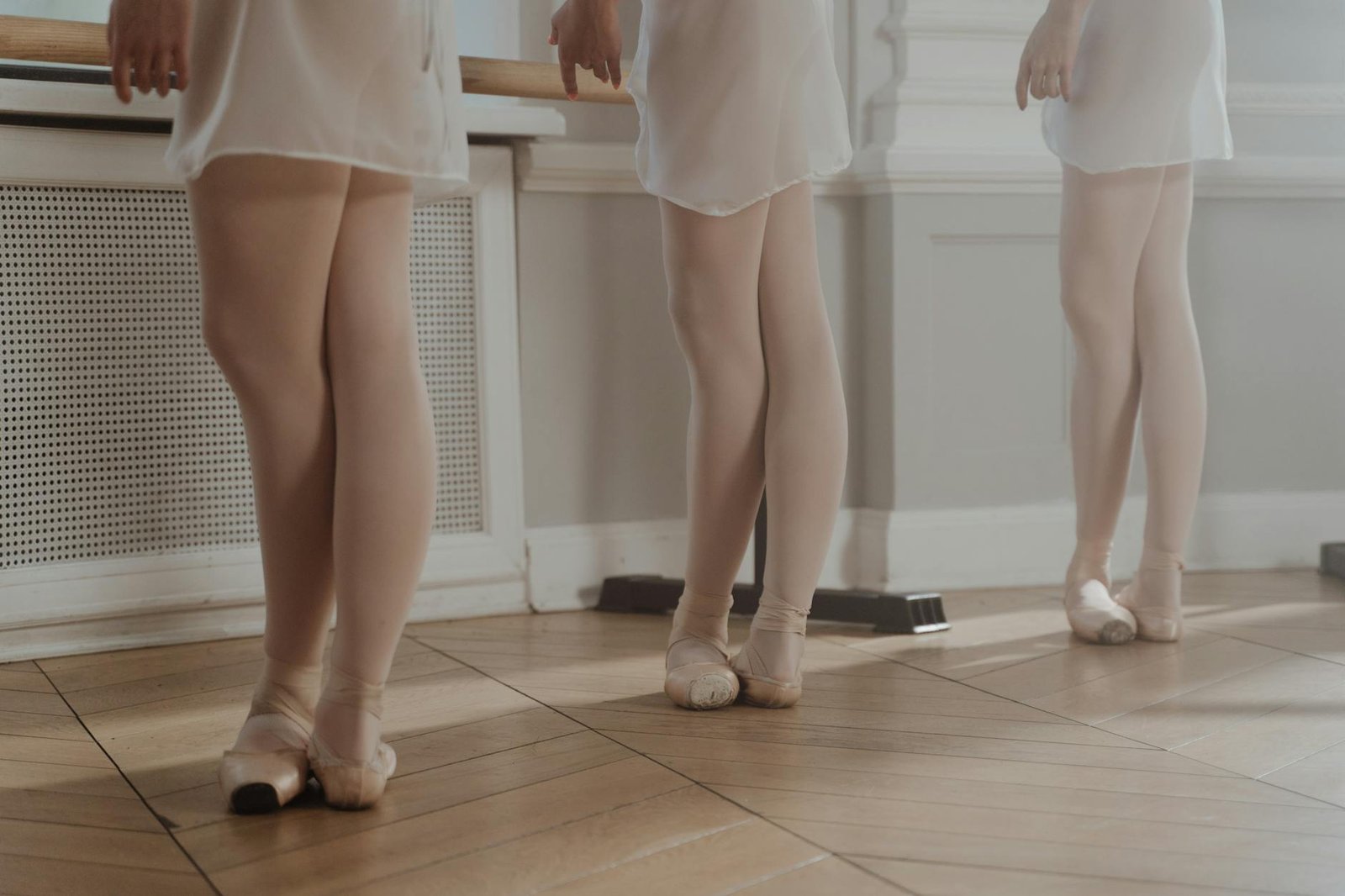
Flamenco posture is upright, proud, and grounded. The chest lifts, the shoulders are back but relaxed, and the gaze is direct and present. This differs significantly from ballet’s upright but lighter carriage — flamenco is heavy with intention.
What You Need for Flamenco Classes
- Flamenco shoes: Essential. The nails in the toe and heel create the characteristic sound. Capezio and Bloch make beginner-priced flamenco shoes (~$60–$80). Regular street shoes will not work on a wooden dance floor.
- Full skirt or practice skirt: For women, a skirt that moves is part of learning how to manipulate the fabric as a visual element. A simple circle skirt works for beginners.
- Patience: Flamenco has a steeper early learning curve than most dance styles. First classes focus on clapping, posture, and arm work before any real footwork. Trust the process.
Finding a Flamenco Teacher
Flamenco instruction quality varies enormously. The best teachers have trained in Spain (Jerez, Sevilla, and Madrid are the centers of authentic flamenco training) or with teachers who have. Be wary of teachers whose backgrounds are primarily in ballet or ballroom who offer flamenco as a side course — the cultural and technical grounding isn’t the same.
First class expectation: You will clap, you will learn the arm positions, and you may do minimal footwork. This is correct. Don’t expect dramatic zapateado sequences in week one — flamenco builds slowly and everything is interconnected.