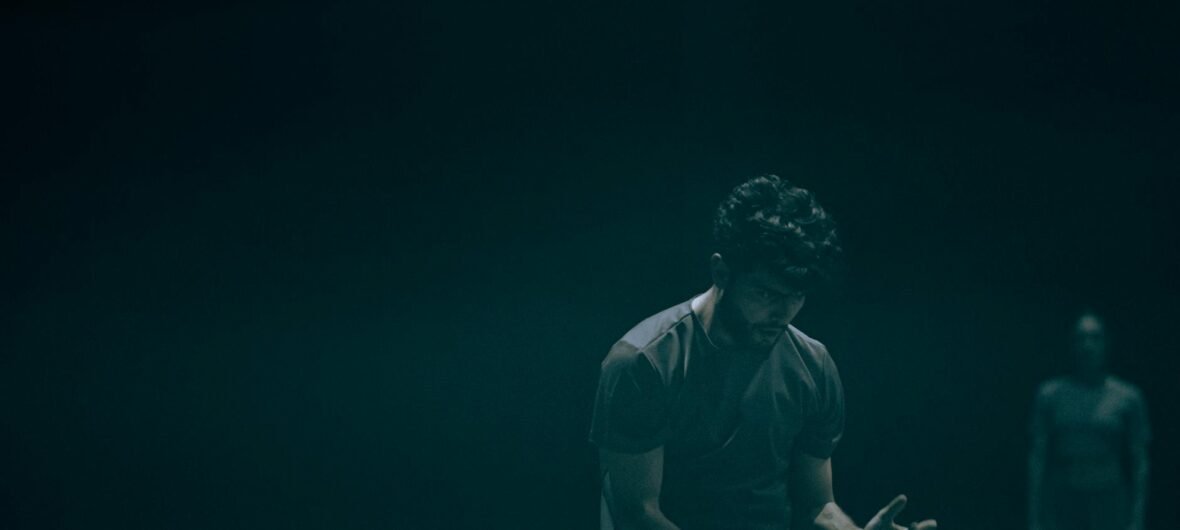
Why Dancing in Front of Others Feels So Terrifying (And Why That’s Totally Normal)
Let’s be honest — stepping onto a dance floor when other people are watching can feel like standing at the edge of a cliff. Your heart races, your limbs suddenly forget every move you’ve ever learned, and your inner critic turns up the volume to full blast. If that sounds familiar, you’re in very good company.
The truth is, even experienced dancers feel nervous performing in front of others. The difference is that they’ve learned tools to manage that anxiety and channel it into energy. In this guide, we’re breaking down exactly how to get comfortable dancing in front of other people — whether you’re stepping into your first social dance class or finally working up the nerve to hit the club with your friends.
1. Start Small: Build Your Audience Gradually
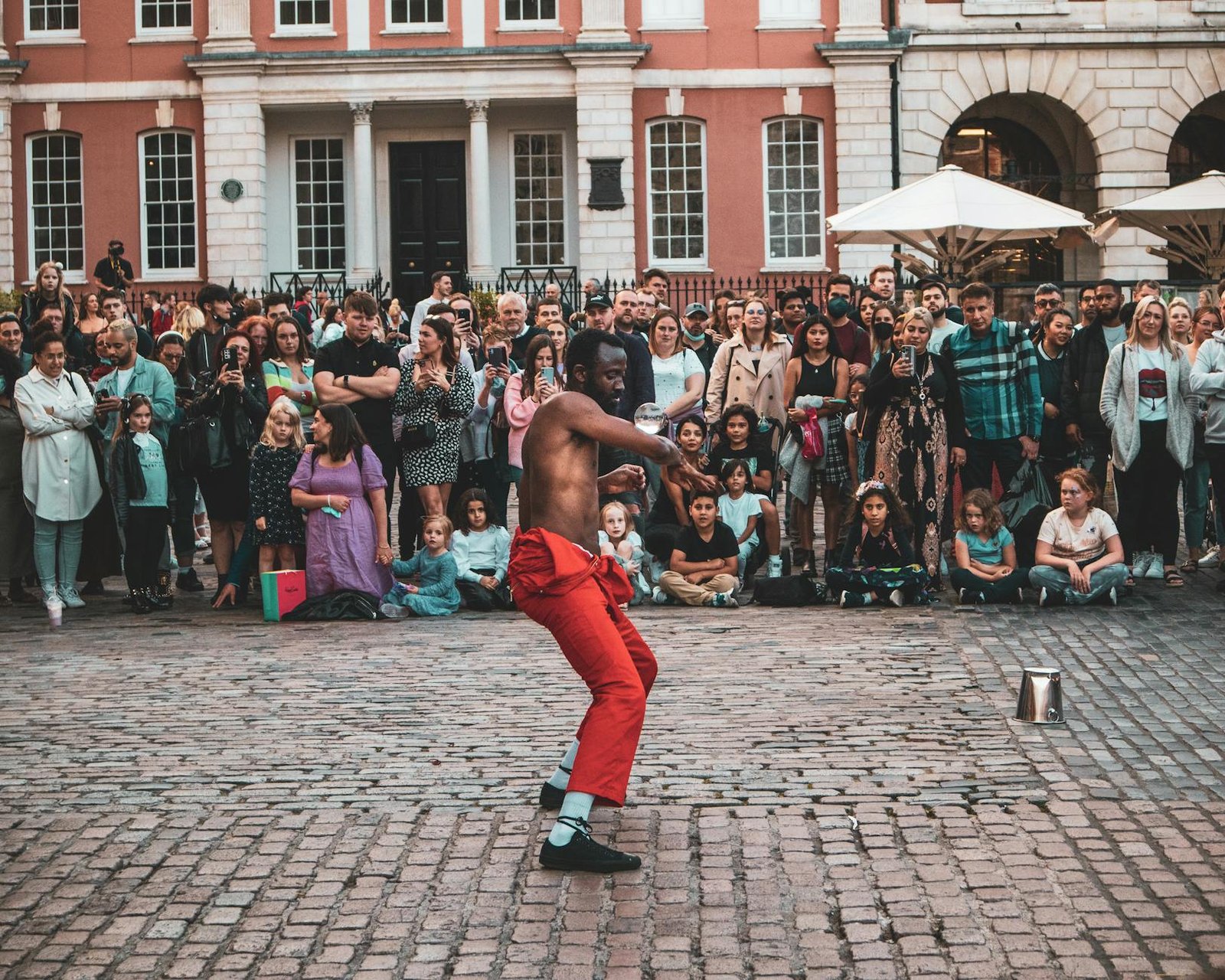
One of the biggest mistakes beginners make is going from zero to performing in front of a crowd overnight. Instead, think of building your confidence as a gradual process — like warming up a muscle.
- Dance alone at home first. Get completely comfortable with a move or routine in private before even thinking about an audience. Use a full-length mirror — the Mirrotek Over-the-Door Mirror is a popular affordable option — to check your form without judgment.
- Dance in front of one trusted person. A best friend, sibling, or partner can be your first audience. Their encouragement builds real psychological safety.
- Join a small class or workshop. A beginner group class creates a shared vulnerability — everyone is learning, so no one is judging. Look for beginner social dance nights at local studios.
Psychologists call this systematic desensitization — gradually exposing yourself to a feared situation until it no longer triggers anxiety. It works, and it works well for dancers.
2. Shift Your Focus Outward, Not Inward
When we’re self-conscious, our attention collapses inward. We’re hyper-focused on how we look, whether our feet are right, and what everyone else must be thinking. Here’s the secret: almost nobody in the room is watching you as closely as you think they are.
Try these practical mindset shifts:
- Focus on the music. Let the beat become your anchor. When your brain is tracking rhythm, it has less bandwidth for self-criticism.
- Focus on your partner or fellow dancers. In social dancing especially — salsa, swing, bachata — connecting with your partner takes the spotlight off your own performance.
- Remind yourself: people are rooting for you. Most dancers in a room are empathetic. They remember being a beginner. They want you to succeed.
This outward focus is something instructors teach explicitly in programs like Dance Mindfulness workshops, which are gaining huge popularity across the U.S. and U.K.
3. Master the Basics Until They’re Automatic
Confidence in performance almost always comes down to one thing: preparation. The more automatic your foundational moves become, the less mental energy they require — and that freed-up mental energy goes toward presence and expression instead of panic.
Here’s how to build that muscle memory effectively:
- Practice consistently, not just intensely. Fifteen minutes of daily practice beats a two-hour session once a week every time.
- Use quality instructional resources. Platforms like Steezy Studio (for hip-hop and street styles) or DancePlug offer structured beginner curricula you can follow at home.
- Record yourself dancing. It’s uncomfortable at first, but watching your own footage is one of the fastest ways to improve. A simple phone tripod — the UBeesize Phone Tripod on Amazon is highly rated and under $25 — makes this effortless.
When your basics are solid, you stop thinking about your feet and start actually dancing. That’s the tipping point where comfort begins.
4. Dress the Part — Seriously, It Matters
It might sound superficial, but what you wear has a real psychological impact on how confident you feel moving your body. This is sometimes called enclothed cognition — the idea that clothing influences the wearer’s psychological state.
Choose dancewear that:
- Allows full range of motion without restriction
- Makes you feel attractive and put-together
- Is appropriate for the dance style (flowy skirts for Latin, fitted leggings for contemporary, etc.)
Brands like Capezio for ballet and jazz, Sansha for character shoes, and Bloch for a wide range of styles all offer high-quality dancewear at accessible price points, many available on Amazon. Wearing proper dance shoes — rather than street sneakers — also dramatically improves your technique and how natural movement feels.
When you feel good, you move with more ease. It’s that simple.
5. Embrace the “Messy Middle” of Learning
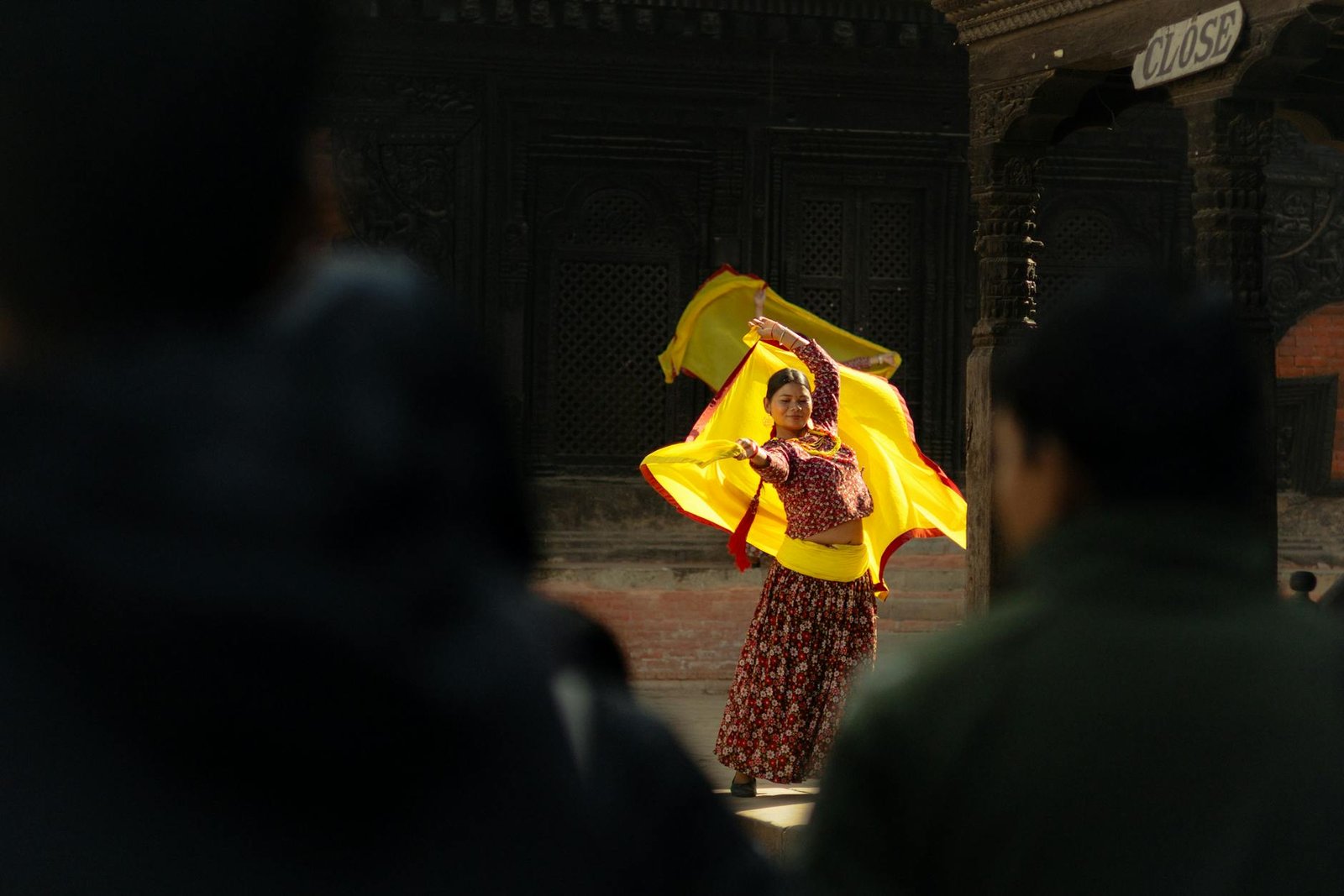
Here’s a reframe that changes everything: making mistakes while dancing in front of people is not a failure — it’s proof that you’re brave enough to learn in public.
Every professional dancer you admire stumbled, forgot choreography, fell out of turns, and looked silly at some point. The dancers who get good are not the ones who never mess up — they’re the ones who keep going anyway.
Practical ways to embrace imperfection:
- Laugh it off genuinely. If you miss a step, smile and keep dancing. The audience almost always mirrors your energy. If you’re at ease, they’re at ease.
- Set “process goals” instead of “performance goals.” Instead of “I need to look perfect,” try “I want to stay present and keep moving.” You control the process; you can’t fully control perception.
- Celebrate the act of showing up. Simply being on the floor when you’re scared is an achievement. Acknowledge it.
6. Use Breathing and Pre-Dance Rituals to Calm Your Nervous System
Physical anxiety symptoms — shallow breathing, tense muscles, shaky hands — respond remarkably well to intentional physiological techniques. You don’t need years of meditation practice to use these right now.
- Box breathing: Inhale for 4 counts, hold for 4, exhale for 4, hold for 4. Repeat three times before you step onto the floor. This activates your parasympathetic nervous system and reduces the fight-or-flight response.
- Power posing: Standing tall with hands on hips (think: Wonder Woman pose) for two minutes before dancing has been shown in behavioral research to reduce cortisol and increase confidence.
- Create a warm-up ritual. Put on a pump-up song, do a quick stretch, shake out your limbs. A consistent pre-dance ritual signals to your brain that it’s time to perform, not panic.
Many dancers swear by keeping a small journal — even a basic spiral notebook — to track their progress and write down one positive thing after every practice session. Over time, this builds an evidence-based sense of competence that no amount of positive self-talk can replicate.
7. Put Yourself in the Room — Regularly
Ultimately, comfort comes from exposure. There is no shortcut around this, but there are smarter ways to get it:
- Attend social dance nights weekly. Many studios offer drop-in socials for salsa, ballroom, or swing — these are explicitly low-pressure environments designed for all levels.
- Take part in open mic or informal showcases. Many studios host student showcases that are warm, supportive environments perfect for first-time performers.
- Join online dance communities. Groups on Facebook, Reddit’s r/dance, or TikTok dance communities let you share progress videos and receive encouragement from fellow dancers worldwide.
The more times you put yourself in that uncomfortable position and survive — the more your nervous system learns: this is safe, I can do this. Eventually, “terrifying” becomes “exciting,” and exciting becomes “this is just what I do.”
Final Thoughts: Your Dance Floor Is Waiting
Learning how to get comfortable dancing in front of other people isn’t a single breakthrough moment — it’s a series of small, courageous choices repeated over time. Start small, build your fundamentals, dress confidently, breathe intentionally, and keep showing up. Every dance you take in front of others — no matter how imperfect — is a deposit into your confidence account.
The dance floor doesn’t belong to the most talented person in the room. It belongs to the one willing to step onto it.
Ready to take the next step? Browse our recommended beginner dance resources, gear guides, and class-finder tools right here on the site — and drop a comment below telling us about your biggest dancing-in-public challenge. We read every single one.