Why Yoga and Dance Are a Perfect Match
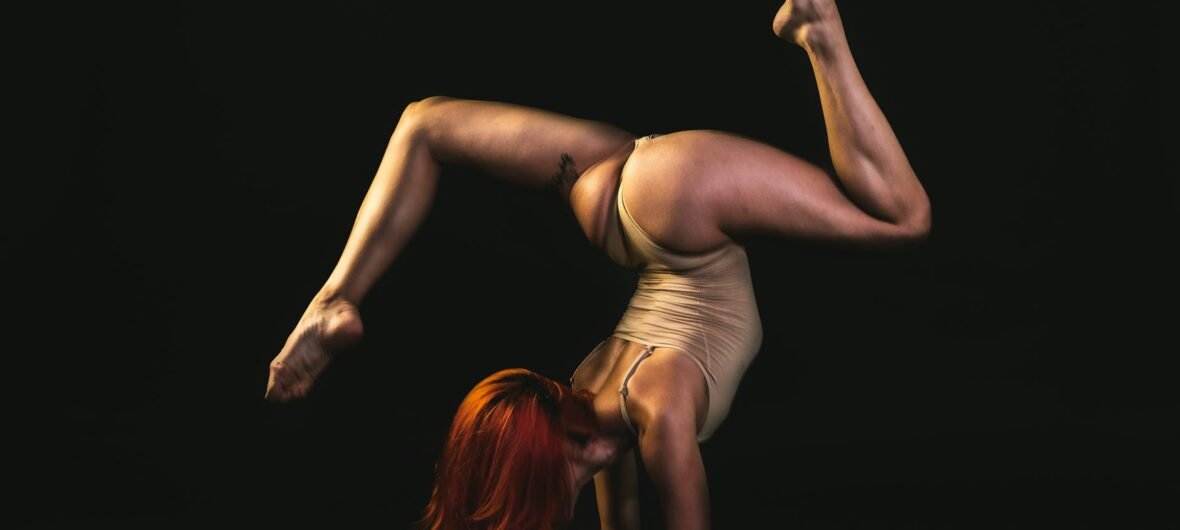
If you’ve ever watched a professional dancer move across the stage, you might have wondered: what do they do off the dance floor to stay so fluid, strong, and graceful? The answer, more often than not, involves a regular yoga practice. Yoga for dancers — the best poses to improve your dancing — isn’t just a trendy idea. It’s a proven method used by ballet dancers, hip-hop artists, contemporary movers, and everyone in between to sharpen their craft and protect their bodies.
Whether you’re a beginner just finding your footing or an intermediate dancer looking to level up, adding yoga to your weekly routine can transform the way you move. In this guide, we’ll walk you through exactly why yoga works for dancers and which poses deliver the biggest results on the dance floor.
The Real Benefits of Yoga for Dancers
Before we dive into the specific poses, let’s talk about why yoga is such a powerful training tool for dancers. Understanding the benefits will keep you motivated when you’re holding a warrior pose and your thighs are burning!
- Improved flexibility: Yoga systematically lengthens tight muscles, giving you a wider range of motion for kicks, leaps, and extensions.
- Greater core strength: Almost every yoga pose engages your core, which is the powerhouse behind nearly every dance movement.
- Better balance and coordination: Single-leg balances in yoga directly translate to pirouettes, relevés, and weight shifts in dance.
- Injury prevention: Yoga strengthens stabilizing muscles and improves joint mobility, reducing the risk of common dance injuries like ankle sprains and hip flexor strains.
- Mind-body connection: Yoga trains you to be fully present in your body — exactly the awareness you need to execute clean, expressive movement.
Research published in the International Journal of Yoga has consistently shown that dancers who cross-train with yoga experience measurable improvements in balance and flexibility within just 8 to 12 weeks. That’s a relatively small investment of time for a significant payoff.
Setting Up Your Yoga Space for Dance Training
You don’t need a fancy studio to practice yoga as a dancer. A small, clear space in your living room or bedroom works perfectly. That said, a few quality tools will make your practice more comfortable and effective.
A good non-slip yoga mat is non-negotiable. The Manduka PRO Yoga Mat (available on Amazon) is a favorite among dancers and athletes because of its superior grip and dense cushioning — ideal when you’re holding deep lunges or balance poses for extended periods. If you’re on a budget, the Gaiam Essentials Thick Yoga Mat is an excellent, affordable alternative that still delivers solid traction.
You may also want a set of yoga blocks and a yoga strap. These props aren’t just for beginners — even advanced practitioners use them to deepen stretches safely. The Hugger Mugger Cork Yoga Block Set on Amazon is highly rated and built to last.
Wear comfortable, stretchy clothing that allows full range of motion. Many dancers already own suitable attire — leggings and a fitted top work perfectly.
The 6 Best Yoga Poses to Improve Your Dancing
Now for the heart of the matter. These six poses were selected specifically because of their direct, measurable impact on dance performance. Practice them consistently, and you’ll notice a difference in your movement quality within weeks.
1. Low Lunge (Anjaneyasana) — For Hip Flexor Flexibility
Tight hip flexors are the enemy of beautiful extensions and deep lunges in dance. Low Lunge targets the psoas and hip flexors directly. Step one foot forward into a lunge, lower your back knee to the mat, and sink your hips downward while keeping your torso upright. Hold for 60 seconds on each side. To deepen the stretch, raise your arms overhead and gently arch your back.
2. Warrior III (Virabhadrasana III) — For Balance and Core Stability
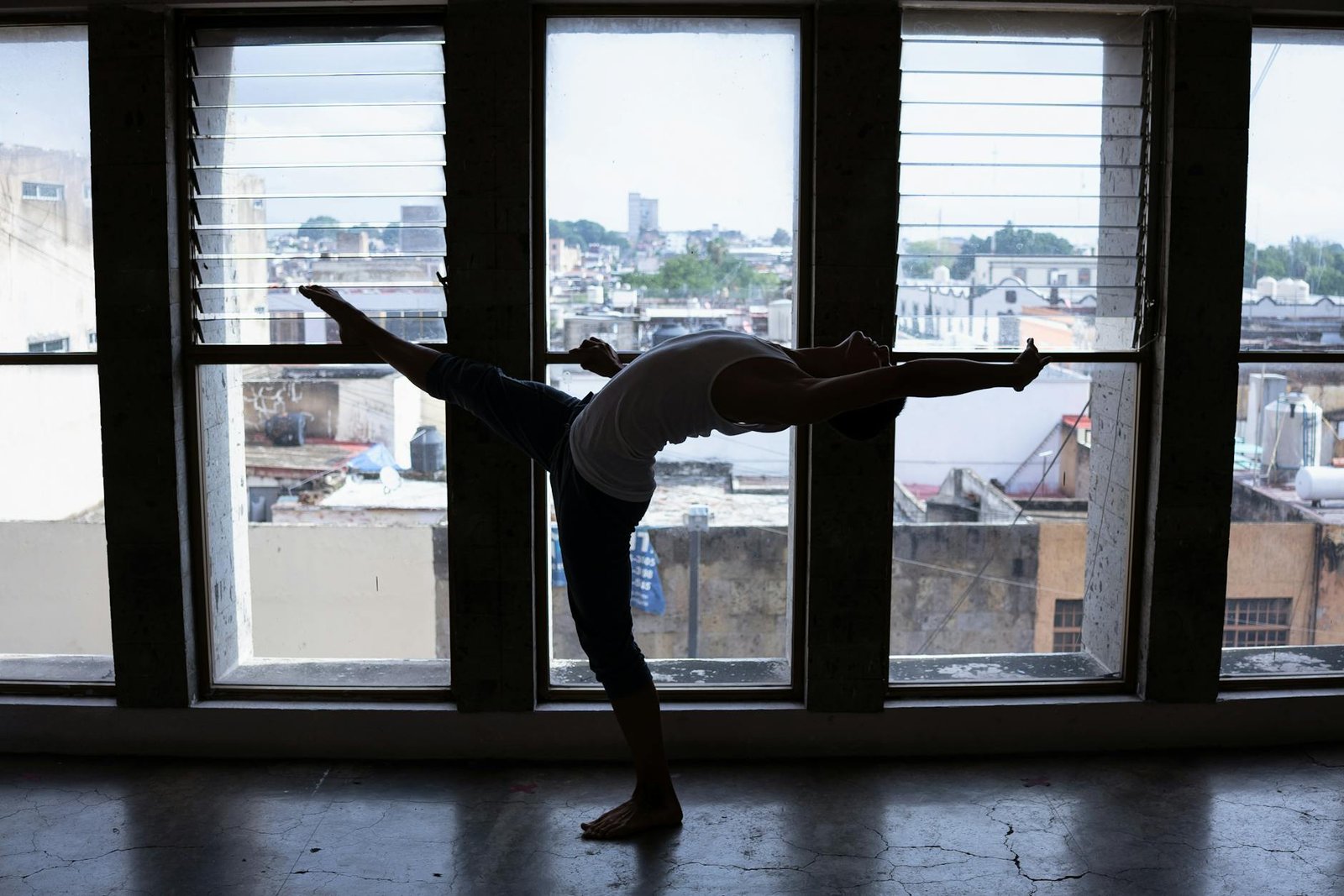
If your balance is shaky during turns or single-leg movements, Warrior III is your new best friend. Stand on one leg, hinge forward at the hips, and extend your opposite leg behind you until your body forms a “T” shape. Engage your core fiercely to stay steady. This pose directly mirrors the body alignment required in arabesques and attitude balances in dance styles from ballet to jazz.
3. Pigeon Pose (Eka Pada Rajakapotasana) — For Hip Opening
Deep hip openness is a hallmark of beautiful, expressive dancing. Pigeon Pose is arguably the most effective hip opener in yoga. From a downward dog position, bring one knee forward and place it behind your wrist while extending the opposite leg back. Square your hips as much as possible and fold forward gently. Hold for 90 seconds per side. Dancers often report feeling noticeably freer in the hips after just a few sessions with this pose.
4. Seated Forward Fold (Paschimottanasana) — For Hamstring Length
Long, supple hamstrings make the difference between a good kick and a jaw-dropping one. Sit on your mat with legs extended straight in front of you, flex your feet, and slowly fold forward from the hips (not the waist — that’s key!). Use a yoga strap around your feet if you can’t reach them yet. Over time, this pose will significantly increase the height and ease of your leg extensions.
5. Bridge Pose (Setu Bandha Sarvangasana) — For Back Strength and Articulation
Expressive back movement is central to many dance styles including contemporary, Latin ballroom, and jazz. Bridge Pose strengthens the glutes, hamstrings, and spinal extensors while also opening the chest and hip flexors. Lie on your back, bend your knees, place feet flat on the floor hip-width apart, and press your hips upward. For dancers, try slowly rolling up through your spine and rolling back down — this articulation drill is pure gold for spinal mobility.
6. Tree Pose (Vrksasana) — For Focus and Single-Leg Balance
Simple but profoundly effective, Tree Pose trains the mental focus and physical balance required for turns, hops, and sustained balances in dance. Stand on one foot, place the sole of the opposite foot on your inner thigh or calf (never the knee), and bring your hands to your heart or raise them overhead. The real secret here is fixing your gaze — called a drishti in yoga — on a single unmoving point. This technique is essentially the same as “spotting” in dance turns.
How to Build a Weekly Yoga Routine as a Dancer
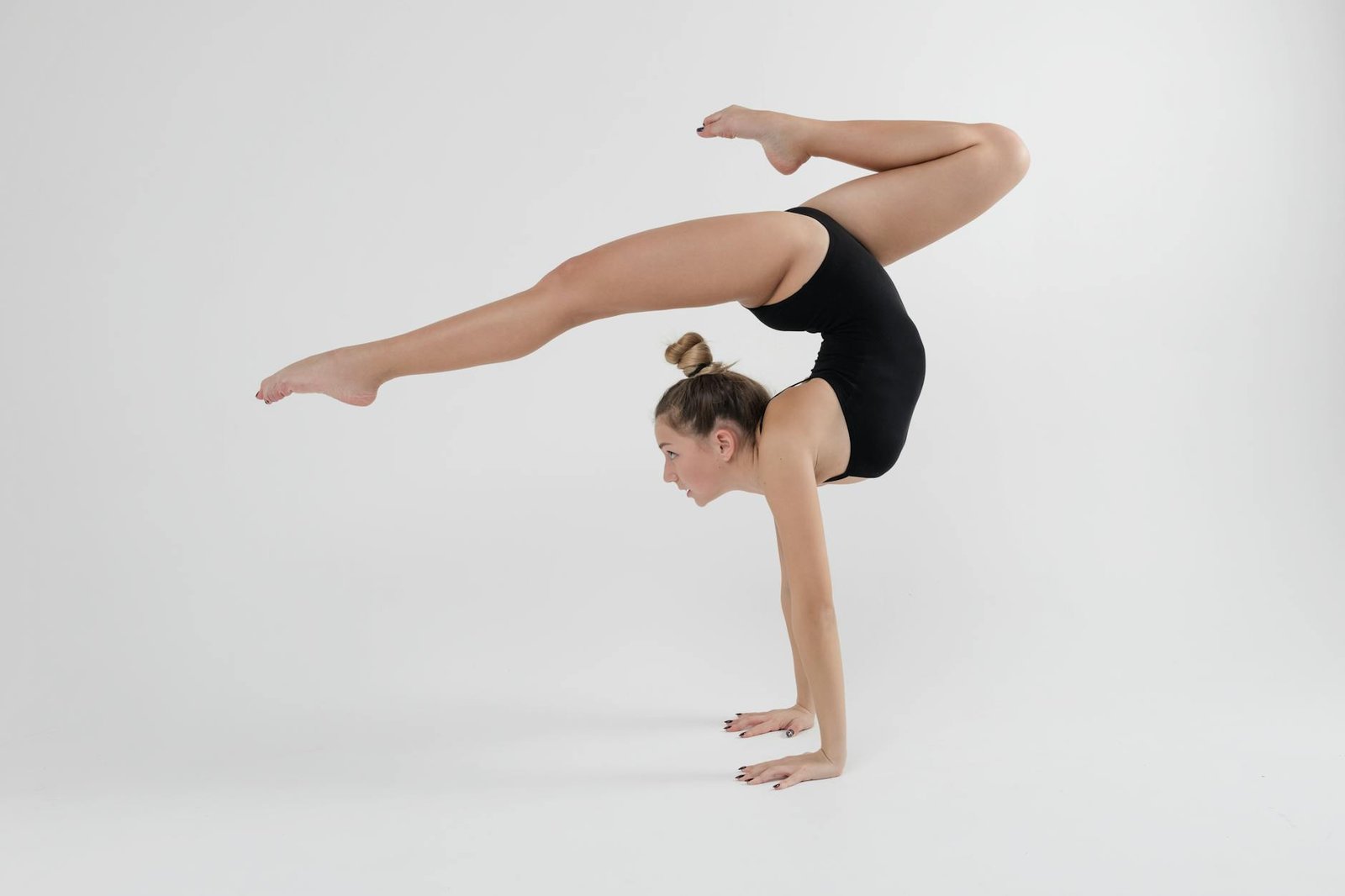
Consistency beats intensity every time. Rather than doing a two-hour yoga session once a week, aim for shorter, regular sessions that complement your dance training schedule.
- Post-dance cool-down (10–15 minutes): After every dance class or rehearsal, run through Low Lunge, Pigeon Pose, and Seated Forward Fold. Your muscles are warm and receptive, making this the perfect time to build flexibility.
- Active recovery days (30–45 minutes): On days when you’re not dancing intensively, do a longer flow that incorporates all six poses above. Consider following a guided class on YouTube — channels like Yoga with Adriene offer excellent free content for athletes.
- Morning wake-up (10 minutes): A short morning practice featuring Bridge Pose, Tree Pose, and Warrior III sets a positive, body-aware tone for the entire day.
If you prefer structured guidance, apps like Down Dog or Glo allow you to customize yoga sessions by duration, level, and focus area — very useful for targeting the specific needs of dancers.
Common Mistakes Dancers Make With Yoga
A few pitfalls can slow your progress if you’re not careful:
- Forcing flexibility: Yoga is about gradual, sustainable lengthening — not aggressive stretching. Pain is always a signal to back off.
- Skipping strength poses: Many dancers focus only on flexibility poses and neglect the strengthening ones. Balance, core stability, and glute strength are equally important for dancing.
- Holding your breath: Deep, steady breathing is what makes yoga work. It activates your parasympathetic nervous system, allowing muscles to release more deeply. Never hold your breath in a pose.
- Inconsistency: Doing yoga twice in January and calling it a practice doesn’t work. Commit to at least three sessions per week for a minimum of six weeks to see real results.
Start Your Yoga Journey as a Dancer Today
Yoga and dance have a beautiful, synergistic relationship. The strength, flexibility, balance, and mindfulness you build on the mat directly elevate everything you do on the dance floor. The six poses outlined in this guide — Low Lunge, Warrior III, Pigeon Pose, Seated Forward Fold, Bridge Pose, and Tree Pose — are your starting toolkit for a stronger, more expressive dancing body.
You don’t need expensive equipment or a lot of time to get started. Grab a quality mat, find a quiet corner, and commit to just 15 minutes a day. Your dancing will thank you.
Ready to take the next step? Bookmark this post, pick one pose from the list, and practice it today after your next dance session. Then come back and tell us in the comments which pose made the biggest difference for your dancing — we’d love to hear your story!