Why Cross Training for Dancers Is a Game-Changer
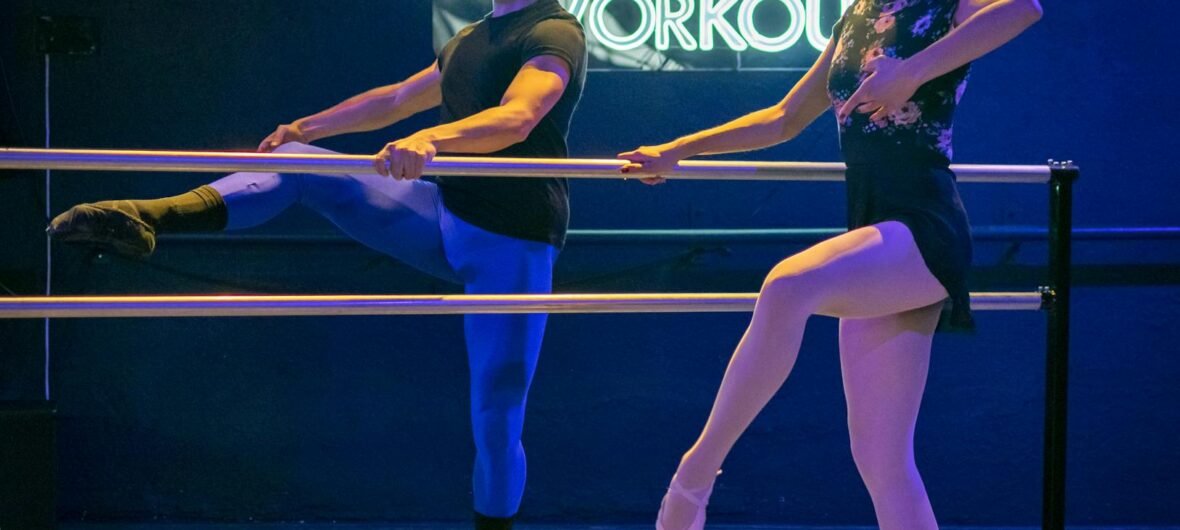
If you’ve ever pushed through a grueling rehearsal only to feel completely depleted — or worse, sidelined by an injury — you already know that dancing alone isn’t always enough to keep your body strong and resilient. Cross training for dancers: what works and why is one of the most important topics in the dance world today, and for good reason. Cross training means adding complementary physical activities to your dance practice to fill in the gaps that dance alone doesn’t cover.
The truth is, dance is incredibly demanding. It requires flexibility, cardiovascular endurance, muscular strength, balance, and coordination — often all at once. But many dance styles emphasize certain muscle groups while neglecting others, creating imbalances that lead to overuse injuries. Cross training corrects those imbalances, speeds up recovery, and ultimately makes you a better dancer. Let’s break down exactly what works and why.
Strength Training: Building the Foundation Every Dancer Needs
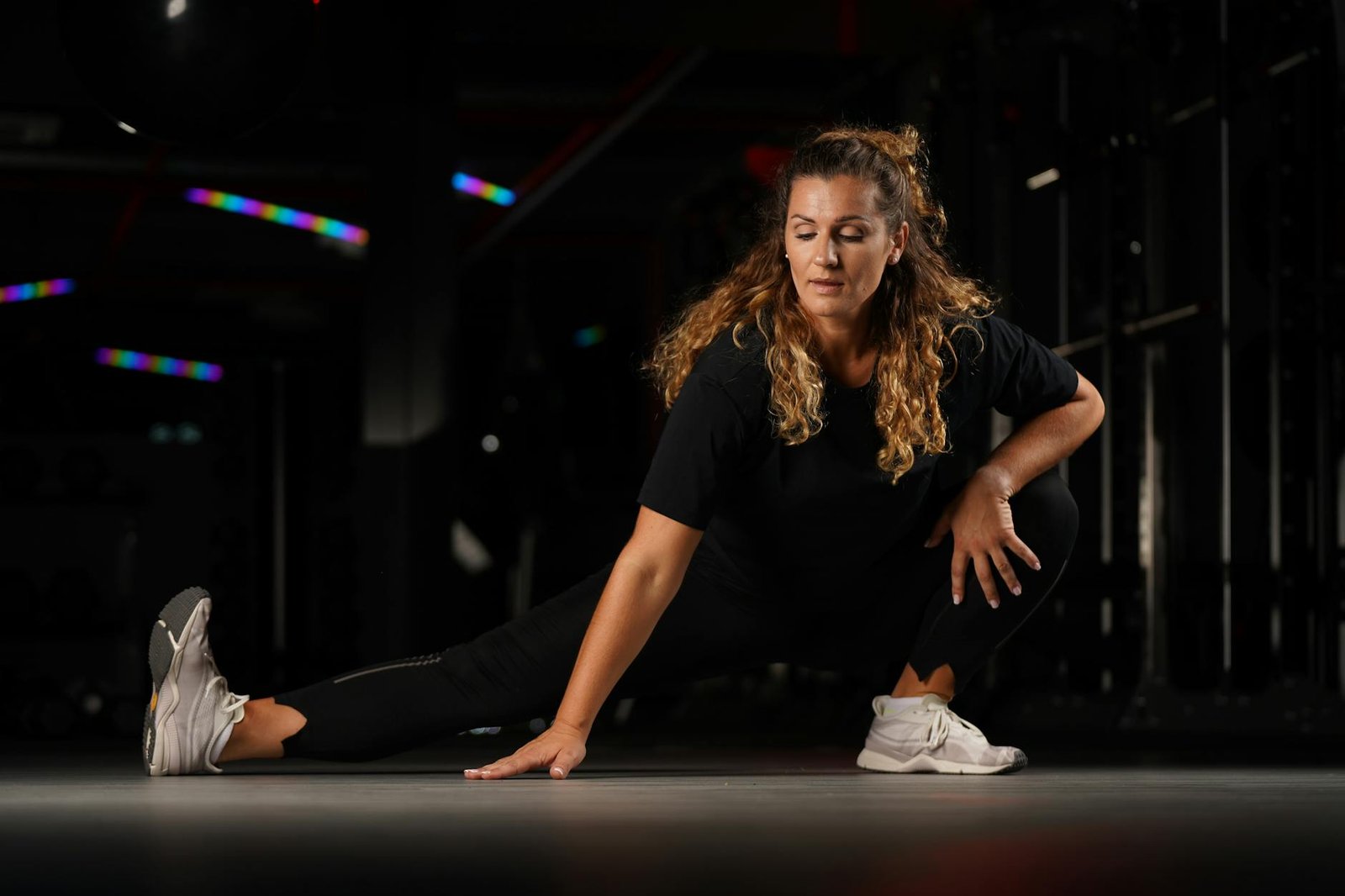
One of the biggest misconceptions in the dance world is that lifting weights will make you “bulky” or stiff. In reality, targeted strength training is one of the most beneficial forms of cross training for dancers at any level. Strong muscles protect your joints, improve your jumps, and give you the controlled power needed for turns, lifts, and extensions.
What to Focus On
- Glutes and hip stabilizers: Exercises like glute bridges, clamshells, and single-leg deadlifts directly support pirouettes and arabesque lines.
- Core strength: Planks, Pilates-based exercises, and dead bugs build the deep core stability that keeps your technique clean and your spine safe.
- Upper body and back: Rows and shoulder press exercises improve posture and upper body strength for partner work and port de bras.
A simple set of resistance bands is a fantastic, affordable starting point. Brands like Fit Simplify or TheraBand (available on Amazon) offer sets at various resistance levels, making them perfect for dancers who want to train at home without bulky equipment. Aim for two strength sessions per week on non-peak dance days.
Pilates: The Dancer’s Secret Weapon
Ask almost any professional dancer what their go-to cross training method is, and Pilates will almost certainly come up. Developed originally as a rehabilitation method, Pilates aligns perfectly with what dancers need: deep core activation, controlled movement, spinal articulation, and body awareness.
Mat Pilates is the most accessible starting point and requires very little equipment. A high-quality, non-slip yoga mat like the Liforme Yoga Mat or the budget-friendly Gaiam Essentials Thick Yoga Mat (both widely available on Amazon) gives you the grip and cushioning you need for floor-based work.
If you have access to a Reformer machine, even better — Reformer Pilates adds adjustable spring resistance that challenges your stability in ways that feel incredibly dance-specific. Many dancers who add just two Pilates sessions per week report significant improvements in their balance, extension control, and overall body awareness within a few months.
Yoga: Flexibility, Mobility, and Mental Focus
Flexibility is often a dancer’s primary concern, and yoga addresses it beautifully — but it offers so much more than just stretching. Yoga improves active flexibility (the kind you can actually use while dancing, not just passive stretching), builds isometric strength, and trains the mental focus and breath control that translate directly to performance.
Best Yoga Styles for Dancers
- Yin Yoga: Long-held poses (2-5 minutes) that release deep connective tissue. Great for hip flexors, hamstrings, and the lower back.
- Vinyasa Flow: Links movement with breath, improving fluidity and cardiovascular fitness at the same time.
- Restorative Yoga: Ideal during heavy rehearsal periods when your body needs recovery rather than more intensity.
A set of yoga blocks and a yoga strap (try the affordable Manduka Yoga Block or a combo kit on Amazon) can help beginners safely work on splits, hip openers, and shoulder stretches without risking overstretching injuries.
Swimming and Cycling: Low-Impact Cardio That Protects Your Joints
Dance is hard on the body — particularly the knees, ankles, and feet. High-impact cardio like running can compound that stress, which is why low-impact cardio options are ideal cross training choices for dancers.
Swimming is arguably the best full-body, low-impact workout available. It builds cardiovascular endurance, strengthens the back and shoulders, and gives your legs a complete break from impact. Even two 30-minute swim sessions per week can noticeably improve your stamina on the dance floor.
Cycling — whether on a stationary bike or outdoors — is another excellent option that specifically targets quad and glute strength while keeping impact minimal. Indoor cycling classes like those on Peloton or apps like Zwift make it easy to control intensity and follow structured workouts from home.
The key with cardio cross training is to keep the intensity moderate. You want to build aerobic capacity without creating additional fatigue that bleeds into your dance training.
Foam Rolling and Recovery Work: The Most Underrated Cross Training Tool
Recovery isn’t passive — it’s an active part of your training. Dedicated recovery work helps prevent injury, reduces soreness, and keeps your muscles responding well to the demands of dance.
Tools Every Dancer Should Own
- Foam roller: Use it before and after dance to release tight IT bands, calves, and thoracic spine. The TriggerPoint GRID Foam Roller is a dancer favorite and consistently well-reviewed on Amazon.
- Massage balls: Perfect for targeting the soles of the feet (a dancer’s most abused body part), glutes, and shoulders. A simple set like the Kieba Massage Lacrosse Balls is inexpensive and incredibly effective.
- Theragun or percussive massager: If budget allows, devices like the Theragun Mini provide deep muscle relief that’s especially helpful during intense rehearsal periods.
Spending even 10-15 minutes on recovery work after each dance session makes a measurable difference in how you feel and perform over time.
How to Structure Your Cross Training Schedule
Knowing what to do is only half the battle — the other half is fitting it all together without burning out. Here’s a simple weekly framework that works well for beginner to intermediate dancers:
- Monday: Dance class + 10 min foam rolling
- Tuesday: Strength training (30-40 min, full body)
- Wednesday: Dance class + Pilates or yoga (30 min)
- Thursday: Swimming or cycling (30-45 min, moderate intensity)
- Friday: Dance class or rehearsal
- Saturday: Yoga or Pilates (active recovery focus)
- Sunday: Full rest or light stretching
The most important rule? Listen to your body. Cross training should supplement your dance practice, not add more fatigue to it. If you’re heading into a heavy rehearsal week, scale back the intensity of your cross training and prioritize recovery work instead.
Start Cross Training Smarter — Your Dancing Will Thank You
Cross training for dancers isn’t a luxury reserved for professionals — it’s a practical, proven strategy that dancers of all levels can use to feel stronger, stay healthier, and perform with greater confidence. Whether you start with a set of resistance bands and a mat Pilates video or dive into weekly swimming sessions, the key is simply to start.
Pick one or two methods from this guide that excite you most, commit to them for four to six weeks, and pay attention to how your dancing changes. You’ll likely notice improvements in your stamina, stability, and recovery speed before long.
Ready to take your dance training to the next level? Bookmark this guide, share it with a fellow dancer, and drop a comment below letting us know which cross training method you’re going to try first — we’d love to cheer you on!
You might also like: