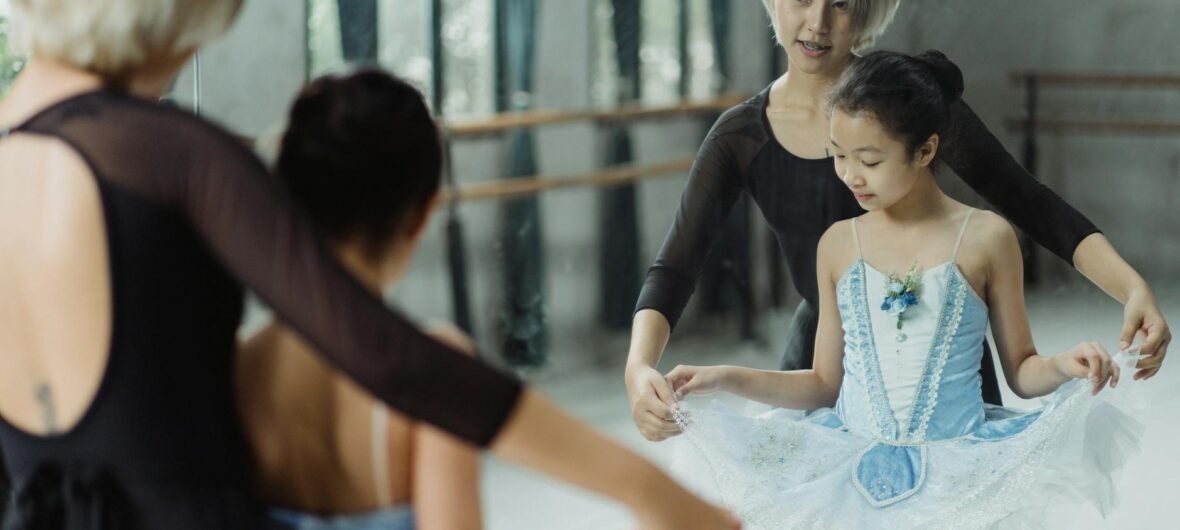
Why Most Dancers Plateau (And How Science Can Help You Break Through)
If you’ve ever felt stuck in your dance journey — replaying the same routine without improvement — you’re not alone. Most dancers hit a plateau not because they lack talent, but because they’re practicing the wrong way. The good news? Neuroscience, motor learning research, and sports psychology have given us a clear roadmap on how to learn dance faster with science-backed tips that work for beginners and intermediate dancers alike. Let’s dive in.
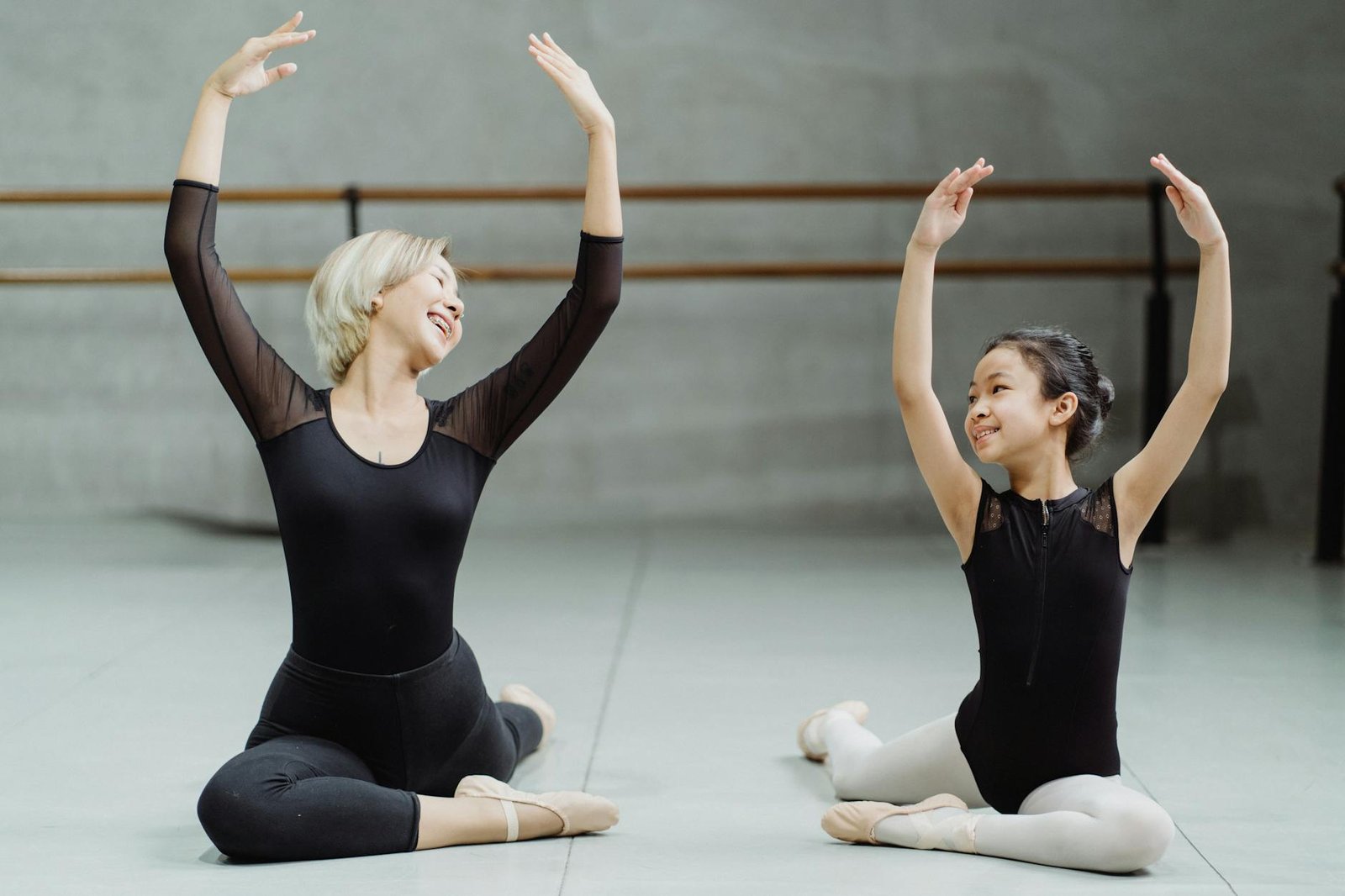
1. Embrace Deliberate Practice Over Mindless Repetition
Running through a routine 50 times won’t make you better — deliberate practice will. Coined by psychologist Anders Ericsson, deliberate practice means working on specific weaknesses with full mental focus, rather than cruising through what you already know.
- Isolate problem sections: If your footwork in the bridge of a routine keeps breaking down, loop just those 8 counts instead of restarting from the top.
- Set micro-goals: Instead of “practice my routine,” aim for “nail the hip isolation in bar 3 with correct timing.”
- Get uncomfortable on purpose: If a movement feels easy, you’re probably not growing. Seek the edge of your ability.
Studies on motor skill acquisition consistently show that focused, intentional repetition builds neural pathways far more efficiently than passive repetition. Quality always beats quantity on the dance floor.
2. Use Mental Rehearsal to Rewire Your Brain
Here’s something that might surprise you: your brain doesn’t fully distinguish between vividly imagining a movement and actually performing it. Research published in Neuropsychologia found that mental imagery activates many of the same motor cortex regions as physical movement.
Professional dancers and athletes use this technique — called mental rehearsal or visualization — to reinforce muscle memory without putting stress on the body.
- Before bed, close your eyes and walk through your routine in real time — feel the rhythm, see your body moving correctly.
- When recovering from fatigue or an injury, mental rehearsal keeps skills sharp.
- Combine visualization with slow physical run-throughs for maximum neural encoding.
Add just 10 minutes of mental rehearsal to your daily routine and you’ll notice faster recall and cleaner execution on the floor.
3. Leverage Video Feedback Like a Pro
One of the most powerful — and underused — tools for accelerating dance learning is video feedback. Watching yourself dance bridges the gap between how you think you look and how you actually look, which are often very different things.
Set up your phone on a tripod and record your practice sessions. The UBeesize Phone Tripod (available on Amazon, around $20–$25) is a popular, affordable option that’s easy to position at any angle. Once you’re recording:
- Watch at full speed first for overall flow and energy.
- Slow the video down to 0.5x speed to analyze specific technique details.
- Compare your footage side-by-side with your instructor or a reference video using apps like Coach’s Eye or Hudl Technique.
Research in motor learning confirms that augmented feedback — seeing or hearing information about your performance — dramatically speeds up skill acquisition. Your mirror can only show you so much; video shows you everything.
4. Optimize Your Practice Schedule With Spaced Repetition
Cramming a 3-hour practice the night before a performance is a recipe for anxiety — not mastery. Science strongly supports spaced repetition: spreading practice over multiple shorter sessions produces far stronger long-term retention than massed (all-at-once) practice.
Here’s what an optimized weekly practice structure might look like for an intermediate dancer:
- Monday: 30-minute focused session on new choreography
- Wednesday: 20 minutes reviewing Monday’s material + 15 minutes of improvisation
- Friday: Full run-through + targeted work on weak spots identified from video review
- Sunday: Light session — freestyle, stretching, or mental rehearsal only
This approach allows your brain to consolidate motor memories during rest periods. Sleep is especially critical — studies show that sleep after learning a new motor skill significantly boosts next-day performance. So yes, getting 7–9 hours of sleep is genuinely part of your dance training.
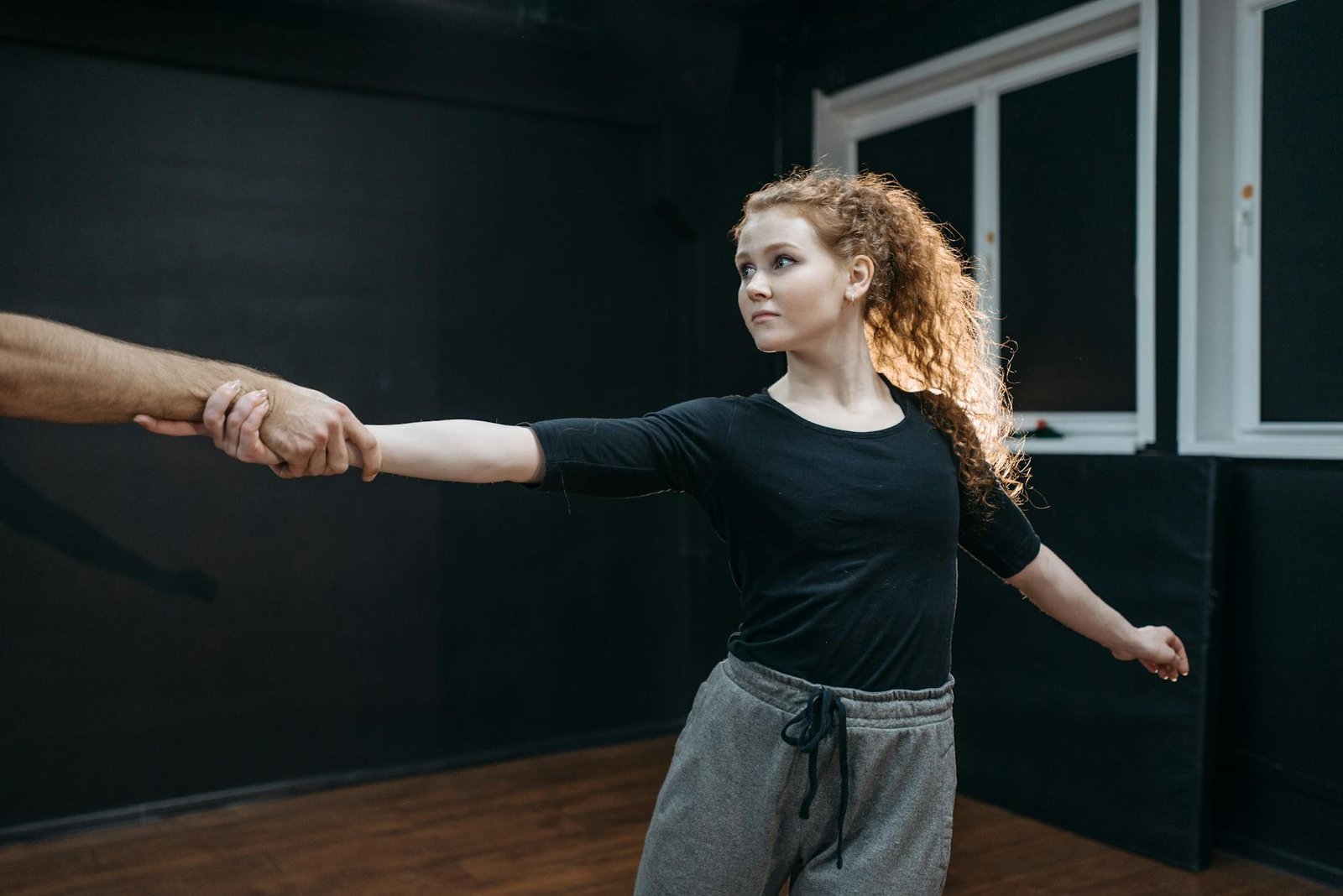
5. Train Your Body — Not Just Your Choreography
Faster dance learning isn’t only about what happens in the studio. Your body’s overall physical literacy — flexibility, core strength, body awareness, and proprioception — determines how quickly you can absorb new movements.
Flexibility & Mobility
A tight body is a slow learner. Incorporate daily stretching using tools like a foam roller (the TriggerPoint GRID Foam Roller on Amazon is highly rated for dancers) to release tension in hips, calves, and shoulders. The more mobile your joints, the more freely you can execute technique.
Core Strength
Nearly every dance style — from ballet to hip-hop to salsa — requires a strong, stable core. Add Pilates-inspired exercises or basic planks and dead bugs to your cross-training routine. Even 15 minutes, three times a week, makes a measurable difference in your balance and body control.
Proprioception
This is your body’s sense of where it is in space — crucial for timing, balance, and learning new patterns quickly. Single-leg balance drills, BOSU ball exercises, and barefoot movement all sharpen proprioception over time.
6. Find the Right Learning Resources and Community
In the age of YouTube and streaming platforms, you have access to world-class dance instruction from your living room. But not all resources are created equal. Here’s how to build a smart learning ecosystem:
- Online platforms: STEEZY Studio is a fantastic resource for hip-hop and contemporary styles, with structured beginner-to-advanced curricula. CLI Studios offers diverse styles from professional choreographers.
- In-person classes: Nothing replaces live instruction for real-time correction. Aim for at least one in-person class per week, even if you supplement heavily with online learning.
- A dance community: Find a local dance group, join a Facebook or Reddit community (r/dancing is a great start), or connect with others via Instagram. Social accountability and peer feedback dramatically improve consistency and motivation.
Research on skill learning consistently shows that social learning environments accelerate progress — watching peers attempt and master skills triggers mirror neurons and gives you additional reference points for your own body.
7. Build a Consistent Warm-Up and Cool-Down Ritual
This one is simple but often skipped — and it costs dancers dearly. A proper warm-up primes your nervous system, elevates body temperature, and increases synaptic firing speed, which means your brain and muscles communicate more efficiently during practice.
A 10-minute warm-up for dancers should include:
- Light cardio (marching, jumping jacks) to elevate heart rate
- Dynamic stretches: leg swings, arm circles, hip rotations
- Isolation drills: head rolls, shoulder pops, rib cage shifts
Equally important is a cool-down with static stretching and breathwork, which reduces injury risk and — critically — helps your brain shift into consolidation mode, reinforcing what you just practiced. Consider keeping a dance journal immediately after sessions to note what clicked, what didn’t, and what to prioritize next time. This reflective practice is backed by learning science as a powerful retention booster.
Start Dancing Smarter Today
Learning to dance faster isn’t about grinding harder — it’s about training smarter. By combining deliberate practice, mental rehearsal, video feedback, spaced repetition, physical conditioning, quality resources, and consistent rituals, you’ll be amazed at how quickly your skills evolve.
Pick one or two tips from this list and commit to applying them in your very next practice session. Small, consistent upgrades compound into dramatic results over time. Your future self — the one landing that move cleanly and confidently — will thank you.
Ready to accelerate your dance journey? Bookmark this guide, share it with a dance buddy, and drop a comment below telling us which tip you’re trying first. Let’s grow together! 💃🕺