What Are Social Ballroom Dancing Nights (and Why You’ll Love Them)
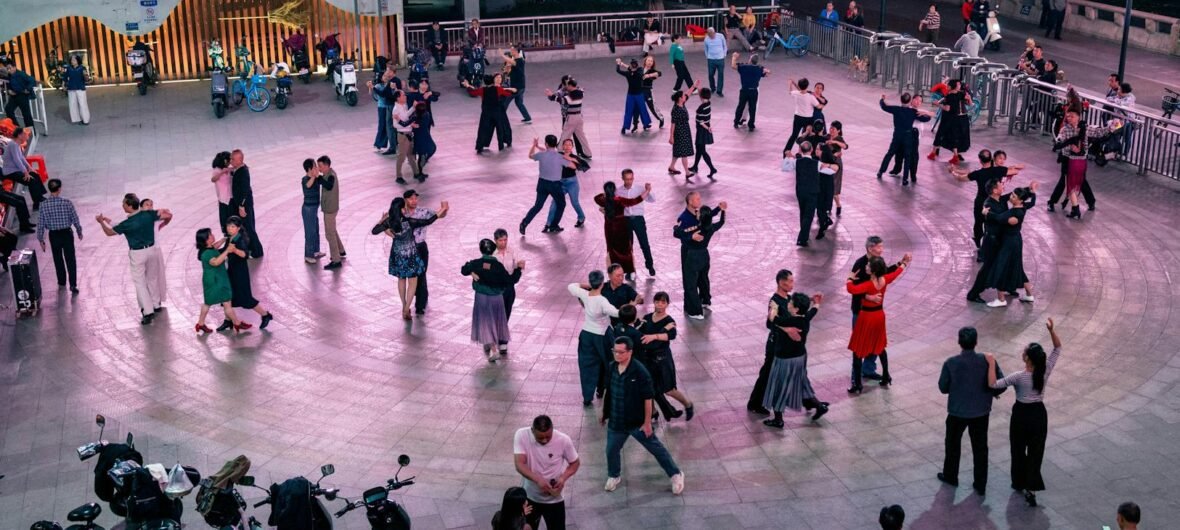
If you’ve ever watched a couple glide effortlessly across a dance floor and thought, “I wish that could be me,” social ballroom dancing nights are your entry point. Unlike competitive ballroom dancing, social dancing is relaxed, welcoming, and genuinely fun — whether you show up as a couple or completely on your own.
Social ballroom events typically feature a mix of dances like Waltz, Foxtrot, Swing, Salsa, Cha-Cha, and Tango, usually in a ballroom, community hall, or dance studio. Most nights follow a simple format: a short group lesson for beginners, followed by two to three hours of open dancing. The atmosphere is inclusive by design, and the unwritten rule is simple — everyone dances with everyone.
Whether you’re a nervous first-timer or someone looking to polish your footwork, this guide covers everything you need to walk in confidently and leave already planning your next visit.
Finding the Right Social Dance Night Near You
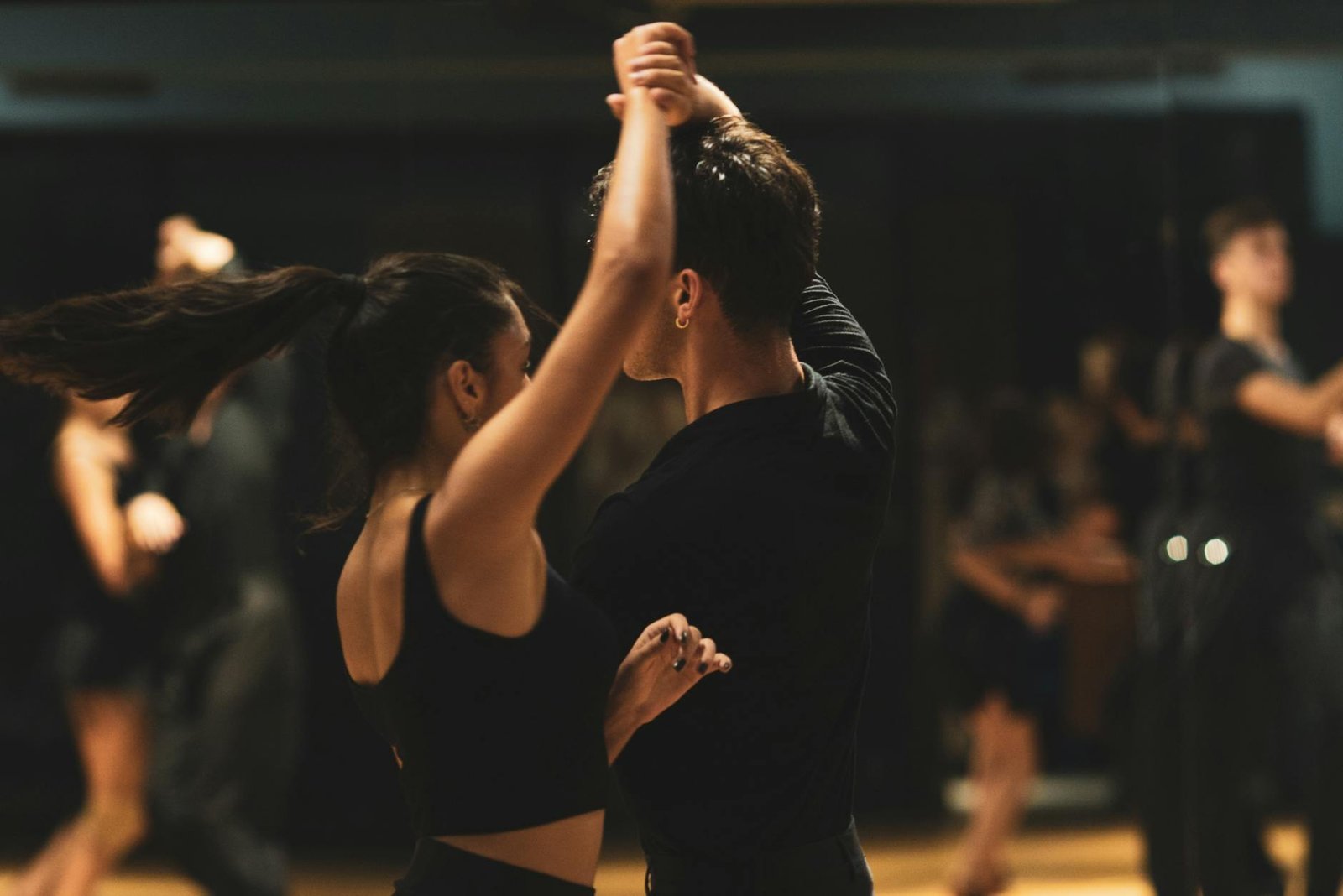
The first step is knowing where to look. Social ballroom nights happen more often than most people realize — you just need to know the right places to search.
- Local dance studios: Most ballroom studios host weekly or bi-weekly social dances, sometimes free for students. Search “[your city] ballroom dance social” to find nearby options.
- Meetup.com: The Meetup platform has hundreds of active ballroom and Latin dance groups across the US, UK, Canada, and Australia.
- Facebook Events and Groups: Search for local swing, salsa, or ballroom dance communities — these groups are often the first to post upcoming social nights.
- Community centers and hotels: Many hotel ballrooms and recreation centers host monthly themed dance evenings that welcome all skill levels.
When evaluating an event, look for ones that advertise a beginner lesson before the social. This 30-to-45-minute lesson is gold — it levels the playing field and gives you at least one pattern to use on the floor all evening.
What to Expect on Your First Night: Etiquette 101
Social dancing has its own gentle code of conduct. Understanding it before you arrive will instantly make you feel more comfortable and make you a dancer others genuinely enjoy sharing the floor with.
Asking for a Dance
Traditionally, anyone can ask anyone to dance — and asking is encouraged. A simple smile and “Would you like to dance?” is all it takes. It’s perfectly normal for singles to ask strangers, and couples often split up to dance with other partners throughout the evening. This is one of the most refreshing aspects of ballroom social culture.
Accepting and Declining
Accepting a dance invitation is the social norm. If you need to sit one out due to tiredness or discomfort, it’s courteous to decline politely and offer to dance the next song. Never decline one person and then immediately get up to dance with someone else — that’s one of the few real faux pas in the community.
On the Dance Floor
Follow the line of dance — progressive dances like Waltz and Foxtrot travel counterclockwise around the room. Keep your movements contained to your own space, and if you bump into someone, a quick smile and “sorry” keeps the good vibes going.
What to Wear: Dress Code and Footwear Essentials
Looking the part isn’t about being flashy — it’s about being comfortable and appropriate. Most social ballroom nights call for smart casual to semi-formal attire. Think dress pants and a collared shirt for men, or a flowy dress or skirt for women. Denim and sneakers are typically frowned upon at more traditional events, though swing and Latin socials tend to be more relaxed.
Invest in Proper Dance Shoes
This is the single biggest game-changer for new dancers. Street shoes grip the floor and can strain your knees; proper dance shoes have suede soles that allow the smooth turns and footwork ballroom dancing requires.
For women, a 1.5- to 2-inch heel is ideal for beginners — enough to improve posture without sacrificing balance. The Bloch Zenith Ballroom Heel and Capezio Women’s Ballroom Shoe (both available on Amazon) are popular entry-level options that combine comfort with performance.
For men, a low-heeled Oxford-style dance shoe works across most ballroom styles. The Very Fine Dance Shoes Men’s Ballroom Oxford is a reliable, affordable pick that gets great reviews from beginners and intermediate dancers alike.
Pro tip: never wear your dance shoes outside — even a short walk across pavement will ruin the suede sole.
The Most Popular Dances You’ll Encounter
You don’t need to know every dance before your first social — but knowing what’s on the playlist helps you feel prepared rather than panicked when a song comes on.
- Waltz: Elegant, flowing, and great for beginners. Three-beat rhythm, traveled around the floor.
- Foxtrot: Smooth and social — arguably the most versatile ballroom dance. Four-beat rhythm, easy to adapt to modern music.
- Swing (East Coast): Upbeat, fun, and very welcoming to beginners. Often the most popular dance at mixed socials.
- Cha-Cha: Playful and flirtatious Latin dance with a catchy syncopated rhythm. A crowd favorite.
- Salsa: Fast, energetic, and social. Don’t worry if you don’t have it perfectly — the music will carry you.
- Tango: Dramatic and close in hold. Usually attempted by dancers with at least a few lessons under their belt.
If the DJ or emcee announces a dance you don’t know, it’s completely acceptable to sit it out or watch from the edge of the floor and pick up the footwork visually.

Tips Specifically for Singles Attending Alone
Going solo to a social dance night is not just acceptable — in many ways, it’s the best way to experience it. Singles often have more dances than couples because they’re actively mixing with the whole room.
- Arrive during the beginner lesson: Lessons rotate partners, so you’ll already know a handful of people before the social even starts.
- Position yourself on the edge of the dance floor: This signals you’re available to dance and makes it easy for others to approach you.
- Be proactive: Don’t wait for others to come to you. Ask someone within the first 20 minutes — it breaks the ice and builds confidence quickly.
- Bring a small bag or use a coat check: Keep your hands free and your focus on dancing, not managing belongings.
- Follow up online: Many dance communities have Facebook or WhatsApp groups. Ask the organizer how to join — it’s how you stay in the loop for future events.
How to Keep Improving Between Social Nights
Social dancing is a skill that compounds beautifully — the more you practice, the more fun each night becomes. Here’s how to accelerate your progress between events.
Take Group Classes
Most studios offer beginner group classes for $10–$20 per session. Even one class per week creates noticeable improvement within a month. Look for packages that bundle classes with social entry fees — great value for regular attendees.
Practice at Home
You don’t need a partner to practice footwork, timing, or frame. YouTube channels like Dance Insanity and Fred Astaire Dance Studios’ official channel offer free tutorials for every major ballroom style.
Use Learning Resources
Books like Ballroom Dancing by Alex Moore (available on Amazon) offer a thorough foundation in technique. For visual learners, the Arthur Murray Dance DVD series remains a trusted at-home learning tool — also easy to find on Amazon.
Dance with Different Partners
At social nights, resist the temptation to only dance with people you know. Dancing with different partners exposes you to different timing, lead/follow styles, and rhythms — all of which make you a stronger, more adaptable dancer.
Ready to Hit the Floor?
Social ballroom dancing nights are one of the most genuinely joyful, welcoming, and mentally stimulating social activities you can add to your life. Whether you’re a couple looking for a shared hobby or a single person ready to meet new people through movement, the ballroom floor has a place for you — starting tonight.
Your action plan: Search for a social dance night in your area this week, grab a pair of entry-level dance shoes, and commit to attending one event in the next two weeks. You don’t need to be good — you just need to show up. The community will take care of the rest.
Have questions about getting started or want to share your first social dance experience? Drop a comment below — we’d love to hear your story and help you find your footing on the floor.