Why Sacred and Spiritual Dance Styles Matter More Than Ever
If you’ve ever felt a shiver run down your spine during a powerful performance, or found yourself moved to tears watching a ritual ceremony, you already understand something deep about sacred and spiritual dance styles from around the world. These are not just art forms — they are living languages, carrying prayers, stories, and healing across generations. Whether you’re a curious beginner or an intermediate dancer looking to expand your horizons, exploring these traditions can completely transform the way you move, feel, and connect with others.
In this guide, we’ll take you on a global journey through some of the most meaningful and spiritually rich dance forms humanity has ever created — and give you practical ways to begin exploring them yourself.
1. Bharatanatyam: The Divine Dance of South India
Originating in the temples of Tamil Nadu, Bharatanatyam is one of the oldest classical dance forms in the world. Traditionally performed by devadasis (temple dancers) as an offering to the gods, every gesture — called a mudra — carries precise spiritual meaning. The stamping footwork, expressive eye movements, and intricate hand gestures tell stories from Hindu scriptures like the Ramayana and Mahabharata.
How to Start Exploring Bharatanatyam
- Find a certified teacher: Look for instructors trained in the Kalakshetra or Vazhuvoor styles for authentic instruction.
- Study the mudras: Books like The Illustrated Guide to Bharatanatyam are a great starting point. You can find reliable copies on Amazon to build your reference library.
- Wear the right gear: Traditional ghungroo ankle bells are essential. Brands like Tabla Store offer quality sets of ghungroos available through Amazon that beginners can start with comfortably.
2. Sufi Whirling: Spinning Into the Divine
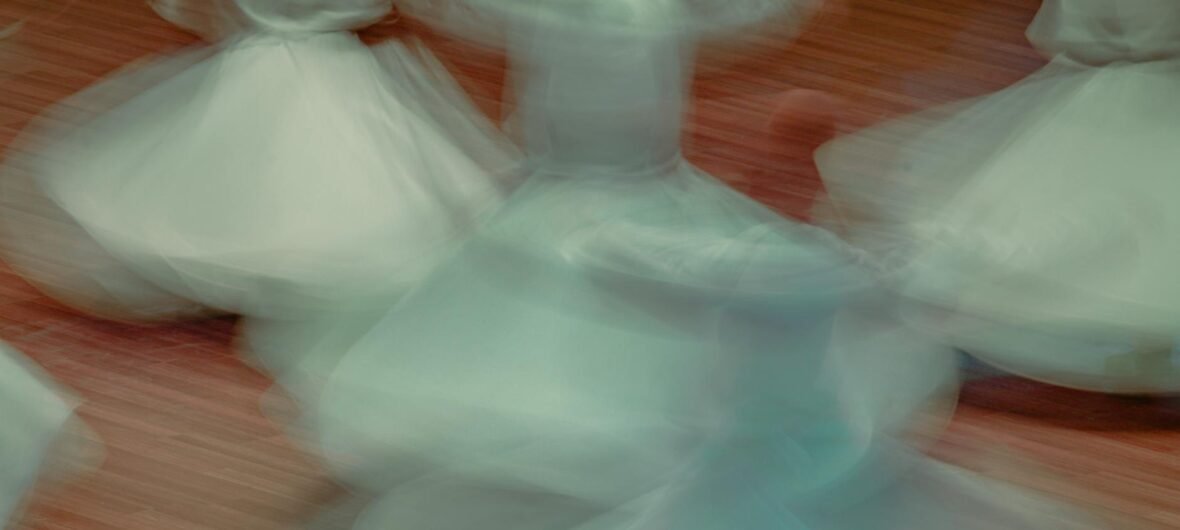
Perhaps one of the most visually mesmerizing of all sacred and spiritual dance styles from around the world, Sufi whirling — or Sema — originates from the Mevlevi Order founded by the followers of the poet Rumi in 13th-century Turkey. Dancers spin continuously, their white robes billowing outward, as a form of active meditation meant to dissolve the ego and achieve closeness with God.
Practical Tips for Beginners
- Start slowly: Practice spinning for just 2–3 minutes at a time to build your inner ear tolerance and avoid dizziness.
- Fix your gaze: Focus on one point on your left thumb to help maintain balance during early practice sessions.
- Wear a flowing skirt or robe: Look for lightweight, wide-hem practice skirts. Milumia and Allegra K both offer affordable flowing maxi skirts on Amazon that work beautifully for beginner whirling practice.
- Breathe deeply: The breath is your anchor — don’t hold it, even when concentration intensifies.
3. Hula: Sacred Storytelling From Hawai’i
Long before hula became a tourist attraction, it was a deeply sacred practice — a form of prayer and historical record for Native Hawaiian culture. The ancient form, hula kahiko, performed to chant and traditional percussion, honors the gods, ancestors, and the natural world. Every hip sway, hand gesture, and foot placement carries layers of meaning rooted in the aloha spirit.
How to Approach Hula Respectfully
- Seek cultural context first: Before you start moving, take time to learn about Hawaiian history and protocol. Look for documentaries or books by Native Hawaiian authors.
- Find a halau hula: A traditional hula school led by a kumu hula (hula master) is the most respectful and authentic way to learn.
- Practice barefoot on natural surfaces whenever possible to deepen your connection to the earth.
- Invest in a good practice skirt: Raffia or ti-leaf skirts are traditional. You can find beginner-friendly practice sets with pa’u skirts on Amazon to start building your attire.
4. Candomblé and Sacred West African Dance
Rooted in the Yoruba traditions of West Africa and kept alive through the African diaspora in Brazil, Candomblé dance is a direct form of communication with the Orixás — divine spirits representing forces of nature. Each Orixá has a specific rhythm, color, movement style, and energy. Similar sacred dance forms exist across the African diaspora, including in Cuba (Santería) and Trinidad.
Learning the Foundations
- Study Afro-Brazilian or Afro-Cuban dance classes as entry points — many studios offer these with qualified instructors.
- Listen actively: The drums are not background music — they are the spiritual call. Train your ear by listening to authentic recordings of atabaque drumming.
- Dress appropriately for class: Comfortable, breathable cotton clothing in white is traditional for many ceremonies. Build a simple practice wardrobe you can move freely in.
5. Tibetan Cham Dance: The Masked Sacred Drama
Performed by Buddhist monks in monasteries across Tibet, Nepal, and Bhutan, Cham dance is a spectacular ritual combining elaborate costumes, terrifying deity masks, and slow, deliberate movement. Each dance enacts stories from Buddhist cosmology and is believed to purify negative energy from the surrounding area. It is rarely taught outside monastic settings, but understanding it enriches any dancer’s awareness of movement as prayer.
How Dance Enthusiasts Can Connect With This Tradition
- Attend a live festival: Monlam or Losar celebrations often feature public Cham performances. Research cultural centers near you or plan a travel experience.
- Study Buddhist philosophy alongside movement: Books like The Tibetan Book of Living and Dying provide context that deepens appreciation. Find them easily on Amazon.
- Explore slow, meditative movement practices like Qigong or Tai Chi as a bridge — these share the same principle of intentional, spiritually-charged motion.
6. Flamenco’s Duende: Spain’s Soul Dance
While flamenco is often categorized as a performance art, its deepest roots are profoundly spiritual. The concept of duende — a kind of divine inspiration or dark, soul-stirring force — is what separates a technically perfect flamenco performance from a truly transcendent one. Originally emerging from the Romani, Moorish, and Jewish communities of Andalusia, flamenco at its core is about raw emotional truth and spiritual release.
Practical Tips for Flamenco Beginners
- Start with footwork (zapateado): Even 15 minutes of daily practice builds rhythm, grounding, and physical confidence.
- Invest in proper flamenco shoes: Bloch and Capezio both make beginner-friendly flamenco shoes available on Amazon. The nailed heel is what creates the authentic percussive sound.
- Listen obsessively: Study artists like Camarón de la Isla and Paco de Lucía to internalize the emotional landscape of the music.
- Let go of perfection: Duende cannot be faked — it emerges when you stop performing and start feeling.
Practical Tips for Exploring Any Sacred Dance Tradition
No matter which of these sacred and spiritual dance styles from around the world calls to you, a few universal principles will serve you well on your journey:
- Approach with humility and respect: These are living traditions belonging to real communities. Learn the history, honor the source, and avoid cultural appropriation by engaging deeply rather than superficially.
- Journal your experiences: Keep a dedicated dance journal to track insights, emotions, and progress. A simple notebook from Amazon works perfectly for this reflective practice.
- Build a home practice space: Even a cleared corner of a room with a non-slip yoga mat (look for Manduka or Gaiam mats on Amazon) and a small altar or meaningful object can create a sacred container for your movement.
- Connect with community: Search for cultural centers, diaspora communities, and specialist dance studios in your area. Learning alongside others who carry these traditions is irreplaceable.
- Be patient: These traditions took lifetimes to develop. Give yourself permission to be a student for a long time — and enjoy every step of the journey.
Your Next Step Into Sacred Movement
The world of sacred and spiritual dance styles from around the world is vast, beautiful, and endlessly rewarding to explore. From the spinning devotion of Sufi whirling to the grounded prayers of hula, each tradition offers a unique doorway into a deeper relationship with your body, your spirit, and the wider human family. You don’t need to master them all — you just need to begin.
Ready to take your first step? Pick one tradition from this guide that resonates with you, find a qualified teacher or reliable learning resource, and commit to exploring it with curiosity and respect for the next 30 days. Then come back and tell us how it changed you — we’d love to hear your story in the comments below!