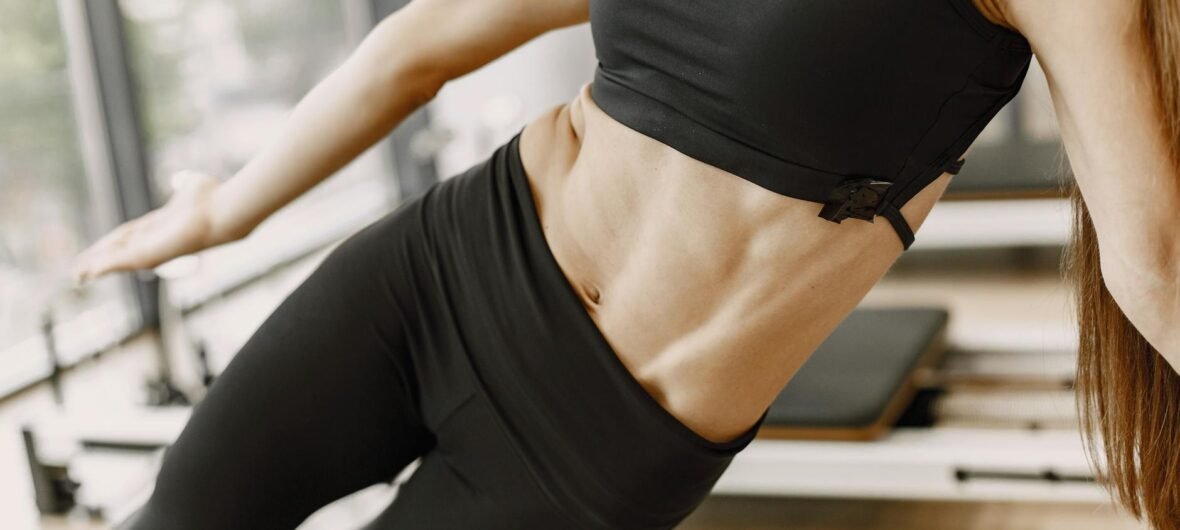
Why Every Dancer Should Know About Pilates
If you’ve ever wondered why so many professional dancers swear by Pilates, you’re not alone. Pilates for dancers — how it helps and what to focus on is one of the most searched topics in the dance fitness world, and for good reason. Whether you’re a ballet beginner, a contemporary student, or a hip-hop enthusiast working on your freestyle flow, Pilates offers a unique toolkit that directly supports what you do on the dance floor.
Unlike generic gym workouts, Pilates was actually developed with movement artists in mind. Joseph Pilates himself worked closely with dancers in New York, and the method has evolved alongside the dance world ever since. In this guide, we’ll break down exactly how Pilates benefits dancers and what areas you should prioritize in your practice.
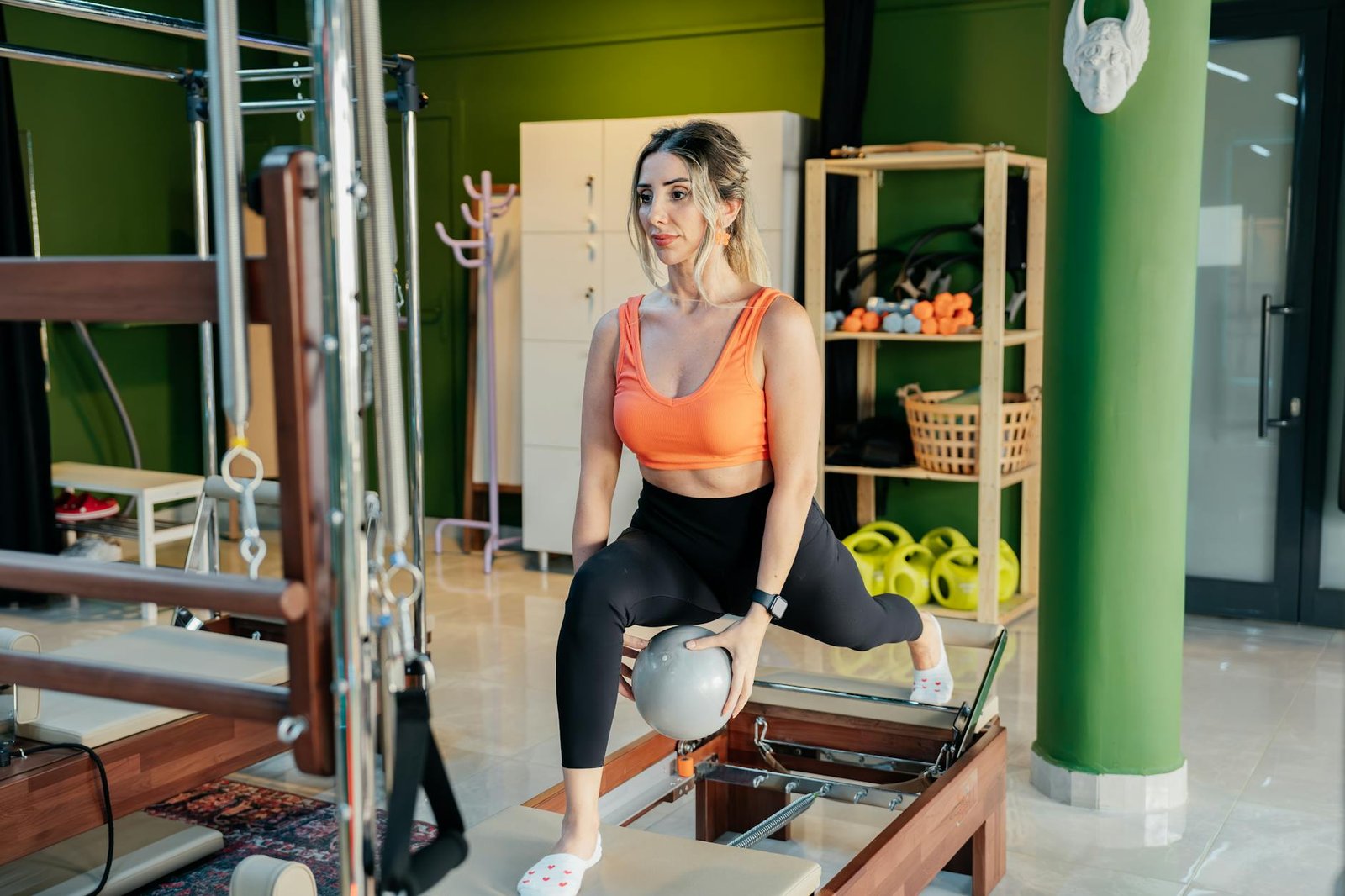
How Pilates Strengthens the Muscles Dancers Use Most
One of the biggest game-changers Pilates offers dancers is deep core strength. When dancers talk about their “center,” they’re referring to the same stabilizing muscles that Pilates targets — the transverse abdominis, pelvic floor, multifidus, and diaphragm. Strengthening these muscles doesn’t just make you look more controlled on stage; it protects your spine, improves your balance, and gives every movement a cleaner, more intentional quality.
Here’s what Pilates strengthens that most dance warm-ups miss:
- Deep hip stabilizers: Critical for high extensions, arabesques, and turns.
- Glutes and inner thighs: Essential for turnout control and powerful jumps.
- Shoulder girdle and back: Important for port de bras, partner work, and upper-body expression.
- Foot and ankle intrinsic muscles: Vital for pointe work, relevés, and landing safely from jumps.
Exercises like the Single Leg Stretch, Side-Lying Leg Series, and Clam are particularly beloved by dancers because they mirror the demands of dance movement while building strength without adding unnecessary bulk.
Flexibility and Mobility: Going Beyond Just Stretching
Many dancers assume that because they already stretch, their flexibility needs are covered. But Pilates approaches mobility differently — it trains your body to be strong through its full range of motion, not just flexible in a passive stretch. This is a crucial distinction.
When you can actively lift your leg high rather than relying on momentum or gravity, that’s functional flexibility — and it’s what separates good technique from great technique. Pilates exercises like the Spine Stretch Forward, Saw, and Swan progressively lengthen the spine and hamstrings while simultaneously engaging the supporting musculature.
Key Areas to Mobilize as a Dancer
- Thoracic spine (mid-back): Improves upper-body movement quality and spinal articulation.
- Hip flexors: Tight hip flexors are one of the most common complaints among dancers — Pilates addresses this beautifully.
- Shoulders and neck: Important for expressive port de bras and injury prevention.
Adding a foam roller to your Pilates practice can dramatically accelerate mobility gains. The TriggerPoint GRID Foam Roller (available on Amazon) is a popular choice among dance students for its firm density and textured surface that mimics a massage therapist’s hands.
Injury Prevention: Protecting Your Body for the Long Haul
Dancers push their bodies hard, and injury is an unfortunate reality in this world. The good news? A consistent Pilates practice is one of the most effective tools for reducing your injury risk.
Pilates addresses the muscular imbalances that most dance training creates. For example:
- Heavy ballet training can overdevelop the quadriceps while leaving the hamstrings and glutes relatively weak — Pilates corrects this.
- Repeated relevé work without proper foot intrinsic strengthening leads to ankle sprains and stress fractures — Pilates targets these tiny muscles directly.
- Hyperextended knees, a common trait in dancers, benefit enormously from the controlled loading Pilates provides.
If you’re working at home, a quality Pilates resistance band set — such as the Fit Simplify Resistance Loop Bands (widely available on Amazon) — can add progressive challenge to exercises like the Footwork Series and hip strengthening sequences without any need for expensive equipment.
What to Focus On: A Practical Pilates Framework for Dancers
Not all Pilates exercises are equally useful for dancers. If you’re new to Pilates or trying to make your sessions more dance-specific, here’s a framework to guide your focus:
1. Spinal Articulation First
Begin every Pilates session with spinal articulation work — Roll-Ups, Rolling Like a Ball, and Spine Twist. Dancers often develop a stiff thoracic spine from holding posture, and mobilizing this area unlocks expressive upper-body movement.
2. Prioritize Unilateral (One-Sided) Work
Dance is highly asymmetrical — you have a stronger leg, a preferred turning direction, a more flexible side. Pilates exercises that work one side at a time, like the Side Kick Series or Single Leg Circle, help identify and correct these imbalances before they lead to injury.
3. Don’t Skip the Footwork
If you have access to a reformer — even a portable home reformer like the Balanced Body Contrology Reformer or the more budget-friendly AeroPilates Reformer (available on Amazon) — the Footwork Series is non-negotiable. It trains calf strength, arch engagement, and ankle alignment in a way that directly transfers to every aspect of dance technique.
4. Breathing Is Not Optional
Pilates breathing — lateral rib cage breathing — teaches dancers to maintain core engagement while breathing freely. This is transformative for performance, especially in demanding sequences where holding your breath is a common nervous habit.
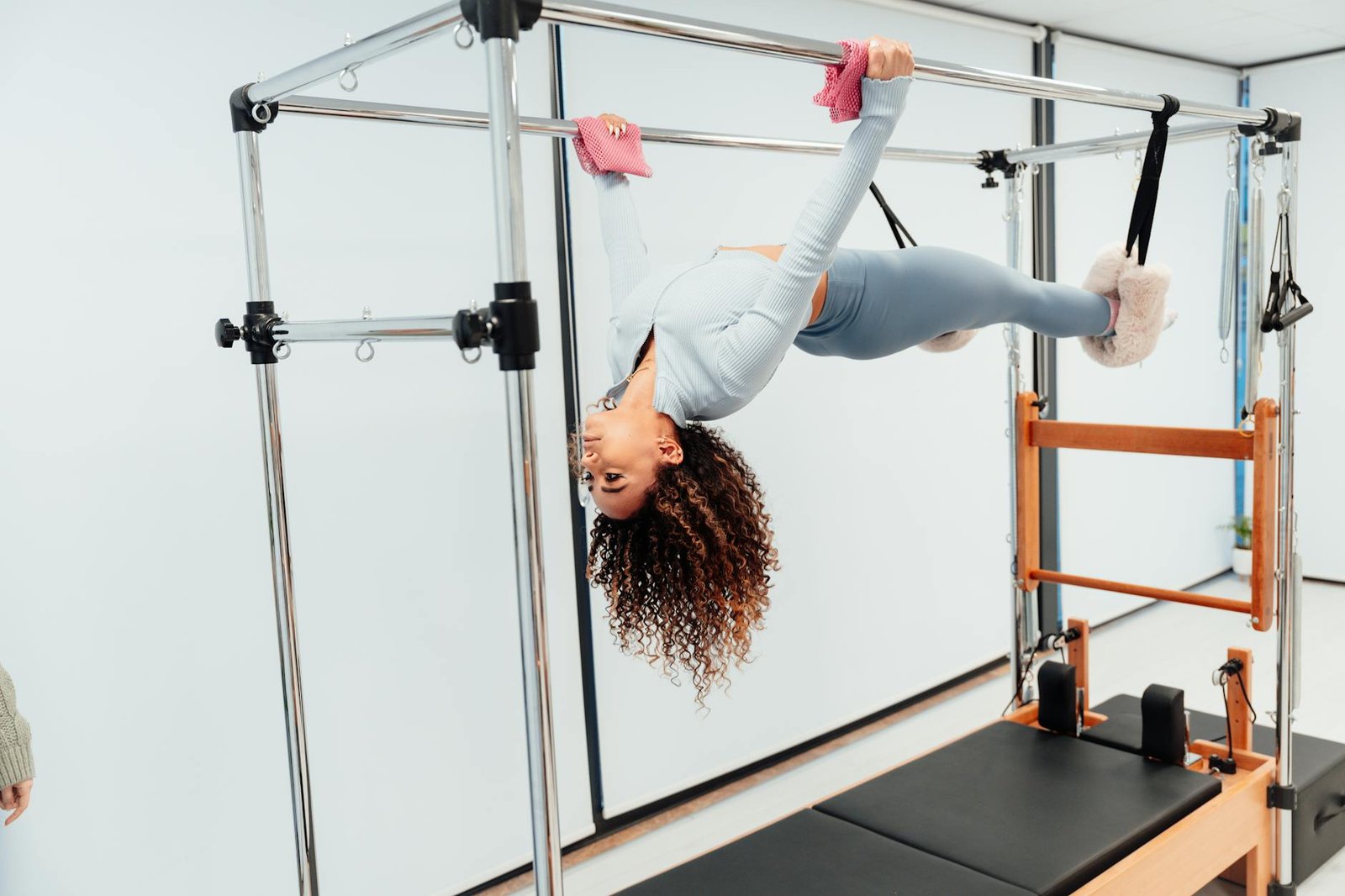
Mat Pilates vs. Reformer Pilates: Which Is Better for Dancers?
Both have tremendous value, and the honest answer is: the best one is the one you’ll actually do consistently.
Mat Pilates is accessible, requires no equipment (or just a good mat — the Liforme Dance Mat or Manduka PRO Yoga Mat both provide excellent grip and cushioning), and can be done anywhere. It’s perfect for building foundational strength and body awareness.
Reformer Pilates adds spring resistance and a moving carriage, which creates a more dynamic challenge. The spring resistance is particularly valuable for dancers because it can be used to assist or resist movement, making it ideal for both rehabilitation and advanced strengthening.
If you’re just starting out, a dedicated mat practice three to four times per week will produce noticeable changes in your dance technique within four to six weeks. Once you’re ready to go deeper, even two reformer sessions per month with a qualified instructor can take your progress to another level.
How to Get Started: Building Your Dancer-Focused Pilates Routine
Ready to integrate Pilates into your training? Here’s a simple starter plan:
- Days 1 & 3: 20–30 minute mat session focusing on core, spine articulation, and the leg series.
- Days 2 & 4: Dance class or rehearsal as usual — notice how your body feels differently.
- Day 5: Longer session (40–45 minutes) incorporating mobility work, resistance band exercises, and full body sequences.
- Days 6 & 7: Active rest — gentle stretching, walking, or light foam rolling.
Online platforms like Pilates Anytime and BASI Pilates Online offer dancer-specific Pilates programs at various levels. For YouTube options, instructors like Jillian Hessel and Pilates with Courtney offer free dancer-focused content that’s beginner-friendly and technique-driven.
Start Your Pilates Journey and Feel the Difference in Your Dance
Pilates for dancers is not a trend — it’s a time-tested method that has shaped some of the world’s greatest performers. Whether your goal is higher extensions, cleaner turns, injury-free longevity, or simply feeling more connected and confident in your body, Pilates delivers.
The most important step? Just begin. Roll out your mat, press play on a beginner class, and commit to two weeks of consistent practice. You’ll feel the difference in your dancing before you know it.
Ready to take action? Bookmark this page, grab a quality mat, and explore the resources linked above. And if you found this guide helpful, share it with a fellow dancer who could use a little extra support in their training — because great dancing is always better when we grow together.