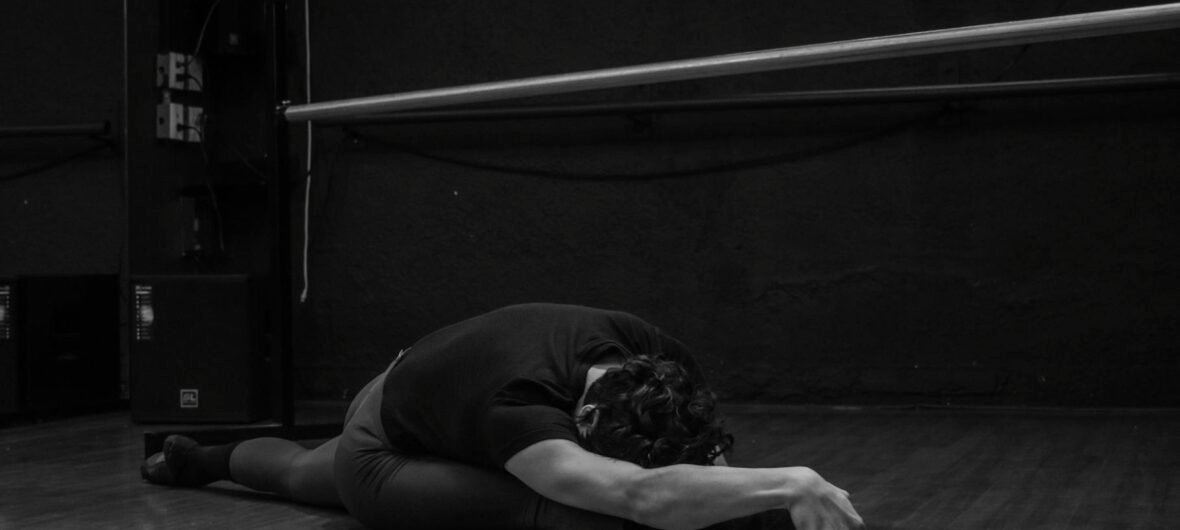
Why Strength Training for Dancers Is a Game-Changer
If you think strength training is only for athletes in the gym, it’s time to rethink that idea. Strength training for dancers is one of the most effective ways to improve your technique, sharpen your lines, and protect your body from the wear and tear that comes with regular dance practice. Whether you’re a ballet beginner, a hip-hop enthusiast, or somewhere in between, adding a smart strength routine to your schedule can make you a more powerful, resilient, and expressive dancer.
The good news? You don’t need to become a bodybuilder. You just need the right approach — and that’s exactly what this guide is here to provide.
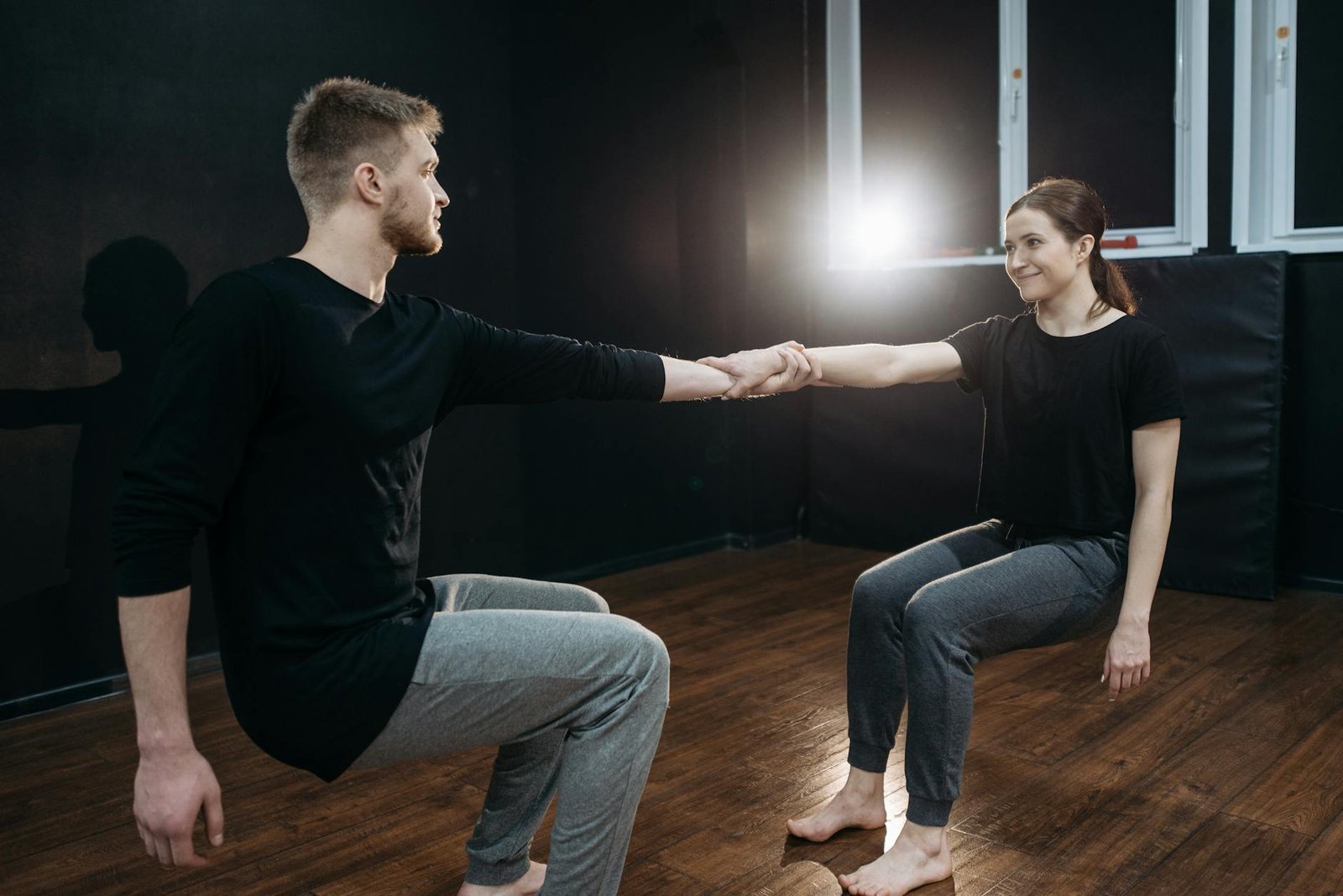
Understanding What Dancers Actually Need from Strength Training
Before you pick up a dumbbell, it helps to understand what your body needs as a dancer. Dance demands a unique combination of strength, flexibility, balance, and endurance — often all at the same time. That means your strength training should be functional rather than purely focused on building mass.
Here’s what to prioritize:
- Core stability: A strong core is the foundation of virtually every dance movement, from pirouettes to leaps.
- Hip and glute strength: Your hips are your powerhouse for jumps, extensions, and turnout control.
- Ankle and foot stability: Strong ankles reduce the risk of sprains and improve your balance on relevé.
- Upper body tone: Arms and shoulders matter more than people think — especially in partnering work or styles like contemporary and ballroom.
- Eccentric muscle control: This is the ability to lower slowly and with control, critical for soft landings and fluid movement.
Think of strength training as support work that makes everything you already do in the studio feel easier and look better.
Getting Started: Essential Exercises for Beginner Dancers
You don’t need a full gym membership to get started. Many of the most effective exercises for dancers require minimal equipment and can be done at home. Here are the foundational moves to build into your routine:
1. Glute Bridges
Lie on your back with knees bent and feet flat on the floor. Press through your heels to lift your hips, squeeze your glutes at the top, and lower slowly. This builds hip and glute strength essential for jumps and turnout. Try 3 sets of 15 reps.
2. Single-Leg Deadlifts
Standing on one leg, hinge forward at the hip while extending the other leg behind you. This challenges your hamstrings, glutes, and balance simultaneously — a perfect combo for dancers. Start with bodyweight before adding light dumbbells.
3. Plank Variations
Standard planks, side planks, and plank with leg lifts are all fantastic for building the core stability dancers need. Aim for 30–60 second holds with good form rather than rushing through reps.
4. Relevé Calf Raises
Stand with feet in parallel or first position, rise onto the balls of your feet, and lower slowly. Add a resistance band around your ankles for extra challenge. This directly translates to stronger pointe work and balance.
5. Lateral Band Walks
Place a resistance loop band around your thighs or ankles and walk sideways in a squat position. This targets the hip abductors, which are notoriously weak in many dancers. A pack like the TheraBand Resistance Loop Bands (widely available on Amazon) is affordable and beginner-friendly.
Building Your Weekly Strength Training Schedule
One of the most common questions beginners ask is: How often should I train? The answer depends on your current dance schedule, but here’s a simple framework to get you started without burning out:
- 2–3 days per week of targeted strength work is plenty for beginners.
- Allow at least one rest day between strength sessions to let muscles recover and adapt.
- Try to schedule strength sessions on days that are lighter on dance training to avoid fatigue overlap.
- Keep sessions 30–45 minutes — quality over quantity always wins.
A sample beginner week might look like this: strength training Monday and Thursday, dance classes Tuesday, Wednesday, Friday, and an active recovery session (like yoga or a gentle walk) on the weekend. Consistency over a few months will yield results that surprise you.
Equipment Worth Investing In as a Beginner
You don’t need to spend a fortune, but a few key pieces of equipment can make a real difference in your training quality and safety.
- Resistance bands: Versatile, portable, and great for warm-ups, activation work, and adding challenge to bodyweight exercises. Look for a set that includes multiple resistance levels, such as the popular Fit Simplify Resistance Loop Exercise Bands available on Amazon for under $15.
- A light pair of dumbbells (5–15 lbs): Ideal for single-leg work, upper body exercises, and adding progressive overload. Adjustable sets save space if you’re working at home.
- A yoga mat: Essential for floor work and core exercises. The Liforme Yoga Mat is a dancer favorite thanks to its alignment markings and non-slip surface.
- Foam roller: Use it for post-workout muscle recovery and to release tightness in your IT bands, calves, and hip flexors. A basic option like the Amazon Basics High-Density Foam Roller does the job well.
These four items are all you need to build an effective home strength training setup that supports your dancing.
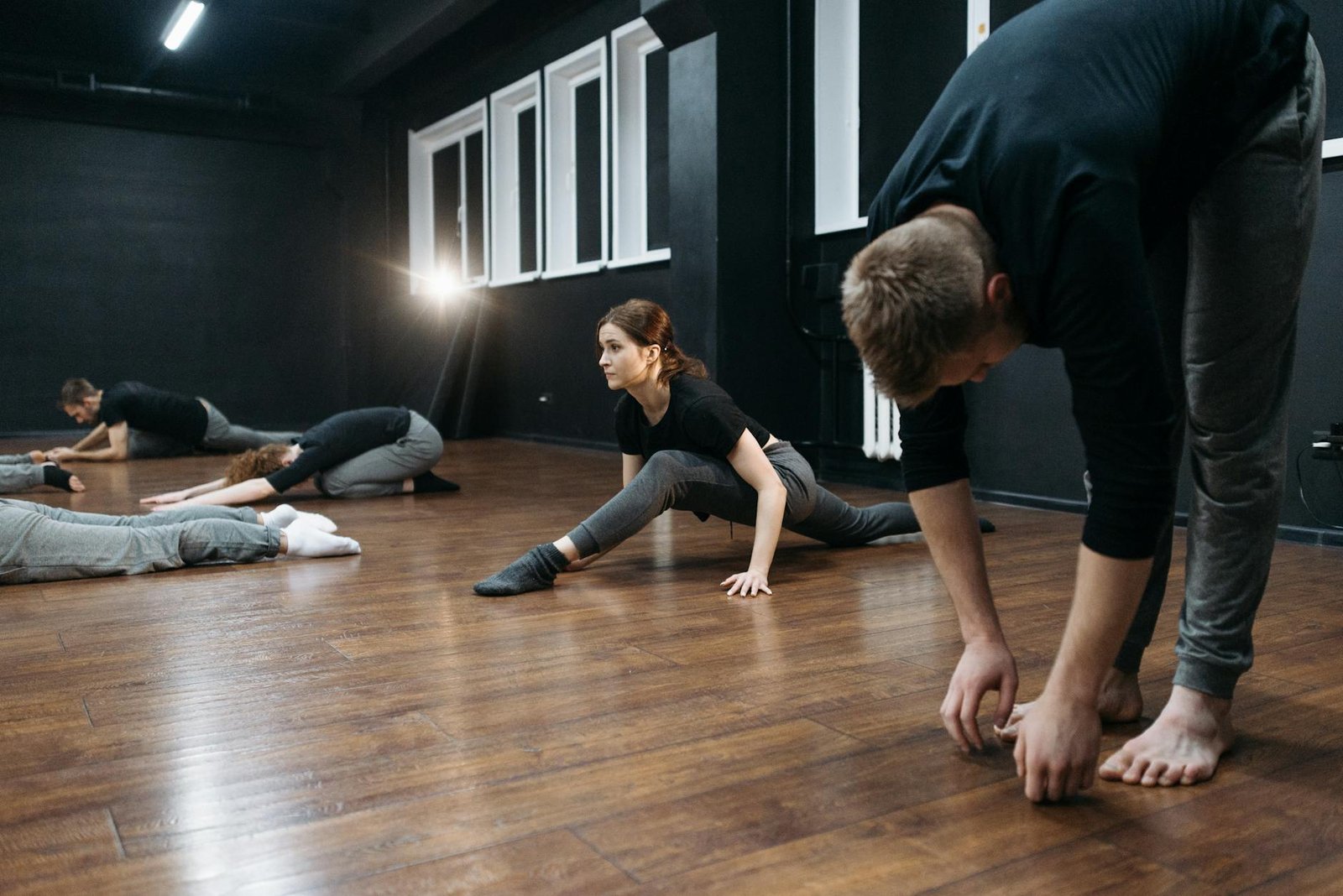
Common Mistakes Dancers Make When Starting Strength Training
Even with the best intentions, beginners often fall into a few traps. Knowing them in advance can save you weeks of frustration.
- Skipping warm-up: Your joints and muscles need preparation before loading. Spend 5–10 minutes on dynamic warm-up movements like leg swings, hip circles, and arm rotations.
- Going too heavy too soon: Ego lifting leads to poor form and injuries. Start lighter than you think you need to, and focus on executing each movement with precision.
- Neglecting flexibility work: Strength without flexibility creates stiffness that can actually limit your range of motion in the studio. Always finish with gentle stretching or foam rolling.
- Inconsistency: Two weeks of training followed by a two-week gap won’t build much. Schedule your sessions like you schedule dance class — as non-negotiable commitments.
- Ignoring pain: Muscle fatigue is normal; sharp or joint pain is not. If something hurts beyond normal soreness, stop and consult a physical therapist or sports medicine professional.
How to Track Your Progress and Stay Motivated
Progress in strength training can feel slow at first, but it’s happening even when you can’t see it. Here are some practical ways to stay motivated and measure your growth:
- Keep a training journal: Log the exercises, sets, reps, and weights you use each session. Looking back after 6–8 weeks and seeing the improvement is incredibly encouraging.
- Notice changes in the studio: The real payoff shows up in your dancing — stronger jumps, steadier balances, less fatigue at the end of class. Pay attention to these wins.
- Take short videos: Record yourself performing exercises to check your form and see changes in your physique and control over time.
- Set small, specific goals: “I want to hold a 60-second side plank by the end of the month” is more motivating than a vague goal like “get stronger.”
Remember, every professional dancer you admire puts in work off the stage and out of the studio. Strength training is part of that invisible effort that creates visible results.
Start Your Strength Journey Today
Strength training for dancers isn’t about changing who you are as an artist — it’s about giving your body the tools it needs to fully express what you’re already capable of. Start simple, stay consistent, and trust the process. Within a few weeks, you’ll feel a difference in class. Within a few months, others will start to notice it too.
Ready to take the next step? Grab a resistance band, roll out your mat, and try the five beginner exercises from this guide today. And if you found this post helpful, share it with a fellow dancer who’s been curious about adding strength work to their routine — they’ll thank you for it later.
You might also like: