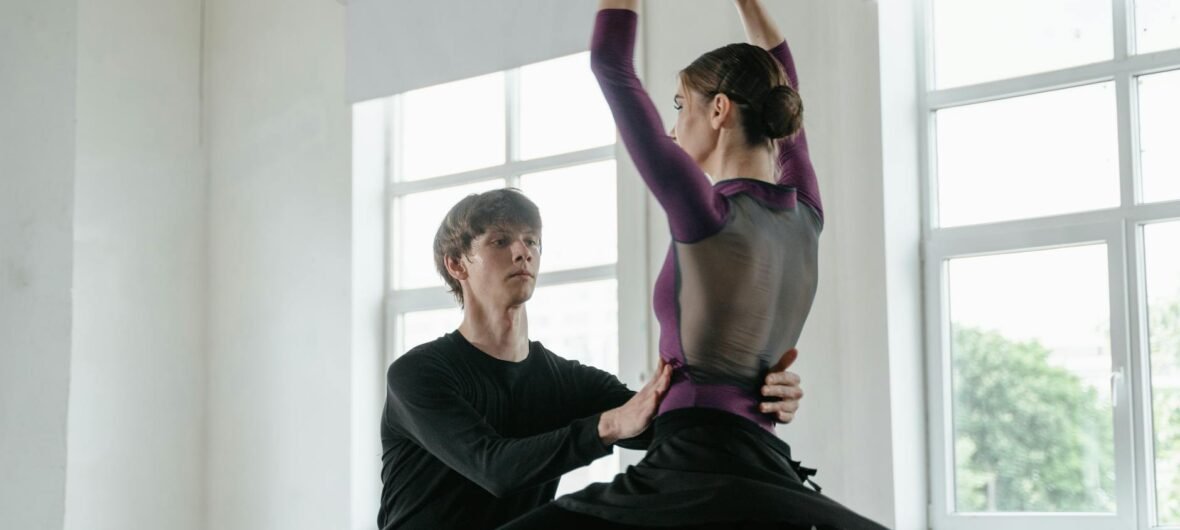
Why Your First Dance Audition Is a Big Deal (And How to Own It)
If you’ve been searching for how to prepare for your first dance audition tips, you’re already one step ahead of most beginners. Walking into an audition room for the first time can feel overwhelming — the mirrors, the judges, the other dancers who seem like they were born performing. But here’s the truth: every professional dancer you admire once stood exactly where you’re standing now. With the right preparation, the right mindset, and a few insider strategies, you can walk into that room feeling confident and ready to shine. Let’s break it all down.
1. Research the Audition Inside and Out
Before you do a single pirouette in preparation, do your homework. Knowledge is one of the most underrated tools a dancer can bring to an audition.
- Know the style: Is it ballet, hip-hop, contemporary, jazz, or musical theatre? Each genre has different expectations for technique, presentation, and energy.
- Research the company or production: Look up past performances on YouTube, follow their social media, and understand their aesthetic. Judges notice when a dancer “gets” their vision.
- Understand the format: Will you be learning choreography on the spot? Performing a solo? Doing across-the-floor combinations? Knowing the structure helps you prepare mentally and physically.
- Check dress code requirements: Many auditions specify what to wear. If they don’t, research what’s standard for that dance style.
Reach out to the audition coordinator if you have specific questions. Showing genuine interest is never a bad thing.
2. Build a Focused Preparation Routine (Starting Weeks Before)
Don’t cram your preparation into the night before. Give yourself at least two to four weeks of intentional practice if possible.
Physical Preparation
- Take classes in the audition’s specific style — consistency beats intensity.
- Work on your weak spots. If your turns need work, drill them daily. If your flexibility is lacking, commit to a stretching routine morning and night.
- Build stamina with cardio. Auditions can be long and exhausting — your body needs endurance, not just technique.
Mental Preparation
- Visualize yourself succeeding. Sports psychologists swear by this, and it works just as powerfully for dancers.
- Record yourself practicing and watch it back without cringing — use it as a coaching tool, not a self-criticism session.
- Practice performing in front of others. Take every opportunity to dance in front of friends, family, or a mirror with the mindset of “I am being watched.”
3. Get Your Gear and Attire Right
What you wear to an audition communicates a lot before you even take a single step. Dress intentionally, practically, and according to the style you’re auditioning for.
- Fit and movement: Choose clothing that fits your body well, allows full range of motion, and doesn’t distract. Avoid anything too baggy or too restrictive.
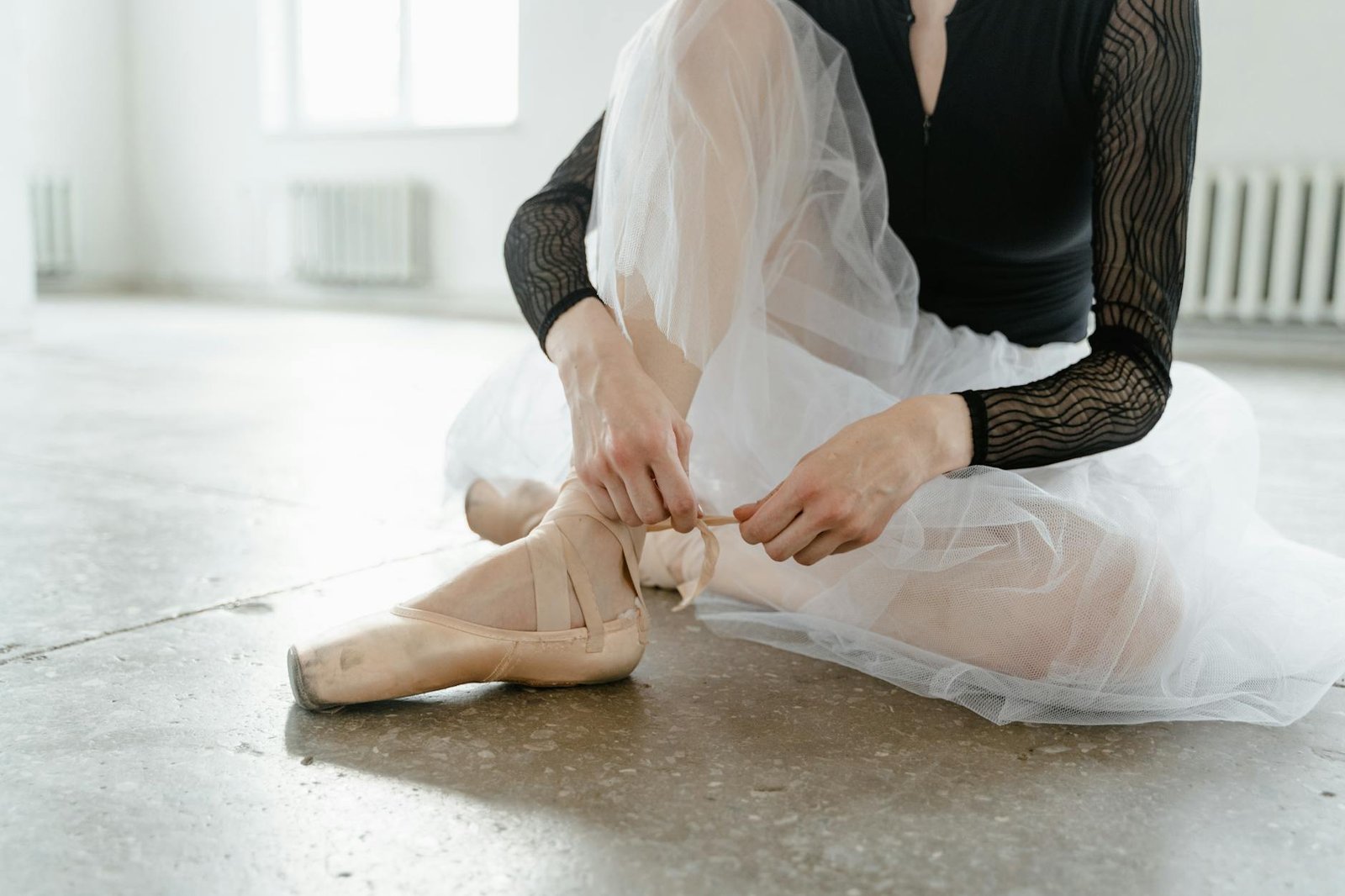
- Shoes matter enormously: Invest in quality footwear appropriate to your style. For ballet, well-fitted Bloch or Capezio shoes are trusted industry staples. For jazz and contemporary, Capezio Fizzion or So Dança jazz shoes offer excellent flexibility and support. Many of these are available on Amazon with Prime shipping — clutch if your audition is soon.
- Hair and grooming: Keep hair neat and away from your face. For ballet and commercial work, a clean bun is almost always appropriate. For hip-hop or street styles, wear your hair in a way that feels authentic to you but stays out of your eyes.
- Bring layers: Bring warm-up clothes like Wear Moi or Bloch warm-up pants that you can strip off once you’re warmed up. Being cold before you perform is a recipe for injury.
A small pro tip: wear colors that help you stand out subtly — not neon orange, but a confident jewel tone or a classic that photographs well if the audition is being recorded.
4. Nail Your Warm-Up Strategy
Arriving cold to an audition is one of the most common mistakes beginners make. Your body needs to be fully warmed up before you’re asked to perform at full capacity.
- Arrive at least 30–45 minutes early so you have time to stretch and move before the audition officially begins.
- Do a full-body dynamic warm-up — leg swings, arm circles, hip rotations — before any deep stretching.
- Run through any combinations or pieces you’ve prepared so your muscle memory is activated.
- Bring a foam roller (the TriggerPoint GRID foam roller on Amazon is a dancer favorite) to work out any tension in your IT band, calves, or upper back.
Use this warm-up time to also calm your nerves. Put in your earbuds, listen to your pump-up playlist, and get into your performance headspace before you walk through those doors.
5. Master the Art of Learning Choreography Quickly
One of the most common elements of a dance audition is learning new choreography on the spot — and this is where many beginners freeze up. Here’s how to get better at it:
- Watch first, then do: When the choreographer demonstrates, watch the full phrase before you start moving your body. Your brain needs the whole picture.
- Use counts and landmarks: Break the phrase into 8-count sections and identify key “landmark” moves that anchor the sequence in your memory.
- Don’t panic if you mess up: Keep going. Judges are watching how you recover just as much as how you perform.
- Practice this skill regularly: Take drop-in classes in unfamiliar styles. The more often you learn new choreography, the faster your brain gets at processing it.
6. Bring the Right Energy and Attitude Into the Room
Technique gets you noticed. Attitude keeps you remembered. The energy you bring into an audition room is something every judge, choreographer, and director pays attention to — often subconsciously.
- Be coachable: If a director gives you a correction, take it with a nod and apply it immediately. This is one of the biggest green flags a judge can see.
- Be present and engaged even when it’s not your turn: Don’t slouch in the corner scrolling your phone. Stay warm, stay aware, stay in performance mode.
- Make eye contact and commit: Don’t look at the floor. Dance to the judges, to the back wall, to an imaginary audience. Timid eyes kill a performance faster than a technical mistake.
- Be kind to other auditioners: The dance world is small. The person next to you today might be your castmate or choreographer tomorrow.
7. Prepare Everything the Night Before
Audition day has enough adrenaline in it — don’t add logistical chaos to the mix. The night before, prepare everything so your morning is smooth and stress-free.
- Pack your dance bag with your shoes, warm-up clothes, hair supplies, a water bottle, and a light snack (think a banana or handful of almonds — not a full meal that might sit heavy).
- Plan your route and leave extra time for traffic or transit delays.
- Get 7–9 hours of sleep. This is non-negotiable. Fatigue affects both physical performance and your ability to learn choreography quickly.
- Write down three things you do well as a dancer and read them in the morning. This sounds cheesy — it works.
You’re More Ready Than You Think — Now Go Show Them
Preparing for your first dance audition is about far more than perfecting your technique. It’s about showing up informed, physically ready, mentally grounded, and genuinely present. Every tip in this guide — from researching the audition format to packing your bag the night before — is designed to give you every possible advantage when you walk into that room.
Remember: the judges in that room are hoping you walk in and blow them away. They want to find great dancers. Your job is simply to show them what you’ve got.
Ready to take the next step? Save this post, share it with a dancer friend who has an audition coming up, and check out our other guides on building technique, managing performance anxiety, and choosing the right dance classes near you. You’ve got this — now go dance like you mean it.