Why Teaching Dance Is One of the Most Rewarding Career Moves You Can Make
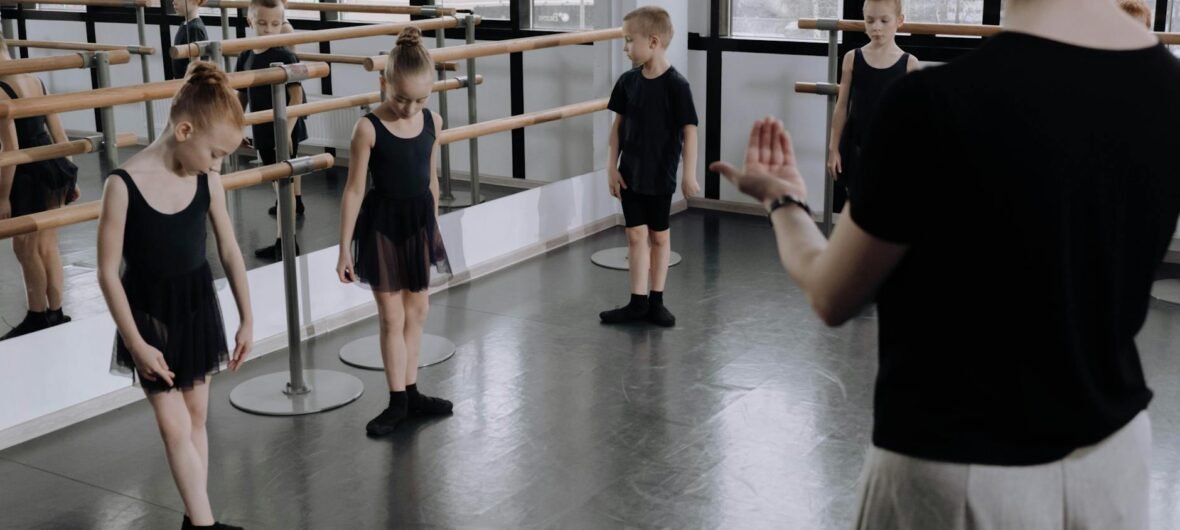
If you’ve ever caught yourself mentally correcting someone’s footwork or dreamed of passing your love of movement on to others, you’re already thinking like a dance instructor. Learning how to start teaching dance as a new instructor can feel overwhelming at first — but with the right roadmap, it’s absolutely achievable, even if you’ve never stood in front of a class before.
The global dance education industry is thriving, with demand for qualified instructors in studios, community centers, schools, and online platforms growing every year. Whether you specialize in ballet, hip-hop, salsa, or contemporary, there’s a student out there waiting for exactly what you have to offer. Let’s walk through everything you need to know to get started with confidence.
Get Certified: Why Credentials Matter More Than You Think
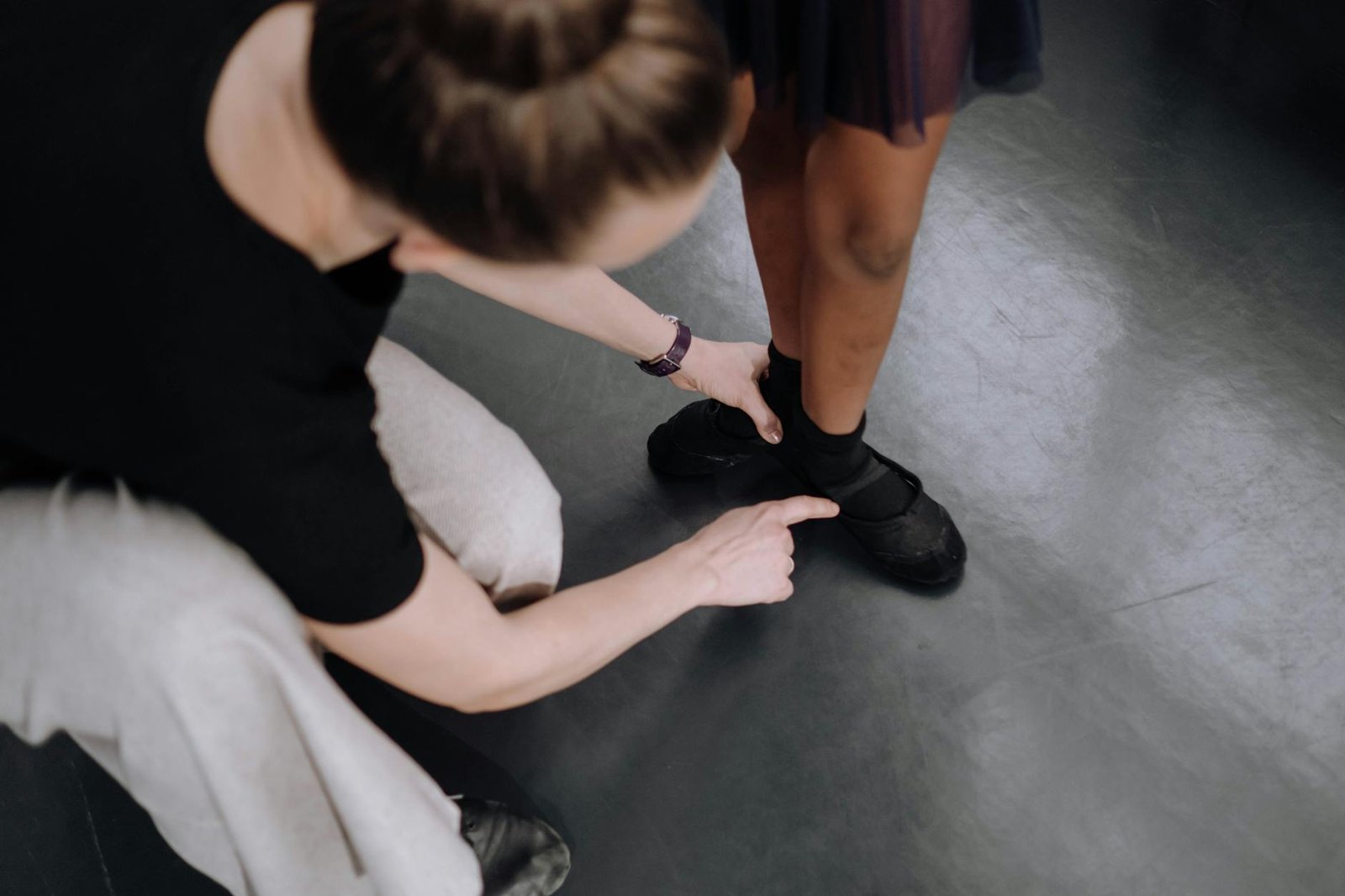
One of the first questions new instructors ask is: Do I actually need a certification? Technically, no one can stop you from teaching without one — but having a recognized credential does three powerful things: it builds trust with students and parents, it gives you structured knowledge about anatomy and pedagogy, and it protects you legally.
- Royal Academy of Dance (RAD) – Globally recognized, especially strong for ballet.
- Dance Teacher Web – A fantastic online resource offering workshops and professional development for instructors of all styles.
- AFAA Dance Fitness Certification – Ideal if you’re leaning toward fitness-focused formats like Zumba or dance aerobics.
- iDance Certification – Great for hip-hop and street styles, with flexible online options.
Even if formal certification isn’t mandatory in your area, completing even a short teacher-training workshop will dramatically improve your first classes and help you avoid common beginner mistakes like skipping warm-ups or overloading students with information.
Define Your Dance Niche and Target Audience
Trying to teach every style to every age group is one of the fastest ways to burn out as a new instructor. Instead, get specific. Ask yourself:
- What style am I most passionate about and technically strong in?
- Do I prefer working with children, teens, adults, or seniors?
- Am I drawn to performance-based training or recreational, fun-focused classes?
Your niche doesn’t have to be forever — many instructors expand over time — but starting focused helps you market yourself more clearly and build a loyal student base faster. For example, “adult beginner salsa for people with two left feet” is a far more compelling offer than just “dance classes.” Specificity sells, especially when you’re new and building a reputation.
Plan Your First Lessons Like a Pro
Solid lesson planning is the backbone of great teaching. A well-structured class keeps students engaged, progressing, and coming back week after week. Here’s a simple framework to follow for every session:
The 4-Part Class Structure
- Warm-Up (10 min): Gentle cardio and dynamic stretching to prevent injury and get students mentally present.
- Technique Drill (15 min): Focus on one or two foundational skills. Break them down into the smallest possible steps.
- Combination or Choreography (20 min): Apply the technique in context. Keep combinations short and achievable for beginners.
- Cool Down & Reflection (5 min): Stretching and a quick verbal check-in. Ask students what clicked and what they want more of.
Write your lesson plans down before class, every time. Even experienced instructors do this. It keeps you on track and helps you track student progress over weeks and months. A simple notebook works fine, or use a free app like Notion or Google Docs to keep everything organized and searchable.
Set Up Your Teaching Space and Essential Gear
You don’t need a professional studio to start teaching — a cleared living room, a church hall, or a rented community space all work perfectly well. What you do need is the right gear to make your classes feel polished and professional from day one.
Must-Have Equipment for New Dance Instructors
- Portable Bluetooth Speaker: Music is everything. The JBL Xtreme 3 and the Bose SoundLink Flex are both top-rated options on Amazon that deliver rich, room-filling sound without distortion at high volumes.
- Yoga Mat or Marley-Style Floor Mat: If you’re teaching in a space without sprung flooring, a portable Marley roll (widely available on Amazon) protects your students’ joints and gives proper traction for turns.
- Full-Length Mirror: Students learn dramatically faster when they can see themselves. A large frameless wall mirror or even a set of interlocking mirror tiles can transform a basic room into a proper dance environment.
- Comfortable, Professional Dancewear: Brands like Capezio, Bloch, and Danshuz offer instructor-quality dancewear that’s durable and moves with you. Looking the part builds instant credibility.
- Music Streaming Service: A Spotify Premium or Apple Music subscription gives you access to millions of tracks. Consider building dedicated playlists for warm-ups, drills, and combinations in advance.
Find Your First Students and Spread the Word
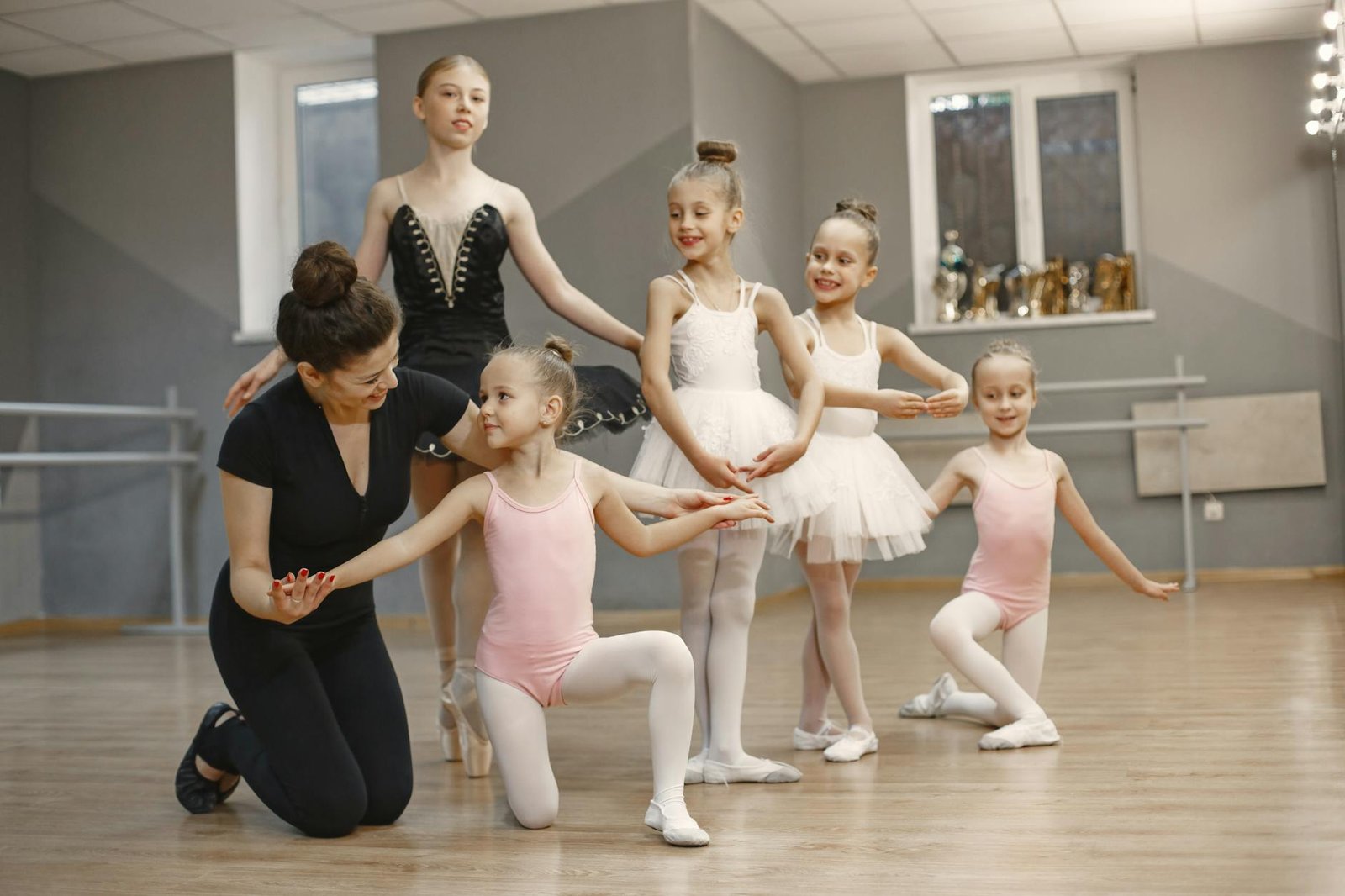
This is where many new instructors hesitate — but marketing yourself doesn’t have to feel pushy or uncomfortable. Start with your existing network and expand from there.
- Post on social media: Short video clips of you dancing or teaching are incredibly effective. Instagram Reels and TikTok are goldmines for organic reach in the dance community. Show your personality, not just your technique.
- Offer a free or discounted introductory class: Lower the barrier for first-timers. Once people experience your teaching energy in person, many will happily pay for the next session.
- Partner with local gyms, community centers, or yoga studios: Many of these venues actively look for instructors to fill schedule gaps and will promote you to their existing members.
- List yourself on platforms like ClassPass, Mindbody, or even Facebook Events to get discovered by people actively searching for local dance classes.
- Ask for referrals: Happy students are your best marketers. Don’t be shy about asking them to bring a friend or leave a review.
Build Your Confidence and Keep Growing as an Instructor
Here’s the honest truth: your first few classes probably won’t be perfect, and that’s completely okay. Every legendary instructor had a shaky first lesson. What separates those who thrive from those who quit is a commitment to continuous improvement.
- Record your classes (with student permission) and watch them back. You’ll catch cues, pacing issues, and energy dips you’d never notice in the moment.
- Take classes yourself — both in your own style and in others. Being a student keeps you humble, inspired, and full of fresh ideas.
- Join instructor communities like the Dance Teacher Web forum or Facebook groups for dance educators. Sharing experiences with peers accelerates your growth faster than going it alone.
- Read and invest in yourself. Books like Teaching Dance as Art in Education by Brenda Pugh McCutchen are excellent resources for building a deeper pedagogical foundation.
Remember that confidence in front of a class is a skill, not a personality trait. It’s built one class at a time, and it grows faster than you expect.
Start Teaching Dance Today — Your Students Are Waiting
Learning how to start teaching dance as a new instructor is really about taking that first brave step and trusting that your passion will carry you the rest of the way. Get your certification, define your niche, plan those first lessons, grab the gear you need, and put yourself out there. The dance world genuinely needs more passionate, thoughtful teachers — and you have something unique to offer.
Ready to take the leap? Start by mapping out your niche and writing your very first lesson plan this week. Share your teaching journey in the comments below — we’d love to cheer you on every step of the way!
You might also like: