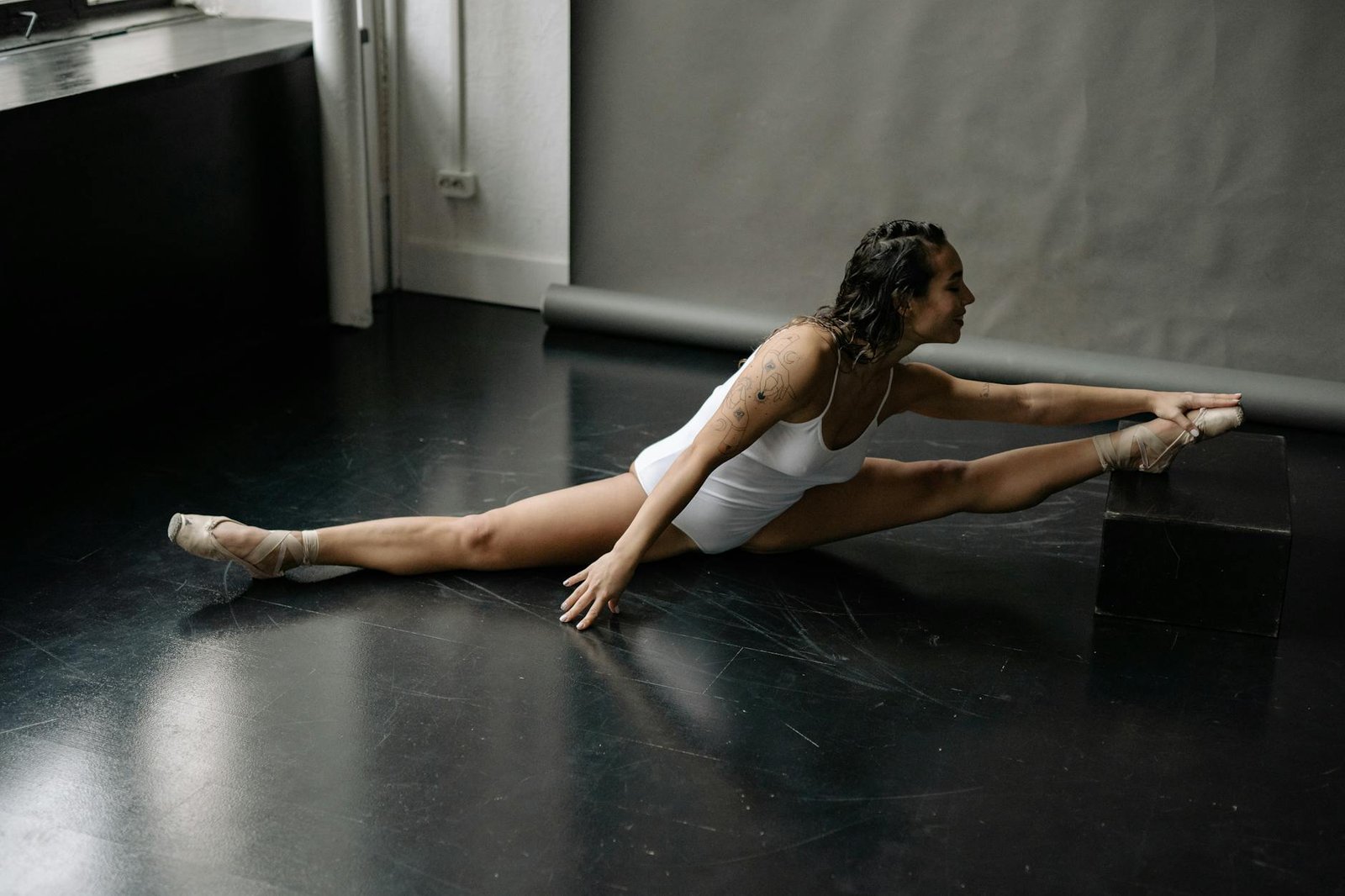
Flexibility is the most misunderstood aspect of dance training. Dancers and beginners alike spend hours stretching and see minimal results — not because flexibility can’t be improved, but because they’re using the wrong methods at the wrong times.
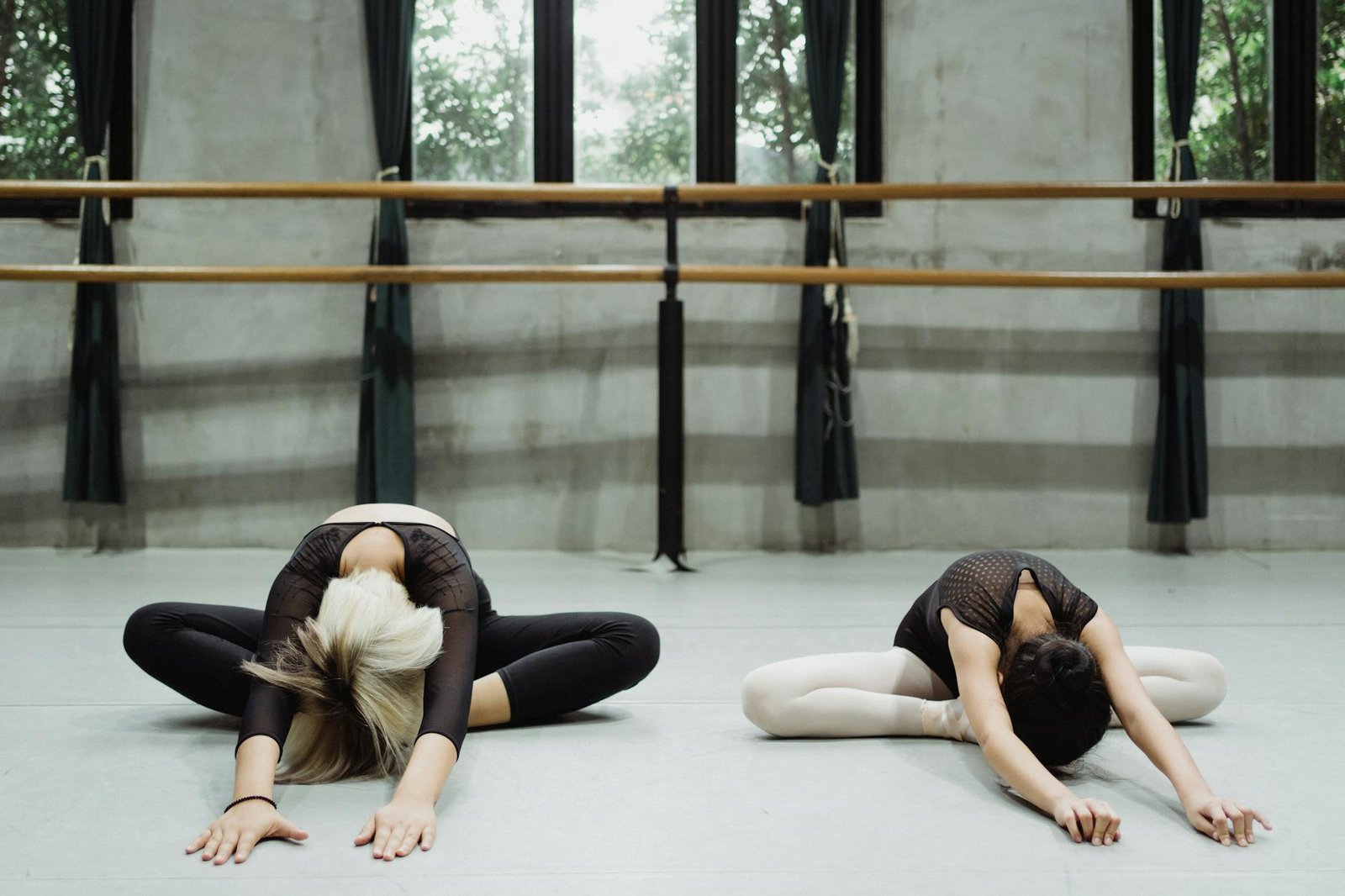
The Two Types of Flexibility That Matter
Passive flexibility: How far you can move a joint when an external force (gravity, a wall, another person) is applied. Measured by lying in a split or leaning against a wall in a stretch.
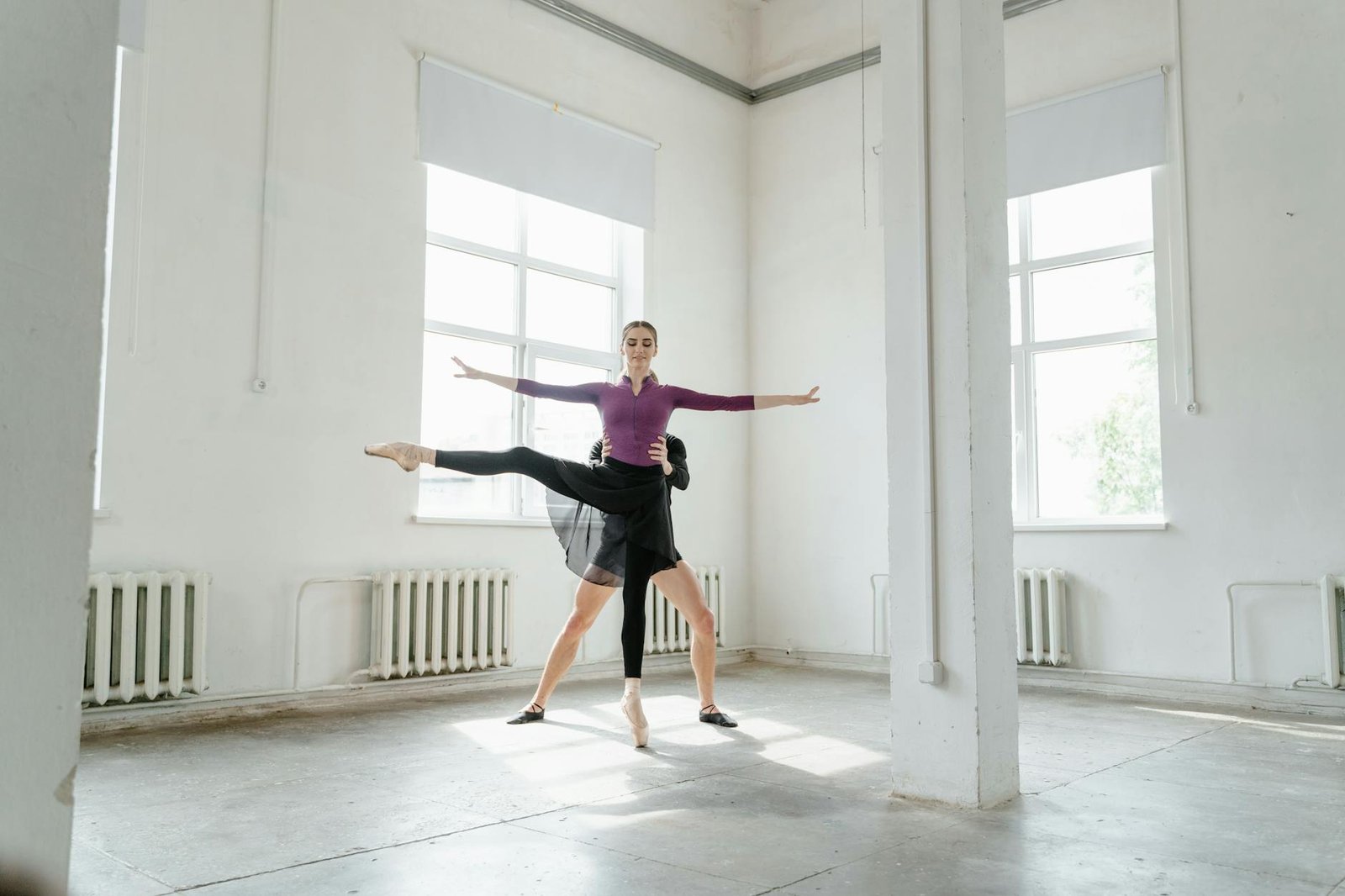
Active flexibility: How far you can move a joint using only your own muscles — no external help. A dancer standing and lifting their leg to the side is using active flexibility.
Most stretching develops passive flexibility. Active flexibility — which is what you need to actually use in dancing — requires additional strength training of the muscles that move the joint. Many dancers can do the splits on the floor but can’t lift their leg to the same height while standing. This is a passive/active flexibility gap.
When and How to Stretch
Before Class: Dynamic Stretching Only
Static stretching (holding a position) before physical activity temporarily reduces muscle strength and power. Before class, warm up with dynamic (moving) stretches:
- Leg swings forward/backward (10–15 each side)
- Hip circles (10 each direction)
- Torso rotations
- Walking lunges with rotation
- Ankle circles
These warm the joints and muscles without reducing performance.
After Class: Flexibility Work
This is when passive flexibility training belongs. Muscles are warm, which both allows deeper stretch and reduces injury risk from overstretching. Spend 10–20 minutes post-class on targeted static stretching.
Dedicated Flexibility Sessions
For significant flexibility gains, 3–4 dedicated 20–30 minute flexibility sessions per week (separate from dance class) are more effective than stretching only after class. These should always begin with 5–10 minutes of light movement to warm the tissues.
The Most Important Stretches for Dancers
Hip Flexors (Often the Limiting Factor)
Tight hip flexors restrict développé, arabesque, and extension. The low lunge (crescent lunge) with a posterior pelvic tilt — hips square, back knee down, front knee over ankle, and gently pressing the hips forward — is the most effective hip flexor stretch. Hold 45–90 seconds per side.
Hamstrings
Standing forward fold, seated forward fold, or the “doorway” hamstring stretch (lying on your back with one leg elevated against a wall). The key: keep the spine long — don’t round the back to reach further. The stretch should be in the leg, not the lower back.
Hip Rotators (For Turnout)
Figure-four stretch (pigeon pose in yoga): place one ankle across the opposite thigh in a figure-four shape and gently lean forward. This targets the piriformis and deep external rotators — the muscles that create and limit turnout.
Thoracic Spine (For Port de Bras and Backbends)
Many dancers have tight mid-backs from sitting. Foam roller thoracic extension (lying over the roller at mid-back level and gently extending over it) opens the thoracic spine for overhead arm positions and backbends.
Active Flexibility Training
To translate passive flexibility into usable dance range of motion:
- Leg lifts at the barre: Lift the leg to a height you can control with your own muscles, hold for 5–10 seconds, lower slowly. Repeat 10 times per side. This builds the active hip flexor strength to use your flexibility in développé.
- Resisted stretching: Use a theraband to resist leg extension — working against resistance while in stretched position builds strength throughout the full range of motion.
How Long Does It Take?
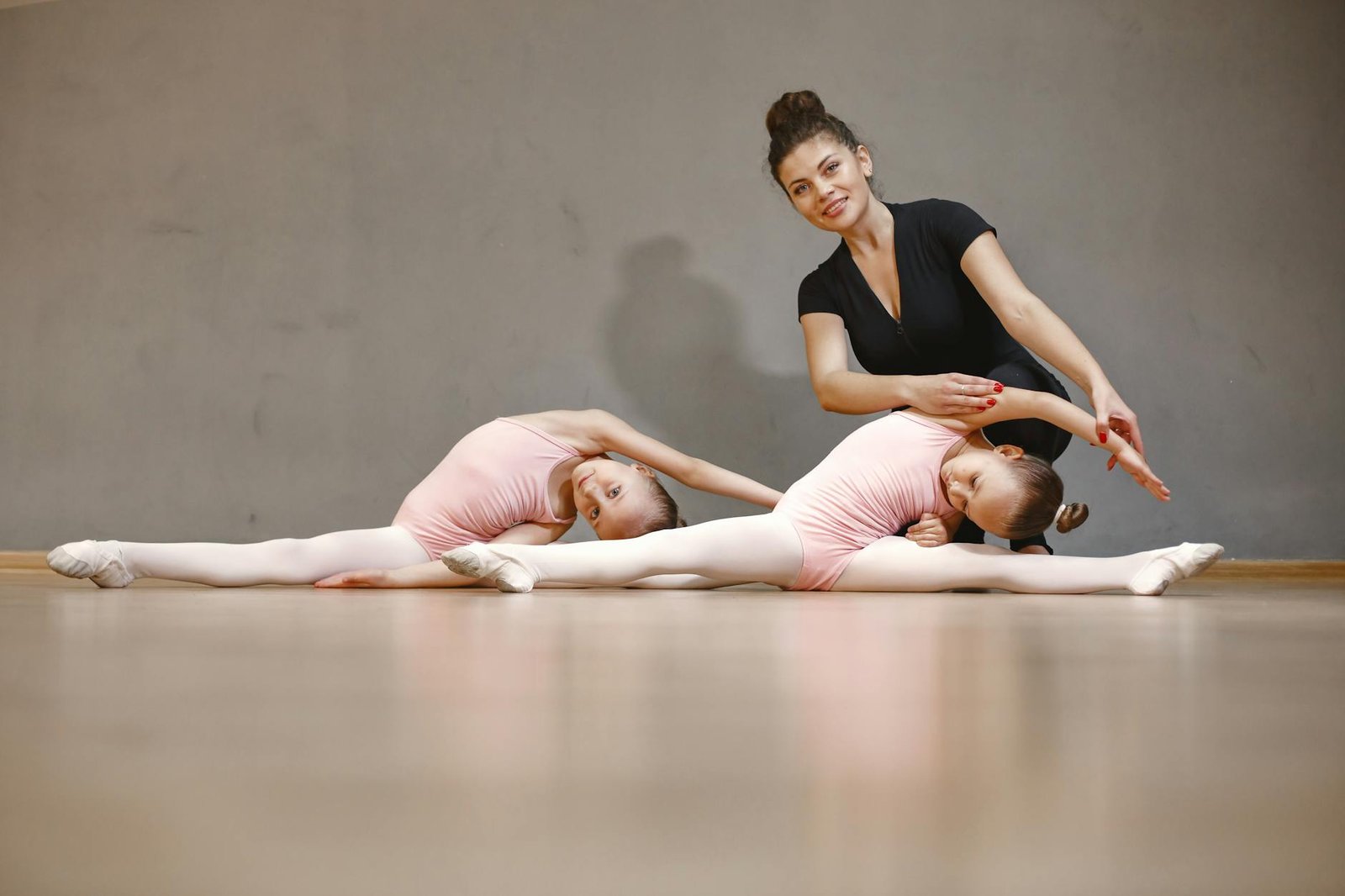
With consistent work (3–4 sessions/week):
- Noticeable improvement in passive flexibility: 4–8 weeks
- Significant change (e.g., getting closer to the splits): 3–6 months
- Full front splits from limited starting flexibility: typically 6–18 months depending on starting point
Flexibility gains are slow, consistent, and compound. They also reverse quickly without maintenance — keep stretching even after you reach your goals.