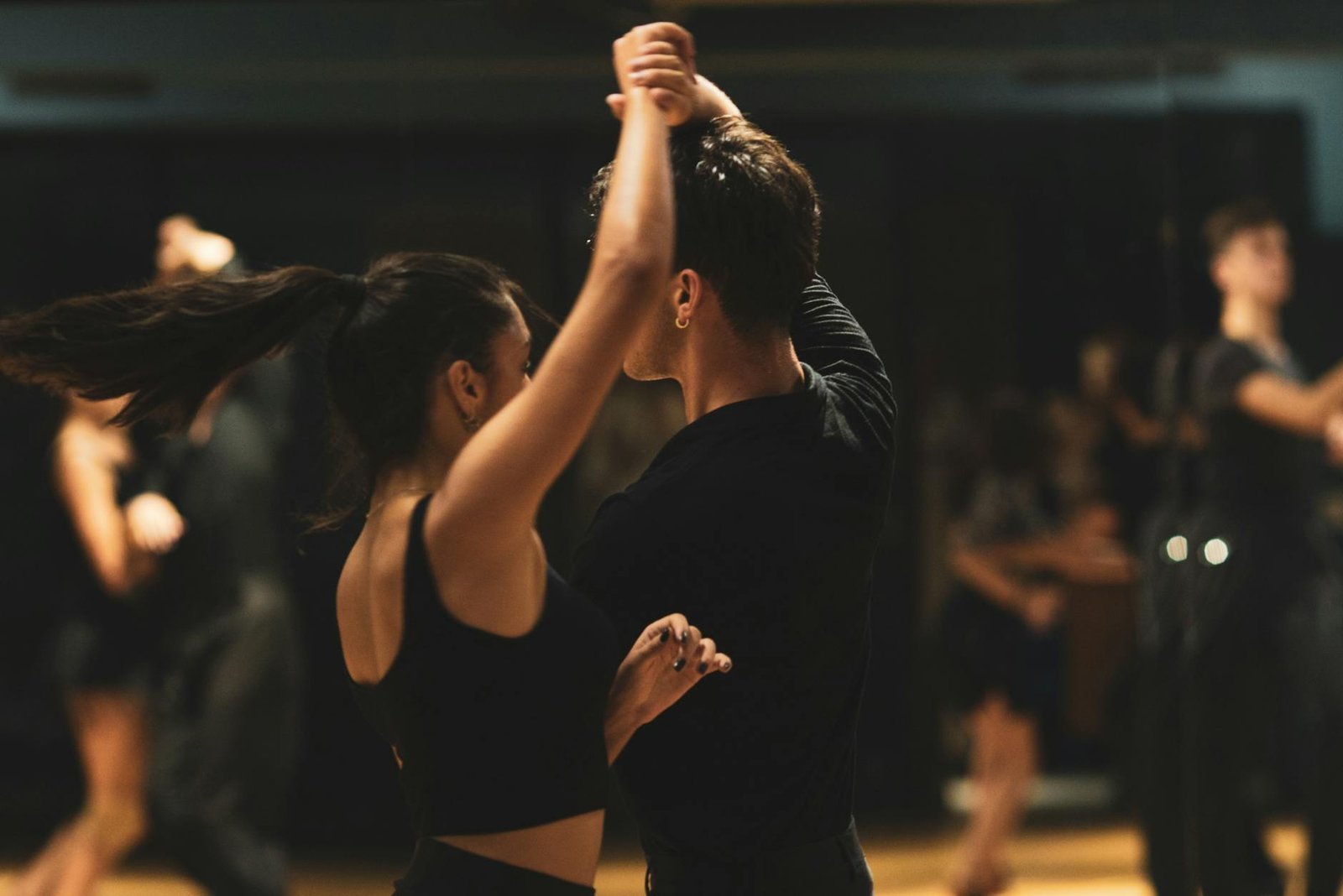
Why Social Dancing Etiquette Matters More Than You Think
You’ve signed up for your first salsa, swing, or ballroom class — exciting! But before you lace up your dance shoes, there’s something just as important as learning the steps: understanding social dancing etiquette. Knowing what to know before your first class can mean the difference between an awkward evening and one you can’t wait to repeat. Social dance floors thrive on mutual respect, clear communication, and a few unspoken rules that experienced dancers follow instinctively. This guide breaks all of it down so you can walk in feeling prepared and leave wanting more.

Dress the Part (and Smell Fresh Doing It)
One of the first things veteran dancers will tell you is that personal hygiene is non-negotiable on the social dance floor. You’ll be in close proximity to your partner for extended periods, so showing up clean, fresh, and appropriately dressed is a form of respect.
- Wear breathable fabrics: Dancing gets warm fast. Opt for moisture-wicking materials like athletic blends or light cotton. Brands like Columbia or Under Armour offer affordable, breathable options perfect for studio classes.
- Bring a change of shirt: Seasoned social dancers often pack a spare top — especially for longer milongas or salsa nights.
- Go easy on perfume and cologne: Strong scents can be overwhelming in a warm, crowded studio. Less is genuinely more here.
- Invest in proper footwear: Street shoes can damage studio floors and limit your movement. Look for suede-soled dance shoes. For beginners, brands like Capezio or Very Fine Dance Shoes — both available on Amazon — offer excellent entry-level options without breaking the bank.
Getting your appearance and hygiene dialed in before class sends a clear message: you take this seriously and you respect your fellow dancers.
How to Ask Someone to Dance (and How to Accept or Decline)
Asking someone to dance can feel nerve-wracking at first, but there’s a simple, graceful way to do it. Walk up calmly, make eye contact, and offer your hand while saying something like, “Would you like to dance?” That’s really all it takes. No elaborate speeches required.
Equally important is knowing how to respond:
- If you want to dance: Smile, accept, and head to the floor together.
- If you need to decline: A polite “Thank you, maybe later” is perfectly acceptable. However, if you decline someone, it’s considered bad etiquette to immediately accept a dance from someone else while the first person can see you. Wait at least one song.
- Never take rejection personally: People decline for many reasons — tired feet, a recovering injury, or simply needing a breather. It’s almost never about you.
In most social dance communities, it’s also completely normal and encouraged for anyone to ask anyone, regardless of gender. Embrace that openness — it’s part of what makes the social dance world so welcoming.
Understanding the Leader-Follower Dynamic
Most partner dances use a leader-follower framework, and understanding this before your first class will save you a lot of confusion. The leader (traditionally the role associated with leading the partnership through moves) and the follower (who responds to those leads) are both active roles requiring skill and attention.
Here’s what beginners often get wrong:
- Followers: don’t back-lead. If you anticipate moves and execute them before receiving a clear lead, it makes the partnership choppy and can frustrate your partner. Trust the process and stay present.
- Leaders: don’t muscle your partner. Good leading is subtle, communicated through gentle connection and body movement — not physical force. If your partner isn’t responding, the answer is a clearer lead, not a stronger one.
- Both roles are worth learning: Many studios encourage students to learn both roles. It makes you a more empathetic, well-rounded dancer.
Approaching the leader-follower dynamic with humility and curiosity will accelerate your learning faster than almost anything else.
Floor Craft: Navigating the Dance Floor Safely
Floor craft is the art of moving safely and considerately around a shared dance floor — and it’s something a lot of beginners overlook entirely. Here’s a quick primer:
- Line of dance: In many dances like waltz, foxtrot, or tango, couples travel counter-clockwise around the floor. Don’t cut across the line of dance or stop in the middle of it.
- Beginner zone: In social settings, newer dancers typically stay toward the center of the floor. More experienced couples use the outer lanes to travel. Follow this unspoken rule to avoid collisions.
- Apologize if you bump someone: Accidents happen. A quick “Sorry!” and a nod goes a long way toward maintaining the friendly atmosphere every dance community depends on.
- No aerials or large moves in social settings: Save the flashy lifts and kicks for the performance floor. In a crowded ballroom or studio, they’re genuinely dangerous.
Being spatially aware makes you a safer, more considerate partner and will earn you respect from experienced dancers who notice these things immediately.
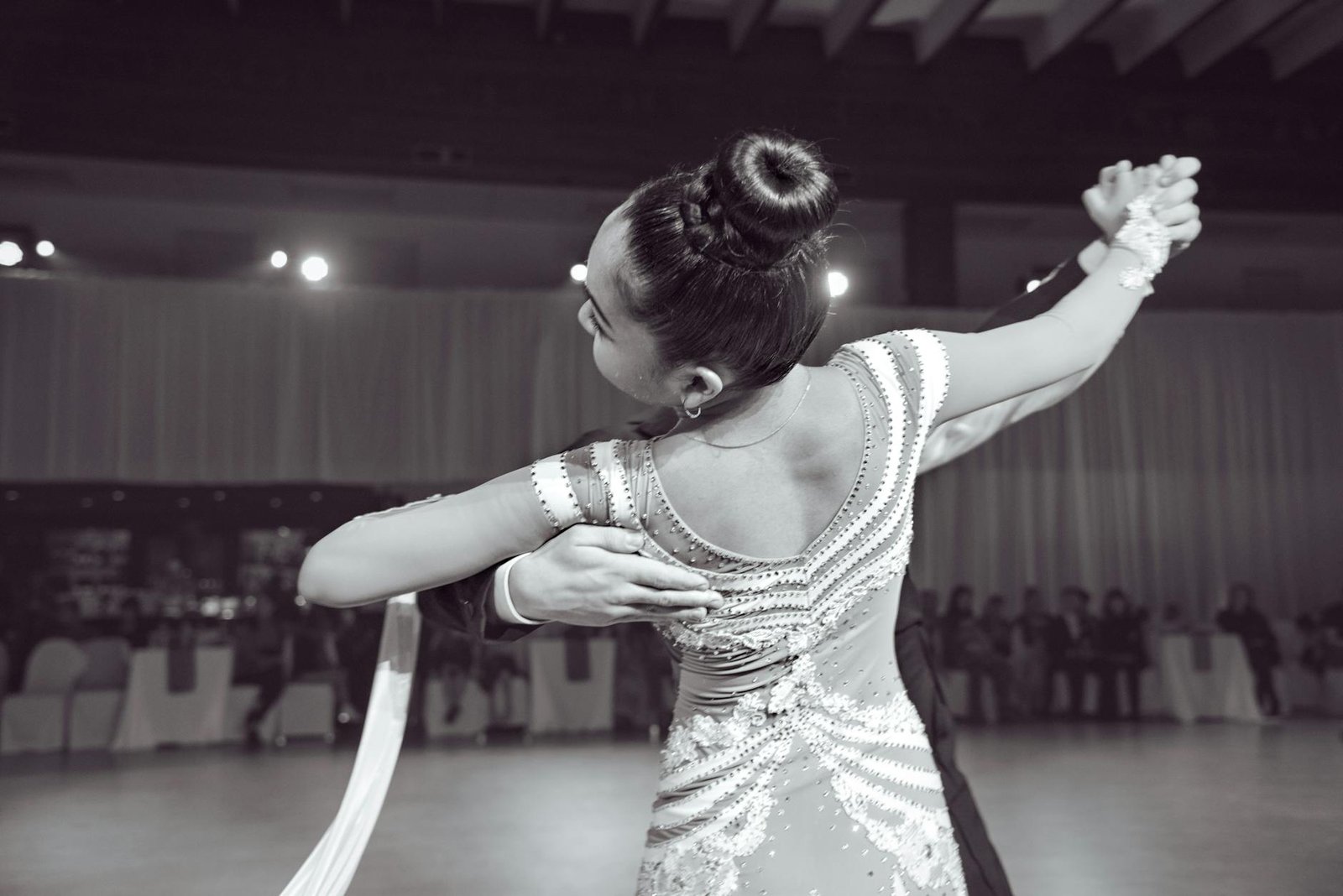
During the Dance: Tips for Positive Connection
Once you’re actually on the floor, a few small habits make a huge difference in how your partner experiences dancing with you:
- Make eye contact and smile: Social dancing is meant to be joyful. Eye contact builds connection and makes both partners feel present in the moment.
- Don’t teach on the floor: Unless someone specifically asks for feedback, keep unsolicited corrections to yourself. It feels condescending and can kill the fun quickly.
- Match your partner’s energy: If they’re smiling and playful, lean into that. If they’re focused and technical, match the tone. Great social dancers are adaptable.
- Say thank you after every dance: Always. Without exception. It’s a small gesture that reinforces the respectful culture every dance community works to build.
Tools like dance practice mirrors or a simple balance board (great options from Yes4All on Amazon) can help you work on your frame and posture at home so you feel more comfortable connecting with a partner in class.
The Golden Rules of Social Dancing Etiquette at a Glance
To summarize everything into one easy reference, here are the principles every beginner should internalize before stepping onto the social dance floor:
- ✅ Arrive clean, dressed appropriately, and in the right shoes
- ✅ Ask politely, decline gracefully, and never take it personally
- ✅ Respect the leader-follower connection without forcing or back-leading
- ✅ Stay aware of your space and follow the line of dance
- ✅ Keep corrections to yourself unless asked
- ✅ Thank every partner after every dance
- ✅ Bring a beginner’s mindset — curiosity beats ego every time
Print this out, stick it on your dance bag, and revisit it after your first few classes. You’ll be surprised how quickly these habits become second nature.
Ready to Hit the Floor? Here’s Your Next Step
Learning social dancing etiquette — what to know before your first class — is one of the best investments you can make as a new dancer. The steps will come with practice, but the culture, respect, and connection that define social dancing are things you can bring with you from day one. And that’s what keeps people coming back for years.
Now it’s your turn: find a local studio, sign up for that first class, and walk in ready to learn and connect. If you’re still gearing up, check out our recommended beginner dance shoe guide and our list of must-have accessories for new social dancers — everything you need to start strong, all in one place.
Have a question about dance floor etiquette or a funny first-class story? Drop it in the comments below — we’d love to hear from you!