Why Tracking Your Dance Journey Actually Matters
If you’ve ever finished a dance class and thought, “Wait, what did I even work on last week?” — you’re not alone. Most dancers, especially beginners and intermediates, focus so much on the moment that they forget to document their growth. That’s where dance journals and apps for tracking your dance journey become absolute game-changers.
Tracking your progress does more than satisfy your inner perfectionist. It helps you identify weaknesses, celebrate small wins, stay motivated during plateaus, and communicate better with your instructor. Think of it as your personal dance GPS — you can’t navigate forward if you don’t know where you started.

The Classic Option: Keeping a Physical Dance Journal
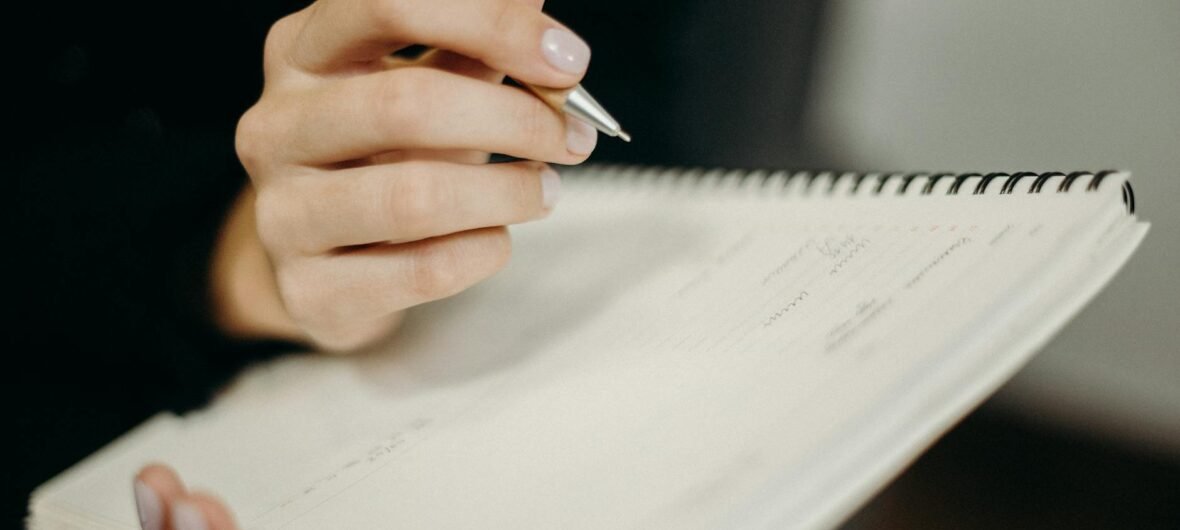
There’s something deeply satisfying about putting pen to paper after a sweaty, exhilarating class. A physical journal lets you jot down not just what you practiced, but how you felt — emotionally and physically. That kind of qualitative data is hard to capture in a spreadsheet.
What to Write in Your Dance Journal
- Date and class type: Ballet, hip-hop, contemporary, salsa — keep it specific.
- Techniques covered: Write down moves, drills, or combinations you worked on.
- What went well: Celebrate your wins, no matter how small.
- Areas to improve: Be honest but kind with yourself.
- How your body felt: Note any tension, fatigue, or breakthroughs.
- Goals for next session: Set one or two micro-goals to stay focused.
For journaling, we love the Leuchtturm1917 Dotted Notebook (available on Amazon) — it’s durable, lay-flat friendly, and the dot grid makes it easy to sketch out footwork patterns or formations. Another fan favorite is the Moleskine Classic Notebook, which slips easily into a dance bag. Neither is dance-specific, but that flexibility is honestly part of the charm.
Best Apps for Tracking Your Dance Journey in 2024
If paper isn’t your thing — or if you just love the idea of having everything synced to your phone — there are some fantastic digital tools built specifically for dancers and movement artists.
1. Notion (Free / Paid Plans)
Notion isn’t dance-specific, but it’s arguably one of the most powerful tools for building a custom dance tracker. You can create databases for your classes, embed videos of your practice, add tags by style, and even set recurring reminders. Many dancers on TikTok and YouTube have shared free Notion dance templates — just search “Notion dance journal template” and you’ll find incredible starting points.
2. Dance Journal App (iOS)
The aptly named Dance Journal app is designed with dancers in mind. It lets you log classes, track choreography notes, and even record voice memos right after a session when details are fresh. It’s clean, intuitive, and genuinely built for the dance community — not just repurposed from a generic fitness tracker.
3. Strava or Training Peaks (For the Fitness-Minded Dancer)
If you’re serious about the physical conditioning side of dance — endurance, flexibility benchmarks, cross-training — apps like Strava or Training Peaks can complement your dance logs beautifully. They’re especially useful for dancers training for competitions or performances who want to monitor their overall athletic development.
4. Google Sheets or Excel
Don’t sleep on a good old spreadsheet. A well-organized Google Sheet can track attendance, skill progression ratings (say, 1–5 for specific techniques), and weekly goals. It’s free, syncs across devices, and is endlessly customizable. This is a great starting option if you’re not sure which format works best for you yet.
How to Use Video as Part of Your Dance Tracking Routine
Written notes are powerful, but video is unbeatable for tracking physical progress. Watching yourself dance — as uncomfortable as it might feel at first — reveals things you simply cannot feel in the moment, like whether your shoulders are creeping up, your timing is slightly off, or your lines have dramatically improved since month one.
- Film yourself regularly: Even a 60-second clip after class is enough. Use your phone propped against your bag or invest in a small tripod like the UBeesize Phone Tripod (under $20 on Amazon).
- Create a monthly folder: Organize clips by month so you can do easy side-by-side comparisons.
- Review with intention: Don’t just watch — take notes. What’s improved? What still needs work?
- Share selectively: Some dancers find it motivating to share progress videos with a teacher or accountability partner.
Pairing video clips with your written journal entries creates a rich, multi-dimensional record of your growth that will genuinely amaze you when you look back six months later.
Setting Meaningful Goals in Your Dance Tracker
A tracking system is only as good as the goals feeding into it. Vague goals like “get better at turns” won’t move the needle. Specific, time-bound goals will.
Try the SMART framework adapted for dance:
- Specific: “I want to consistently land a clean double pirouette.”
- Measurable: “I’ll attempt it 10 times per practice and record my success rate.”
- Achievable: Make sure the goal stretches you without breaking you.
- Relevant: Tie it to something that genuinely matters to your dance path.
- Time-bound: “I’ll achieve this within the next 8 weeks.”
Log these goals in your journal or app and revisit them weekly. Adjust as needed — goals should be living, breathing things, not rigid rules.

Building a Consistent Tracking Habit (Without Burning Out)
The biggest challenge with any journaling or tracking habit is consistency. Here’s how to make it stick without it feeling like homework:
- Keep it short: A 5-minute post-class entry is infinitely better than an hour-long session you never do. Set a timer if you need to.
- Link it to a trigger: Write in your journal immediately after class, before you even change your shoes. Attach the habit to something you already do.
- Make it enjoyable: Use colorful pens, stickers, or a beautiful notebook. If you use an app, customize it to feel like yours.
- Do a weekly review: Spend 10 minutes every Sunday scanning the week’s entries. This reinforces learning and keeps your goals visible.
- Be forgiving: Miss a session? Skip it and start fresh. Don’t let one missed entry derail the whole system.
Combining Journals and Apps: The Hybrid Approach
Here’s a pro tip: you don’t have to choose between paper and digital. Many serious dancers use a hybrid approach — a physical journal for in-the-moment emotional and technical notes, paired with a digital tool for data, video storage, and long-term goal tracking.
For example, you might scribble raw notes in your Moleskine right after class, then spend five minutes on Sunday transferring key insights into a Notion database or Google Sheet. This gives you the warmth and immediacy of handwriting combined with the searchability and organization of digital tools.
Experiment for a few weeks with different combinations until you find the rhythm that actually fits your life. There’s no single right answer — the best system is the one you’ll actually use.
Start Your Dance Tracking Journey Today
Whether you grab a beautiful notebook from Amazon, download a free app, or build a Notion template tonight, the most important thing is to start. Your dance journey deserves to be documented, celebrated, and studied. Every class, every stumble, every breakthrough — it all adds up to the dancer you’re becoming.
Pick one tool from this guide, commit to using it for 30 days, and come back to compare where you started versus where you are. We promise you’ll be amazed at what you find.
Have a favorite dance journal or tracking app we didn’t mention? Drop it in the comments below — we’d love to hear what’s working for our community of dancers!