
What Is Lyrical Dance Style? A Complete Introduction
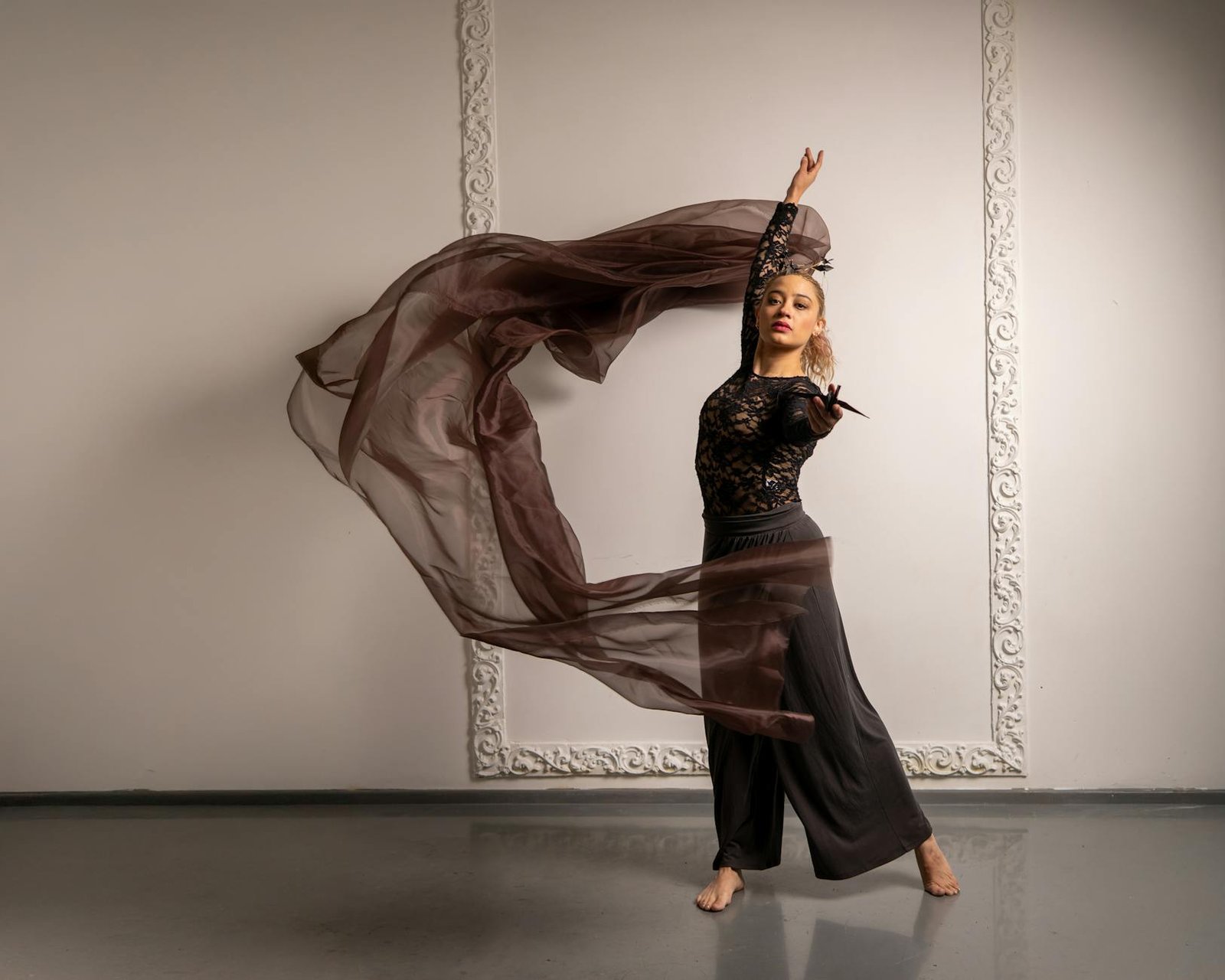
If you’ve ever watched a dancer move so fluidly that the emotion of a song seemed to flow right through their body, you were likely watching lyrical dance. The lyrical dance style sits beautifully at the intersection of ballet and contemporary dance, blending technical precision with deeply personal, expressive movement. Unlike strictly structured styles like classical ballet, lyrical dance encourages dancers to interpret the music — to let the lyrics, melody, and feeling guide every leap, turn, and gesture.
Rooted in jazz and ballet foundations, lyrical dance became widely popular through competitions, television shows like So You Think You Can Dance, and studio culture throughout the late 1990s and 2000s. Today, it remains one of the most beloved and emotionally powerful dance styles in studios worldwide. If you’re curious about the lyrical dance style, what it is, and how to start, you’re in exactly the right place.
Key Characteristics That Define Lyrical Dance
Understanding what makes lyrical dance unique helps you appreciate it — and train for it more effectively. Here’s what sets this style apart:
- Musicality: Every movement is tied to the music. Dancers listen not just to the beat, but to the words, phrasing, and emotional arc of a song.
- Fluid transitions: Movements flow seamlessly from one to the next. There’s a continuous quality that avoids sharp, robotic breaks.
- Emotional expression: Facial expression, port de bras (carriage of the arms), and intention are just as important as the physical technique.
- Technical foundation: Despite its free-flowing appearance, lyrical dance requires real ballet and jazz technique — flexibility, core strength, and clean lines matter enormously.
- Storytelling: A great lyrical piece tells a story or conveys a distinct emotional journey from beginning to end.
This combination of heart and skill is exactly what makes lyrical so rewarding — and so challenging — to master.
Do You Need Prior Dance Experience to Start Lyrical?
This is one of the most common questions beginners ask, and the honest answer is: a little background helps, but it’s not mandatory. Most dance educators recommend having at least a basic familiarity with ballet or jazz before diving into lyrical, because the technique borrows heavily from both. Concepts like pointed feet, turnout, pirouettes, and arabesques form the vocabulary of lyrical movement.
That said, many studios offer beginner lyrical classes specifically designed for those just starting out. These classes teach foundational movement alongside expressive skills simultaneously. If you’re a true beginner, consider taking a beginner ballet or jazz class concurrently — even just a few months of fundamentals will accelerate your lyrical progress significantly.
Suggested starting path for beginners:
- Month 1–2: Beginner ballet or jazz fundamentals
- Month 3–4: Introductory lyrical class at a local studio
- Month 5+: Build a consistent weekly practice, attend open classes, and study videos of professional lyrical dancers
Essential Techniques Every Lyrical Dancer Should Practice
Progress in lyrical dance comes from consistent, intentional practice of core skills. Here are the techniques worth dedicating real time to:
- Port de bras: Beautiful, expressive arm movements are the soul of lyrical dance. Practice slow, deliberate arm sequences in front of a mirror every day.
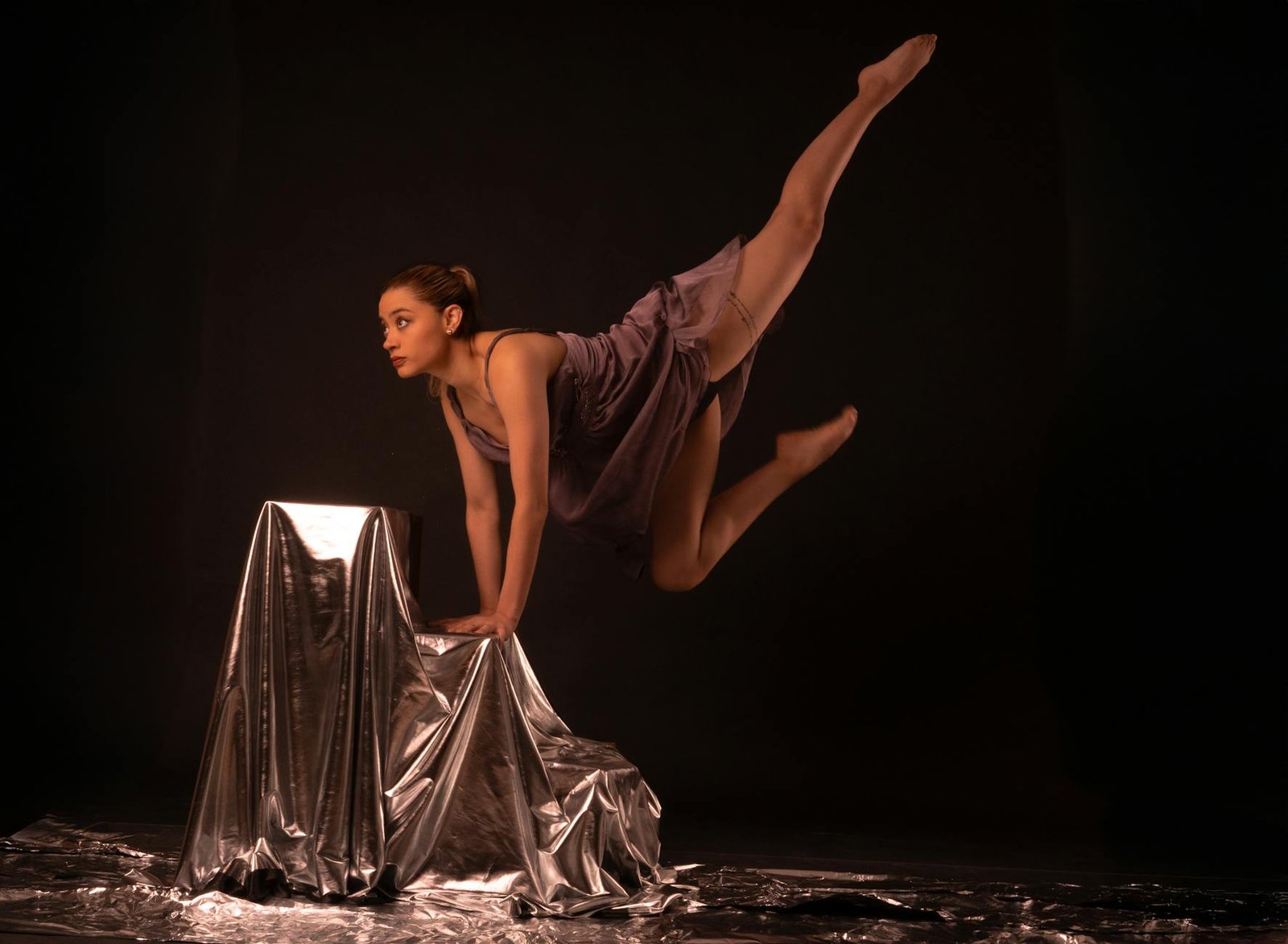
- Flexibility and extension: High kicks, split leaps, and arabesque extensions require ongoing flexibility work. Daily stretching — particularly hip flexors, hamstrings, and back — is non-negotiable.
- Turns and pirouettes: Single and double pirouettes, pencil turns, and attitude turns appear frequently in lyrical choreography. Practice spotting to avoid dizziness.
- Leaps and jumps: The split leap (grand jeté) is a lyrical staple. Build strength with jump conditioning and practice proper takeoff and landing mechanics.
- Floor work: Lyrical often includes movements that transition from standing to the floor and back up again. Practice rolling through the spine, floor rolls, and controlled descents.
- Breath and dynamics: Learn to use your breath as a choreographic tool. Inhaling through an expansion and exhaling through a contraction creates natural, organic movement quality.
Choosing the Right Music for Lyrical Dance
Music selection can make or break a lyrical piece. Because the style is so tied to emotional interpretation, choosing the right song is genuinely part of the artistic process. Here are some guidelines for picking music wisely:
- Listen to the lyrics: Choose songs where the words mean something to you personally. Authenticity is visible on stage.
- Consider the dynamic range: Great lyrical music has both soft, intimate moments and powerful builds. This gives your choreography room to breathe and contrast.
- Tempo matters: Avoid songs that are too fast — lyrical thrives in moderate tempos where you can stretch movement through phrases.
- Popular artist choices: Artists like Billie Eilish, Adele, Hozier, and Lewis Capaldi are frequently used in lyrical choreography because of their emotionally rich songwriting.
If you’re choreographing your own piece, spend time just listening to your chosen song repeatedly before you set a single step. Let the music tell you what it wants to look like.
What to Wear: Gear and Clothing for Lyrical Dance
Having the right dancewear makes practice more comfortable and helps you move freely. Here’s a practical breakdown of what lyrical dancers typically wear:
Footwear
Lyrical dance is most commonly performed in bare feet or half-sole shoes (also called lyrical sandals). Half-sole shoes protect the ball of the foot while allowing the heel and arch to move freely across the floor. Popular choices include the Capezio Hanami Dance Shoe and the Bloch Performa Lyrical Sandal, both widely available on Amazon. These typically run $20–$35 and are well worth the investment for any serious beginner.
Clothing
Opt for form-fitting, stretchy dancewear that lets your teacher see your lines and body alignment. Favorites include:
- Leotards with flowing lyrical skirts or shorts
- High-waisted leggings paired with a fitted tank — brands like Capezio, Motionwear, and Discount Dance Supply are trusted studio staples
- Avoid baggy clothing, which hides your lines and can catch on the floor during floorwork
Accessories and Training Tools
A foam balance board or a ballet barre for home practice can be incredibly useful. Portable freestanding barres (like the Freestanding Ballet Barre by Yaheetech, available on Amazon for around $50–$70) are great for at-home conditioning. A quality foam roller and resistance bands round out a solid home training toolkit for flexibility and strength work.
Finding Classes and Building Your Lyrical Practice
The single best way to grow as a lyrical dancer is to get into a quality class environment with a knowledgeable instructor. Here’s how to find the right fit:
- Search for reputable local studios that offer dedicated lyrical classes — not just “lyrical-inspired” or “contemporary.” Ask whether instructors have competition or professional performance backgrounds.
- Online platforms like CLI Studios, Steezy Studio, and even YouTube channels run by professional dancers offer excellent lyrical tutorials if in-person options are limited in your area.
- Practice outside of class: Aim for at least three to four days of independent practice each week. Use your class combinations, work on technique drills, and film yourself regularly to track improvement.
- Watch and study professionals: Follow lyrical dancers on Instagram and YouTube. Watching how skilled performers connect movement to music trains your eye and your own artistry over time.
- Consider competing: Dance competitions, even at a local level, are wonderful motivators and provide performance experience that sharpens every skill you’re building.
Start Your Lyrical Dance Journey Today
Lyrical dance is one of the most accessible and emotionally fulfilling styles you can pursue, whether you’re a complete beginner or a dancer looking to deepen your expressive range. It rewards patience, vulnerability, and consistent technical work in equal measure. The connection you build between yourself, the music, and the movement is genuinely unlike anything else in the dance world.
Now that you know the lyrical dance style, what it is, and how to start, the next step is yours to take. Lace up a pair of lyrical sandals, find a class or a great online tutorial, put on a song that moves you, and let your body start learning its language.
Ready to begin? Drop a comment below telling us what song you’d choose for your very first lyrical piece — we’d love to hear it! And if you found this guide helpful, share it with a fellow dance lover who’s been thinking about trying lyrical.