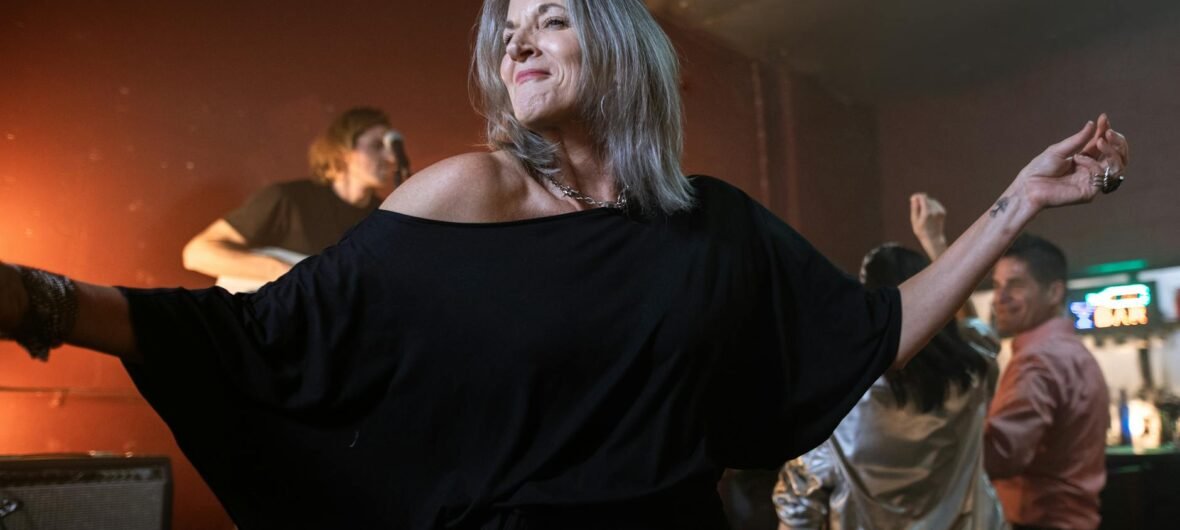
Why Starting to Dance Later in Life Is Actually a Superpower
If you’ve been wondering how to start dancing at 30, 40, or 50 and actually love it, here’s the truth nobody tells you: adult beginners often progress faster than teenagers. You bring patience, body awareness, emotional depth, and — most importantly — a genuine reason to be on that dance floor. You’re not there because your parents signed you up. You’re there because you chose this.
Science backs you up, too. Studies show that dancing improves memory, reduces anxiety, and builds cardiovascular health at any age. So whether you’re 31 or 59, the best time to start is right now. This guide will walk you through everything — from picking the right style to buying your first pair of dance shoes — so you can walk into your first class feeling ready, not terrified.
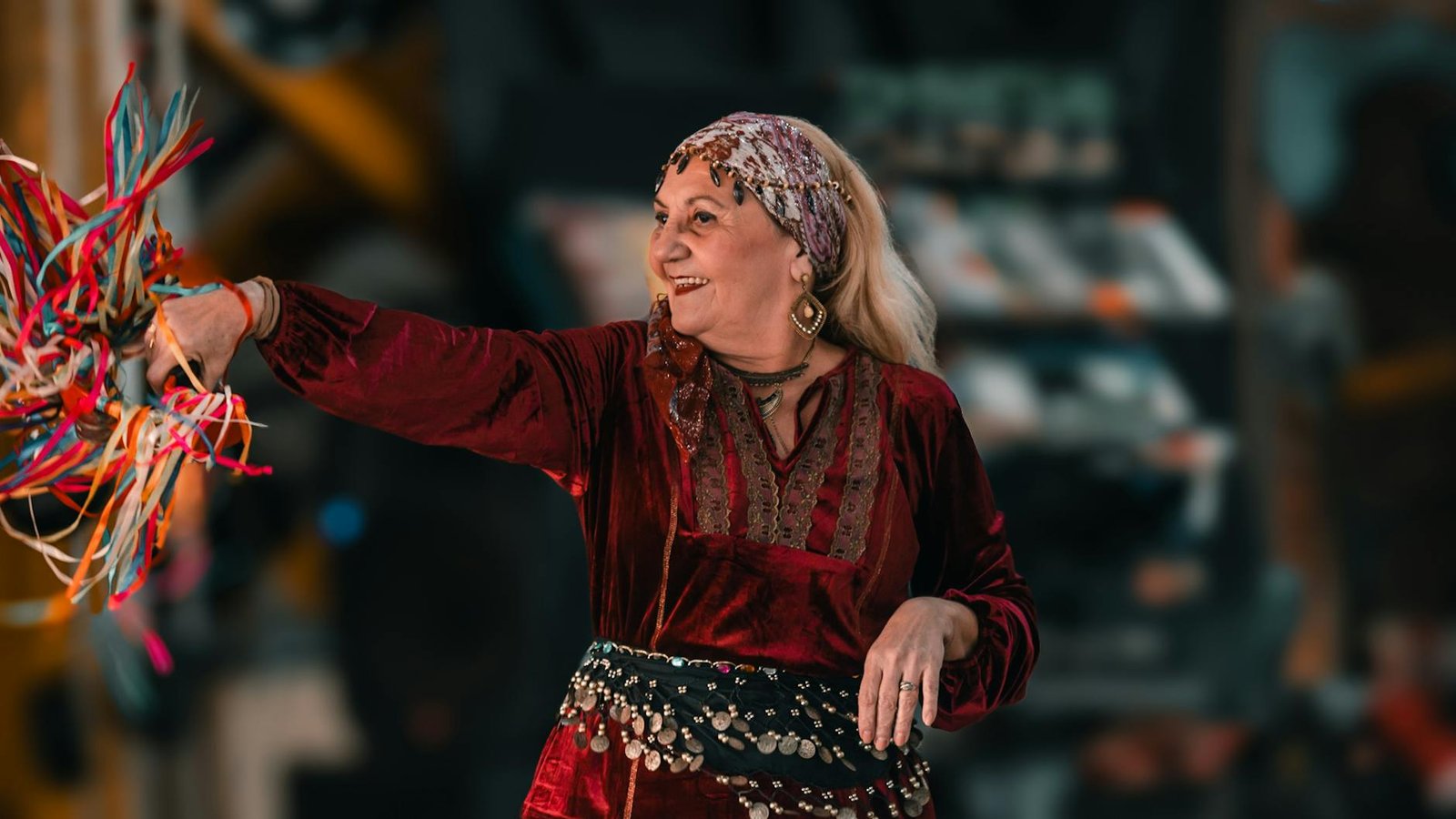
Choose a Dance Style That Excites You (Not One That Scares You)
The single biggest mistake adult beginners make is picking a dance style based on what looks impressive rather than what genuinely appeals to them. If you secretly want to salsa but sign up for ballet because it seems “proper,” you’ll quit by week three.
Here’s a quick breakdown of beginner-friendly styles for adults:
- Salsa & Bachata: Social, energetic, and forgiving of imperfect technique. Huge communities worldwide and easy to find beginner nights at local studios.
- Ballroom (Waltz, Foxtrot, Swing): Elegant and structured. Great if you like clear rules and measurable progress.
- Line Dancing or Country: No partner needed, lower pressure, and incredibly fun at events.
- Contemporary or Modern: Expressive and therapeutic — ideal if you want to move emotionally rather than technically at first.
- Zumba or Dance Fitness: Perfect bridge for people who are nervous about “real” dance classes but want to feel the rhythm first.
- Hip-Hop for Adults: Many studios now offer adult beginner hip-hop — it’s playful, high-energy, and surprisingly accessible.
Pro tip: Most studios offer a free first class or a drop-in rate. Try two or three styles before committing to a course. Your body will tell you which one feels like home.
Find the Right Class Environment — It Makes All the Difference
Not all dance classes are created equal, especially for adult beginners. A class full of competitive teenagers or advanced dancers can crush your confidence before you even find the beat. Look specifically for classes labeled “adult beginner,” “over-30,” or “absolute beginner welcome.”
When evaluating a studio or class, ask yourself:
- Does the instructor explain the why behind each movement, or just demonstrate and expect you to copy?
- Is the atmosphere warm and encouraging, or competitive and cliquey?
- Are there other adults who look like they’re having a genuinely good time?
- Does the class move at a pace where you can actually absorb what you’re learning?
Online platforms like Steezy Studio, CLI Studios, and YouTube channels by instructors like Dance Church or Simply Ballroom are fantastic for practicing at home without pressure. Many people use online classes to build basic confidence before stepping into a studio setting — and there’s absolutely nothing wrong with that approach.
Gear Up Without Overthinking It
You don’t need to spend a fortune, but the right gear removes friction and makes you feel like a dancer — which matters more than you’d think.
Dance Shoes
Your regular sneakers are probably the worst thing you could wear to a dance class. They grip the floor too much, which puts stress on your knees when you turn. A proper dance shoe has a suede or smooth sole that allows controlled slides and pivots.
- For salsa/ballroom: Look at Capezio or Very Fine Dance Shoes — both available on Amazon and consistently praised by adult beginners for comfort and value.
- For hip-hop or contemporary: A clean, flexible jazz sneaker like the Bloch Boost Dance Trainer gives support without locking you down.
- For dance fitness/Zumba: The Ryka Influence cross-trainer is a perennial favourite — lightweight, flexible, and designed specifically for lateral movement.
Comfortable, Flexible Clothing
You want to be able to move freely without adjusting your outfit every five minutes. High-waisted leggings with a good stretch, or lightweight joggers, work beautifully. Brands like Lululemon, Amazon Essentials activewear, and Athleta all offer great options at different price points. Avoid jeans or anything with hardware that could catch on a partner or a floor.
A Simple Dance Bag
Having a dedicated bag you pack the night before — shoes, water bottle, a small towel, and maybe a notebook for jotting down combinations — turns dance class into a ritual instead of a chore. The Danshuz Dance Bag on Amazon has a separate shoe compartment and is a fan favourite among adult students.
Build the Mental Game: Dealing With Self-Consciousness
Here’s the honest part. You will feel awkward. You will mess up combinations that other people seem to nail. You might feel like everyone is watching you stumble — they’re not, because they’re too busy worrying about their own feet.
A few mindset shifts that actually help:
- Give yourself a six-class rule. Commit to at least six classes before judging whether you like it. The first two classes are almost always uncomfortable. By class four, something clicks.
- Record yourself occasionally. This sounds scary, but most people discover they look far better than they feel. Your inner critic is exaggerating.
- Celebrate micro-progress. You finally turned without losing your balance? That’s a win. Write it down. Acknowledging small victories keeps motivation alive between the big breakthroughs.
- Find a dance buddy. Joining with a friend — or making one in class — dramatically increases how long people stick with dancing. Even just texting someone after class about what you learned changes the experience.
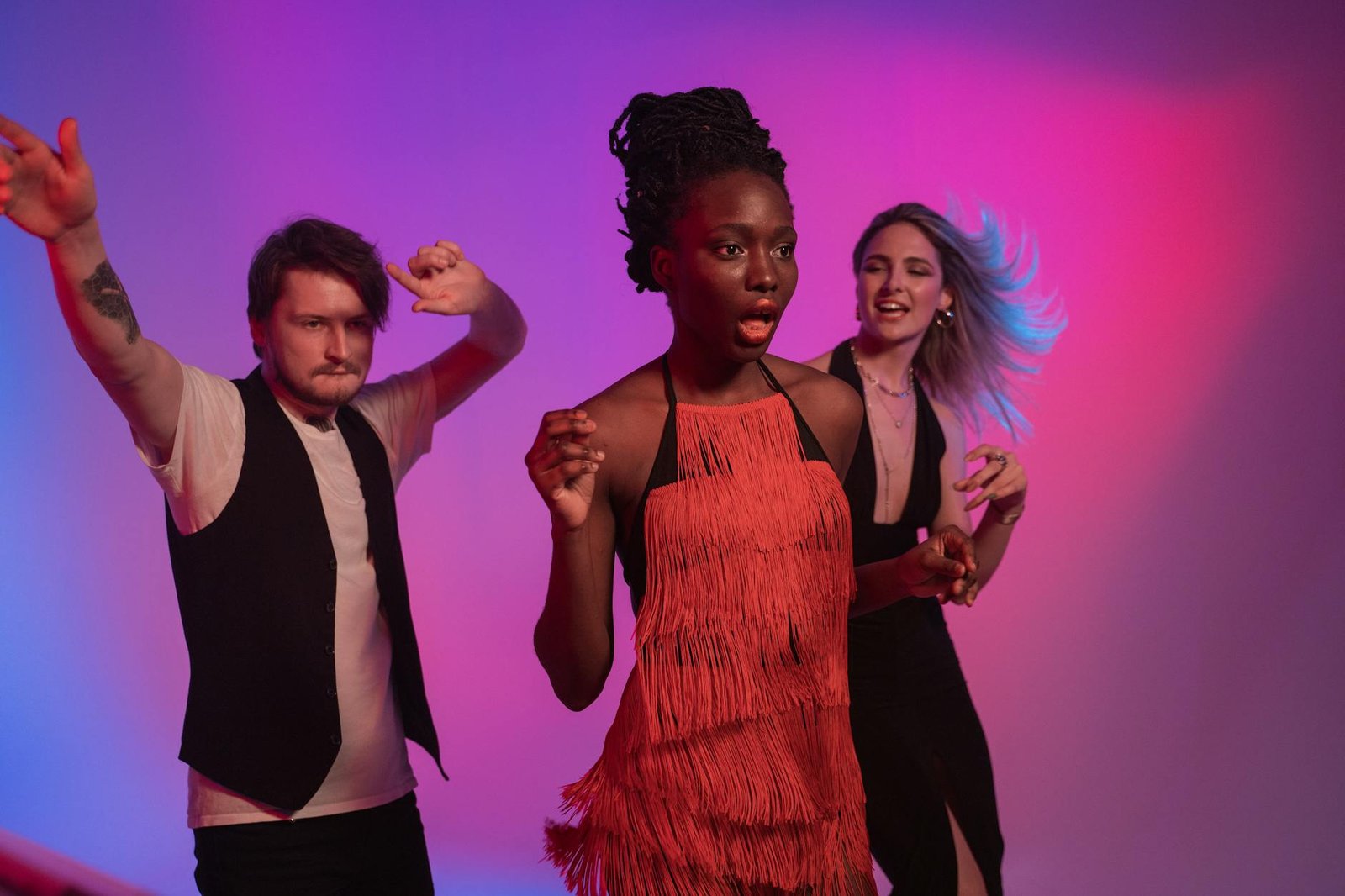
Practice Smart Between Classes
The dancers who improve fastest aren’t necessarily the most naturally talented — they’re the ones who practice consistently outside of class. But practice at 35 or 50 looks different than it did at 15. Your body needs more recovery time, and your schedule is busier.
Here’s how to make it work:
- 15 minutes is enough. You don’t need hour-long home sessions. A focused 15-minute review of one combination, three times a week, builds muscle memory faster than a single long cram session.
- Dance to music you love. Put on a playlist of your favourite songs and just move freely for five minutes before practicing technique. It warms your body up and reminds you why you started.
- Use a mirror — but not obsessively. A full-length mirror (even an inexpensive door-mounted mirror from Amazon) helps you check your posture and arm placement. But also close your eyes sometimes and feel the movement from the inside.
- Stretch and recover. A simple 10-minute yoga or stretching routine after dancing makes a huge difference in how your body feels the next day. The Gaiam yoga mat is affordable, non-slip, and works perfectly as a dance practice surface too.
Set Goals That Keep You Coming Back
Dancing without a goal can feel aimless after a few months. You don’t need to aspire to competitions — but having a concrete, exciting target gives your practice direction and meaning.
Some goals adult dancers love:
- Dancing confidently at an upcoming wedding, birthday party, or event
- Completing a beginner course and moving up to the intermediate class
- Learning one full choreography all the way through
- Attending a social dance night (salsa nights, swing dances, and ballroom socials happen in almost every city)
- Performing in a studio showcase — yes, even beginners are often invited, and it’s one of the most exhilarating experiences you’ll ever have
Write your goal down, tell someone about it, and revisit it when motivation dips. Your goal is the reason you lace up those dance shoes when Netflix is calling.
Your First Step Starts Today
Learning how to start dancing at 30, 40, or 50 and actually love it comes down to one simple decision: choosing to begin before you feel completely ready. You don’t need perfect coordination, a dancer’s body, or a single ounce of prior experience. You need curiosity, a willingness to laugh at yourself, and the right environment to grow.
Pick one style that excites you, find one beginner class this week — in-person or online — and show up. That’s it. The joy, the community, the confidence, and the surprisingly addictive feeling of nailing a combination you couldn’t do last week? All of that is waiting for you on the other side of that first awkward class.
Ready to take the leap? Drop a comment below and tell us which dance style you’re curious about — we’d love to help point you in the right direction.