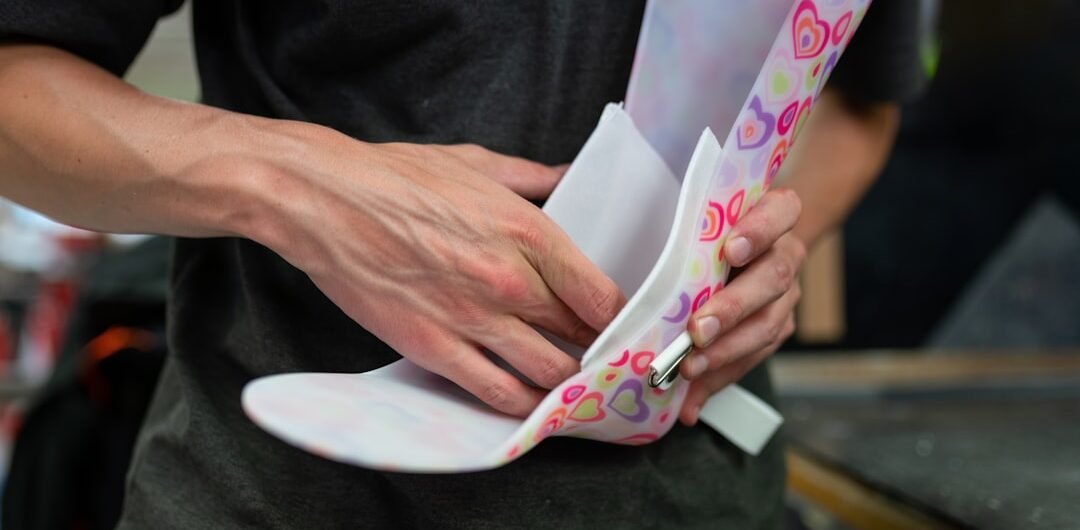
Why Dance Shoe Insoles and Orthotics Matter More Than You Think
If you’ve ever walked off the dance floor with aching arches, sore heels, or numb toes, you already know that your feet take a serious beating during dance. Whether you’re learning your first salsa steps or working through an intermediate ballet syllabus, the right dance shoe insoles and orthotics for comfort and support can be an absolute game-changer. Most stock insoles that come with dance shoes are paper-thin and designed purely for aesthetics — not function. Swapping them out for a quality aftermarket insole or a professionally fitted orthotic could mean the difference between dancing for one hour or dancing all night long.
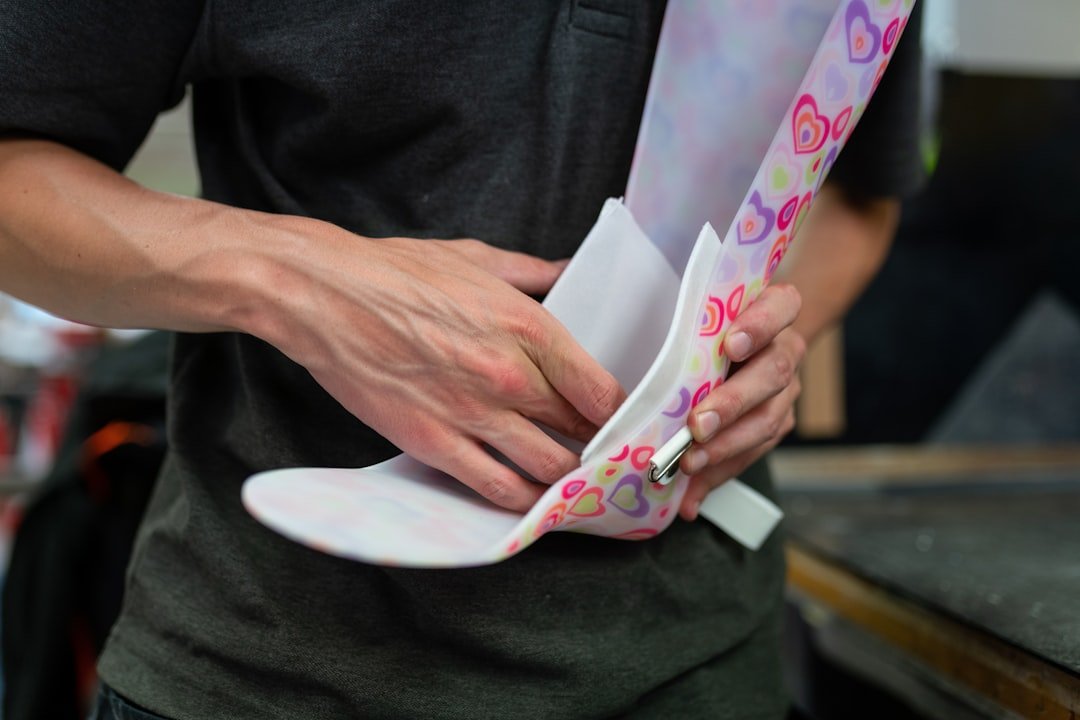
Understanding the Difference Between Insoles and Orthotics
Before you start shopping, it helps to know exactly what you’re looking for. These two terms are often used interchangeably, but they’re actually quite different:
- Insoles (also called footbeds or inner soles) are cushioning inserts available over the counter. They add padding, improve fit, and reduce impact. They work well for general discomfort and are affordable for most budgets.
- Orthotics are corrective inserts designed to address specific biomechanical issues such as overpronation, flat feet, high arches, or plantar fasciitis. They can be purchased as semi-custom over-the-counter versions or professionally prescribed by a podiatrist.
For most beginner to intermediate dancers, a high-quality over-the-counter insole or semi-custom orthotic will provide excellent results. If you’re experiencing persistent pain, however, it’s always worth consulting a sports podiatrist who works with dancers.
Signs You Need Better Insoles in Your Dance Shoes
Not sure if an upgrade is right for you? Here are some telltale signs that your feet are crying out for better support:
- Heel pain or a burning sensation after class
- Arch fatigue, especially after longer rehearsals
- Ball-of-foot discomfort (metatarsalgia) during turns or jumps
- Blisters caused by the foot sliding inside the shoe
- Shin splints or knee pain that originates from poor foot alignment
- Feeling like your dance shoes fit poorly even after breaking them in
Any one of these issues can be improved — sometimes dramatically — with the right insole. Don’t wait until a minor ache becomes a serious injury.
What to Look for When Choosing Dance Shoe Insoles
Dance shoes are uniquely designed with thin, flexible soles and snug fits, which means not every insole will work. Here’s what to prioritize when shopping:
Slim Profile
Bulk is the enemy in a dance shoe. Look for insoles that are 2–4mm thick at most. Thick running shoe insoles will change the fit of your shoe entirely and may even affect your balance and feel for the floor. Brands like Pedag Viva Mini and Foot Petals Technogel are well-loved in the dance community specifically because they’re slim yet effective.
Arch Support Type
Know your arch type before buying. A quick wet-foot test on paper can tell you whether you have flat, neutral, or high arches. Each requires different support. Neutral arches do well with light cushioning, flat feet need motion control, and high arches benefit from extra padding under the arch and heel.
Material and Breathability
Dance generates heat and sweat. Look for insoles with moisture-wicking tops, antimicrobial treatments, or gel surfaces. Memory foam can be comfortable but may retain heat. Gel-based insoles, like the popular Sof Sole Athlete series, offer a good balance of cushion and breathability.
Metatarsal Padding
For dancers who spend a lot of time on the balls of their feet — think Latin, ballroom, or jazz — a metatarsal pad built into the insole is incredibly helpful. It redistributes pressure away from the painful metatarsal heads and reduces fatigue significantly.
Top Recommended Insoles for Dancers (By Dance Style)
Different dance styles place different demands on your feet. Here’s a quick breakdown to help you match the right product to your discipline:
Ballet and Pointe Dancers
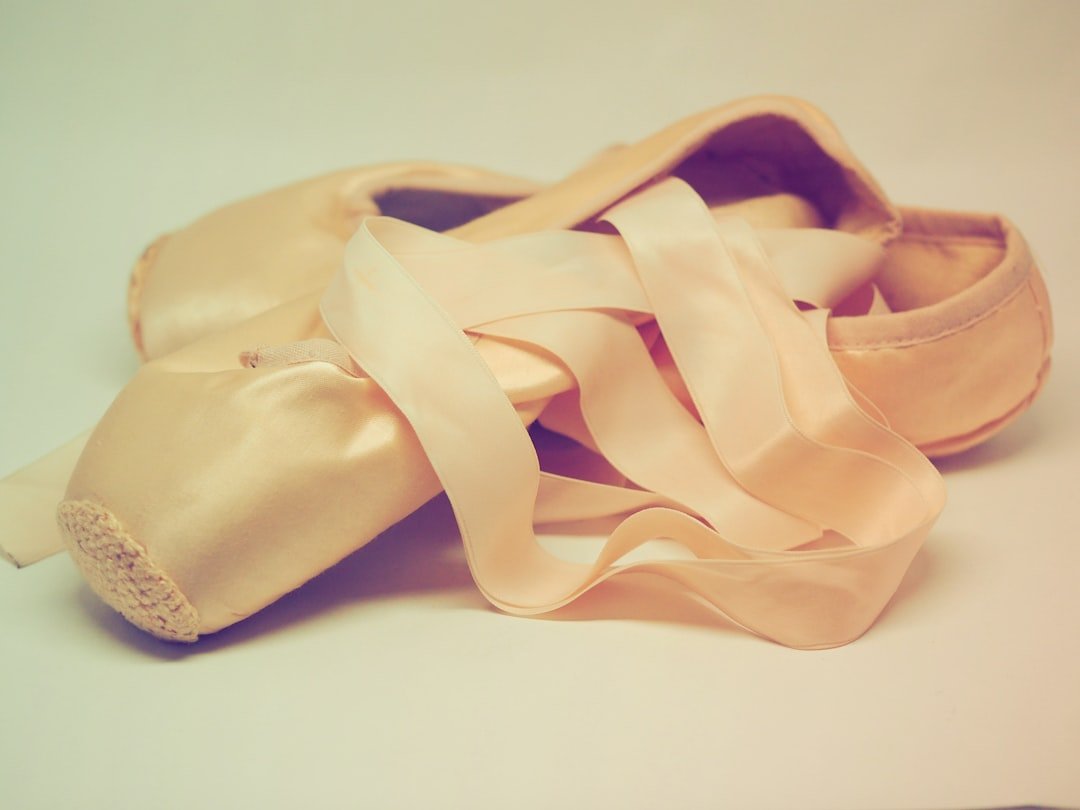
For ballet, you’ll need the thinnest possible option. Gamba Toe Pads and silicone toe protectors are more common here than full insoles. For character shoes or soft ballet flats, thin gel heel cups can help reduce impact without altering the shoe’s feel.
Latin and Ballroom Dancers
This is where metatarsal cushioning shines. The Foot Petals Tip Toes ball-of-foot cushions are wildly popular among competitive ballroom dancers and are available on Amazon at a very reasonable price point. They stick directly to the inside of the shoe and don’t shift during spins.
Jazz, Hip-Hop, and Contemporary Dancers
These styles involve more impact work, so a slightly thicker insole is acceptable. Look for something with a firm arch support and shock-absorbing heel. The Superfeet Black Performance Insoles are a great semi-rigid option that fits well into jazz shoes with a bit of trimming.
Tap Dancers
Tap shoes are notoriously unforgiving. A gel heel insert or a slim full-length insole with extra heel cushioning can reduce the jarring impact that travels up through the ankles and knees. The Dr. Scholl’s Stylish Step Hidden Arch Support insoles are compact enough to fit most tap shoes without altering the shoe’s performance.
How to Fit and Trim Insoles for Dance Shoes
Even if you buy the right insole, a poor fit can cause more problems than it solves. Here’s a simple step-by-step approach:
- Step 1: Remove the existing insole from your dance shoe and place it on top of the new insole as a template.
- Step 2: Trace the outline with a pen or marker.
- Step 3: Cut slightly inside the line — you can always trim more, but you can’t add material back.
- Step 4: Place the trimmed insole inside the shoe and check the fit before pressing it down firmly or using the adhesive backing.
- Step 5: Stand in the shoe and do a few basic movements to check for slippage, pressure points, or altered balance.
Give yourself at least one or two full classes to adapt to any new insole before deciding if it’s working. Your muscles and proprioception need time to adjust.
When to See a Professional About Dance Foot Pain
Over-the-counter insoles solve a lot of problems, but they’re not magic. If you’ve tried a quality insole and still experience pain after a few weeks, it’s time to see a professional. A sports podiatrist or a physical therapist who specializes in performing arts medicine can assess your gait, arch mechanics, and movement patterns to prescribe a truly custom orthotic. Many dance schools in larger cities are connected to dance medicine clinics — it’s worth asking your instructor for a referral.
Conditions like plantar fasciitis, Achilles tendinopathy, and stress fractures can worsen rapidly if ignored. Catching them early with the right professional support can keep you dancing for years to come.
Final Thoughts: Invest in Your Feet, Invest in Your Dance
Your feet are your instrument as a dancer. Taking care of them with the right dance shoe insoles and orthotics for comfort and support isn’t a luxury — it’s a smart, proactive choice that will extend your dancing life and improve your enjoyment on the floor. Start with a quality slim insole suited to your dance style, pay attention to how your body responds, and don’t hesitate to seek professional advice when needed.
Ready to make the upgrade? Browse our recommended dance insoles on Amazon to find the right option for your shoes and style. Your feet will thank you after the very first class. Drop a comment below to share what’s worked for you — we love hearing from fellow dancers!