Why Ankle Support in Dance Shoes Actually Matters
If you’ve ever walked off the dance floor with aching ankles or felt unstable mid-turn, your shoes may be the culprit. Understanding ankle support in dance shoes and what to look for is one of the most important — and most overlooked — steps any dancer can take. Whether you’re a weekend salsa enthusiast or a ballet beginner putting in serious studio hours, the wrong footwear can lead to rolled ankles, chronic strain, and even long-term injury.
The good news? Once you know what features to prioritize, finding the right pair becomes a lot less overwhelming. Let’s break it down section by section so you can shop smart and dance safer.
Understanding the Anatomy of a Dance Shoe
Before you can evaluate ankle support, it helps to understand what’s actually inside a dance shoe. Unlike everyday sneakers, dance shoes are engineered for specific movement patterns — pivots, extensions, jumps, and lateral shifts that put unique stress on your ankles and feet.
- The upper: The material that wraps around your foot and ankle. Leather, suede, and stretch satin all offer different levels of structure.
- The counter: The firm cup at the back of the heel that cradles your ankle and prevents it from rolling inward or outward.
- The insole: Provides cushioning and arch support, which directly affects how evenly weight is distributed across your ankle.
- The outsole: The bottom material — usually suede for studio use — which controls traction and how freely you can pivot.
A shoe with a weak heel counter or poor upper structure will leave your ankle unsupported no matter how well everything else fits. Always check these components first.
Key Features to Look For in Ankle Support
Now let’s get into the specific features that separate a genuinely supportive dance shoe from one that just looks the part.
1. Firm Heel Counter
This is non-negotiable. Press your thumb into the back of any shoe you’re considering — it should resist pressure rather than collapse. A firm heel counter keeps your ankle stable during turns and prevents the kind of micro-movements that cause sprains over time. Brands like Capezio and Bloch are well known for building solid heel counters into their ballroom and jazz lines.
2. Snug but Flexible Fit Around the Ankle
You want the shoe to hug your ankle without cutting off circulation or restricting natural movement. Lace-up styles — like the popular Capezio DS11 Fierce Dance Sneaker available on Amazon — give you customizable tightness so you can dial in the exact amount of support you need. T-strap and ankle-strap designs also provide a helpful secondary layer of support by anchoring the shoe to your foot.
3. Low to Medium Heel Height (For Beginners)
If you’re new to heeled dance shoes, starting with a 1.5-inch to 2-inch heel rather than jumping straight to a 3-inch stiletto is a smart move for your ankles. Higher heels shift your center of gravity dramatically, increasing the load on the ankle joint. As your technique and strength develop, you can gradually work your way up.
4. Arch Support and Cushioned Insole
Poor arch support leads to overpronation — where your foot rolls inward — which puts serious lateral stress on your ankles. Look for shoes with built-in arch support or consider adding a quality insole like Superfeet Green insoles (widely available on Amazon) for extra structural support. This is especially important for dancers with flat feet or high arches.
5. Material and Upper Construction
Leather and structured mesh uppers provide more ankle support than flimsy satin or thin canvas. For styles like Latin ballroom, where the shoe needs to be both supportive and sleek, look for options with reinforced side panels. The Sansha Pro 1 canvas ballet shoe and the Bloch Amalgam leather jazz shoe are both excellent examples of materials that balance structure with flexibility.
Ankle Support by Dance Style: What Changes
Not all dance styles demand the same type of ankle support, and buying the wrong category of shoe — even a high-quality one — can leave you worse off.
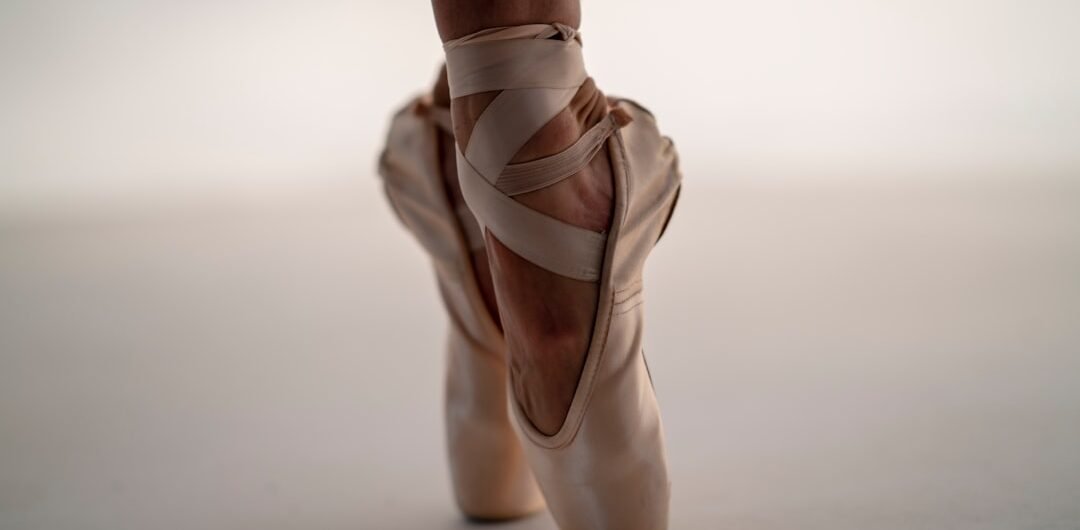
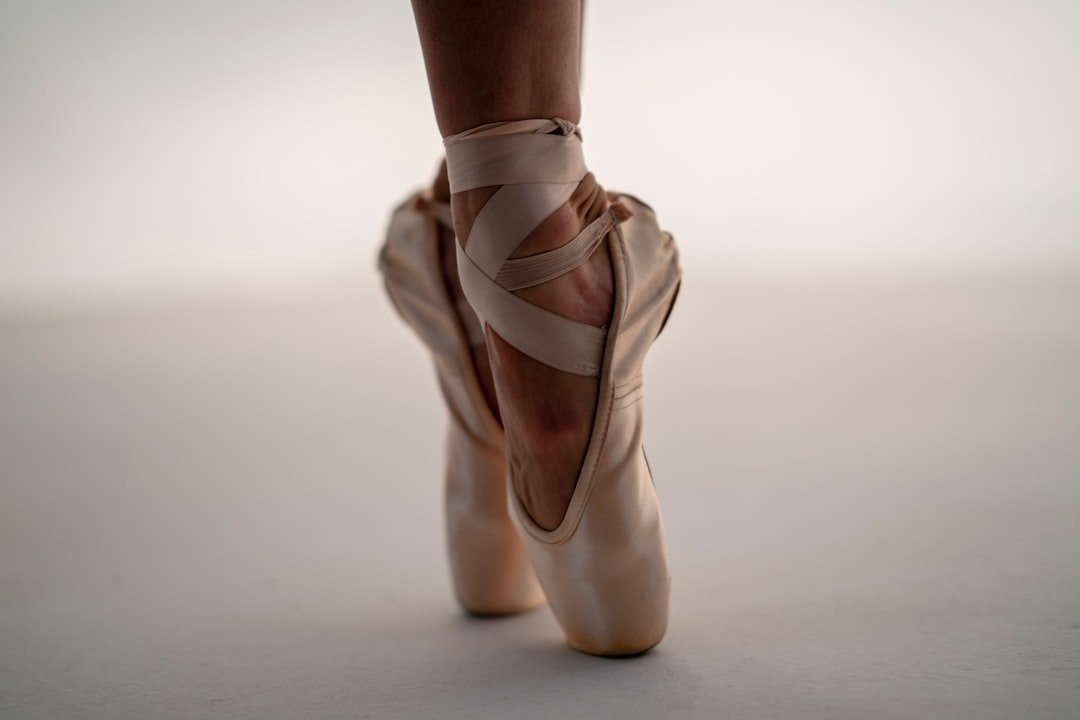
- Ballet: Soft ballet slippers offer minimal ankle support by design, since the style requires maximum foot articulation. If ankle stability is a concern, opt for leather over canvas for slightly more structure. Pointe work requires a completely separate conversation with a professional fitter.
- Ballroom and Latin: These styles demand shoes with a defined heel and a secure strap system. Look for a closed toe for stability, and prioritize the heel counter. The Ray Rose Aspire line offers excellent ankle support for beginner ballroom dancers.
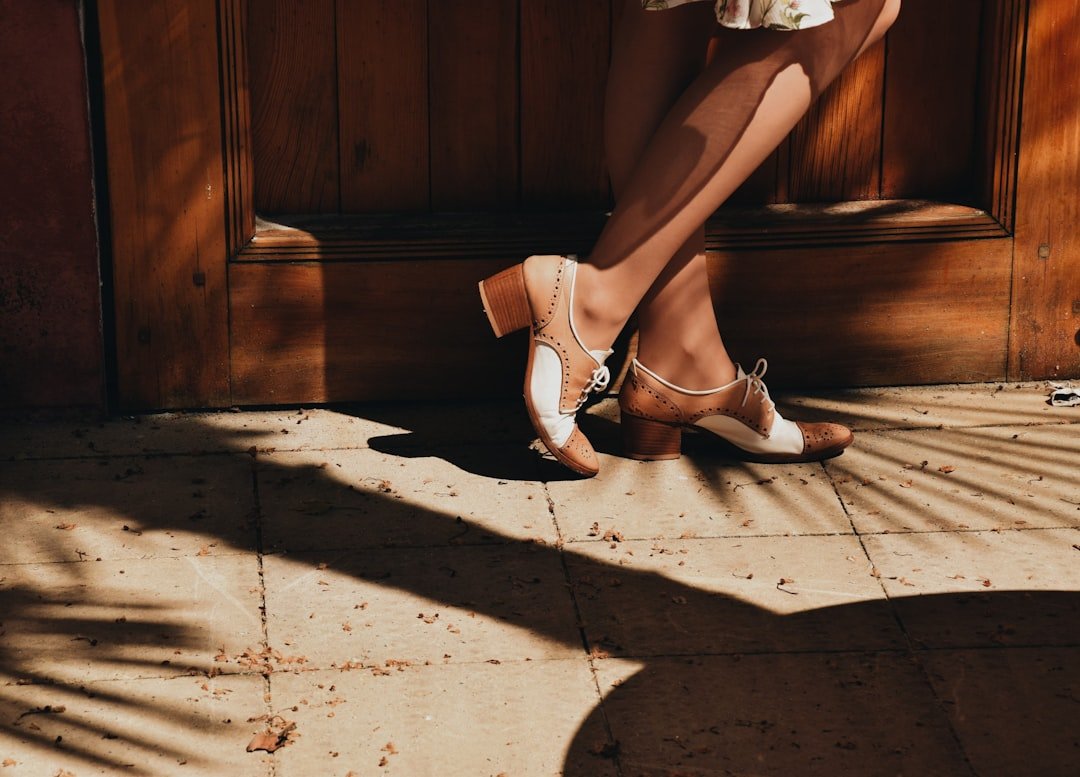
- Jazz and Contemporary: Jazz shoes and dance sneakers need ankle support combined with flexibility. Lace-up jazz oxfords like the Capezio K360 dance sneaker provide great structure without limiting movement.
- Hip-Hop: High-top dance sneakers naturally wrap around the ankle and provide excellent support. Look for padded collars and reinforced sides.
- Tap: A well-fitted tap shoe with a sturdy leather upper and lace-up closure gives solid ankle support while keeping the foot secure for percussive footwork.
Common Mistakes Dancers Make When Choosing Shoes
Even experienced dancers fall into some predictable traps. Here’s what to avoid:
- Buying shoes that are too big: A common beginner mistake. Oversized shoes allow the foot to slide, destabilizing the ankle with every step. Your dance shoe should fit snugly with minimal toe room.
- Prioritizing looks over function: That gorgeous pair of strappy heels might look stunning, but if the heel counter collapses when you press it, your ankles will pay the price.
- Skipping the break-in period: New dance shoes — especially leather ones — need time to mold to your foot. Wear them around the house or in light practice before wearing them in a full class.
- Using worn-out shoes too long: Once the heel counter breaks down and the insole flattens, your shoe offers virtually no ankle support even if it once did. Replace dance shoes regularly, especially if you practice multiple times per week.
When to Consider Additional Ankle Support Products
Sometimes a great shoe isn’t quite enough, especially if you’re recovering from an injury or have naturally hypermobile ankles. In these cases, a few extra tools can help:
- Ankle braces: Thin, low-profile braces like the McDavid 195 Ankle Brace can be worn inside certain dance shoes without affecting fit. Check sizing carefully before buying.
- Athletic tape or kinesiology tape: Popular with professional dancers, KT tape can provide targeted ankle support without restricting full range of motion. KT Tape Pro on Amazon is a well-reviewed option.
- Compression ankle sleeves: These improve proprioception — your body’s sense of joint position — which can reduce the risk of rolled ankles during fast directional changes.
If you’re dealing with persistent ankle pain or a previous injury, always consult a sports physiotherapist or podiatrist before making footwear decisions on your own.
Quick Checklist Before You Buy
Use this simple checklist the next time you’re shopping for dance shoes — in-store or online:
- ✅ Does the heel counter feel firm when pressed?
- ✅ Does the shoe fit snugly around the ankle without cutting off circulation?
- ✅ Is the heel height appropriate for your experience level?
- ✅ Does the insole provide adequate arch support?
- ✅ Is the upper material structured enough for your dance style?
- ✅ Does it have a secure fastening system — laces, straps, or elastic?
- ✅ Is it designed specifically for your dance style?
If you can check every box, you’re in good shape. If a shoe fails more than one or two of these criteria, keep looking.
Final Thoughts: Invest in Your Ankles, Invest in Your Dancing
Knowing what to look for in ankle support in dance shoes isn’t just about preventing injury — it’s about giving yourself the foundation to actually improve. When your ankles are stable and supported, you can focus on technique, expression, and musicality rather than bracing yourself against the next stumble.
Take the time to try on multiple pairs, press that heel counter, check the fit around your ankle, and match the shoe to your specific style of dance. Your body — and your dancing — will thank you for it.
Ready to find your perfect pair? Browse our curated list of top-rated dance shoes for ankle support and see which styles are getting the best reviews from dancers just like you. Got questions or a shoe you love? Drop it in the comments below — we’d love to hear what’s working for you on the floor!