Why the Right Dance Shoes Matter More After 40
If you’ve recently rekindled your love of dance — or you’re just getting started — you already know how transformative it feels to move your body to music. But here’s something nobody tells beginners: the wrong shoes can shut that joy down fast. For women over 40, foot comfort, joint support, and stability aren’t just preferences — they’re priorities.
As we age, the natural fat padding in our feet thins out, arches can drop, and joints become more sensitive to impact. The best dance shoes for women over 40 address all of these changes without sacrificing style or flexibility. This guide will walk you through everything you need to know to find your perfect pair.
What to Look for in Dance Shoes if You’re Over 40
Before jumping into specific brands, let’s talk about what features actually matter. Think of this as your non-negotiable checklist:
- Arch support: A contoured insole helps distribute weight evenly and reduces strain on your plantar fascia — a common trouble spot for dancers in midlife.
- Cushioning: Look for shoes with memory foam or padded insoles, especially if you’re dancing on hard floors like wood or tile.
- Heel height: Lower heels (1 to 1.5 inches) offer better balance for beginners. As your technique improves, you can graduate to higher heels safely.
- Suede soles: Suede-soled dance shoes offer the perfect blend of grip and glide — critical for turns and footwork without twisting a knee.
- Secure fit: Straps across the ankle or instep prevent your foot from sliding, which protects you from sprains and blisters.
- Lightweight construction: Heavy shoes fatigue your legs faster. Go for something that feels almost like a second skin.
Once you know what to look for, shopping becomes much less overwhelming. Let’s break it down by dance style.
Best Dance Shoes for Ballroom and Latin Dancing
Ballroom and Latin dancing are incredibly popular with women over 40 — and for good reason. The elegance, the connection, the music — it’s intoxicating. But these styles demand shoes built for precise footwork.
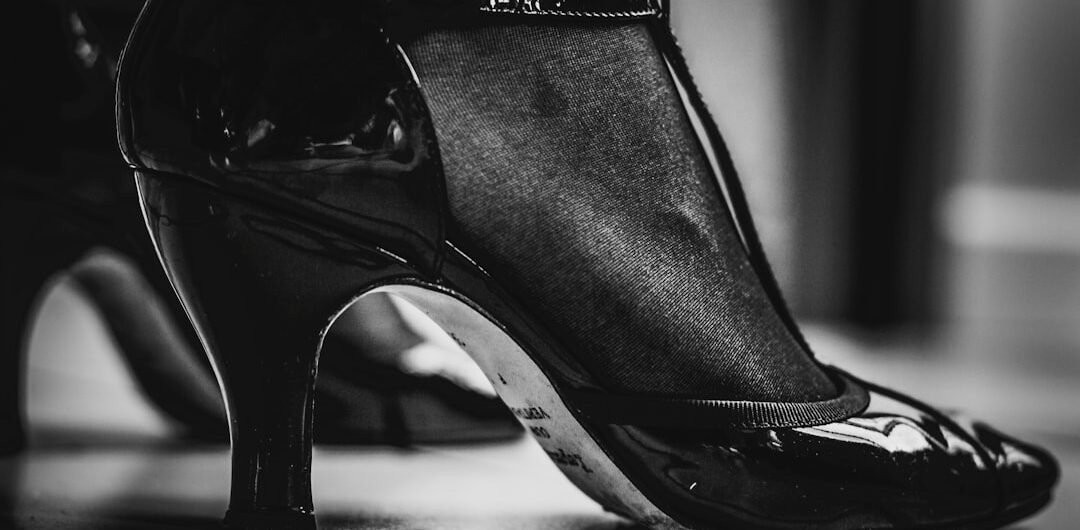
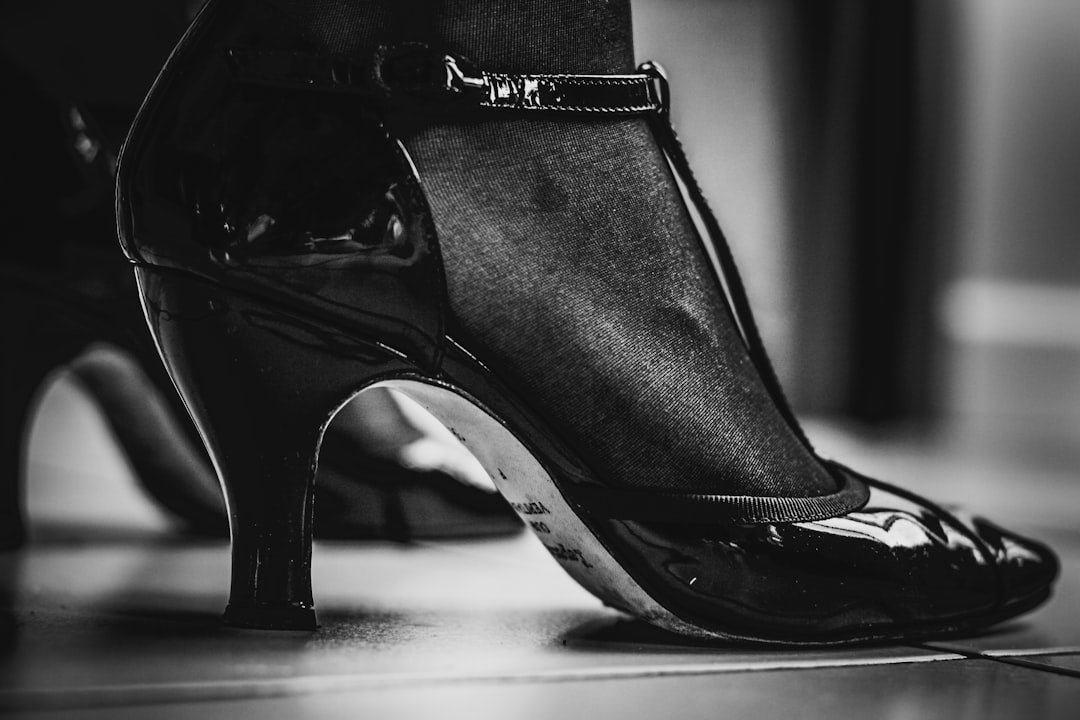
For ballroom, look at the Bloch Respect dance shoe. It features a T-strap design, a modest 1.5-inch heel, and a genuine suede sole. It’s comfortable enough for a two-hour class and supportive enough for ladies new to heel work. Available on Amazon, it typically runs between $50–$80.
For Latin styles like salsa or cha-cha, the Very Fine Dance Shoes VFSF-700 series is a fantastic entry point. They offer ankle straps, flexible soles, and come in a range of heel heights so you can choose what feels most confident. Many women over 40 rave about how quickly they break in compared to stiffer options.
Pro Tip: Sizing for Ballroom Shoes
Dance shoes typically run half a size smaller than your street shoes. When ordering online, size up by half and use the brand’s measurement guide. A properly fitted dance shoe should feel snug but never pinch — your toes should lie flat, not curl under.
Best Sneakers and Jazz Shoes for Fitness Dance Classes
If you’re taking Zumba, hip-hop cardio, or a jazz fitness class, traditional heeled dance shoes aren’t the right tool. You need something with lateral support, cushioning, and a sole that allows pivoting without sticking.
The Bloch Boost DRT mesh dance trainer is one of the most-loved options in this category. It has split-sole flexibility, a pivot point under the ball of the foot, and breathable mesh uppers — ideal for anyone spending an hour in a hot studio. Similarly, the Capezio Jam jazz sneaker offers exceptional ankle support and a court-shoe style that works for both fitness classes and low-key street wear.
If you’re doing line dancing or country two-step, a low-heeled western boot with a leather sole can double beautifully as a dance shoe — just make sure the sole slides smoothly rather than gripping too aggressively.
Best Ballet Flats and Lyrical Shoes for Gentle Movement Classes
Adult beginner ballet classes and lyrical or contemporary dance are wonderful for women over 40 because they prioritize flow, expression, and body awareness. For these styles, you’ll want soft, flexible footwear that moves with you.
The Bloch Synchrony split-sole ballet flat is a perennial favorite. It stretches with your foot, has a canvas or leather upper, and the split sole lets you see every arch articulation — great for developing proper technique. The Capezio Hanami is another excellent choice, praised for its cloud-like comfort and durability.
For lyrical dance, half-sole dance paws — like the Capezio Lyrical Half Sole — protect the ball of your foot while leaving your toes and heel free to feel the floor. These are especially popular in adult contemporary classes where floor work is part of the routine.
How to Care for Your Dance Shoes (So They Last Longer)
Good dance shoes are an investment, and with a little care, a quality pair can last years. Here are some simple habits that make a big difference:
- Use them only for dancing. Walking on pavement in suede-soled shoes destroys them quickly. Keep a pair of street shoes to change into at the studio door.
- Brush suede soles regularly. A suede brush keeps the nap open and maintains the perfect amount of slide. A clogged sole either grips too much or becomes slippery — both are dangerous.
- Air them out after class. Stuff them with newspaper or use a shoe tree to absorb moisture and maintain shape. Avoid sealed bags or boxes while they’re still warm.
- Rotate between two pairs if you dance several times a week. This extends the life of both pairs significantly.
Common Mistakes Women Over 40 Make When Buying Dance Shoes
Even well-meaning shoppers fall into a few predictable traps. Avoid these, and you’ll be miles ahead:
- Buying too high a heel too soon. A 3-inch stiletto heel looks stunning but can lead to ankle rolls and knee strain for beginners. Start low and work your way up as your balance improves.
- Choosing fashion over function. That glittery platform might look amazing, but if it doesn’t have a suede sole and proper support, you’re setting yourself up for discomfort.
- Skipping the break-in period. Even the best dance shoes need 2–3 wearings to conform to your foot. Don’t debut a brand-new pair at a performance or social dance event.
- Ignoring width options. Many dance shoe brands offer wide widths. If your feet are wider than average, always check — a shoe that’s too narrow will cause toe pain and blisters that derail your dancing entirely.
Our Top Picks at a Glance
To make your decision easier, here’s a quick summary of the best dance shoes for women over 40 based on style and need:
- Best for Ballroom: Bloch Respect — supportive T-strap, beginner-friendly heel
- Best for Latin/Salsa: Very Fine Dance Shoes VFSF-700 — flexible, stylish, adjustable heel height
- Best for Zumba/Jazz Fitness: Bloch Boost DRT or Capezio Jam Sneaker
- Best for Ballet/Lyrical: Bloch Synchrony or Capezio Hanami
- Best Budget Pick: Capezio Hanami Ballet Shoe — under $30 and beloved by adult beginners everywhere
Step Into Your Best Dancing Years
Here’s the beautiful truth: your 40s, 50s, and beyond can absolutely be your best years on the dance floor. Experience, confidence, and musicality grow with time — and the right pair of shoes gives your body the support it needs to keep up with your passion. Whether you’re swaying through your first salsa class or perfecting your foxtrot, investing in proper footwear is one of the smartest decisions you can make for your dance journey.
Ready to find your perfect pair? Browse the shoes mentioned in this guide on Amazon, read the reviews from fellow dancers, and don’t be afraid to try two or three pairs before settling on your favorite. Your feet — and your dance partner — will thank you. And if you found this guide helpful, share it with a friend who’s been curious about starting dance. The floor is big enough for everyone.