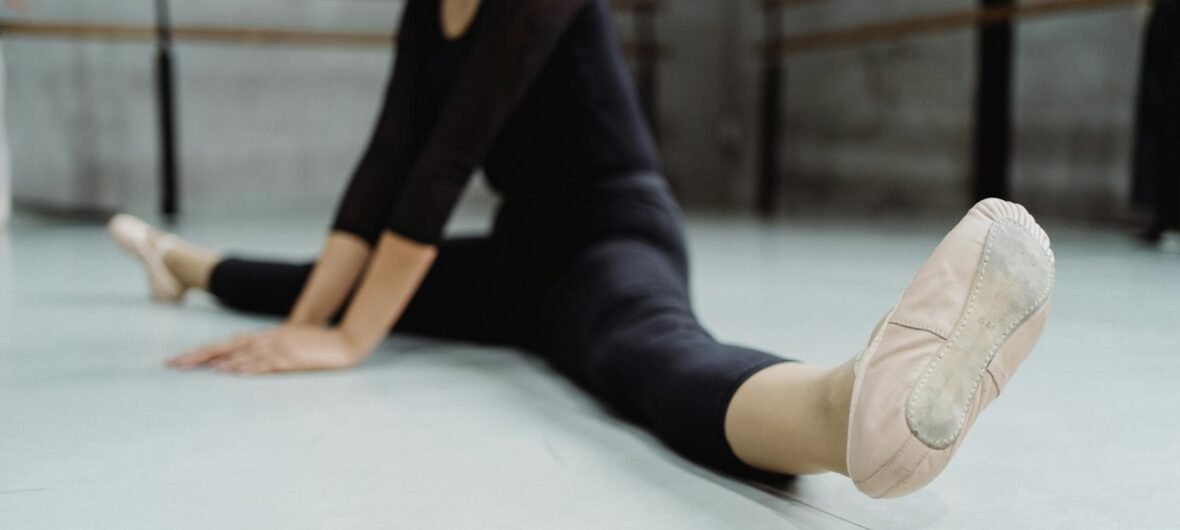
Why Choosing the Right Ballet Shoe Actually Matters
If you’ve ever stood in a dance store (or scrolled endlessly through Amazon) staring at two very similar-looking ballet shoes wondering what on earth the difference is, you’re in great company. The debate over the best split-sole vs full-sole ballet shoes is one of the most common questions beginners and intermediate dancers face — and it genuinely matters more than you might think.
The sole of your ballet shoe directly affects how your foot moves, how your arch appears to your teacher, and even how quickly you develop proper technique. Getting this choice right from the start can save you months of frustration. Let’s break it all down in plain language.
What Is a Full-Sole Ballet Shoe?
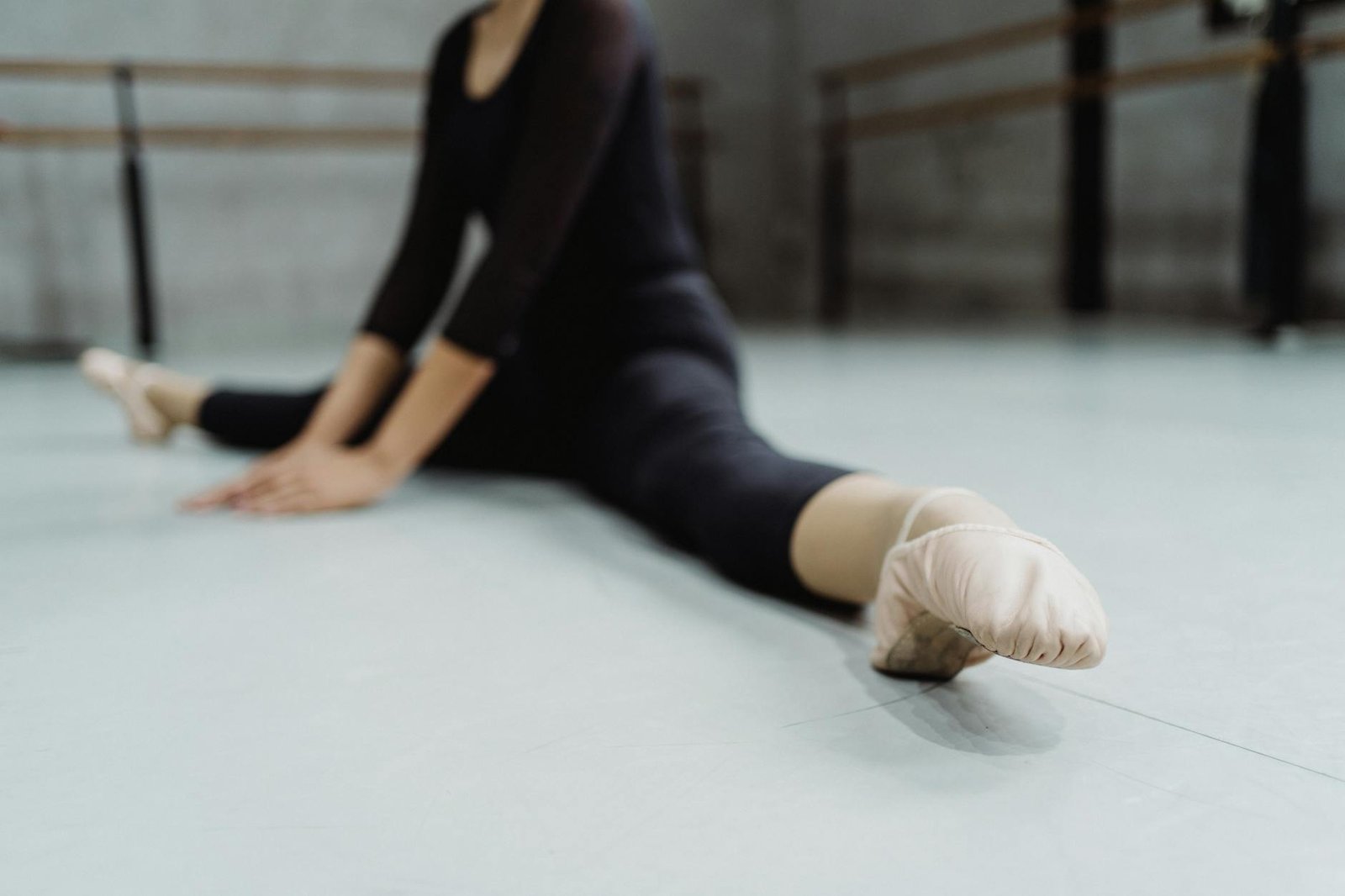
A full-sole ballet shoe has a single, continuous piece of leather or suede running along the entire bottom of the shoe. Think of it like a traditional moccasin style — the sole wraps from heel to toe without any gap.
Key Characteristics of Full-Sole Shoes
- Uniform resistance: The continuous sole creates gentle resistance when you point your foot, which actually helps strengthen the intrinsic muscles of the foot.
- Better for beginners: Because the foot has to work harder to articulate against the sole, young or beginner dancers build strength more efficiently.
- Classic appearance: Many classical teachers prefer the cleaner line a full sole creates, especially in the early stages.
- Durability: Full-sole shoes tend to hold their shape longer, making them a practical choice for growing feet.
Popular full-sole options include the Bloch Dansoft and the Capezio Daisy 205 — both widely available on Amazon and consistently praised by dance teachers for young beginners. Expect to pay anywhere from $15 to $30 for a quality pair.
What Is a Split-Sole Ballet Shoe?
A split-sole ballet shoe has two separate sections of sole — one under the heel and one under the ball of the foot — with a flexible gap in the arch area. This design became widely popular in the 1980s and has been a staple ever since.
Key Characteristics of Split-Sole Shoes
- Enhanced arch visibility: With nothing covering the arch, the natural curve of your foot is fully visible when you point — a big aesthetic advantage.
- Greater flexibility: The open arch allows the foot to articulate more freely, making movements like tendus, dégagés, and relevés feel more fluid.
- Lightweight feel: Less material generally means less weight, which many dancers find makes the shoe feel more like a second skin.
- Better for intermediate and advanced students: Once foot strength is established, split-sole shoes allow technique to shine through.
Top-rated split-sole picks include the Bloch Prolite II, the Capezio Juliet, and the ever-popular So Dança SD16. These typically range from $20 to $45 on Amazon depending on material and brand.
Split-Sole vs Full-Sole: The Head-to-Head Comparison
Let’s put both options side by side so you can see exactly what you’re weighing up:
- Foot Strengthening: Full-sole wins here. The resistance is a genuine training tool for developing strong feet.
- Aesthetic Line: Split-sole wins. A clean, uninterrupted arch line photographs and performs beautifully.
- Comfort for Beginners: Full-sole is often more forgiving on less conditioned feet.
- Flexibility & Freedom: Split-sole allows far greater range of motion through the arch.
- Durability: Full-sole shoes tend to last longer due to more material underfoot.
- Price: Both are available at similar price points, though full-sole budget options are slightly more common.
- Teacher Preference: Many classical training programs — particularly those following Royal Academy of Dance (RAD) or Vaganova syllabi — actively recommend full-sole for students under 10 or in their first two years of training.
Who Should Wear Each Type? A Practical Guide by Level
Young Beginners (Ages 3–8)
For very young children just starting out, a full-sole shoe is almost always the right call. The feet are still developing, and the resistance from a full sole helps build the small stabilizing muscles that will support their technique for years to come. The Capezio Daisy is an excellent, affordable starting point that parents love.
Older Beginners (Ages 9+ and Adult Starters)
This is where it gets interesting. Many older beginners can go either way, but checking with your teacher first is strongly advised. If your studio follows a structured syllabus, your teacher likely has a specific preference. If you’re self-directed, starting with a full-sole shoe for the first six months and transitioning to split-sole once your foot strength improves is a smart approach.
Intermediate Dancers
By the time you’re working on intermediate syllabus content — consistent relevés, clean footwork, pointe preparation — a split-sole shoe is typically the better choice. It rewards the technique you’ve been building and gives your arch the freedom to express itself fully. The Bloch Prolite II Leather is a standout option at this level and holds up well over time.
Materials Matter Too: Leather, Canvas, or Satin?
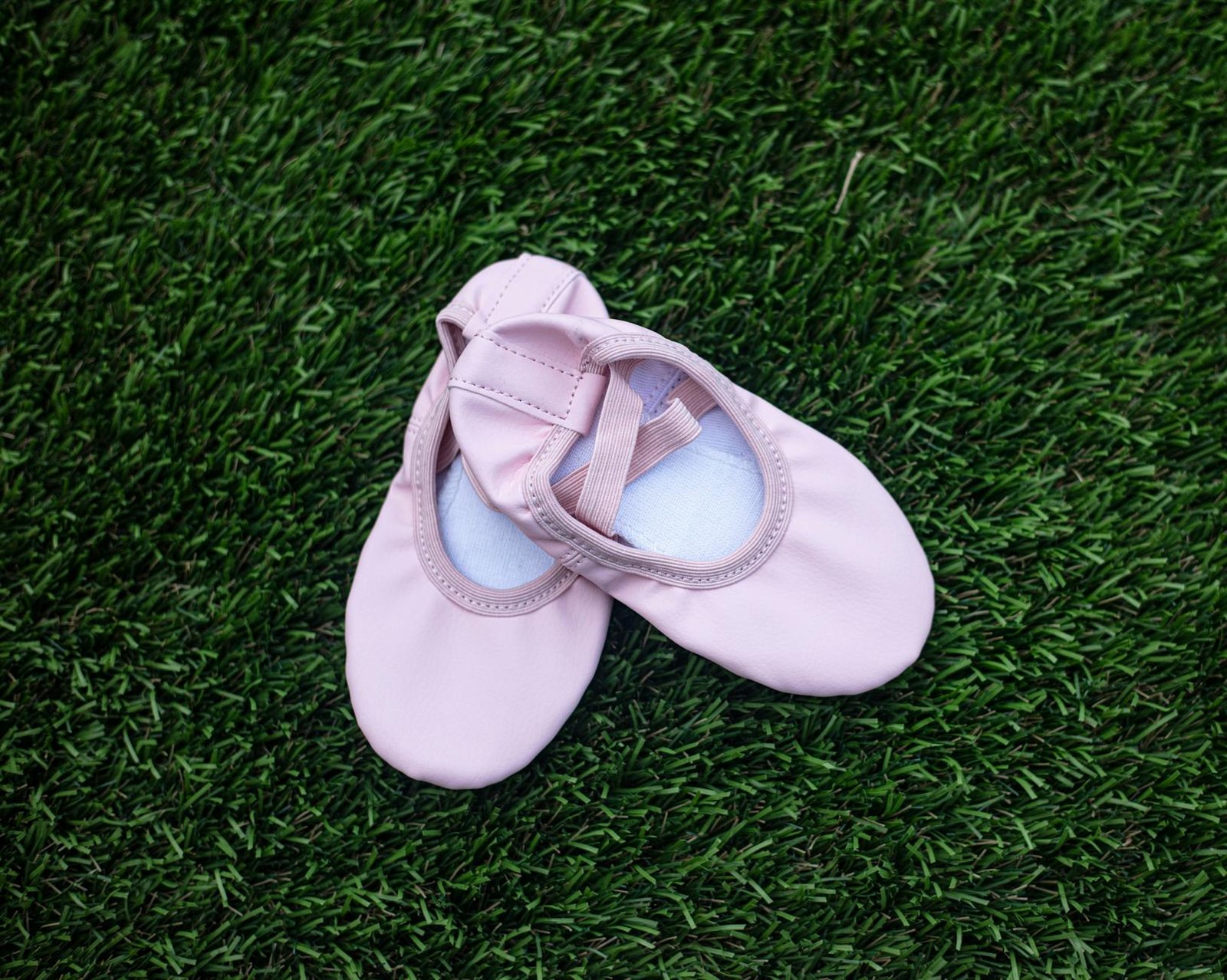
While the sole type is the biggest decision, the upper material is a close second. Here’s a quick breakdown:
- Leather: Molds beautifully to the foot over time, extremely durable, and creates a polished look. Slightly heavier and takes longer to break in. Great for serious students.
- Canvas: Lightweight, breathable, and quick to break in. Less durable than leather but very popular for everyday class use. The Capezio Canvas Juliet is a best-seller for good reason.
- Satin: Primarily used for performances and exams rather than everyday class. Beautiful appearance but wears quickly on studio floors.
For most dancers in regular weekly classes, canvas split-sole or canvas full-sole shoes offer the best balance of comfort, performance, and value.
Fitting Tips to Get It Right Every Time
Even the best ballet shoe will work against you if it doesn’t fit correctly. Keep these fitting rules in mind:
- Snug but not tight: There should be minimal bunching at the toe box, but no pinching. A well-fitted ballet shoe will feel firm across the top of the foot.
- Drawstring matters: Always pull and tie the drawstring before assessing fit — a loose drawstring changes how the shoe feels entirely.
- Width counts: Many brands offer narrow (N), medium (M), and wide (W) options. Dancers with wider feet often do better in Bloch or So Dança, while narrow-footed dancers tend to love Capezio’s fit.
- Try both feet: Most people have one foot slightly larger than the other. Always fit to the larger foot.
- Growth allowance for kids: A thumb’s width of space is generally fine, but going more than that sacrifices too much control.
Final Verdict: Which Should You Choose?
Here’s the honest answer: there is no single “best” option — only the best option for where you are right now in your dance journey. Full-sole shoes build the foundation; split-sole shoes let that foundation shine.
If you’re a beginner, start full-sole, spend six months to a year building strong, articulate feet, and then make the switch. If you’re intermediate and already have solid foot strength, a quality split-sole canvas or leather shoe will feel like a revelation. And if your teacher has a preference? Follow it — they know your feet better than any online guide can.
The good news is that quality options in both categories are affordable and readily available. Whether you go with the classic Capezio Daisy to start out or upgrade to the Bloch Prolite II as your technique develops, you’re investing in shoes that will support every plié, tendu, and arabesque along the way.
Ready to find your perfect pair? Browse our curated list of top-rated ballet shoes on Amazon and use the comparison tips in this guide to make a confident, informed choice. Your feet — and your teacher — will thank you.