
Why the Right Ballroom Shoe Can Make or Break Your Performance
If you’ve ever watched a ballroom competition and wondered how those dancers glide so effortlessly across the floor, part of the magic is in their footwear. The best women’s ballroom competition shoes in 2026 are engineered specifically for performance — not just style. They provide the right balance of flexibility, support, and grip to help you execute every turn, glide, and pivot with confidence.
Whether you’re stepping onto the competition floor for the first time or you’re an intermediate dancer looking to upgrade your gear, choosing the right shoe is one of the smartest investments you can make. In this guide, we’ll walk you through everything you need to know — from heel types and suede soles to the top brands worth your money this year.
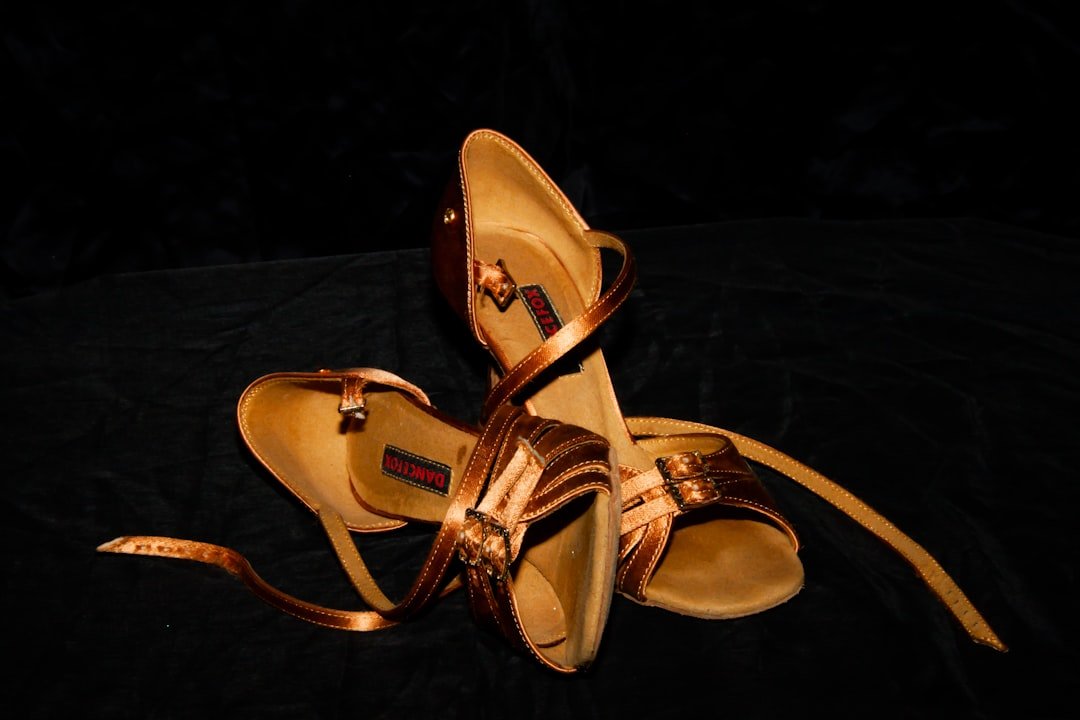
Understanding the Two Main Categories: Latin vs. Smooth/Standard
Before you start shopping, it’s important to know that ballroom dance shoes are not one-size-fits-all — even within women’s styles. There are two primary categories, and each is designed for a specific dance discipline.
- Latin Shoes: These feature a higher, slender heel (typically 2.5 to 3 inches), an open toe design, and a more flexible sole. They’re built for dances like Cha-Cha, Samba, Rumba, and Jive, where hip action and footwork are front and center.
- Smooth/Standard Shoes: These have a lower, broader heel (usually 1.5 to 2.5 inches), a closed toe, and a slightly stiffer construction. They suit Waltz, Foxtrot, Tango, and Viennese Waltz, where elegant posture and smooth movement are the priority.
Buying the wrong type for your dance style won’t just feel uncomfortable — it can actually affect your technique. Always shop with your dance discipline in mind first.
What to Look for in Competition-Grade Ballroom Shoes
Not all dance shoes are created equal. Shoes labeled as “ballroom-inspired” in fashion stores are very different from true competition-grade footwear. Here’s what separates a quality competition shoe from the rest:
Suede Soles
This is non-negotiable for competition. A suede sole allows for the perfect amount of slip and grip on a dance floor — enough to glide smoothly, but with enough traction to stop cleanly. Leather or rubber soles simply won’t give you the same control.
Heel Construction and Height
For competition, stability is everything. Look for shoes with a flared or Cuban heel for better balance, especially if you’re newer to heels. Stiletto heels look stunning but require a lot more practice and core strength to dance in safely.
Fit and Ankle Support
Your competition shoe should fit snugly — not tight enough to cut off circulation, but secure enough that your foot doesn’t slide forward or shift during fast footwork. Adjustable straps around the ankle are a big plus for keeping everything locked in place during a performance.
Material and Breathability
Satin is the classic competition choice because it looks beautiful under stage lighting, but it can be less durable and harder to clean. Leather and microfiber options are growing in popularity because they’re breathable, durable, and mold to your foot over time for a custom-like fit.
Top Brands to Know for 2026
The dance shoe market has some standout names that consistently deliver quality for competition dancers. Here are the brands most worth your attention right now:
- Dance Naturals: An Italian brand beloved by serious competitors worldwide. Their shoes are hand-crafted with exceptional attention to detail, and many professional dancers swear by their comfort for long competition days.
- Supadance: A UK-based brand that’s been a competition staple for decades. Supadance offers excellent arch support and a wide range of heel heights, making them a great choice for beginners who want a brand that grows with them.
- Very Fine Dance Shoes: If you’re shopping on a budget but still need true competition quality, Very Fine is a fantastic option. Their shoes are widely available on Amazon, making them easy to order and return if the fit isn’t right. Their model Very Fine Dancesport 9168 is consistently one of the highest-rated Latin heels available online.
- Capezio: Best known for ballet footwear, Capezio also produces reliable ballroom styles that are beginner-friendly and widely accessible through Amazon and dance retailers.
- Stephanie Dance Shoes: A growing favorite in the intermediate dance community for their modern designs and sturdy build quality at a mid-range price point.
When browsing Amazon for any of these brands, look for listings with verified purchase reviews specifically mentioning competition use — this gives you a much more accurate picture of how the shoe performs under real dance floor conditions.
Sizing Tips: How to Get the Right Fit Without Trying Them On
Ordering dance shoes online can feel risky, but with a few smart strategies, you can get the right fit on the first try.
- Size down by half: Most dance shoe brands run slightly large. Going half a size smaller than your street shoe size is a common rule of thumb, especially for satin styles.
- Measure both feet: Your feet are likely slightly different sizes. Always fit to the larger foot.
- Check the width: Many brands offer narrow (N), standard (M), and wide (W) options. If your foot tends to splay when you dance, a wider fit prevents that uncomfortable pinching.
- Read the brand’s specific size chart: European sizing (common in brands like Dance Naturals and Supadance) doesn’t always convert 1:1 with US sizing, so always double-check before you buy.
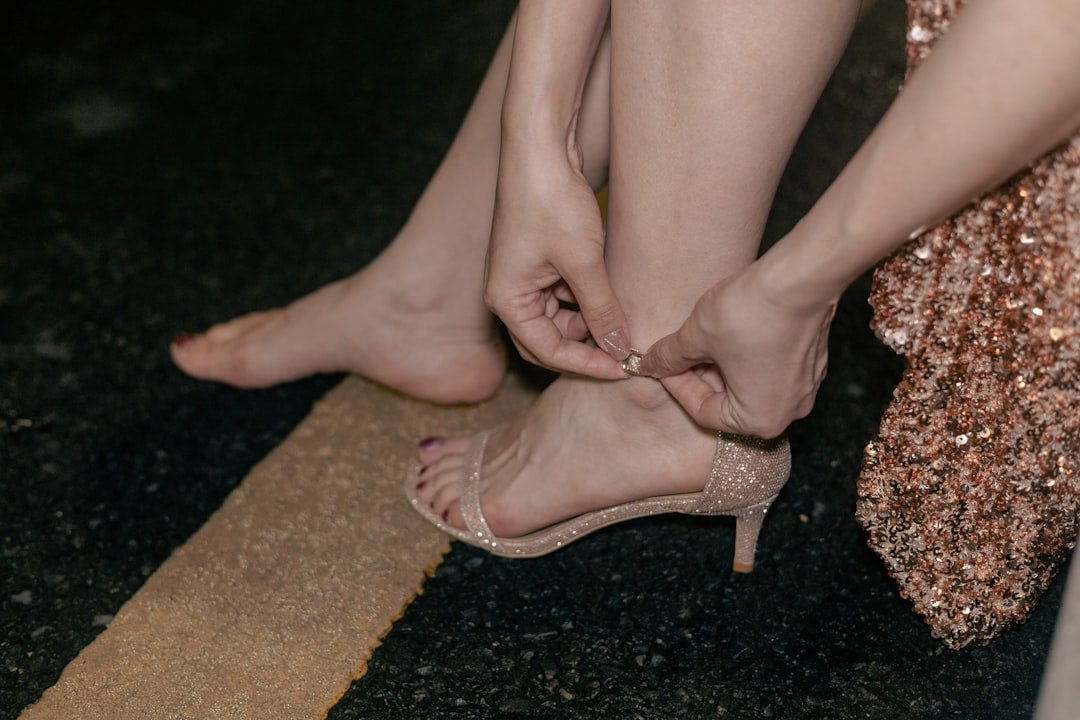
Breaking In Your Shoes Before Competition Day
Even the best competition shoes need a proper break-in period. Wearing brand-new shoes on competition day is one of the most common beginner mistakes — and it can result in blisters, discomfort, and distracted dancing at the worst possible moment.
Here’s a simple break-in strategy that works well:
- Wear your new shoes for short 20–30 minute practice sessions in the two to three weeks leading up to competition.
- Use them on the same type of floor surface you’ll be competing on whenever possible.
- Wear thin dance tights or low-cut socks during break-in to reduce friction in sensitive areas.
- If the heel feels stiff, gently flex the shoe by hand before wearing to soften the material faster.
By competition day, your shoes should feel like a second skin — supportive, flexible, and completely familiar.
Caring for Your Competition Shoes So They Last
Quality ballroom shoes are an investment, and with proper care, a good pair can last you through multiple competition seasons. Here’s how to keep them in top shape:
- Brush your suede soles regularly with a wire suede brush to maintain their texture and grip. Worn-down suede can become dangerously slippery.
- Store them in a shoe bag away from direct sunlight to prevent satin from fading or yellowing.
- Never wear them outside. Even walking across a rough parking lot or concrete surface can destroy a suede sole in minutes.
- Use a satin protector spray on fabric shoes to guard against sweat stains and scuffs.
- After each competition, stuff the shoes lightly with tissue paper to help them retain their shape.
Ready to Find Your Perfect Pair?
Finding the best women’s ballroom competition shoes for 2026 doesn’t have to feel overwhelming. Start by identifying your dance style, decide on a heel height that suits your current skill level, and choose a trusted brand that fits your budget. Whether you go with a tried-and-true name like Supadance or explore a more affordable option like Very Fine on Amazon, the most important thing is that your shoes support your dancing — not distract from it.
Ready to start shopping? Browse the brands mentioned in this guide on Amazon and look for options with strong reviews from fellow competition dancers. And if you’ve recently found a pair that you love, drop a comment below — we’d love to hear what’s working for dancers in the community this season. Happy dancing! 💃