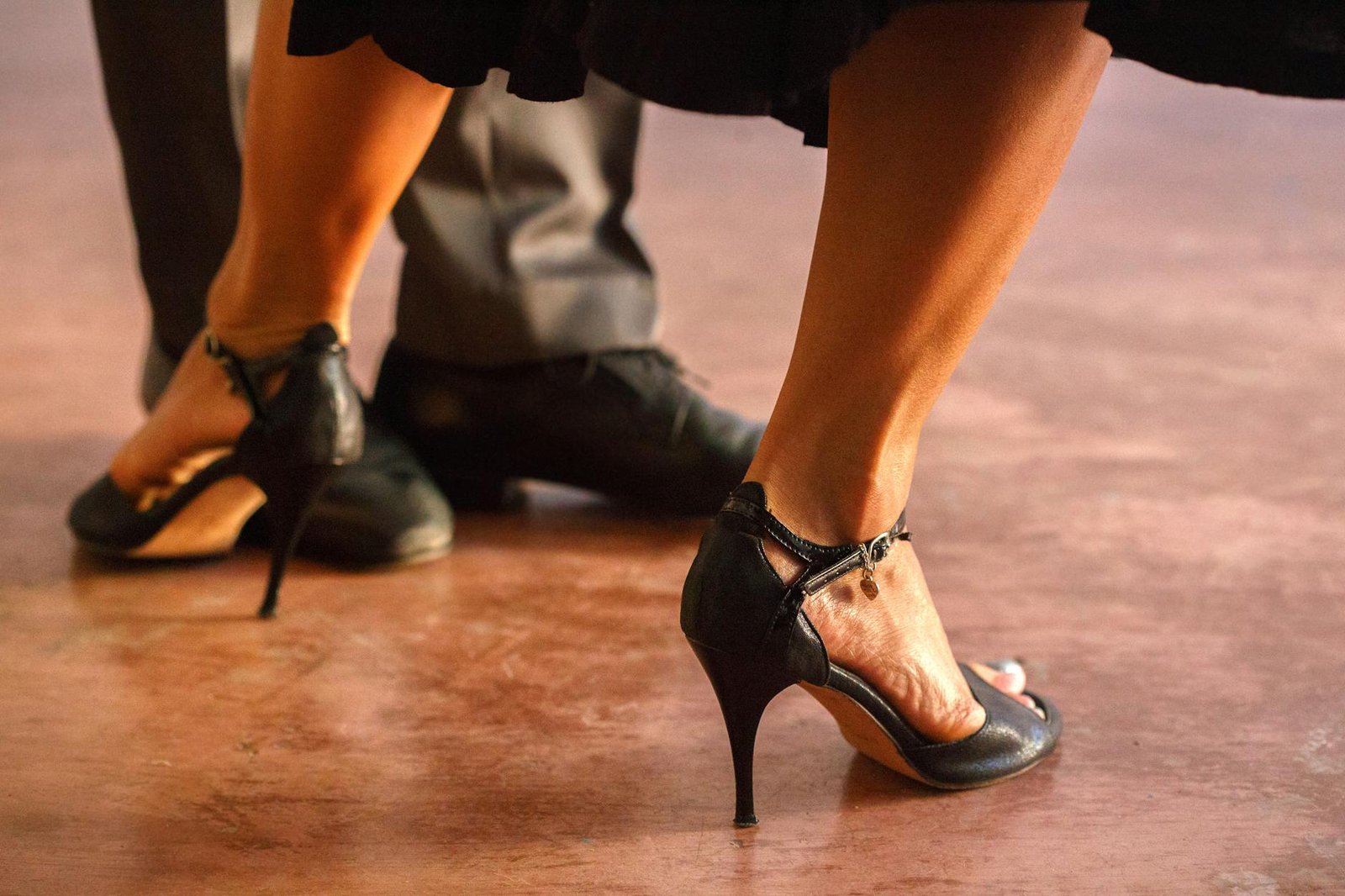
Why Heel Height Matters More Than You Think
If you’re just stepping into the world of ballroom dance, choosing your first pair of dance shoes can feel surprisingly overwhelming. Walk into any dancewear shop or browse online, and you’ll quickly realize that ballroom shoes come in a dizzying range of heel heights — from a modest 1 inch all the way up to a towering 3.5 inches. This heel height guide for ballroom dance shoes beginners is here to cut through the confusion and help you make a smart, comfortable choice from day one.
Heel height isn’t just about aesthetics. It directly affects your posture, balance, footwork technique, and even your risk of injury. Getting it right early on will help you build good habits and actually enjoy your lessons rather than spending half the class wobbling around the floor.
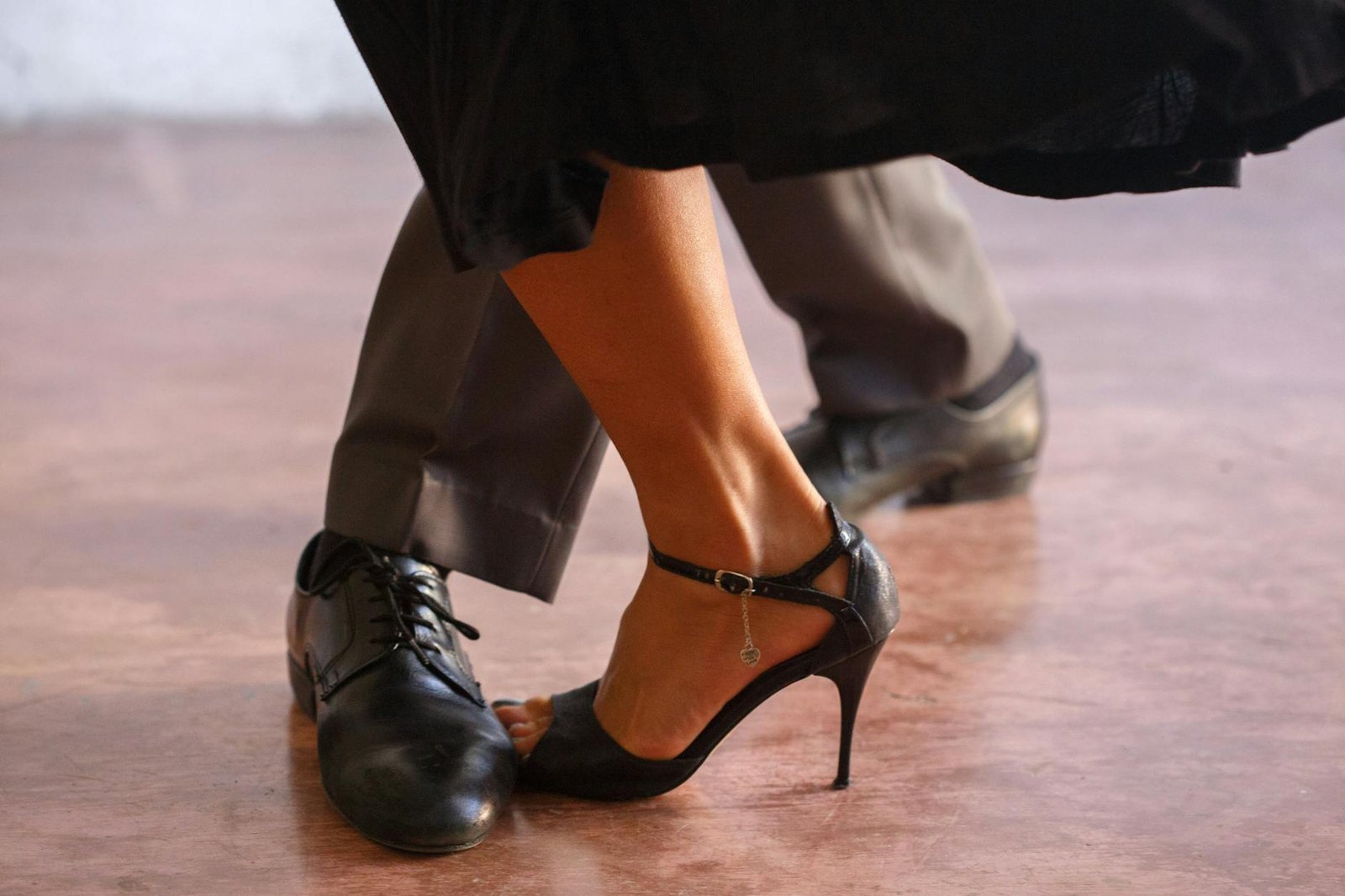
Understanding the Standard Heel Heights in Ballroom Dance
Before we dive into recommendations, let’s break down what the numbers actually mean in practical terms. Ballroom dance shoes are typically measured in inches or centimeters, and each height serves a specific purpose.
- 1 inch (2.5 cm): Often called a “character heel,” this is the lowest and most stable option. Great for absolute beginners or dancers who need extra confidence on the floor.
- 1.5 inches (3.8 cm): A popular beginner-to-intermediate choice. Provides a slight lift that encourages better posture without sacrificing stability.
- 2 inches (5 cm): The most common starting point recommended by many dance instructors for women. Balances elegance with control.
- 2.5 inches (6.4 cm): Favored by intermediate dancers who have built up ankle strength and balance. Adds a flattering line to the leg.
- 3–3.5 inches (7.5–9 cm): Reserved for advanced and professional dancers competing at high levels. Not recommended for beginners under any circumstances.
For men’s ballroom shoes, heels are typically much lower — ranging from 0.75 to 1.5 inches — so men have a much simpler decision to make when starting out.
The Best Heel Height for Absolute Beginners
If you’re brand new to ballroom dance, the golden rule is simple: start lower and work your way up. Most dance instructors and podiatrists agree that a 1.5-inch heel is the sweet spot for beginners. Here’s why:
- It provides enough lift to encourage the correct forward weight placement that ballroom technique requires.
- Your ankles won’t be screaming at you after a 90-minute class.
- You’ll be able to focus on learning your steps rather than managing your footwear.
- It reduces the risk of ankle rolls and knee strain while your muscles are still adapting.
A fantastic entry-level option is the Bloch Arise ladies’ ballroom shoe, which comes in a comfortable 1.5-inch heel and features a suede sole that glides perfectly on sprung floors. For those who want to try a trusted brand without breaking the bank, Very Fine Dance Shoes on Amazon offer quality beginner heels starting around $40–$60 — a solid investment before you commit to a pricier pair.
How Dance Style Influences Your Heel Choice
Here’s something many beginners don’t realize: the type of ballroom dance you’re learning should actually influence which heel height you choose. Ballroom broadly divides into two categories — Standard (Smooth) and Latin — and they have different footwear needs.
Standard / Smooth Dances (Waltz, Foxtrot, Tango, Viennese Waltz)
These dances emphasize flowing, gliding movements and an upright frame. A 1.5 to 2-inch heel works beautifully here because the lower heel keeps you grounded during long, sweeping steps. Shoes in this category typically have a closed toe and a more structured design.
Latin Dances (Cha-Cha, Salsa, Rumba, Samba, Jive)
Latin technique involves hip action, quick weight shifts, and ball-of-foot work. A slightly higher heel — typically 2 to 2.5 inches — actually helps transfer weight onto the ball of the foot more naturally, encouraging the hip motion that defines Latin style. Many beginner Latin shoes feature an open toe and a flared or stiletto heel design for better weight distribution.
If you’re taking general beginner classes that cover both styles, stick with a versatile 1.5-inch heel until your instructor gives you more specific guidance.
Heel Types: Flared vs. Stiletto — Which Is Safer for Beginners?
The shape of the heel matters just as much as its height. You’ll encounter two main heel types in ballroom dance shoes:
- Flared heels: Wider at the base, these provide more surface area and significantly better stability. Ideal for beginners. Common in Standard dance shoes and beginner Latin options.
- Stiletto heels: Slim, elegant, and the classic look you see in competitions. Much more challenging to balance on. Best reserved for dancers with at least 6–12 months of experience.
When shopping, look for terms like “Cuban heel” or “Spanish heel” — these are typically flared designs that offer good beginner-friendly support. The Capezio SD02 Ballroom Shoe is a great example of a flared-heel beginner shoe available on Amazon that offers both comfort and a polished look for your first recital or showcase.

Practical Tips for Buying Your First Ballroom Dance Shoes
Ready to shop? Keep these practical tips in mind before you click “add to cart” or head to a dancewear store:
- Try before you buy if possible: Dance shoes fit differently from street shoes. Many dancers find they need a half size up or down.
- Prioritize the suede sole: A genuine suede sole is non-negotiable for ballroom. It allows the right amount of glide and grip. Avoid rubber soles entirely.
- Check the strap security: T-straps and ankle straps add critical support. For beginners, a secure ankle strap is especially important.
- Don’t wear dance shoes outside: Outdoor surfaces destroy suede soles fast. Pack your shoes and change at the studio.
- Budget wisely: You don’t need to spend $200 on your first pair. Reputable beginner brands like Pleaser, Very Fine, and Capezio offer reliable options in the $40–$90 range on Amazon.
- Ask your instructor: Before purchasing, always run your choice by your dance teacher. They know the studio floor and the specific demands of your curriculum.
When Should You Move Up to a Higher Heel?
Progressing to a higher heel is a milestone worth celebrating — but timing it right matters. Here are some signs you’re ready to step up:
- You’ve been dancing consistently for at least 3–6 months.
- Your ankle stability feels solid and you rarely lose your balance during turns or weight transfers.
- Your instructor has commented positively on your footwork and posture.
- You’re preparing for a showcase, competition, or performance where a higher heel may be expected.
When you do move up, go gradually — don’t jump from 1.5 inches straight to 3 inches. Add half an inch at a time and give yourself several weeks to adapt. Practice at home by wearing your new shoes while doing light chores or stretching to break them in safely.
Final Thoughts: Take It One Heel at a Time
Choosing the right heel height for your ballroom dance shoes doesn’t have to be stressful. As a beginner, your mantra should be: comfort first, style second. Start with a flared, 1.5-inch heel in a reputable brand, listen to your body, and let your instructor guide your progression. The elegance and poise of those sky-high heels you see on competition floors is built — one lesson at a time — on a strong foundation of sensible footwear choices.
Ready to find your perfect pair? Browse our curated list of the best beginner ballroom dance shoes on Amazon and take your first confident step onto the dance floor today. Have questions about fit or style? Drop them in the comments below — we’d love to help you find your footing!