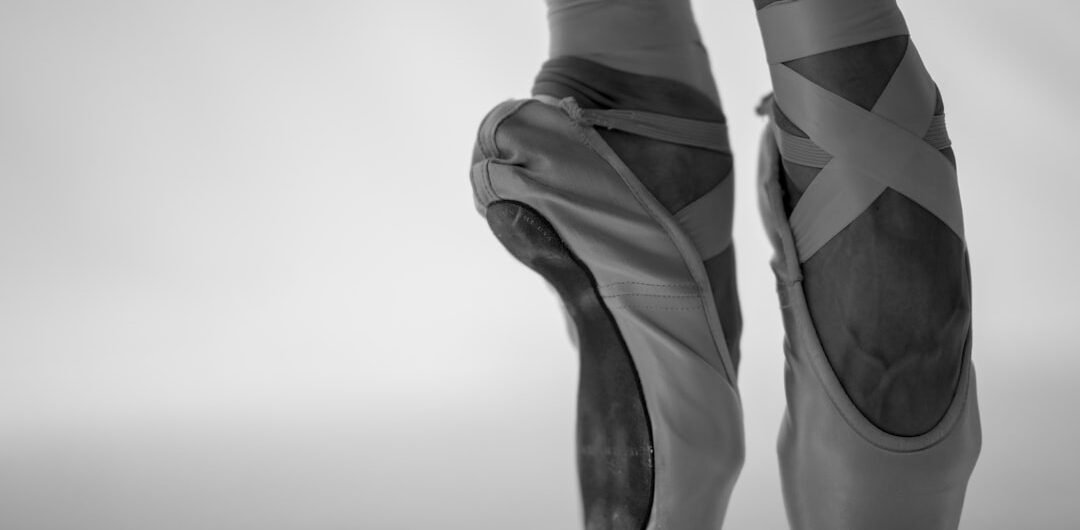
Why Dance Shoe Width Matters More Than You Think
If you’ve ever slipped on a pair of dance shoes and thought, “These feel a little off,” the problem might not be the length — it could be the width. Dance shoe width is one of the most overlooked factors when shopping for footwear, yet it can make or break your performance, comfort, and even your long-term foot health.
Whether you’re stepping into your first ballroom class or refining your Latin technique, understanding the dance shoe width guide from 2A to 4E is essential. A shoe that’s too narrow pinches your toes and throws off your balance. Too wide, and your foot slides around, robbing you of control and increasing your injury risk. Let’s break it all down in plain English.
Understanding the Width Sizing System: What Do Those Letters Mean?
Dance shoe widths — like most dress shoes — follow an alphabetical system that ranges from very narrow to very wide. Here’s the full breakdown you need to know:
- 2A (AA or Narrow): Very narrow fit, ideal for dancers with slim, slender feet.
- A (Narrow): Slightly wider than 2A but still considered a narrow fit.
- B (Standard/Medium for Women): The most common women’s width. Most women’s dance shoes are sold in B width by default.
- D (Standard/Medium for Men): The most common men’s width. Also sometimes used as a wider option for women.
- E (Wide): A wide fit, great for dancers with broader feet or bunions.
- 2E (EE or Extra Wide): Noticeably wider, suitable for dancers needing extra room across the ball of the foot.
- 4E (EEEE or Ultra Wide): The widest standard option, designed for dancers with very wide feet or specific medical needs.
It’s worth noting that women’s and men’s widths don’t always align. A woman wearing a D width is wearing a wide shoe; a man wearing a D width is wearing a standard shoe. Always check the brand’s specific sizing chart before ordering.
How to Measure Your Foot Width at Home
You don’t need a fancy Brannock device to get a good sense of your foot width. Here’s a quick method you can do right now:
- Trace your foot on a piece of paper while standing (weight bearing gives the truest measurement).
- Measure the widest part of your foot outline — this is typically across the ball of your foot.
- Compare that measurement to a brand’s width chart. Most reputable dance shoe companies like Capezio, Bloch, and Freed of London provide detailed width measurement guides on their websites and product listings.
As a general reference for women’s shoes: a ball-of-foot width under 3.4 inches typically corresponds to a narrow (A/2A) fit, 3.4–3.6 inches to a B (standard), 3.7–3.9 inches to a D (wide), and over 4 inches may require 2E or 4E widths. Men’s measurements run about 0.3–0.4 inches wider per category.
Pro tip: Measure both feet. Most people have one foot slightly larger than the other — always fit the larger foot.
Width by Dance Style: What’s Right for Your Genre?
Different dance disciplines put different demands on your footwear, and that affects which width you should prioritize.
Ballroom & Latin Dance
Ballroom and Latin shoes need a snug, secure fit so your foot doesn’t shift during fast weight transfers and turns. Most ballroom dancers do well in a B width for women and D width for men. Brands like Very Fine Dance Shoes (widely available on Amazon) and International Dance Shoes (IDS) offer half-size and multi-width options that are great for this style.
Ballet & Pointe Work
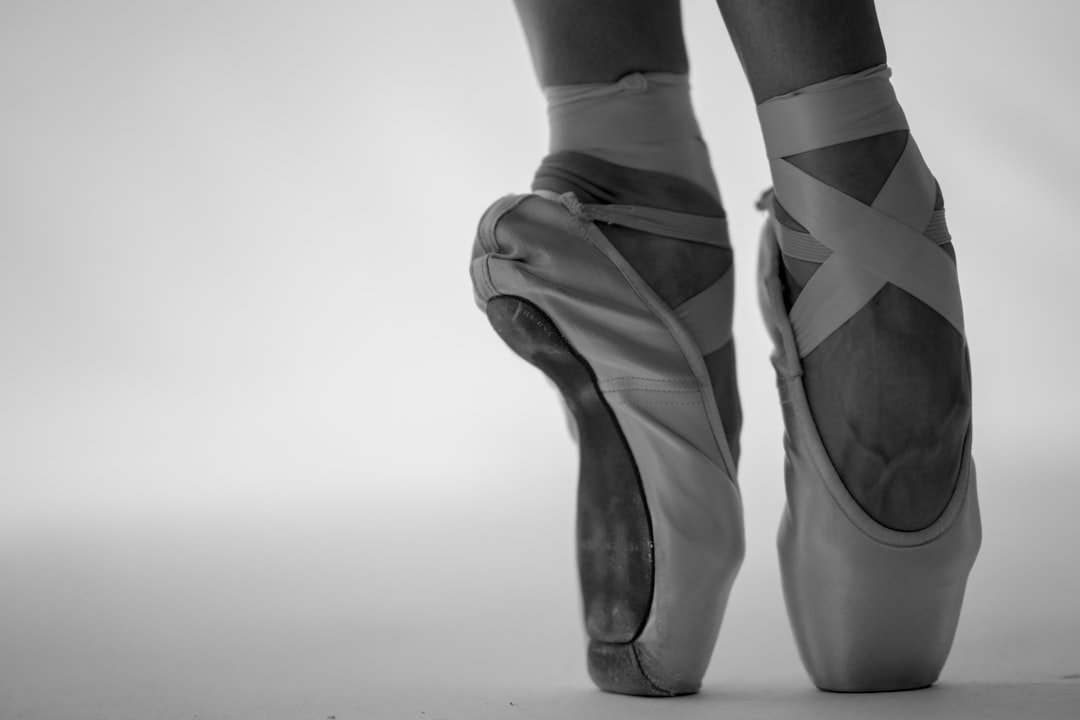
Ballet slippers and pointe shoes are among the most width-sensitive dance footwear available. Many brands — including Bloch and Capezio — offer widths from 2A through D to accommodate everything from tapered ballet feet to broader Egyptian-shaped feet. Going too narrow in pointe work can be dangerous, so professional fitting is strongly recommended here.
Jazz, Tap, & Character Shoes
These styles allow a bit more flexibility. Jazz sneakers and tap shoes from brands like Bloch Boost DRT and Capezio Teknik often run in standard B or D widths but may offer wide options. If you’re between widths, sizing up half a size can sometimes compensate for a slightly narrow fit in tap shoes.
Swing, Salsa & Social Dance Shoes
Social dance shoes need comfort for long sessions on the floor. Brands like Aris Allen (a favorite for swing dancers, available on Amazon) offer multiple width options including wider fits, making them a smart choice if you’ve struggled to find comfortable social dance footwear in the past.
Common Width Fitting Problems and How to Solve Them
Here are the most common complaints dancers have — and what they usually mean in terms of width:
- “My toes go numb during class” — This is a classic sign of too-narrow a shoe. Try moving up one width, or look for brands with a wider toe box.
- “My heel slips out when I dance” — Counterintuitively, this can happen with shoes that are too wide. Your foot shifts forward, leaving room at the heel. Try a narrower width or use heel grips (available cheaply on Amazon).
- “I have bunions — nothing fits” — Look specifically for E or 2E width options, and prioritize shoes with a soft, stretchy upper. Capezio’s Daisy and Bloch’s Prolite II are often recommended for dancers with bunion concerns.
- “The ball of my foot aches after class” — This is often a width issue combined with lack of cushioning. A wider shoe reduces compression across the metatarsals and can significantly reduce discomfort.
Tips for Buying Dance Shoes Online When Width Is a Factor
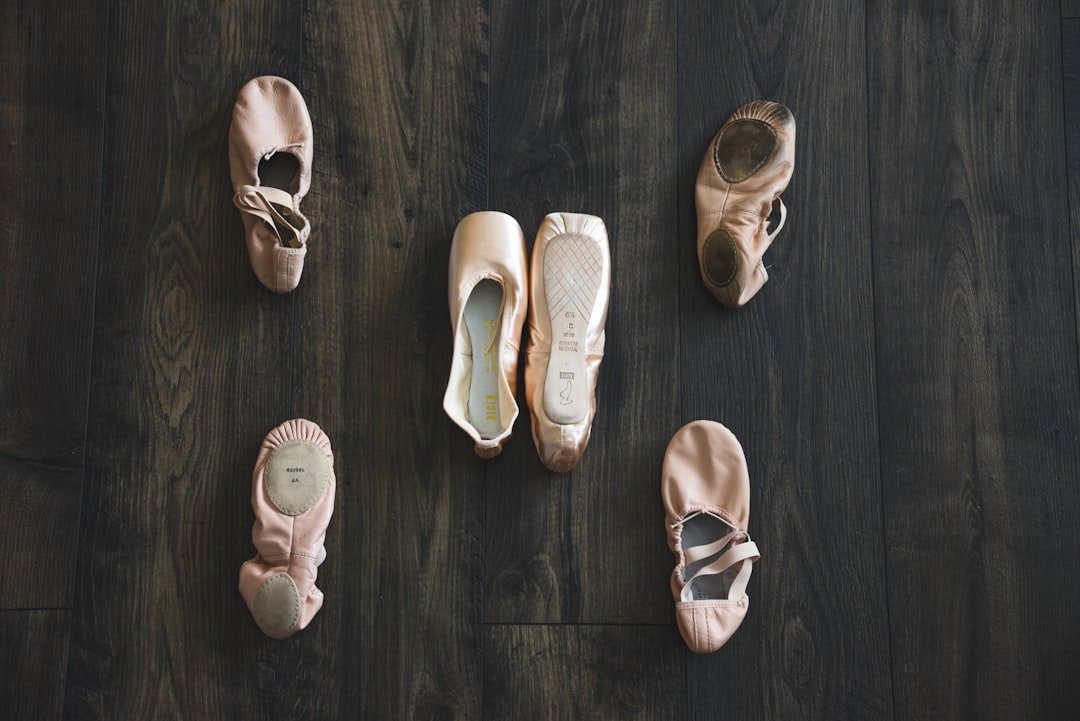
Buying dance shoes online is convenient, but width fitting is trickier without trying shoes on. Here’s how to shop smarter:
- Always read the brand’s width guide — Don’t assume one brand’s B width equals another’s. Sizing varies more than you’d expect between manufacturers.
- Check customer reviews for width feedback — Amazon reviews are gold here. Look for comments like “runs narrow” or “true to width” to get a real-world picture.
- Look for free returns — Especially when trying a new brand, shop retailers with hassle-free return policies. Amazon Prime’s return policy makes experimenting with dance shoe widths much lower risk.
- Consider brands with half-size increments — Very Fine Dance Shoes and Stephanie Dance Shoes offer granular sizing that makes it easier to dial in both length and width simultaneously.
- Insoles can help bridge small gaps — A thin full-foot insole can reduce the effective width slightly if a shoe is just a touch too wide. Metatarsal pads can redistribute pressure if a shoe is slightly narrow across the ball.
When to Go Up or Down a Width (and When to Consult a Professional)
As a general rule, if you’re right on the border between two widths, go with the wider option for comfort-focused styles (social dancing, character shoes, jazz) and the narrower option for technique-focused styles (ballroom, Latin, ballet) where control is paramount.
If you’ve been struggling with foot pain, blisters, or recurring injuries tied to dance footwear, it’s worth visiting a specialty dance shoe store or a podiatrist who works with athletes. They can properly assess your foot shape — including arch height and toe length pattern — which affects width needs in ways that a tape measure alone can’t capture.
Many cities have dance specialty stores that carry brands like Freed of London, Ray Rose, and Supadance in a full range of widths. Even one in-person fitting session can save you months of trial-and-error online.
Your Perfect Fit Is Within Reach
Finding the right dance shoe width isn’t complicated once you understand the system. From the ultra-narrow 2A suited to slender feet, all the way to the ultra-wide 4E designed for maximum comfort and space, there’s a width out there built for your feet. The key is taking the time to measure properly, understanding what your specific dance style demands, and not being afraid to explore options beyond the default “standard” width.
Your feet are your most important instruments on the dance floor — treat them well, and they’ll carry you through every class, social, and performance with confidence.
Ready to find your perfect fit? Start by measuring your foot width today, then browse our top-rated dance shoe recommendations — each with full width options and honest buyer reviews to help you dance comfortably from day one. Have questions about your specific foot shape or dance style? Drop them in the comments below — we’d love to help!