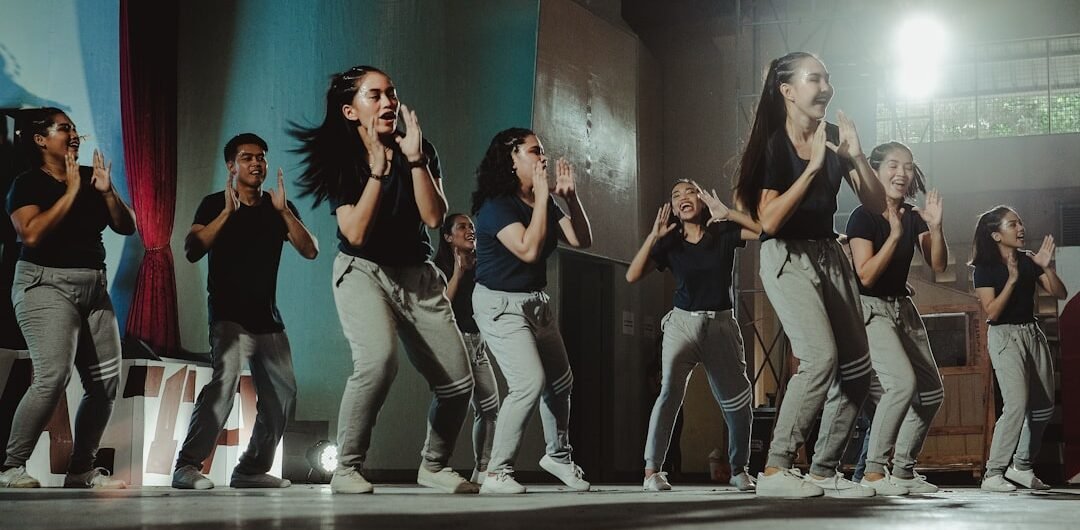
What Is Commercial Dance? A Clear Definition
If you’ve ever watched a music video, a live concert tour, a TV advertisement, or a West End production and thought “I want to do that” — you’ve already been captivated by commercial dance. But what is commercial dance, exactly, and how does it differ from other dance disciplines?
Commercial dance is an umbrella term for dance that is performed for a paying audience or used to sell a product, brand, or artistic vision. Unlike classical ballet or contemporary dance performed purely as art, commercial dance exists primarily within the entertainment and media industries. Think music videos for artists like Beyoncé or Harry Styles, live arena tours, television shows like The X Factor, brand campaigns, and theme park performances.
It blends multiple styles — including hip-hop, jazz, street dance, contemporary, waacking, krump, and heels — and demands a dancer who is not only technically strong but also adaptable, expressive, and highly professional. The goal is always to serve the creative vision, whether that belongs to a choreographer, director, or recording artist.

The Key Styles Within Commercial Dance
One of the most exciting things about commercial dance is its sheer variety. You won’t be locked into one technique. Instead, you’ll be expected to pick up and blend styles quickly. Here are the core styles you should know:
- Street Jazz / Commercial Jazz: The backbone of most pop music videos. Think clean lines, sharp isolations, and big performance energy.
- Hip-Hop: Rooted in freestyle culture, hip-hop in a commercial setting becomes more polished and choreographed while retaining its authentic groove and attitude.
- Heels: Made famous by choreographers like Brian Friedman and Jojo Gomez, heels dance combines sensuality, power, and technique — and yes, it’s for all genders.
- Waacking & Voguing: Born from LGBTQ+ ballroom culture, these styles are increasingly prominent in mainstream commercial work.
- Contemporary-Commercial Fusion: Many choreographers now blend lyrical contemporary with commercial sensibility for emotionally charged campaigns and performances.
The dancers who book the most work are the ones who can genuinely move between these styles with ease and authenticity. Versatility is your currency.
How to Start Training for Commercial Dance
Breaking into commercial dance starts long before your first audition — it starts in the studio. Here’s how to build a strong foundation:
Take Classes in Multiple Styles
Don’t specialise too early. Enrol in weekly classes across jazz, hip-hop, street, and contemporary. Look for classes taught by industry professionals wherever possible. Platforms like CLI Studios and Steezy Studio offer online classes with working commercial choreographers — ideal if you don’t have access to a top dance school locally.
Work on Your Technique AND Your Performance Quality
Technical ability gets you in the room; performance quality gets you the job. Practice performing in front of a mirror, record yourself constantly, and study the work of established commercial dancers on YouTube and Instagram. Ask yourself: do you look like you mean it?
Invest in the Right Gear
Proper footwear makes a real difference in how you train and move. For jazz and commercial classes, a reliable jazz shoe like the Bloch Boost Dance Trainer or the Capezio Dansneaker gives you the right balance of grip and slide. Both are widely available on Amazon and are go-to choices for intermediate dancers. For heels training, start with a low block heel — character shoes from brands like Bloch or Capezio are a safe, affordable starting point before you move to stilettos.
Building Your Commercial Dance Network
The commercial dance world runs almost entirely on relationships and reputation. Talent alone is rarely enough — you need to be known by the right people.
- Attend open classes at respected studios. In the UK, look at Pineapple Dance Studios in London or studios affiliated with the Dance Teacher Training Academy. In the US, Millennium Dance Complex and Edge Performing Arts Center in LA are industry hubs.
- Follow and engage with working choreographers on Instagram. Many announce open auditions, workshops, and intensives through their social channels. Names like Parris Goebel, Ian Eastwood, and Willdabeast Adams run highly respected workshops.
- Assist choreographers. Offering to assist on a project — even unpaid at first — gets you on set, in the room, and in front of the right eyes.
- Build genuine friendships with your peers. Your classmates today are your future collaborators and referral network. Be someone people want to work with.
Creating a Strong Dance CV and Showreel
When you’re ready to start pursuing professional work, your presentation matters enormously. Here’s what you’ll need:
Your Dance CV
Keep it clean, one page, and relevant. List your training background, any performance experience (even student showcases count early on), and the styles you’re trained in. Include your stats — height, coloring, any special skills like tumbling or singing — as these are often requested.
Your Showreel
A showreel is a short (60–90 second) video showcasing your best work. It should open strong — casting directors often make decisions in the first five seconds. Use clips from class videos, performances, and any professional work. Keep it current and update it regularly. You don’t need expensive production; a well-lit class video shot on a good smartphone tripod (the Joby GorillaPod, available on Amazon, is a fantastic affordable option) works perfectly well at the start of your career.
Your Online Presence
Create a clean, professional Instagram page dedicated to your dance work. Post consistently, use relevant hashtags, and tag choreographers whose classes you attend. Many dancers have been discovered or contacted for work directly through Instagram.

Navigating Commercial Dance Auditions
Auditions are the lifeblood of a commercial dance career. They can be thrilling and terrifying in equal measure — but they’re a skill you can absolutely develop.
- Arrive early and warmed up. Show up at least 30 minutes before your call time. Bring a resistance band (the TheraBand set on Amazon is great for warm-up work) and use the time to stretch, centre yourself, and observe the room.
- Pick up choreography quickly and perform it, don’t just dance it. In commercial auditions, the panel often cares more about energy, presence, and personality than technical perfection.
- Dress appropriately but express yourself. Wear something that moves well and shows your physique, but also reflects your personality. Avoid overly baggy clothes that hide your lines.
- Don’t take rejection personally. Casting is subjective and often has nothing to do with your ability. You might be too tall, too short, or simply not the right “look” for a specific project. Treat every audition as practice.
Realistic Expectations and Long-Term Career Growth
Let’s be honest — commercial dance is a competitive, sometimes unpredictable industry. Most dancers supplement their income with teaching, fitness instruction, or other performance work in the early years. That’s completely normal and not a sign of failure.
The dancers who build long, successful commercial careers share a few common traits: they stay humble and coachable, they invest in continuous training, they diversify their skills (many successful commercial dancers also choreograph, direct, or teach), and they treat every job — no matter how small — as a full audition for the next one.
Consider long-term goals too. Commercial dance can evolve into choreography, artist development, dance directing, or even brand partnerships. The skills you build — creativity, discipline, professionalism, physical literacy — are enormously transferable.
Start Your Commercial Dance Journey Today
Now that you understand what commercial dance is and how to break into it, the most important thing you can do is take action. Book a class this week — online or in person. Film yourself. Follow working choreographers. Start building your network one genuine connection at a time.
The commercial dance world is competitive, yes — but it is absolutely open to dedicated, versatile, and passionate dancers who are willing to put in the work. You have everything you need to start right now.
Ready to take the first step? Browse our recommended dance classes and training resources to find the best options for your level and budget. Your commercial dance journey starts today.
You might also like: